
Region

Zakopane and the Tatra Mountains
Zakopane and the Tatra Mountains
Photo by Krista Glīzdeniece on Pexels
Zakopane and the Tatra Mountains
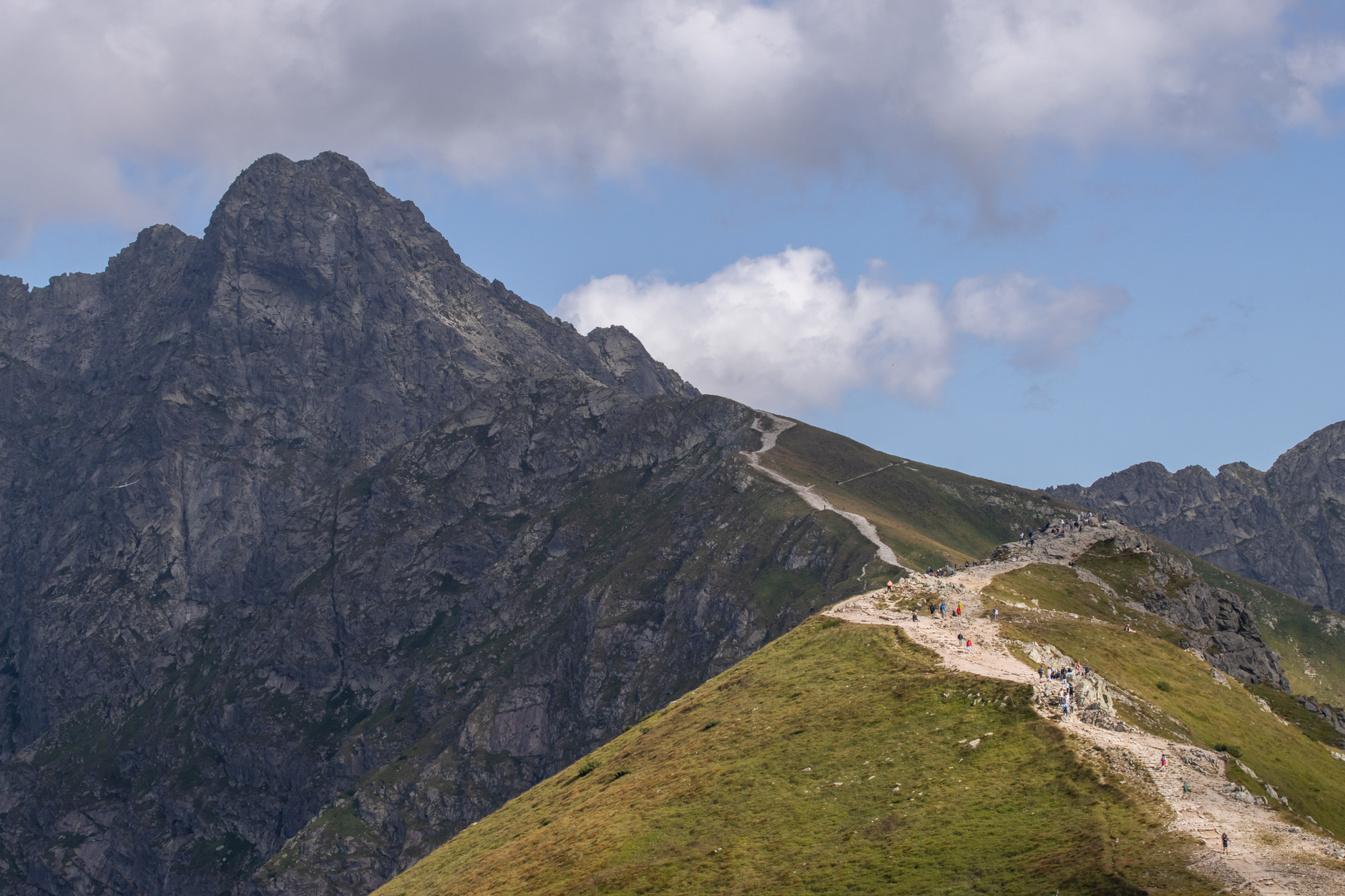
Photo by Dominik Gryzbon on Pexels
Zakopane and the Tatra Mountains
Photo by Krista Glīzdeniece on Pexels
Zakopane and the Tatra Mountains
Photo by Krista Glīzdeniece on Pexels
Zakopane and the Tatra Mountains
Photo by Alex Blokstra on Pexels
Zakopane and the Tatra Mountains
Photo by Krista Glīzdeniece on Pexels
Hiking & mountains Adventure & active Winter sports & ski

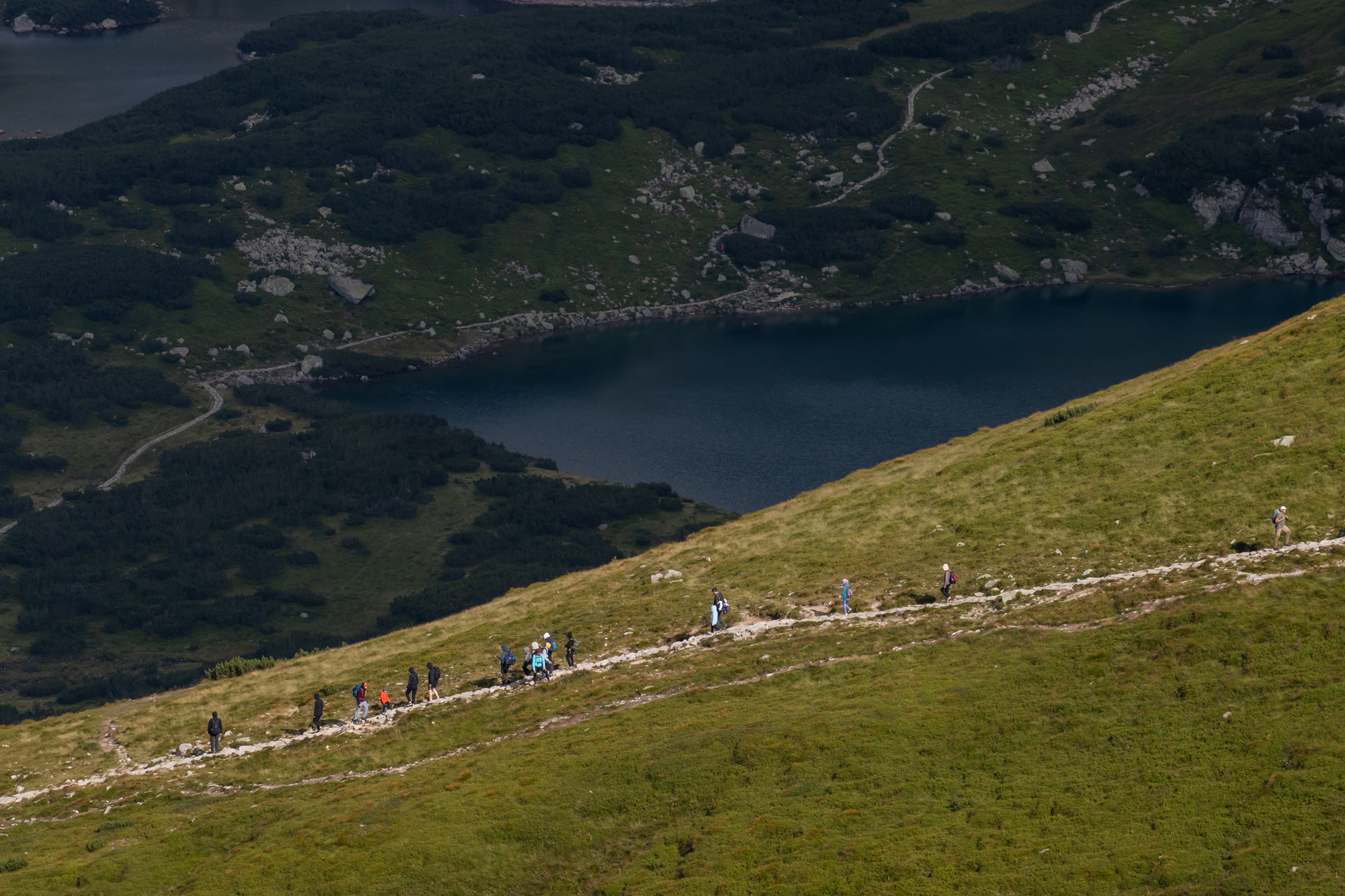
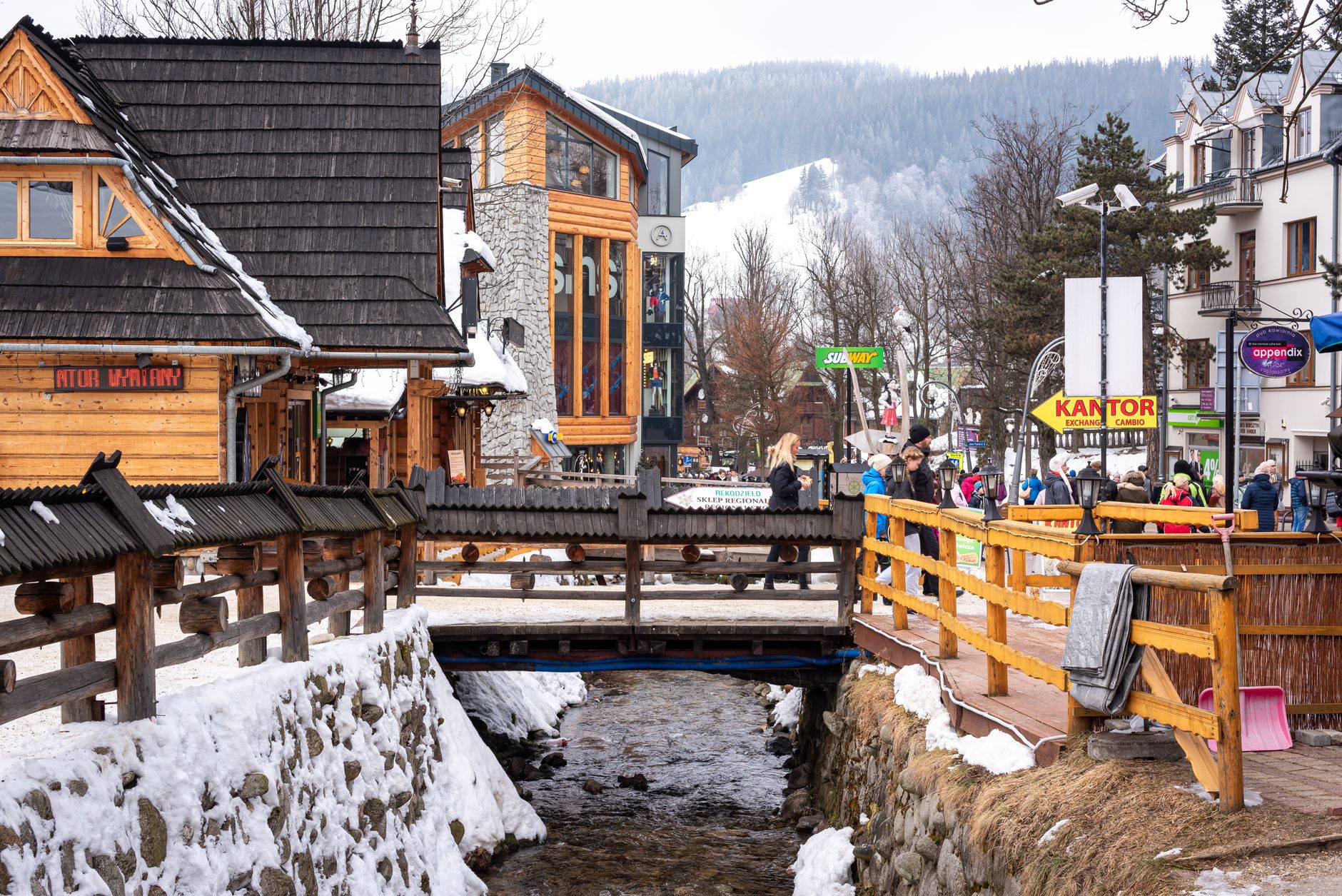
The cable car to Kasprowy Wierch was built in six months in 1936, and it still feels like a minor miracle — one moment you're on Krupówki Street among century-old wooden shop fronts and the smell of oscypek cheese, the next you're at nearly two thousand metres with Slovakia laid out below you. Zakopane sits at the foot of the High Tatras, Poland's only alpine range, and the town has been drawing people here since the 1880s when a Warsaw physician named Tytus Chałubiński started prescribing mountain air to his patients.

The Tatras themselves are compact and serious — granite peaks, glacial lakes, trails that can go from meadow to exposed ridge in an afternoon. The town is the base, the mountains are the reason.

💛 What travellers fall for

People who come back tend to arrive on a weekday and head straight up Kasprowy Wierch before the weekend crowds fill the cable car queue. The Jaszczurówka Chapel — built without a single nail — is easy to miss on the road out of town, and Villa Koliba on Kościeliska Street rewards a slow look at what Stanisław Witkiewicz was actually trying to do with timber and proportion.

Good to know
Buses from Kraków's Małopolski Dworzec Autobusowy run roughly every thirty minutes and take just under two hours — the easiest approach. Summer and winter are both peak seasons; shoulder months of May and October offer clearer trails and shorter queues for the Kasprowy Wierch cable car.
The story

How Zakopane and the Tatra Mountains came to be

A settlement existed here by 1578, though as late as 1676 it counted only 43 inhabitants. The real transformation came in the second half of the 19th century, driven by Chałubiński's advocacy and the arrival of the railway in 1899. Artist and architect Stanisław Witkiewicz moved here in 1890 and began developing what became known as the Zakopane style — a vernacular architecture drawing on highland carpentry traditions, first realised in Villa Koliba in 1892–93.

In 1889 the entire Zakopane estate was purchased by Władysław Zamoyski to protect its forests; he donated the land in 1924 to form the basis of Tatra National Park. The town briefly declared itself an independent republic on 31 October 1918, with writer Stefan Żeromski as president — a status it held for seventeen days before joining the emerging Second Polish Republic.

People & landmarks

Who and what shaped it

People who shaped it

Tytus Chałubiński
Polish physician (1820–1889) who promoted Zakopane for its high altitude and therapeutic mountain air, driving its development as a spa town from the 1880s.
Stanisław Witkiewicz
Artist and architect (1851–1915) who moved to Zakopane in 1890 and created the Zakopane style; designed Villa Koliba, the first building in this architectural tradition.
Władysław Zamoyski
Purchased the entire Zakopane estate in 1889 to preserve its forests and donated the land in 1924 to form the basis of Tatra National Park.
Karol Szymanowski
Composer (1882–1937) who lived in Villa Atma from 1930; the house became a museum in 1976.
Stefan Żeromski
Renowned writer appointed president of the short-lived Republic of Zakopane (31 October – 16 November 1918).
Stanisław Ignacy Witkiewicz
Artist and son of Stanisław Witkiewicz; settled in Zakopane in 1890 and remained at the foot of the Tatras for over 50 years.
Kornel Makuszyński
Writer (1884–1953) and frequent visitor to Zakopane; buried in the town.
Władysław Hasior
Polish artist (1928–1999) buried in Zakopane; a gallery bearing his name opened in 1984.

Landmark buildings

Villa Koliba
Built 1892–93 in the Zakopane style by Stanisław Witkiewicz; the first building in this architectural tradition, now the Museum of Zakopane Style.
Villa Jedlami
Designed by Stanisław Witkiewicz and built in 1897 in the Zakopane style.
Villa Atma
Historic chalet where composer Karol Szymanowski lived from 1930; became a museum in 1976, now a department of the National Museum in Kraków.
Old Church
Wooden church built in 1851, among Zakopane's oldest structures.
Jaszczurówka Chapel
Built at the beginning of the 20th century in Zakopane style, constructed without nails.
Tatra Museum
Opened in 1888 as the Chałubiński Memorial; contains ethnographic and geologic displays.
Kasprowy Wierch Cable Car
Built in 1936 in six months; ascends to 1,998 m and offers views into Slovakia.
Gubałówka Funicular
Built in 1938; ascends Gubałówka Hill at 1,126 metres.
Witkacy Theatre
Founded in 1984.
Wladyslaw Hasior Gallery
Opened in 1984, dedicated to the Polish artist.
Krupówki Street
Famous pedestrian zone with century-old wooden town houses containing shops, restaurants and galleries.
Practical

Plan your visit

On the map

When to go

Summers are cool and prone to afternoon thunderstorms that build fast over the peaks — layers and a waterproof are worth carrying even in July. Winters are cold and snowy from roughly December through March, with the ski season centred on Kasprowy Wierch and Gubałówka.

Right now

17°C
Partly cloudy
Sat
🌧️
24°
15°
Sun
🌧️
22°
13°
Mon
🌧️
19°
11°
Tue
🌧️
15°
Weather data: Open-Meteo

Background & history adapted from Wikipedia (CC BY-SA) · specs from Wikidata (CC0) · weather from Open-Meteo · map data © OpenStreetMap contributors · photos from Wikimedia Commons / Unsplash with per-image credit. No third-party reviews or social posts reproduced.

Top