
Azuero Peninsula
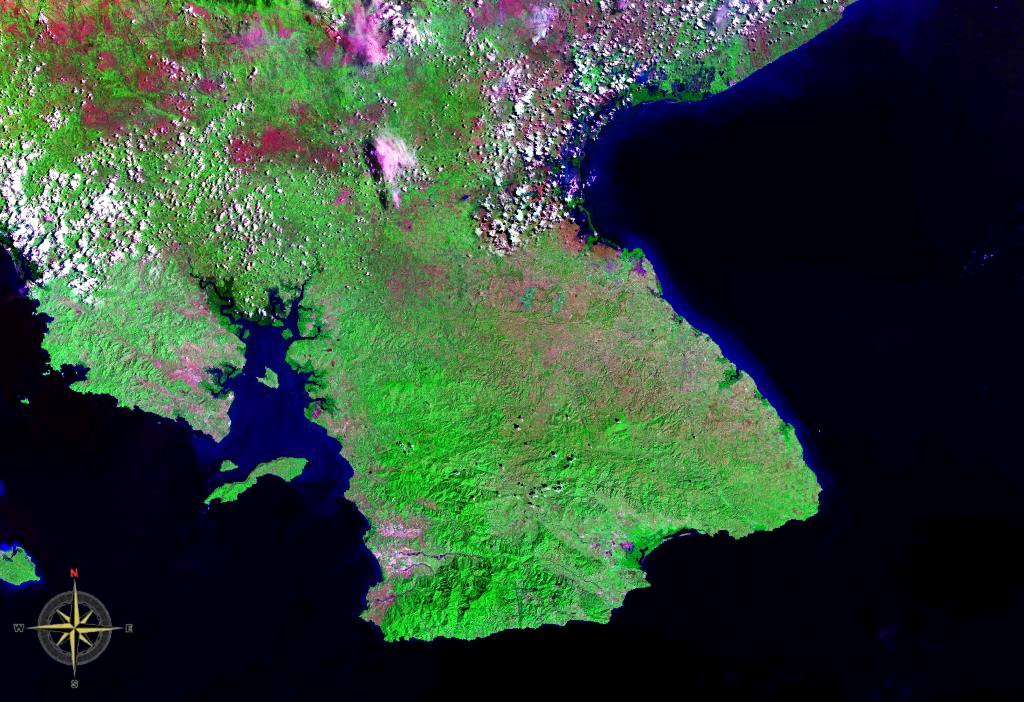
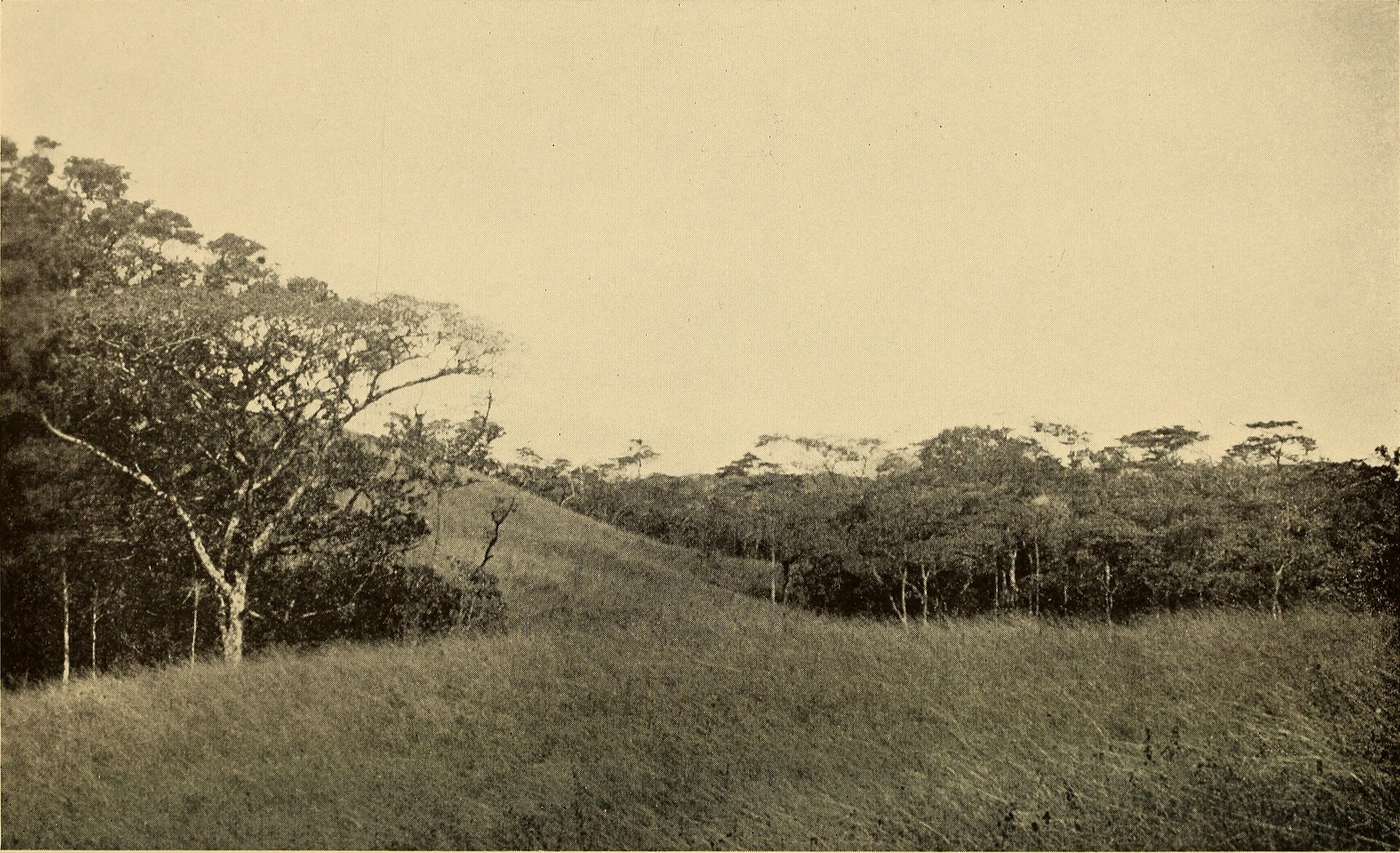
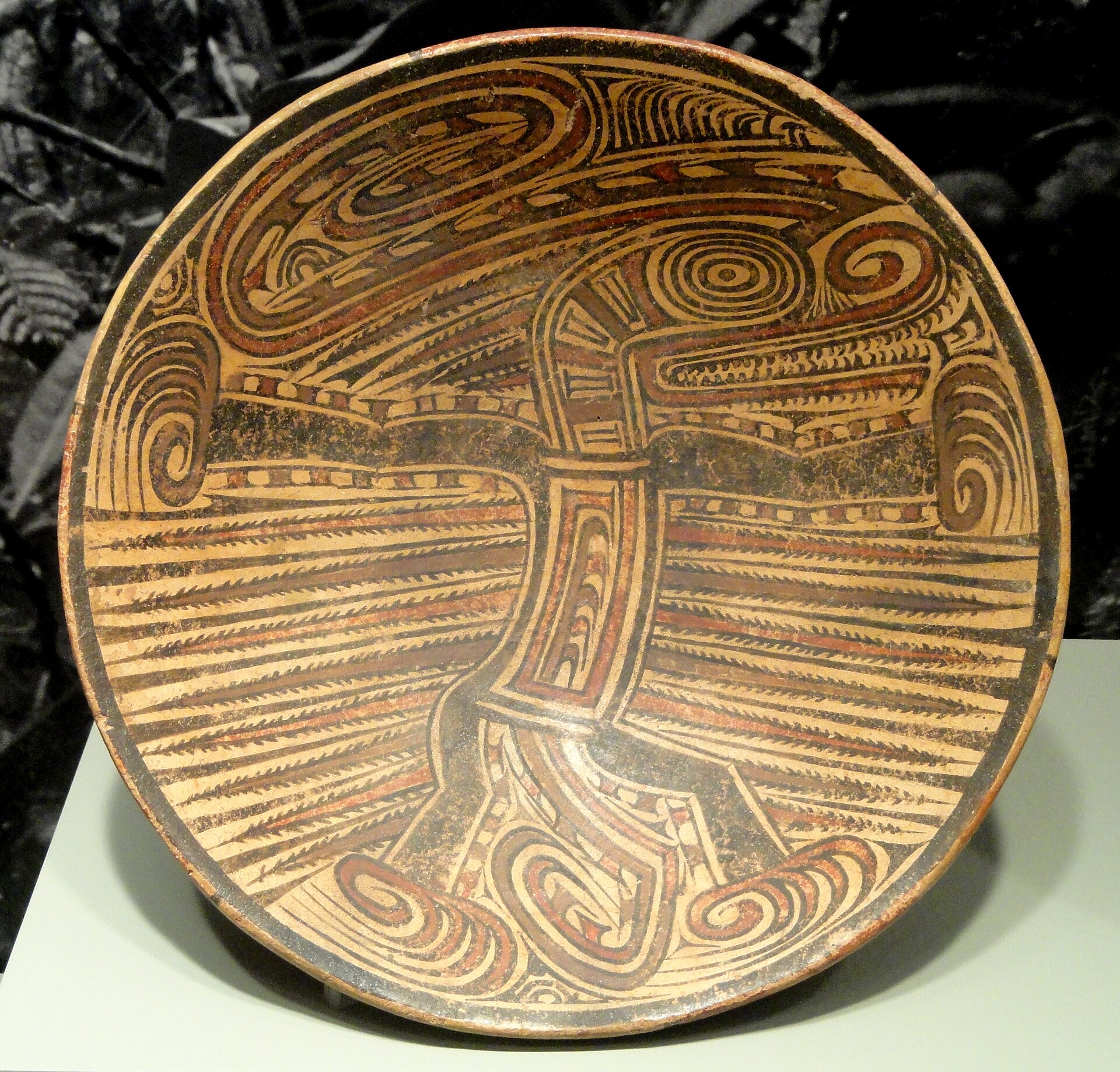
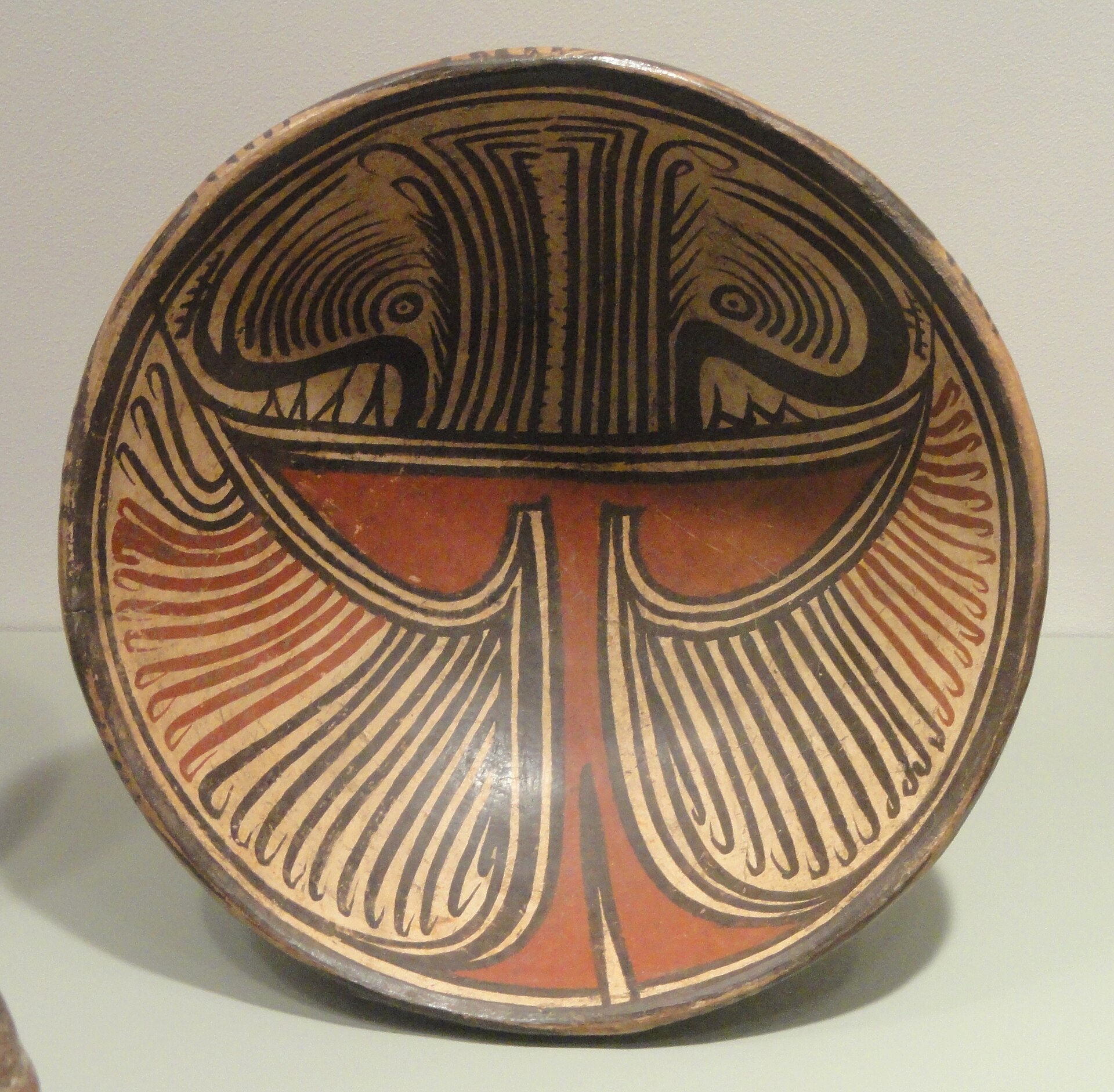
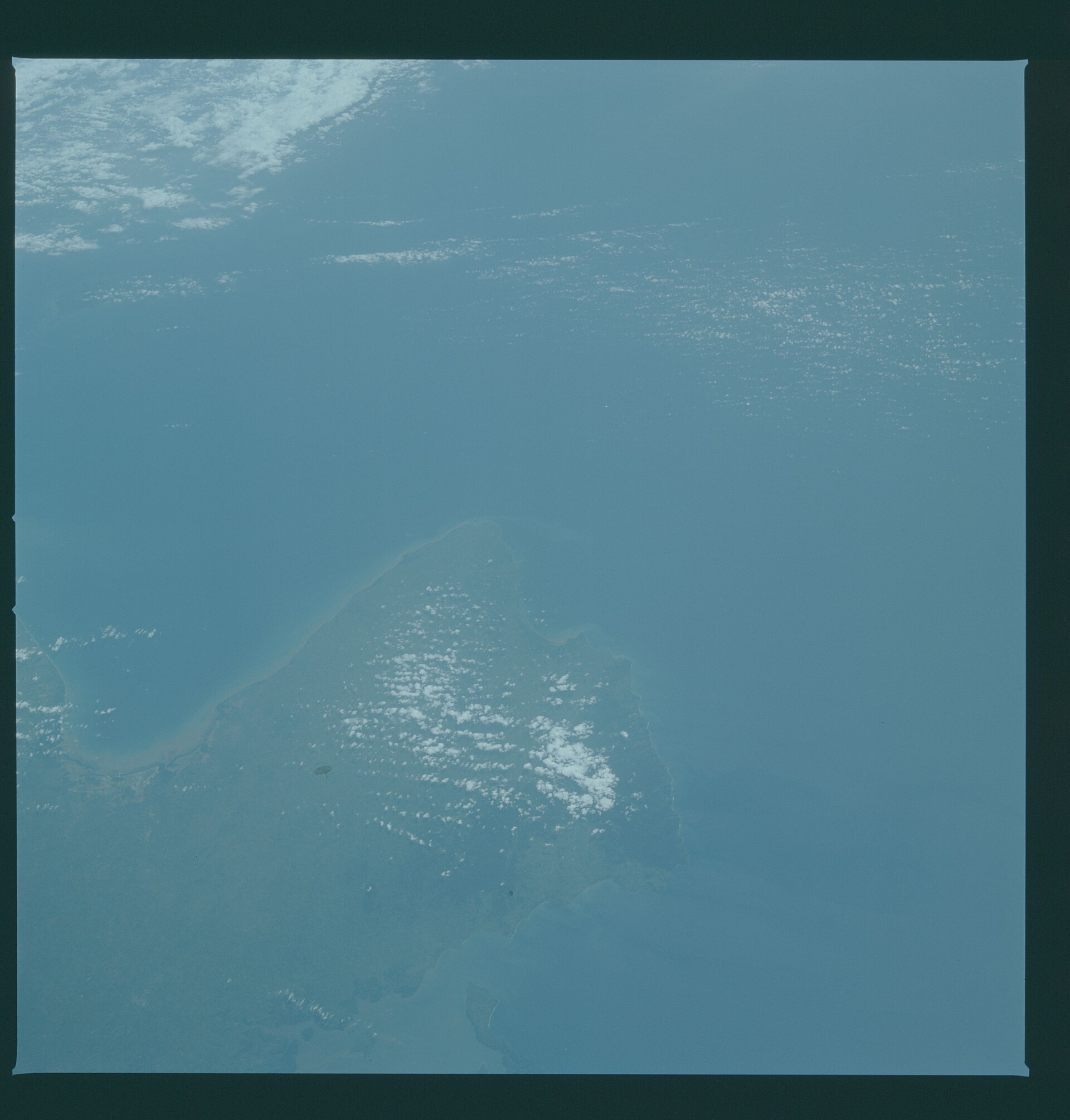
The Azuero Peninsula juts south into the Pacific like a thumb pressed into a map, and it remains the part of Panama most Panamanians will tell you is most Panamanian. This is where the country's folkloric traditions — the pollera dress, the tamborito drum, the festivals that can shut down entire towns — have their deepest roots. The landscape is mostly open cattle country, dry and golden in the long dry season, with jungle surviving only at the southern tip and sea turtles arriving by the thousands on the Pacific shore between July and November.
Travel here is unhurried by design. Towns like Chitré, Las Tablas, and Pedasí are compact enough to walk, connected by local buses that run on their own logic. The peninsula sits in what locals call the Arco Seco — the dry arc — and gets roughly half the rainfall of the rest of Panama.
How Azuero Peninsula came to be
People have farmed this peninsula for more than ten thousand years, and the Spanish found it already well-settled when they founded Natá de los Caballeros in 1522 — named for a battle against the forces of the indigenous leader Anatá, and considered the oldest surviving town on the American Pacific coast. Las Tablas has a stranger origin: in the late seventeenth century, survivors fleeing the ruins of Panamá Viejo after Henry Morgan's pirates sacked it sailed here, then broke apart their ships to build the first houses. The planks gave the town its name.
The peninsula's most consequential moment came on November 10, 1821, when residents of La Villa de Los Santos signed a letter asking to be freed from Spanish rule — the first formal declaration of independence from any Panamanian town. The original document is still there, in the Museo de la Nacionalidad, behind a door that costs a dollar to open.
Who and what shaped it
People who shaped it
Landmark buildings
See Azuero Peninsula in motion
Plan your visit
On the map
When to go
The Azuero's Arco Seco designation is real: some areas receive under 1,000mm of rain annually, and from December through April the weather is reliably dry and warm, with days reaching 28–32°C and cooler nights. The wet season runs May through November, with the heaviest rains in September and October — though Pacific-coast mornings often stay clear before afternoon storms roll in.
Right now
Background & history adapted from Wikipedia (CC BY-SA) · specs from Wikidata (CC0) · weather from Open-Meteo · map data © OpenStreetMap contributors · photos from Wikimedia Commons / Unsplash with per-image credit. No third-party reviews or social posts reproduced.