
Region

Casco Viejo (Panama City Historic District)
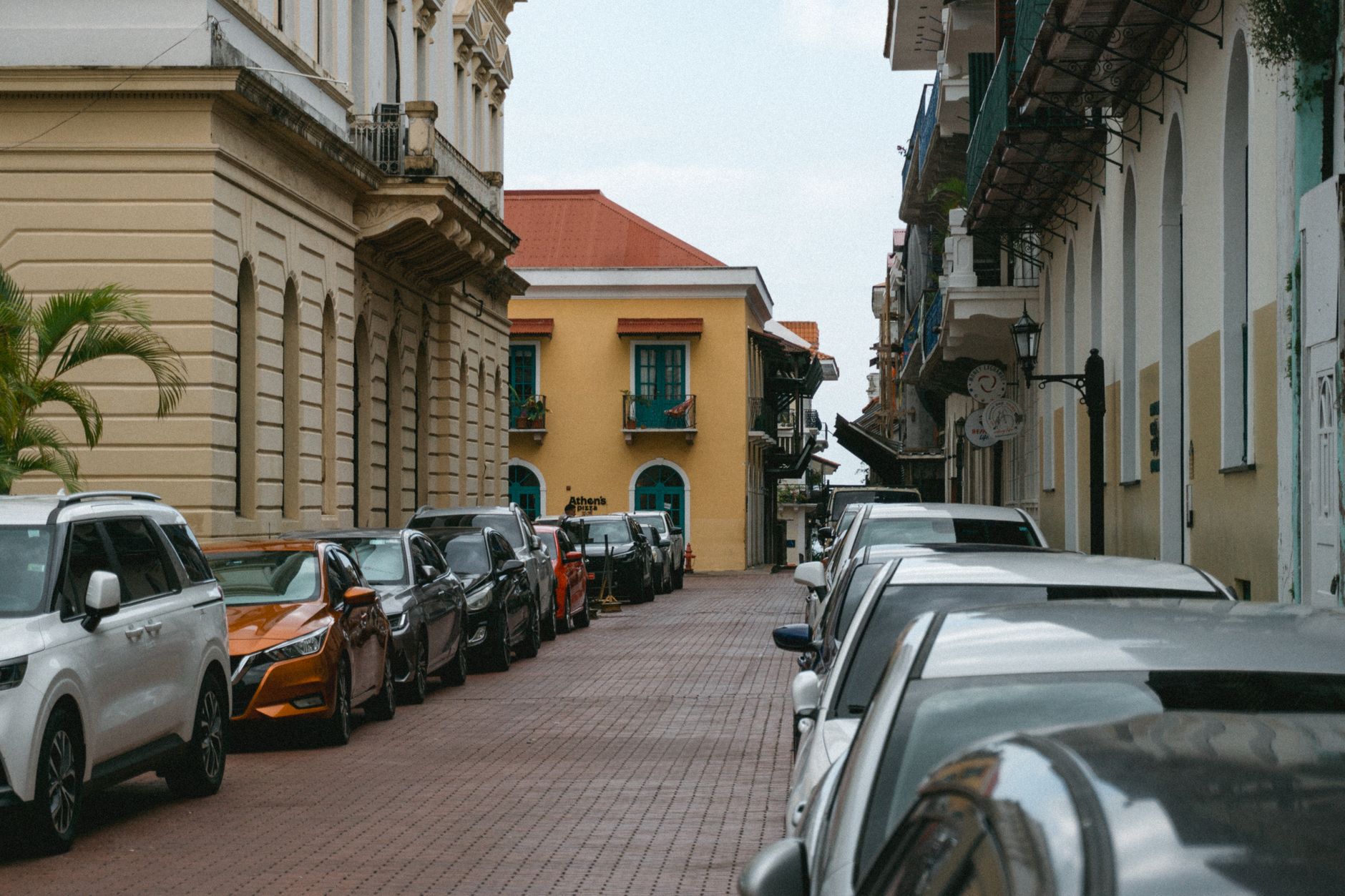
Casco Viejo (Panama City Historic District)
Photo by Mateus Castro on Pexels
Casco Viejo (Panama City Historic District)
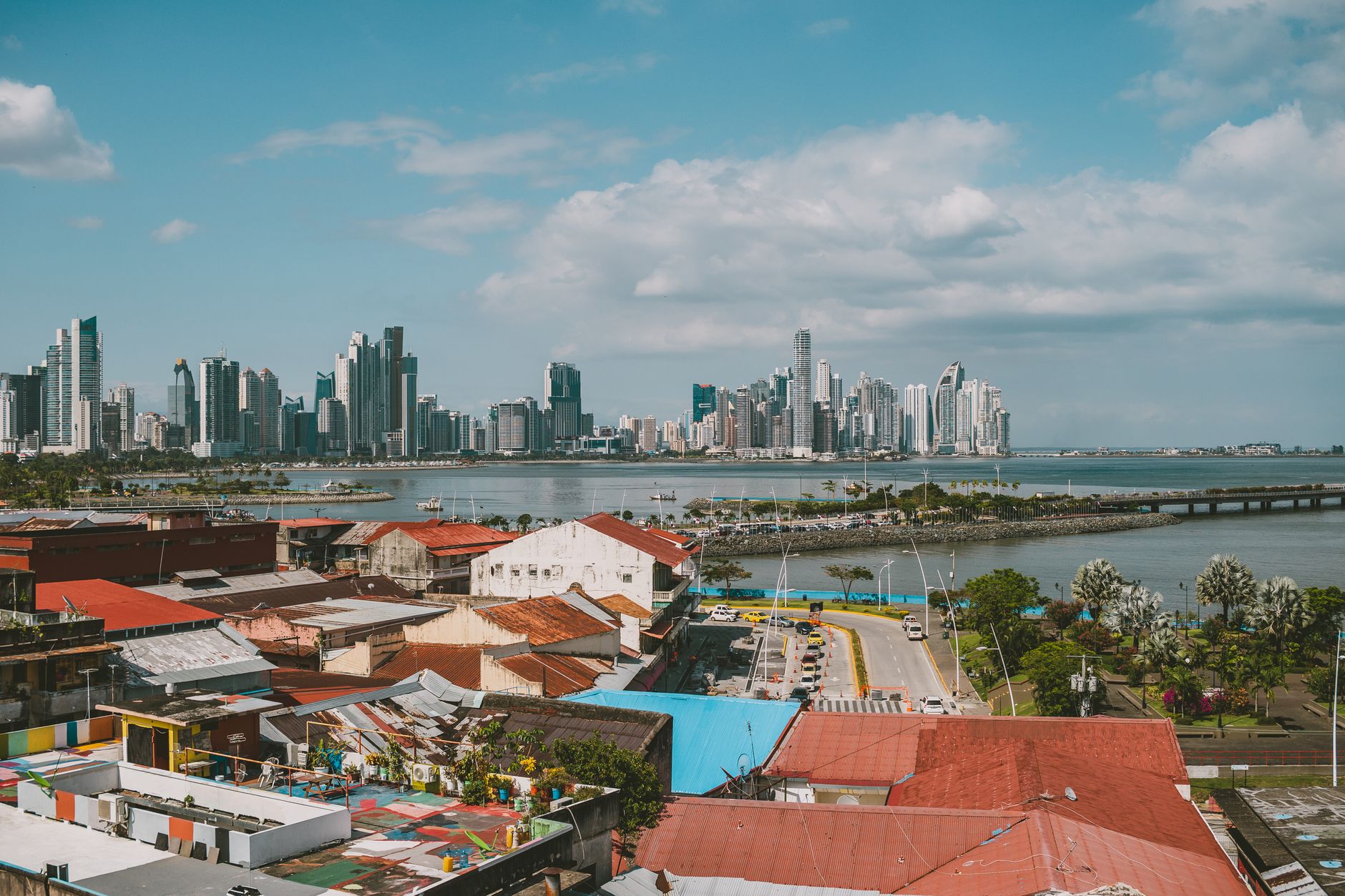
Photo by Luis Quintero on Pexels
Casco Viejo (Panama City Historic District)
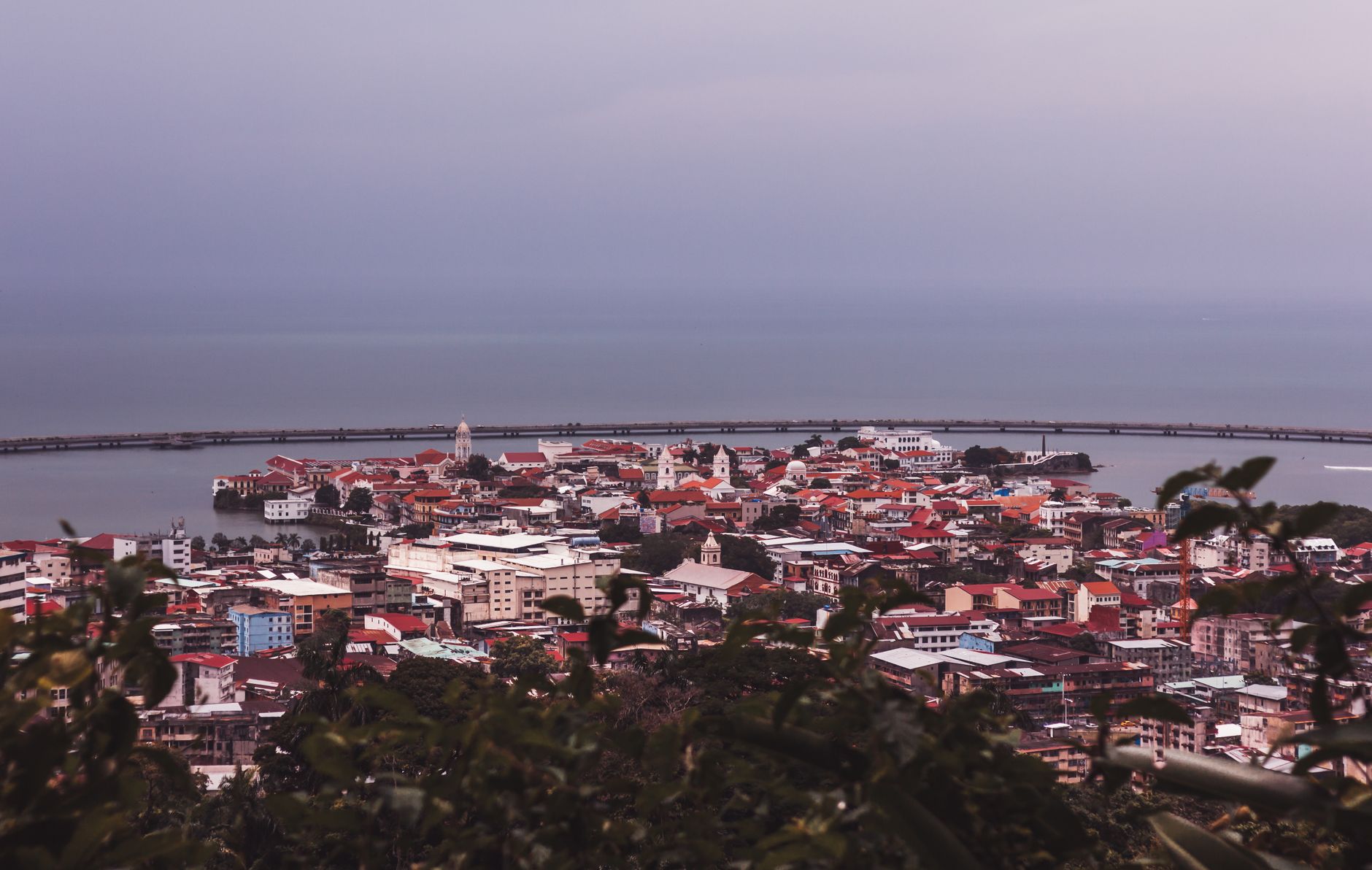
Photo by Gabriel Villaverde on Pexels
Casco Viejo (Panama City Historic District)
Photo by Eliécer Gómez on Pexels
Casco Viejo (Panama City Historic District)
Photo by Neron Photos on Pexels
Casco Viejo (Panama City Historic District)
Photo by Gene Samit on Pexels
City break Culture & history Food & drink

Casco Viejo occupies a narrow peninsula at the southern tip of Panama City, and the first thing you notice is the scale — colonial churches, crumbling mansions and restored art-deco facades pressed together on streets barely wide enough for two cars. White herons pick their way across the courtyard of the Presidential Palace. A golden baroque altar inside the Church of Saint Joseph was buried in mud to hide it from pirates in 1671, then carried here in secret. The whole district is like that: specific, layered, stranger than you expect.

This is where Panama City was reborn after the original settlement was destroyed, and the UNESCO designation in 1997 helped pull it back from decades of neglect. Today it holds the country's main canal museum, its national theater, and enough plazas to spend a slow afternoon doing very little.

💛 What travellers fall for

People who come back tend to time a visit to the Teatro Nacional carefully — the 1908 interior, with Roberto Lewis's ceiling frescoes and gold-painted balconies, rewards an actual performance over a quick look inside. The Iglesia de la Merced's attached museum, opened in 2019, is small enough to do properly in thirty minutes and rarely crowded.

Good to know
Casco Viejo is walkable from end to end in under an hour, though you'll want more time. Taxis and ride-shares reach it easily from the rest of Panama City. The Puerta de Tierra is free to enter on weekdays. Weekday mornings are quieter than weekend evenings, when the restaurant and bar scene picks up.
The story

How Casco Viejo (Panama City Historic District) came to be

The original Panama City — Panamá Viejo — was attacked and looted in January 1671. Before the assault, Governor Juan Pérez de Guzmán ordered it burned rather than let it fall intact to Henry Morgan's forces. The following year, Antonio Fernández de Córdoba began planning a replacement on a more defensible peninsula, and the new city was formally refounded on January 21, 1673. The Palacio de las Garzas dates from that same year; the Metropolitan Cathedral took over a century to complete, finishing in 1796.

Three major fires in the 18th century reshaped large sections of the district, and the configuration you walk through today largely reflects reconstruction from the late 19th and early 20th centuries. The Jesuit complex, finished in 1751, was damaged by fire and earthquake before the order was expelled from Spanish territories entirely. UNESCO recognition in 1997 accelerated a restoration effort that is still visibly underway.

People & landmarks

Who and what shaped it

People who shaped it

Antonio Fernández de Córdoba
Initiated construction of the new city in 1672 following the destruction of Panamá Viejo.
Henry Morgan
Pirate who attacked and looted the original Panama City in January 1671, prompting its relocation.
Genaro Ruggieri
Italian architect who designed the National Theater.
Roberto Lewis
Panama's most famous artist; painted the ceiling frescoes in the National Theater.
Simón Bolívar
In 1826, unsuccessfully attempted to negotiate the unification of Colombia, Mexico, and Central America at the Salón Bolívar in Palacio de las Garzas.

Landmark buildings

Metropolitan Cathedral (Catedral Metropolitana)
Constructed 1688–1796 with twin bell towers adorned with mother-of-pearl from the Pearl Islands.
Teatro Nacional (National Theater)
Opened 1908 with Verdi's Aida; features gold-painted balconies and ceiling frescoes by Roberto Lewis.
Iglesia de San José (Church of Saint Joseph)
Built 1675; contains a golden baroque altar saved from the 1671 pirate siege by being buried in mud.
Iglesia de la Merced (Church of Mercy)
Built 1680 with façade moved piece by piece from the original church in Panamá Viejo; Museum of La Merced opened 2019.
Iglesia de San Francisco de Asís
Originally built in the 17th century; reconstructed multiple times due to fires and natural disasters.
Iglesia de la Compañía de Jesús (Jesuit Church)
Convent completed 1751; damaged by fire in 1781 and earthquake in 1882; Jesuits expelled 1767.
Palacio de las Garzas (Presidential Palace)
Built 1673; official presidential residence since 1903; white herons roam the courtyards.
Casa Góngora
Built 1756 by merchant Capt. Pablo Gongora; best-preserved Spanish colonial home in Casco Viejo.
Union Club (now Sofitel Legend Casco Viejo)
Opened 1917, designed by James C. Wright; reopened as luxury hotel January 19, 2023.
Museo del Canal Interoceánico (Panama Canal Museum)
Housed in a 19th-century building originally intended as a hotel, later used by the French canal company.
Las Bóvedas (The Vaults)
Originally a Spanish dungeon, later a jail, storehouse, and offices; elevated walkway now open to public.
Puerta de Tierra (Old City Gate)
Open to the public free of charge, Monday–Friday 8am–4pm.
Watch

See Casco Viejo (Panama City Historic District) in motion

Practical

Plan your visit

On the map

When to go

Panama City has a dry season roughly from mid-December through April — the most comfortable time to walk Casco Viejo's streets. From May onward, heavy afternoon rains are common; mornings usually stay clear, so earlier starts pay off during the wet season.

Right now

31°C
Partly cloudy
Fri
🌧️
34°
26°
Sat
⛈️
33°
26°
Sun
⛈️
31°
25°
Mon
⛈️
30°
24°
Weather data: Open-Meteo

Background & history adapted from Wikipedia (CC BY-SA) · specs from Wikidata (CC0) · weather from Open-Meteo · map data © OpenStreetMap contributors · photos from Wikimedia Commons / Unsplash with per-image credit. No third-party reviews or social posts reproduced.

Top