
Bocas del Toro Archipelago
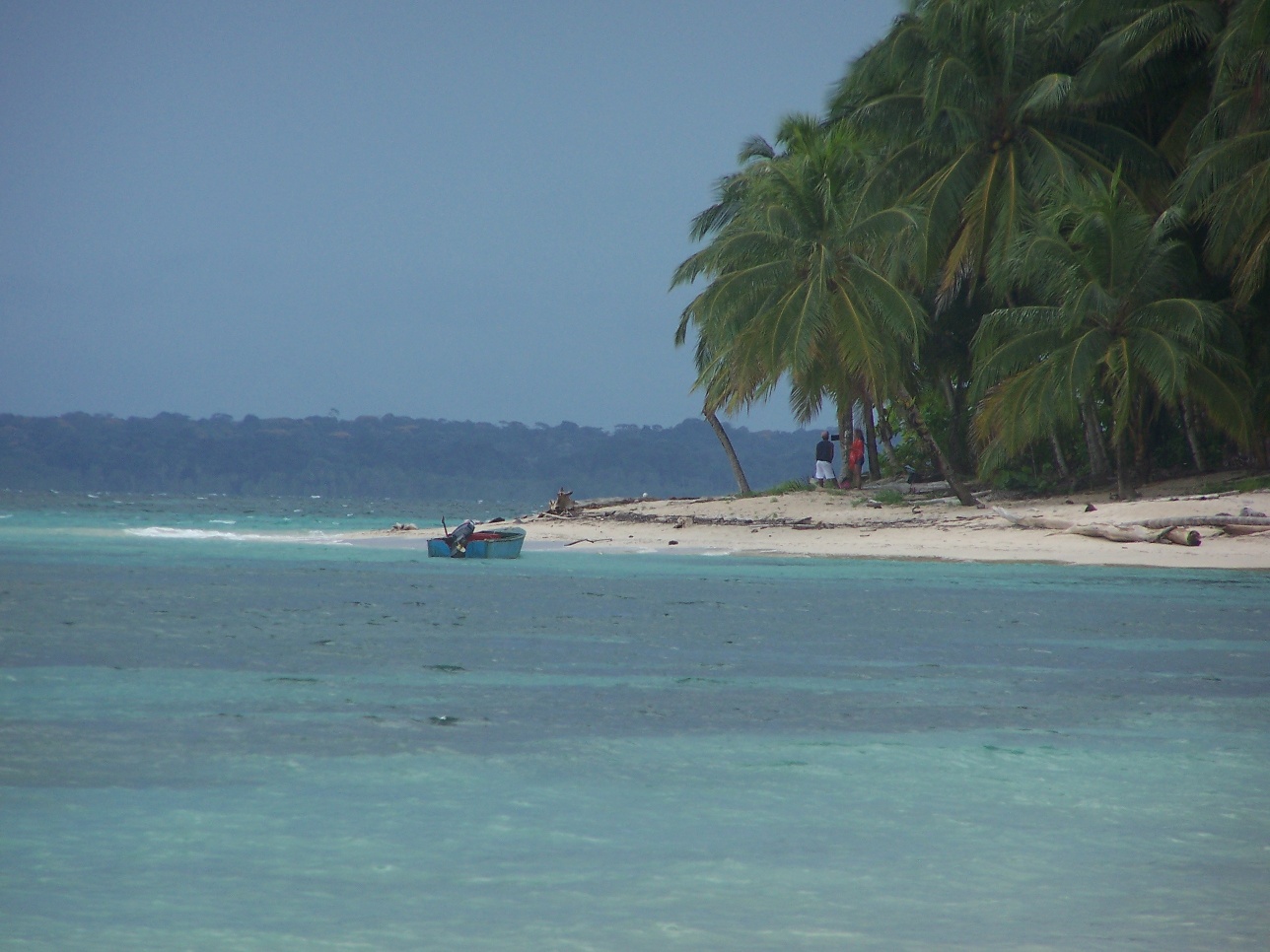
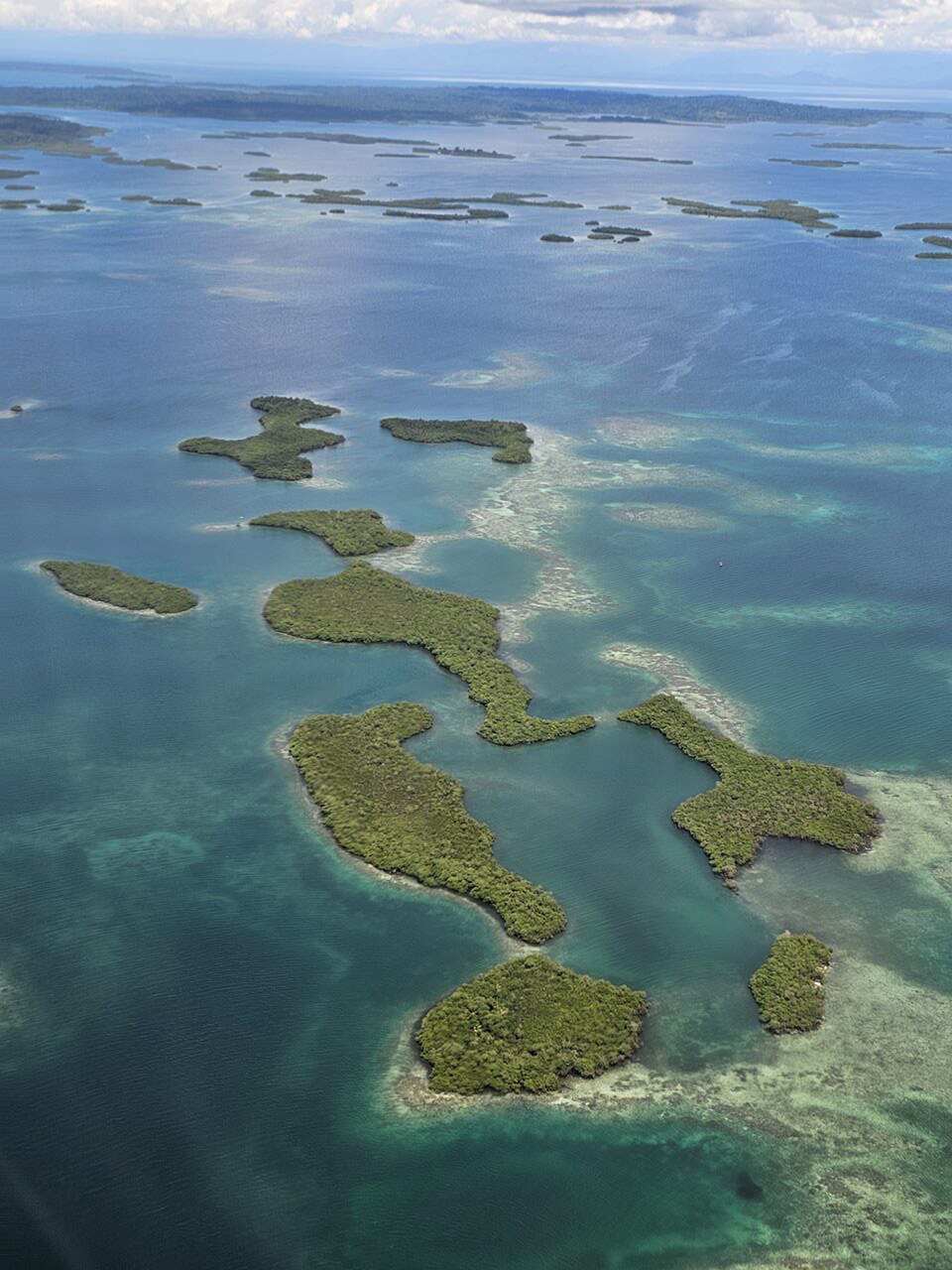
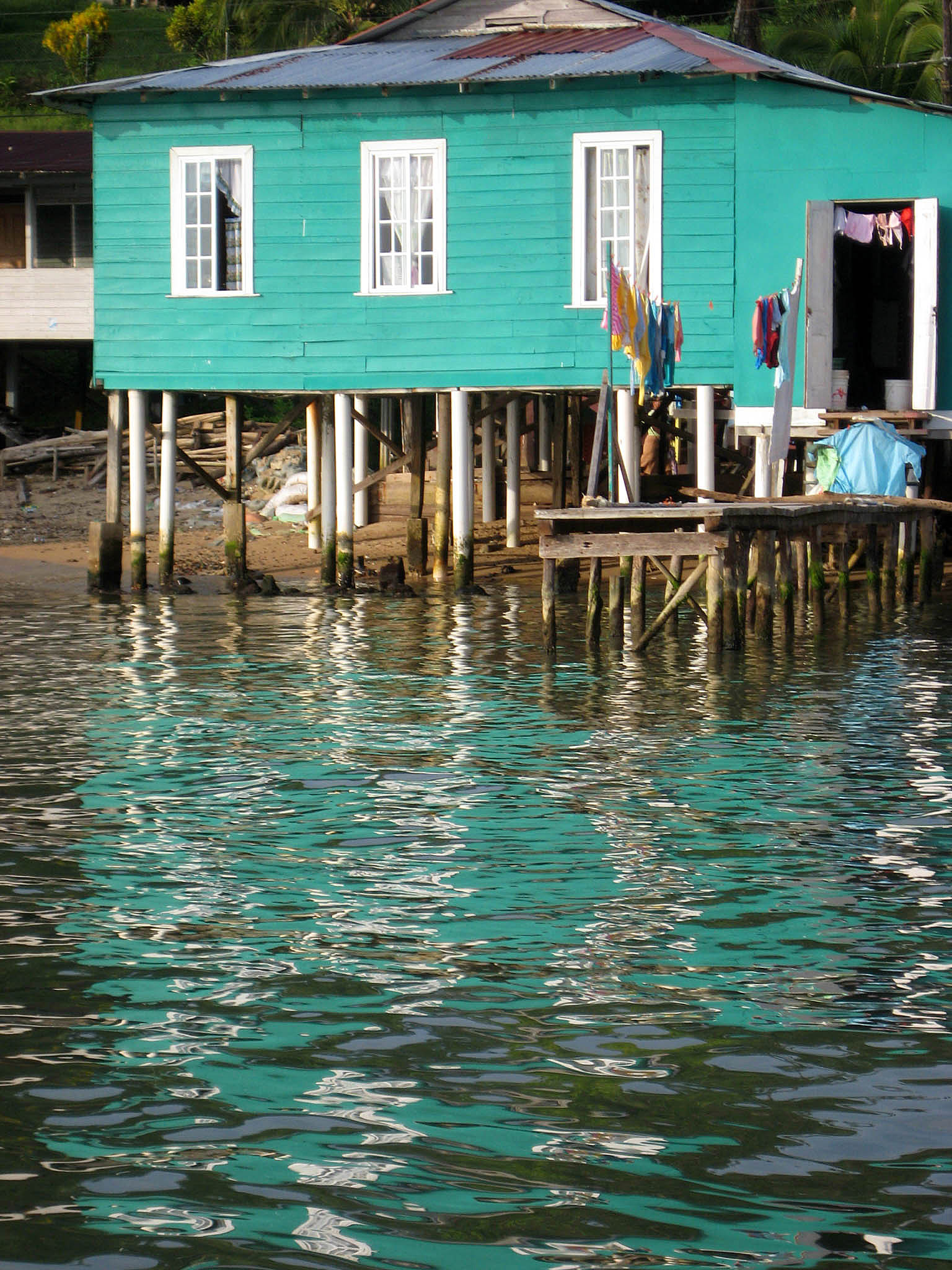
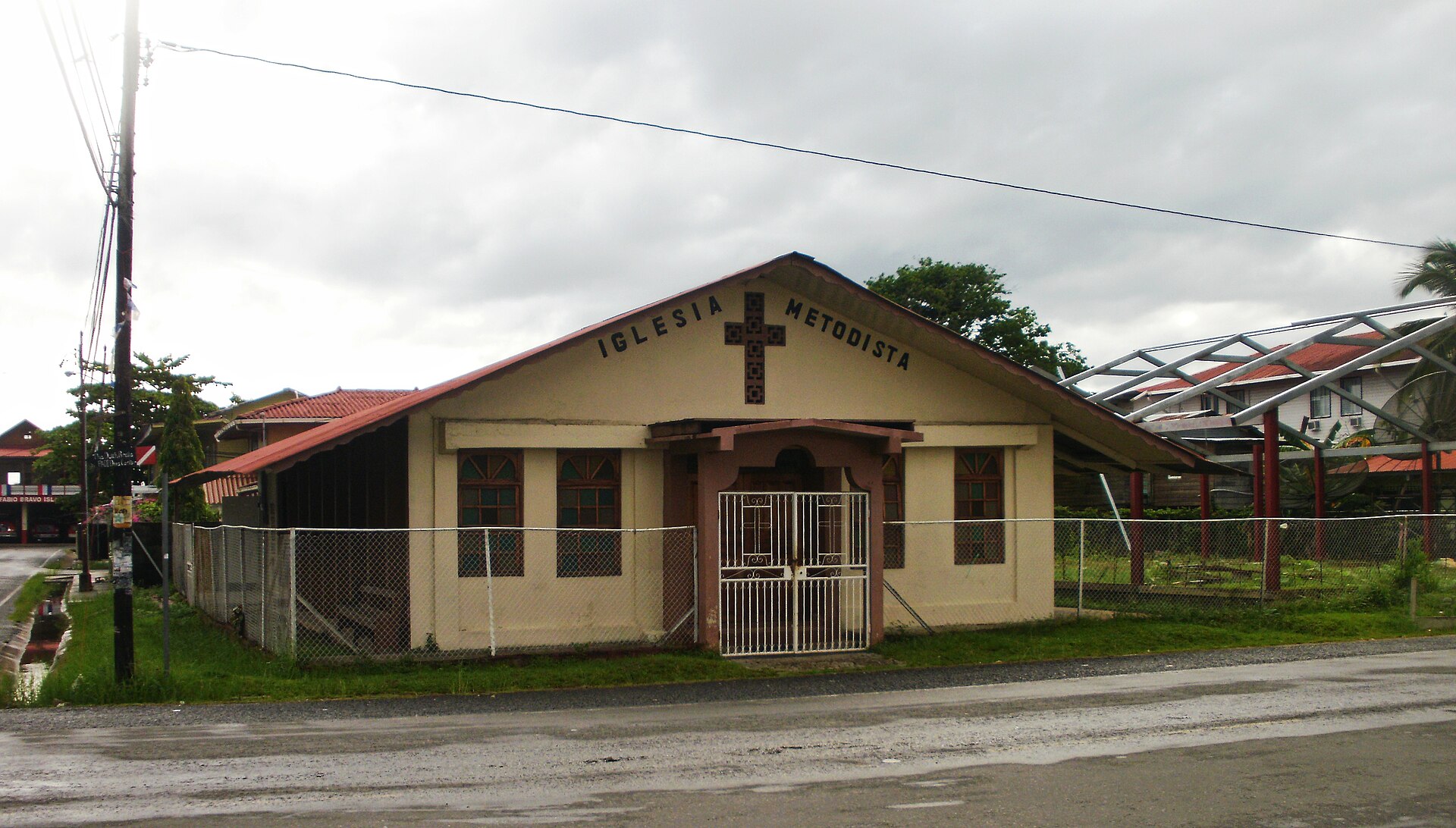
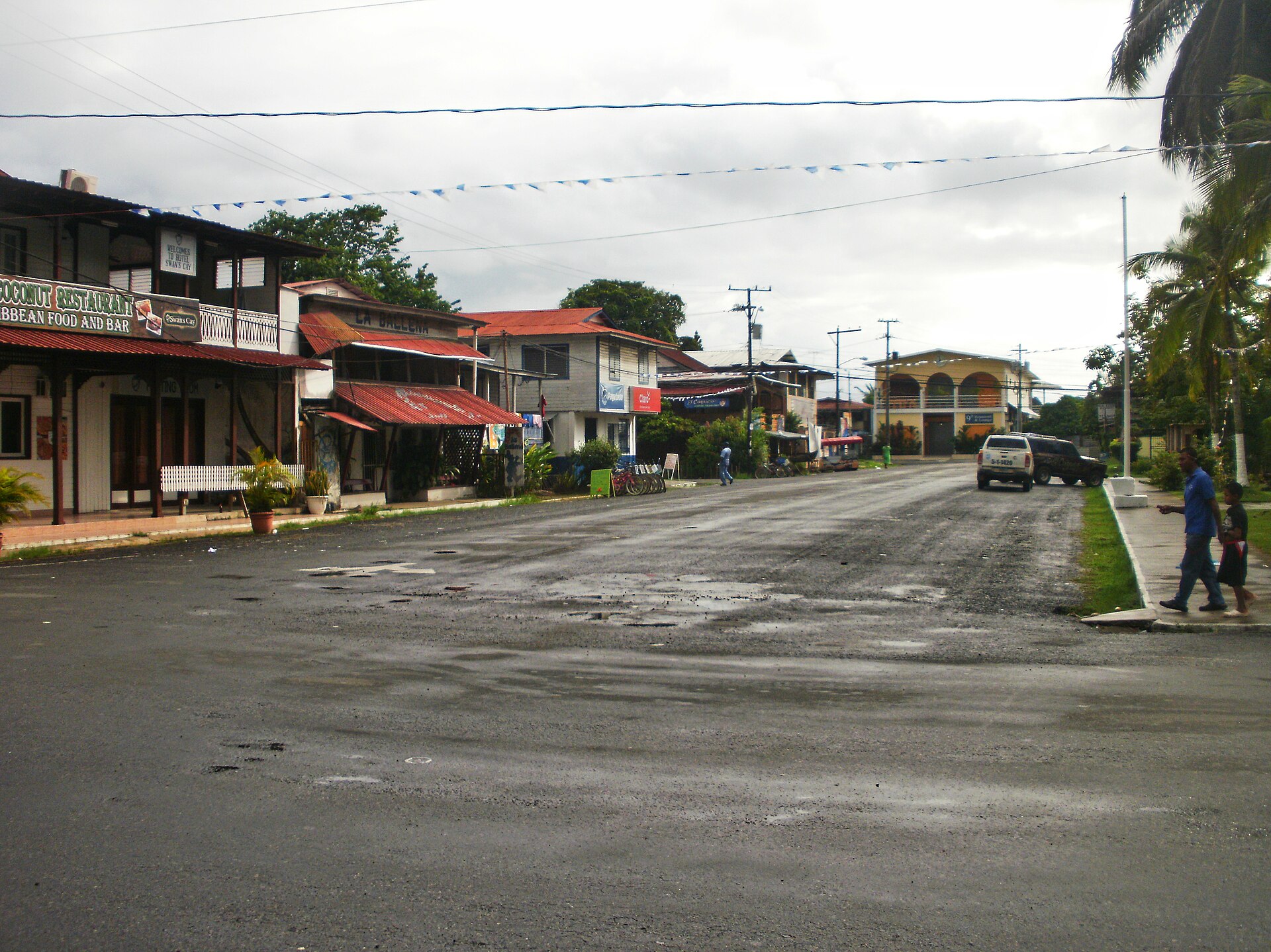
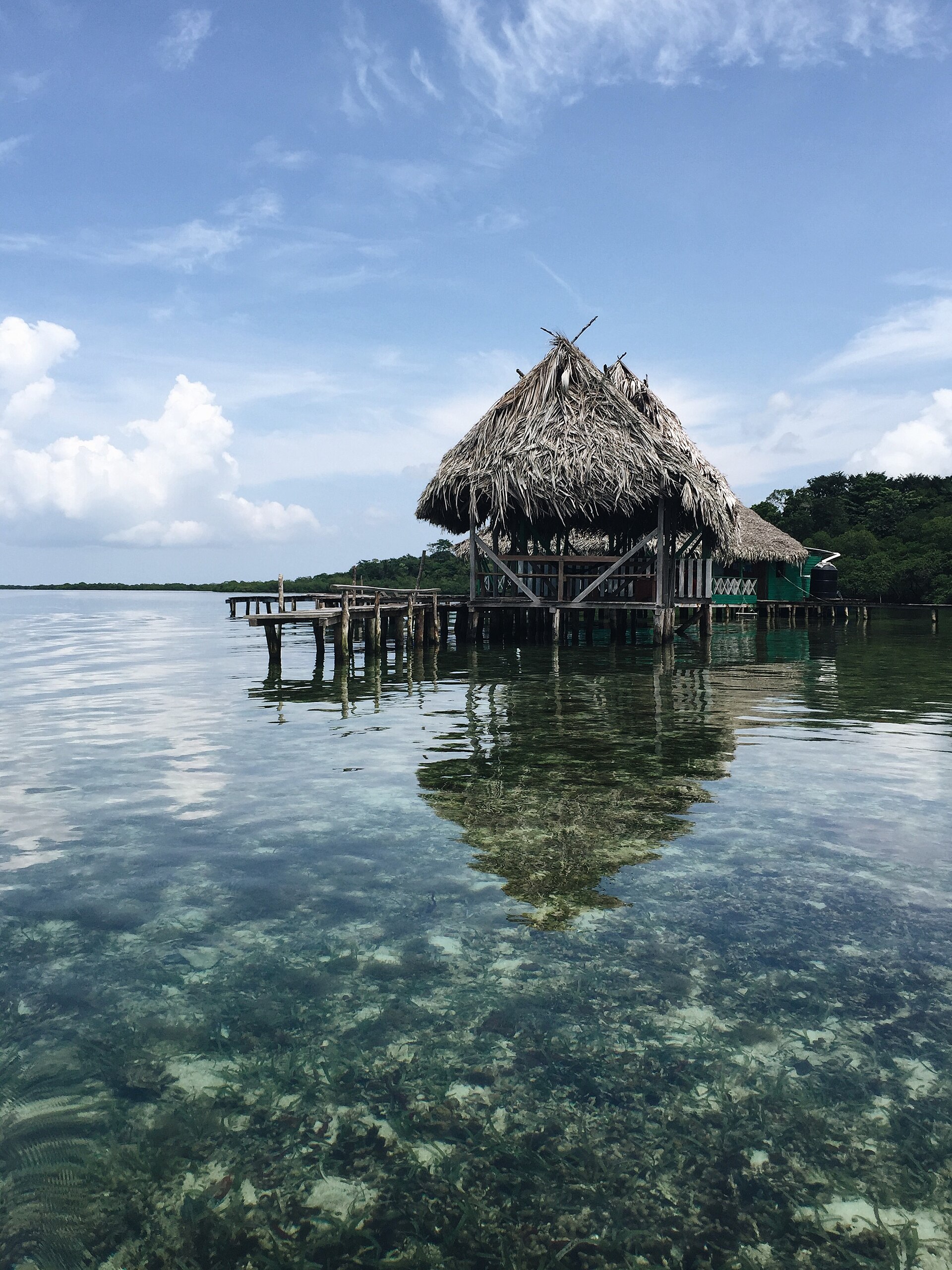
The Bocas del Toro Archipelago sits off Panama's Caribbean coast as a scatter of islands where rainforest meets reef and the water runs every shade between turquoise and ink. Isla Colón is the hub, with Bocas Town's painted wooden buildings lining the waterfront, but the real logic of the place is the water taxi — the craft that stitches the islands together and drops you at beaches, mangrove channels, and research stations that share the same stretch of sea.
This is a region that operates at two speeds: the easy sociability of Bocas Town's Calle Tercera and the near-silence of Cayos Zapatillas, where the only sound is the reef. La Amistad International Park, a UNESCO World Heritage Site, covers most of the Panamanian interior here — 400,000 hectares of protected land that keeps the archipelago's jungle backdrop intact.
How Bocas del Toro Archipelago came to be
Christopher Columbus anchored here on 6 October 1502, during his fourth and final voyage, and gave names to several of the islands. The archipelago's deeper history belongs to the Ngöbe-Buglé, Teribe, Bokota, and Bri Bri peoples who lived across these lands long before European contact. The town of Bocas del Toro was formally founded in 1826, and by the late 19th century it had grown into Panama's third most important city, driven by a banana industry that began around 1890.
The United Fruit Company — later known for Chiquita Brands — took over operations in 1899, reshaping the islands economically until commercial banana production collapsed in the 1920s. The islands passed through Costa Rican and Colombian jurisdiction before Panama's independence in 1903; on 16 November of that year, Bocas del Toro became its own province. The Smithsonian Tropical Research Institute established a permanent research station on Colón Island in 1998, inaugurating its lab building in 2003.
Who and what shaped it
People who shaped it
Landmark buildings
See Bocas del Toro Archipelago in motion
Plan your visit
On the map
When to go
The Caribbean side of Panama is wet by nature — Bocas gets rain year-round, but the drier windows tend to fall between September–October and February–April, when seas are calmer and visibility for snorkeling improves. Even in wetter months, mornings often clear; pack a light rain layer regardless of when you go.
Right now
Background & history adapted from Wikipedia (CC BY-SA) · specs from Wikidata (CC0) · weather from Open-Meteo · map data © OpenStreetMap contributors · photos from Wikimedia Commons / Unsplash with per-image credit. No third-party reviews or social posts reproduced.