
Viligili
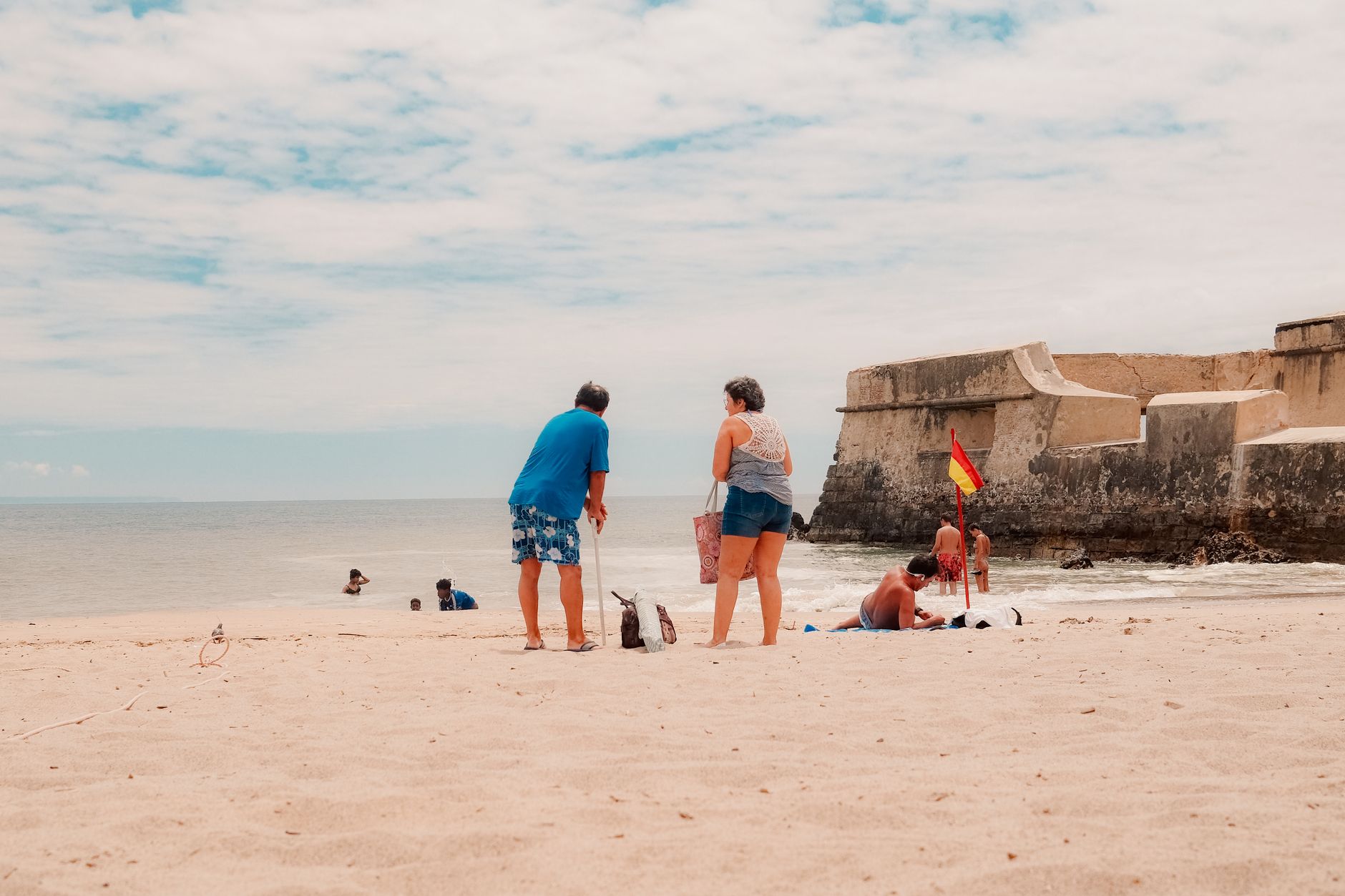




Somewhere beneath the sand on Viligili, a mound once rose near the reef edge before the currents took it. Local memory holds it was probably a Buddhist stupa — which means this small island in Gaafu Alif Atoll has been shaping and losing its past long before anyone thought to write it down. The nearest major airport is Kooddoo, and the distance from Malé — 378 kilometres south — keeps the island firmly outside the resort circuit.
What remains is an inhabited island where the pace is set by the people who actually live there. The mosque anchors daily rhythm. The reef is close. And if you look carefully at old photographs, you can still find traces of the intricate decorative patterns that once covered Viligili's fishing boats — a tradition that quietly ended in the 1970s.
💛 What travellers fall for
People who make it back tend to mention the same thing: the boats. Not the modern ones, but conversations with older islanders about the painted patterns their fathers used. It's the kind of detail that doesn't appear on any sign — you find it by sitting still long enough that someone decides to tell you.
Deals in Viligili
Book directly at the provider


How Viligili came to be
The historical record for Viligili is thin on dates but long on suggestion. The eroded mound near the reef — likely a Buddhist stupa, according to local account — points to settlement and spiritual practice well before Islam arrived in the Maldives in the twelfth century. That kind of layered past is common across these atolls, though rarely documented island by island.
The detail that survives most vividly is cultural rather than architectural: Viligili's boat owners once decorated their fishing vessels with elaborate, varied patterns. By the 1970s the practice had stopped. What ended it, exactly, isn't recorded — but the loss sits in local memory the way these things do, quietly and with some weight.
Who and what shaped it
Landmark buildings
See Viligili in motion
Plan your visit
On the map
When to go
Temperatures hold between about 79°F and 87°F year-round, with little variation. December through April brings drier, calmer conditions; from May onward the southwest monsoon arrives, with heavier rain and stronger winds — still warm, but less predictable for reef activities.
Right now
Background & history adapted from Wikipedia (CC BY-SA) · specs from Wikidata (CC0) · weather from Open-Meteo · map data © OpenStreetMap contributors · photos from Wikimedia Commons / Unsplash with per-image credit. No third-party reviews or social posts reproduced.