
Kulhudhuffushi
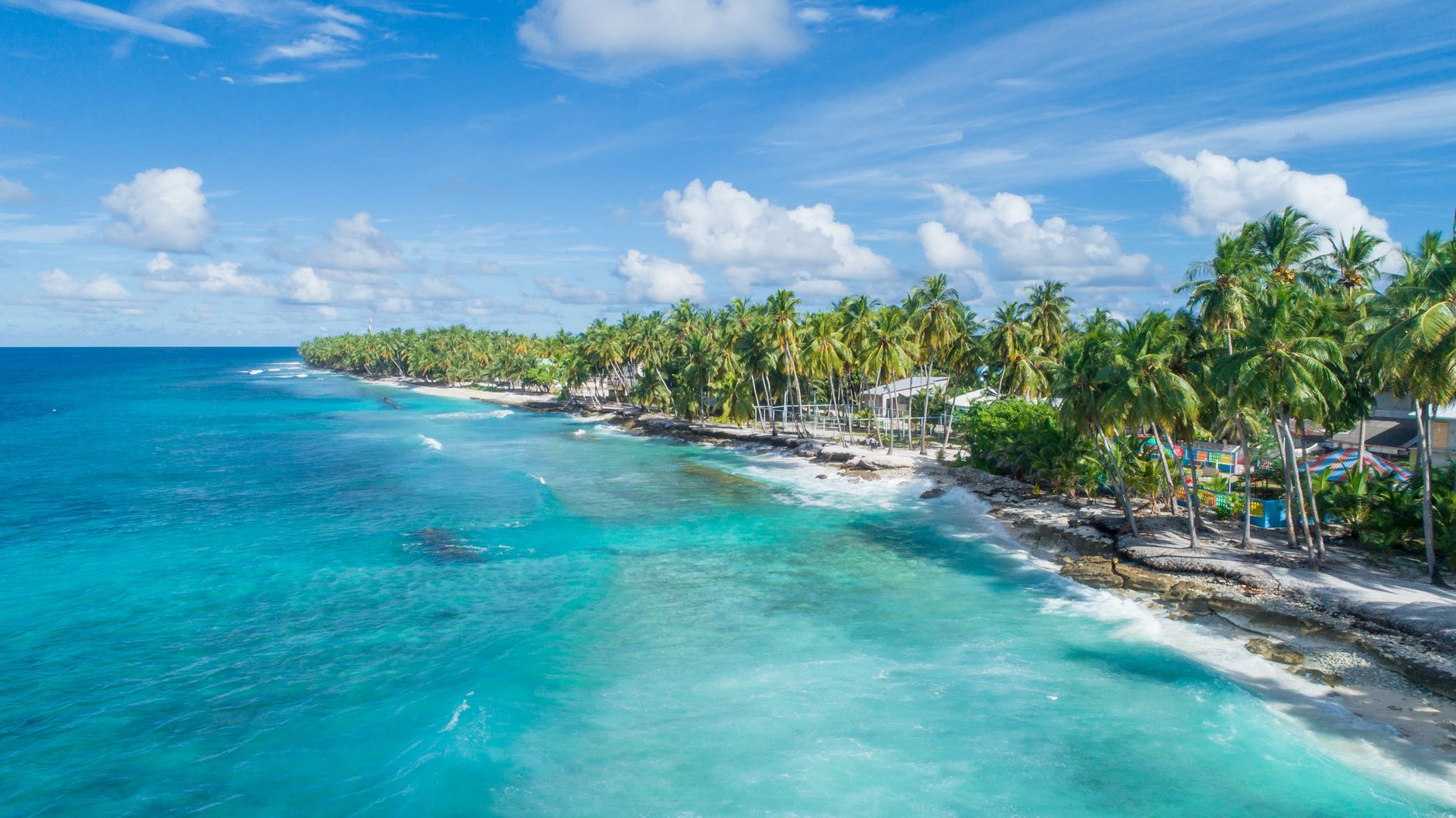
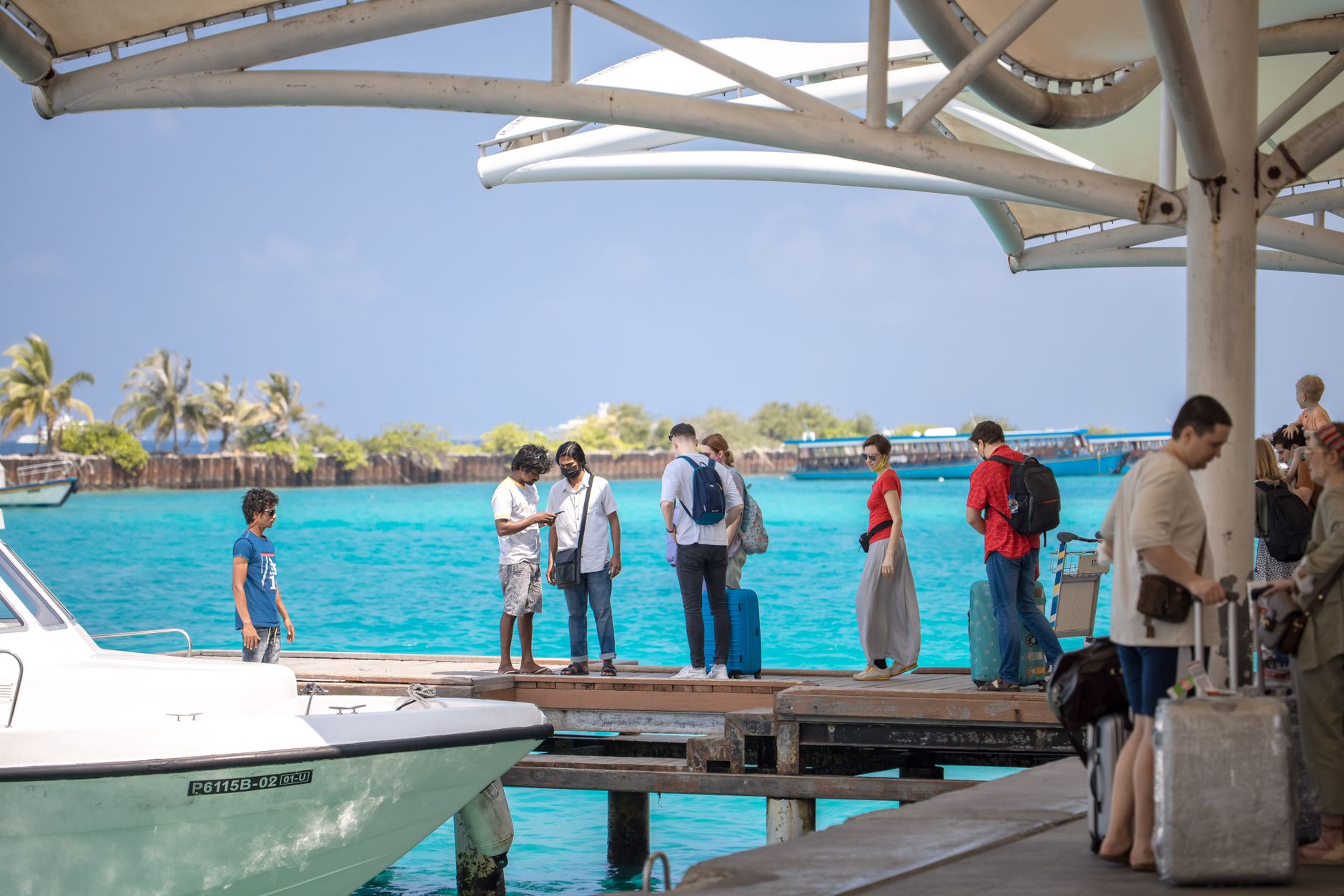

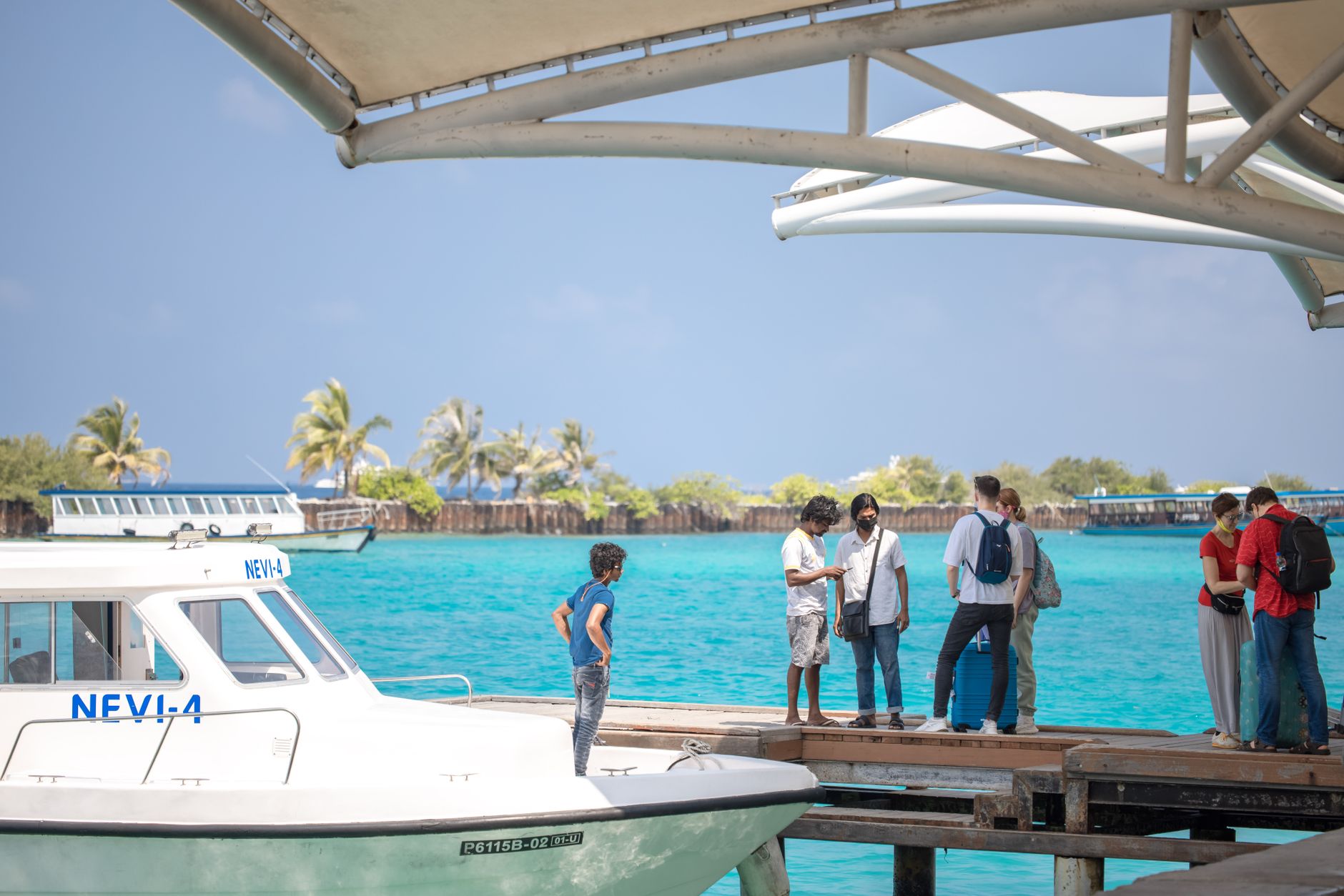
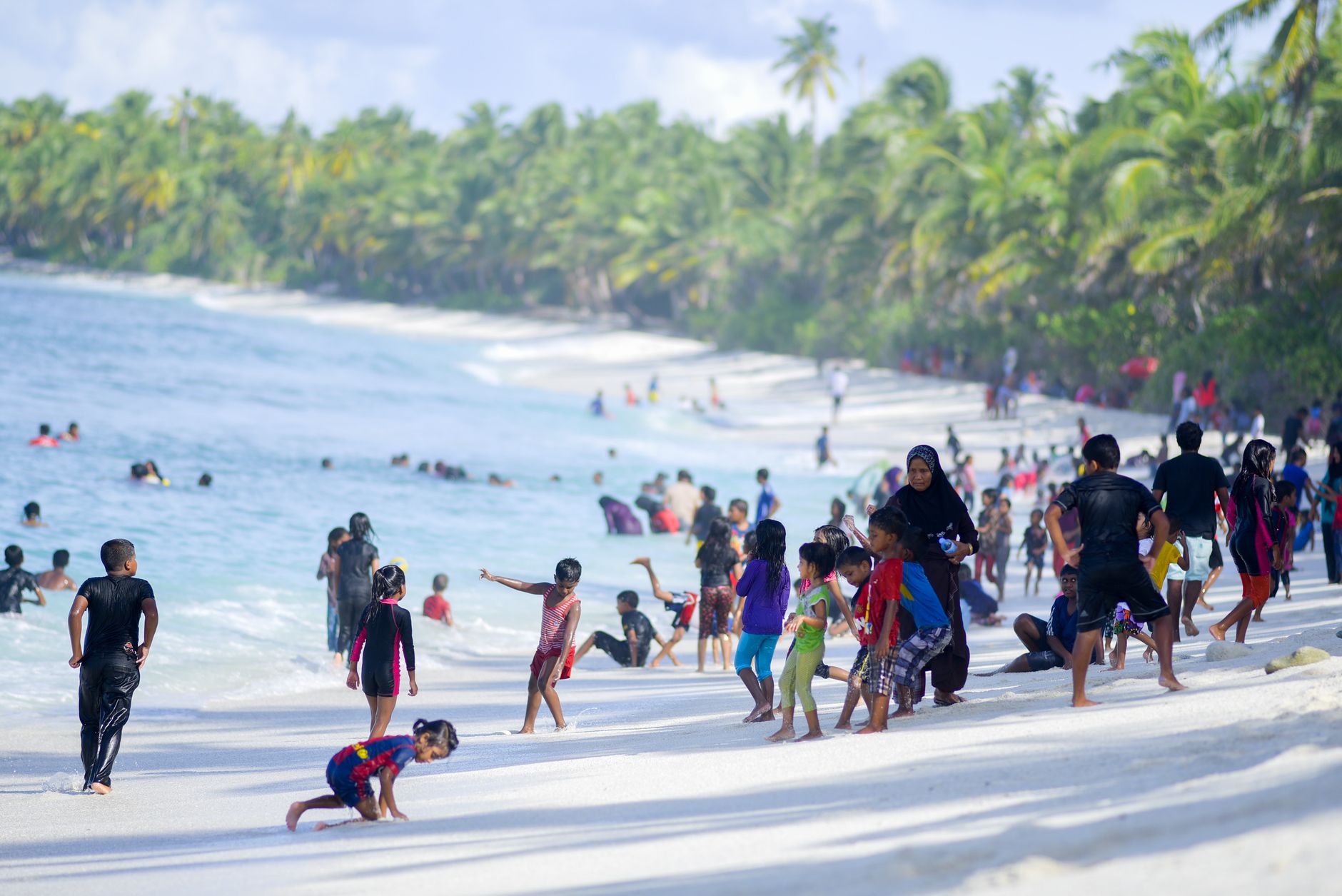

Kulhudhuffushi sits at the northern edge of the Maldives, far enough from Malé that it has developed its own character rather than reflecting the capital's. It is the administrative hub of Haa Dhaalu Atoll — a status formalised by the Decentralization Act of 2010, and then city status granted by presidential decree on 1 January 2020. The island is compact enough to cross on foot, yet it holds a regional hospital serving three northern provinces, an airport that opened in 2019, and the only mangrove forest of its kind in the Maldives.
The mangrove forest, known locally as Mashi Kulhi, is reason enough to linger beyond a transit stop. On Saturday mornings, Bandaara Road fills with farmers selling produce and domestic food — a weekly rhythm that tells you more about how this island actually lives than any monument could.
💛 What travellers fall for
People who pass through more than once tend to mention the Saturday market first. Go early, before the shade runs out. The Hukuru Miskiy Mosque rewards a slow look — the carvings on a 500-year-old building in the northern Maldives are not what most visitors expect to find here, and that surprise is worth sitting with.
Deals in Kulhudhuffushi
Book directly at the provider
How Kulhudhuffushi came to be
Pottery, tools and burial sites point to settlement here since around the 5th century BCE, with Indo-Aryan peoples among the earliest inhabitants. By the early 20th century the island had become the principal trade and craft centre for the northern archipelago, and the 1960s brought deliberate development of maritime connections between atolls. The island's history is not only one of growth: storms in 1812, 1819 and 1921 caused serious damage, and the Keylakunu storm cut the population roughly in half.
In the 1940s, residents of Kulhudhuffushi led Thiladhunmathi Atoll in open rebellion against Malé over what they saw as unjust governance of the north — a chapter that still shapes how the island understands its relationship with the capital, and perhaps explains why formal recognition of its autonomy, when it finally came in 2010 and 2020, carried real weight.
Who and what shaped it
People who shaped it
Landmark buildings
See Kulhudhuffushi in motion
Plan your visit
On the map
When to go
December through February is the most settled time to visit: humidity drops to around 72 percent, rainfall is minimal, and you can expect eight or nine hours of sun a day. From May through August the monsoon takes hold — June brings nearly 200mm of rain and winds up to 27 km/h, though temperatures stay close to 30°C year-round regardless of season.
Right now
Background & history adapted from Wikipedia (CC BY-SA) · specs from Wikidata (CC0) · weather from Open-Meteo · map data © OpenStreetMap contributors · photos from Wikimedia Commons / Unsplash with per-image credit. No third-party reviews or social posts reproduced.