


★★★★★
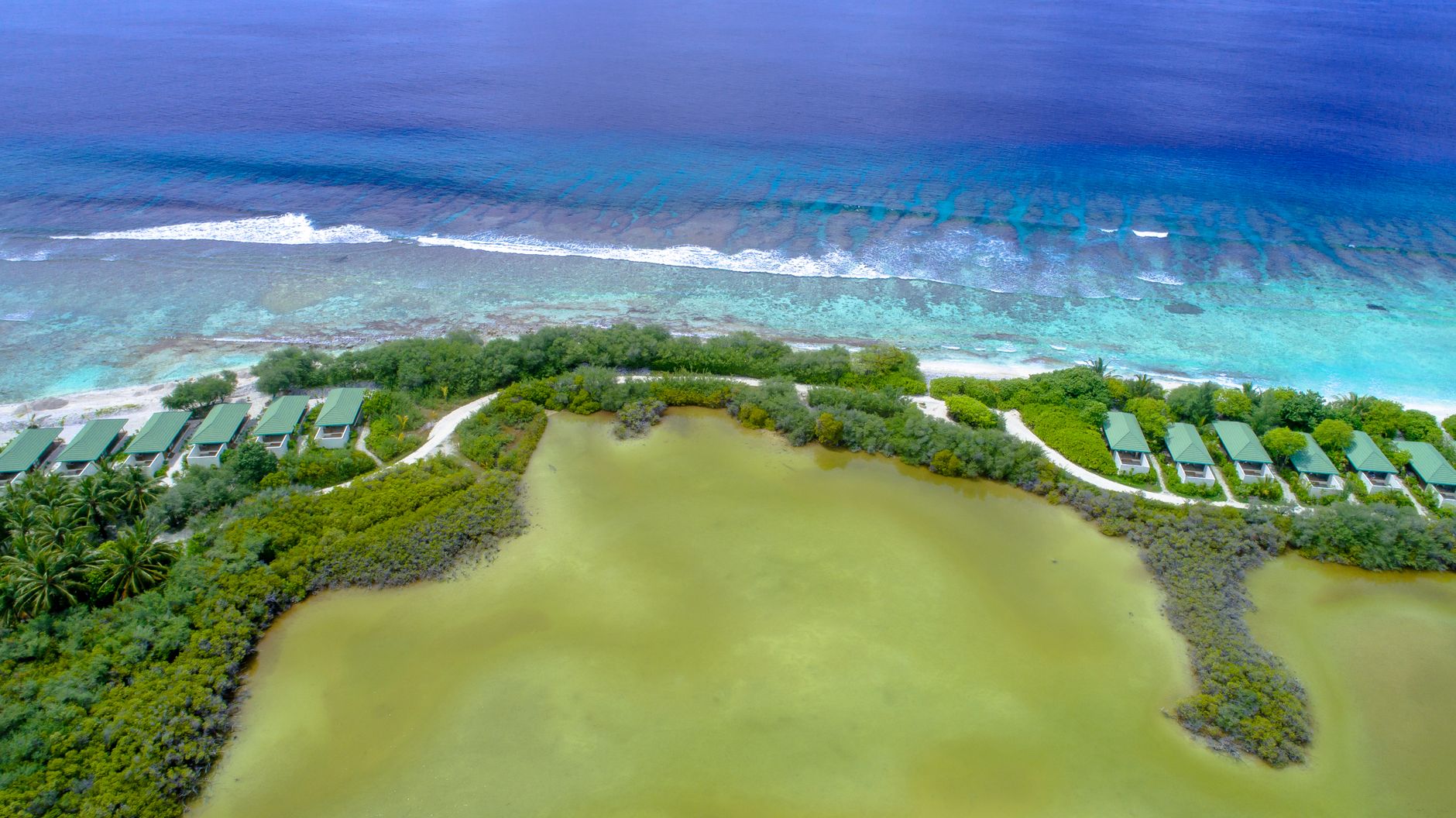
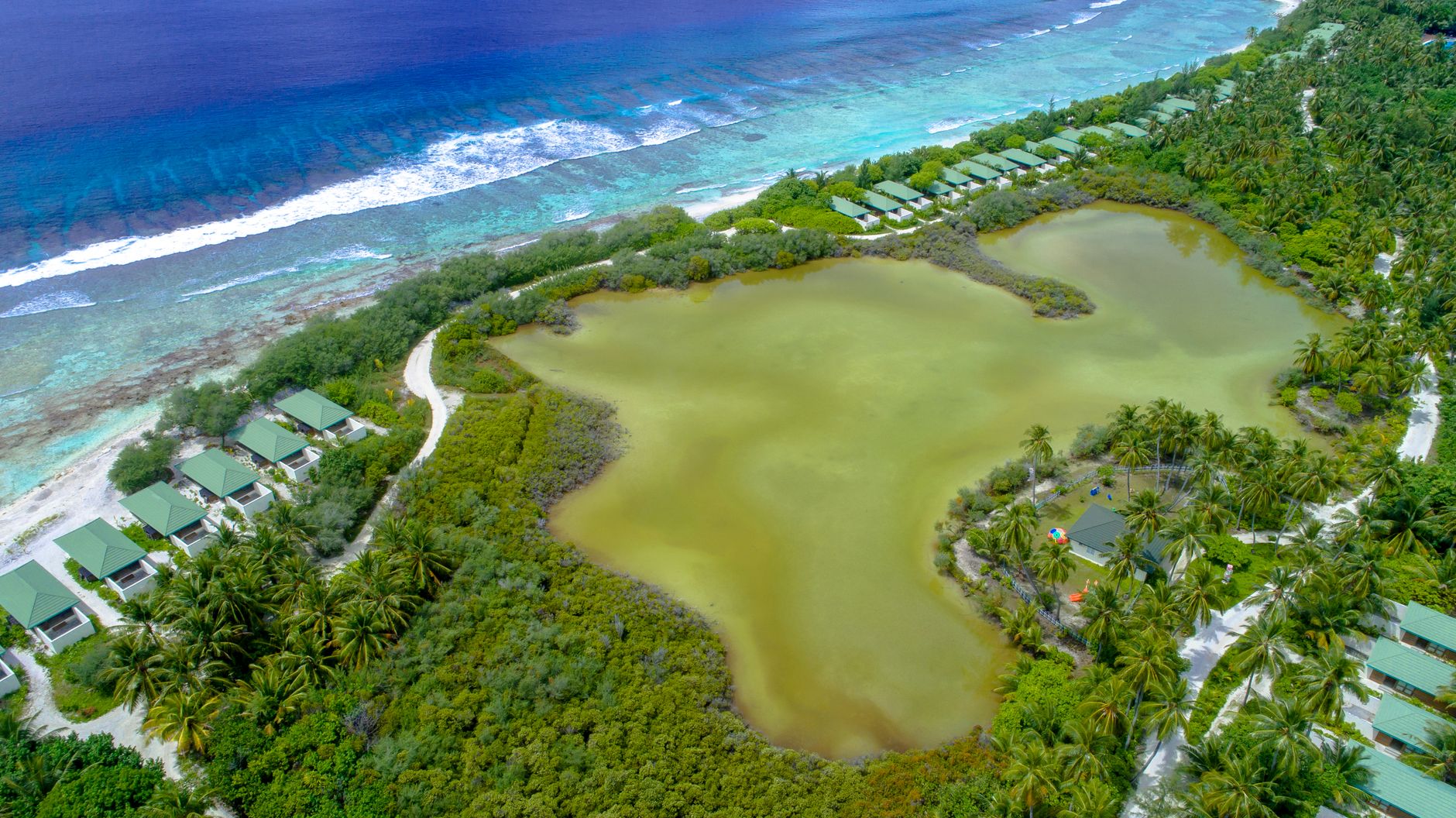
Addu City Hithadhoo is most beautiful and greenery location with echo gardens and wetlands for Nature lovers
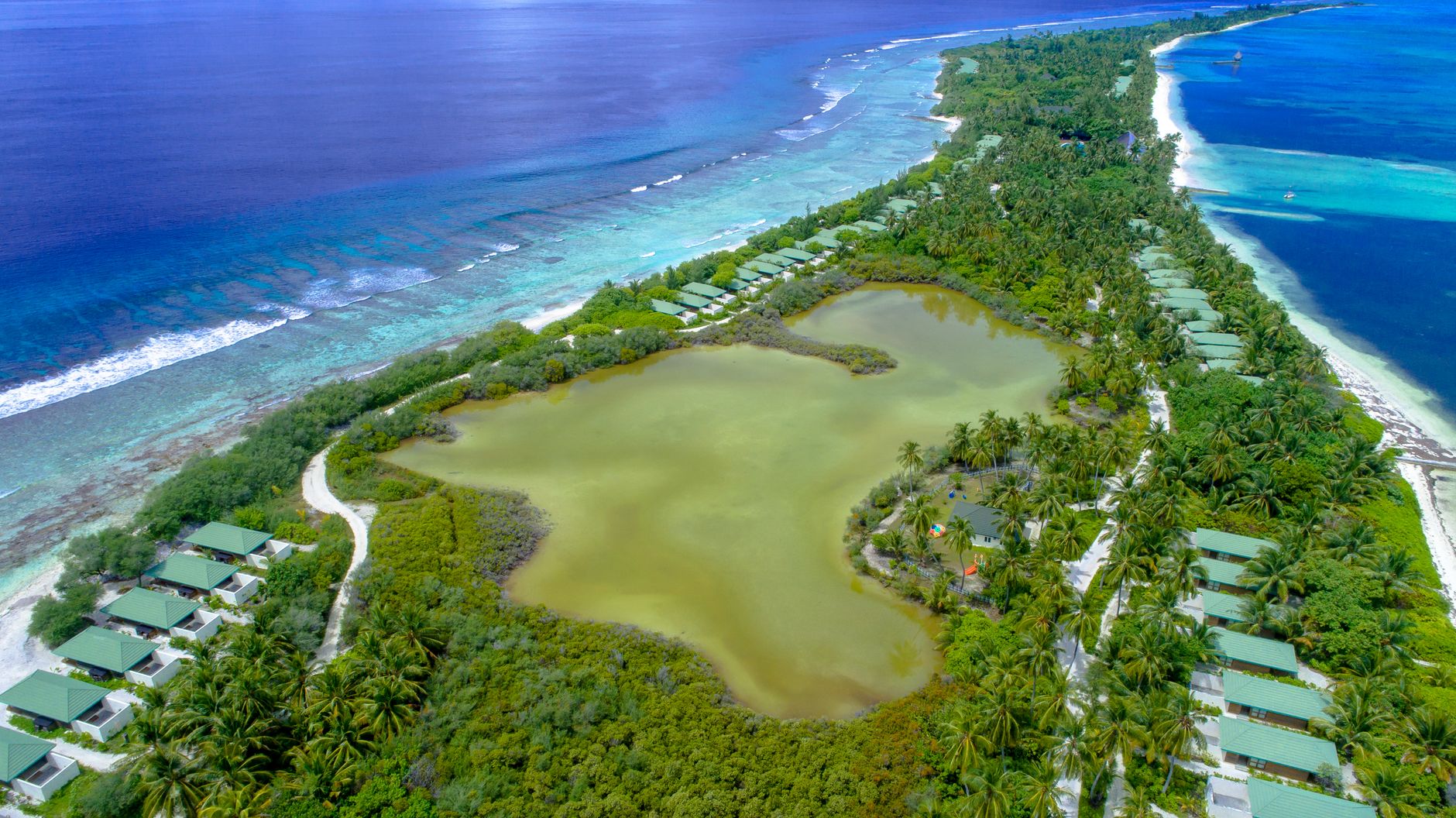
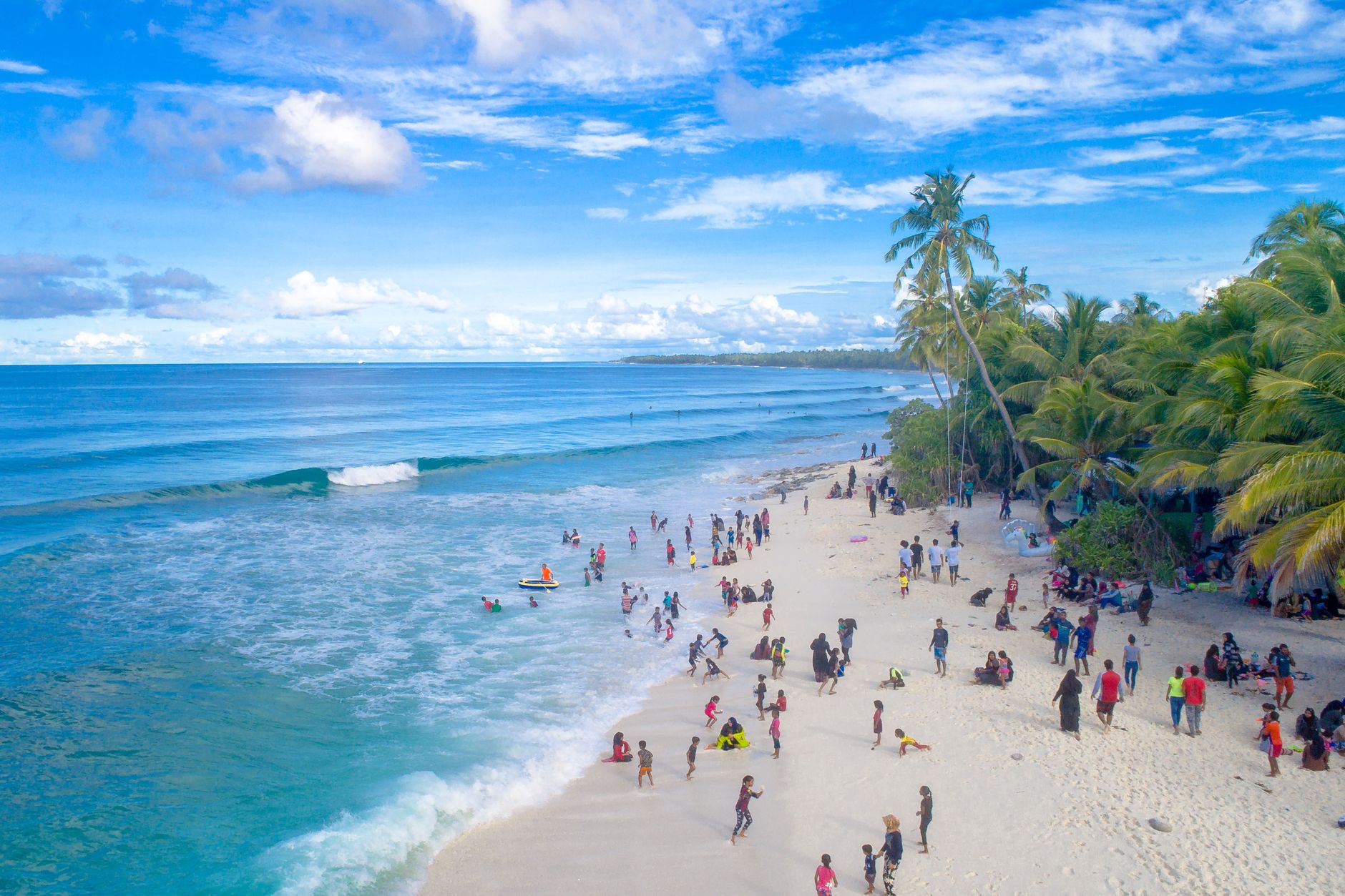


Addu City sits at the southern tip of the Maldives, so far from Malé that it once declared itself a separate republic. The atoll curves into a near-complete ring, and a 14-kilometre causeway stitches five of its islands together — so you can cycle from the old RAF runway on Gan all the way to Hithadhoo without touching water. That road alone tells you this place works differently from the postcard Maldives.
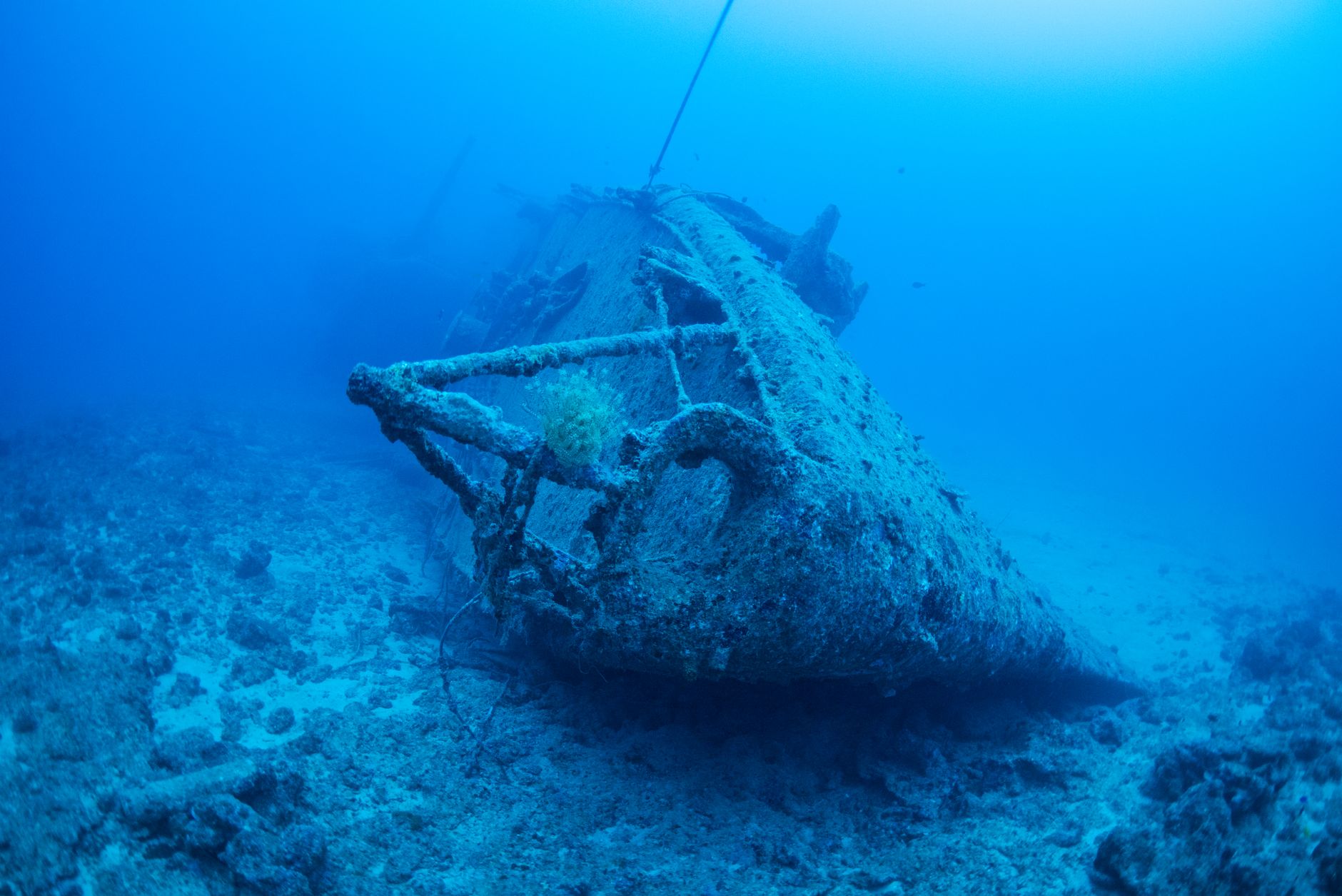
The islands here carry real sediment: Buddhist stupa mounds beneath the soil, a 900-year-old cemetery on Meedhoo, wartime oil tanks half-swallowed by vegetation. People live ordinary, unhurried lives across those linked islands, and the atoll's deep natural harbour — the feature that drew the British Navy in 1941 — still gives everything a sense of scale that the resort atolls rarely offer.
Regulars tend to mention the same morning: renting a bicycle on Gan, riding past the old RAF buildings in the early light before the heat arrives, then looping back along the causeway with the lagoon on both sides. The ferry crossing from Feydhoo to Hulhumeedhoo for 25 rufiyaa is another one people bring up — slow, cheap, worth it.
Settlement on these islands stretches back at least 2,000 years, with traces on Meedhoo dating to around 2000 BCE. Before Islam arrived roughly 800 years ago, the atoll followed the same Buddhist traditions as the wider archipelago — stupa-shaped mounds and vihara foundations still lie beneath the surface of Gan and Hulhumeedhoo. The conversion to Islam reshaped daily life, and the Koagannu Cemetery on Meedhoo, the oldest and largest in the Maldives, records that transition in stone.
The 20th century brought an entirely different kind of outside interest. In August 1941, Royal Navy construction crews landed on Gan to build a secret base — HMS Haitan — exploiting the atoll's deep anchorage for the Eastern Fleet. It transferred to the RAF in 1957 and closed in 1976. Fifteen years before that closure, the prosperity the base generated helped fuel a rebellion: on 13 March 1959, Addu joined Fuamulah and Huvadhoo to declare the United Suvadive Republic, seeking autonomy from Malé. The republic was suppressed by 1963, and the central government tightened its grip — a chapter the atoll has not entirely forgotten.
The northeast monsoon, roughly November through April, brings drier, calmer conditions and is the more comfortable time to visit. The southwest monsoon from May to October delivers heavier rain and rougher seas, though the causeway islands remain accessible and the crowds thin considerably.
Addu City Hithadhoo is most beautiful and greenery location with echo gardens and wetlands for Nature lovers
It was very nice,and enjoy this time
I lived there for a year (RAF) lovely island and fantastic people in1971
im in addu and trust me it is bieutiful
Beautiful and authentic
Background & history adapted from Wikipedia (CC BY-SA) · specs from Wikidata (CC0) · weather from Open-Meteo · map data © OpenStreetMap contributors · photos from Wikimedia Commons / Unsplash with per-image credit. No third-party reviews or social posts reproduced.
We started Yeppa because finding real travel inspiration felt harder than it should be. The site is young and we're a small team, so we genuinely need the help of early visitors like you: if anything looks broken, odd or just plain wrong, we'd love to hear about it.
Tell us what you ran into: a broken link, a wrong photo, anything odd. We read every message.
Your note is on its way to us. It makes Yeppa better for everyone.
Subscribe to the newsletter and get travel deals & inspiration for trips that start near you.
Check your inbox and confirm your subscription. From then on we'll send you travel deals & inspiration.