
Thinadhoo
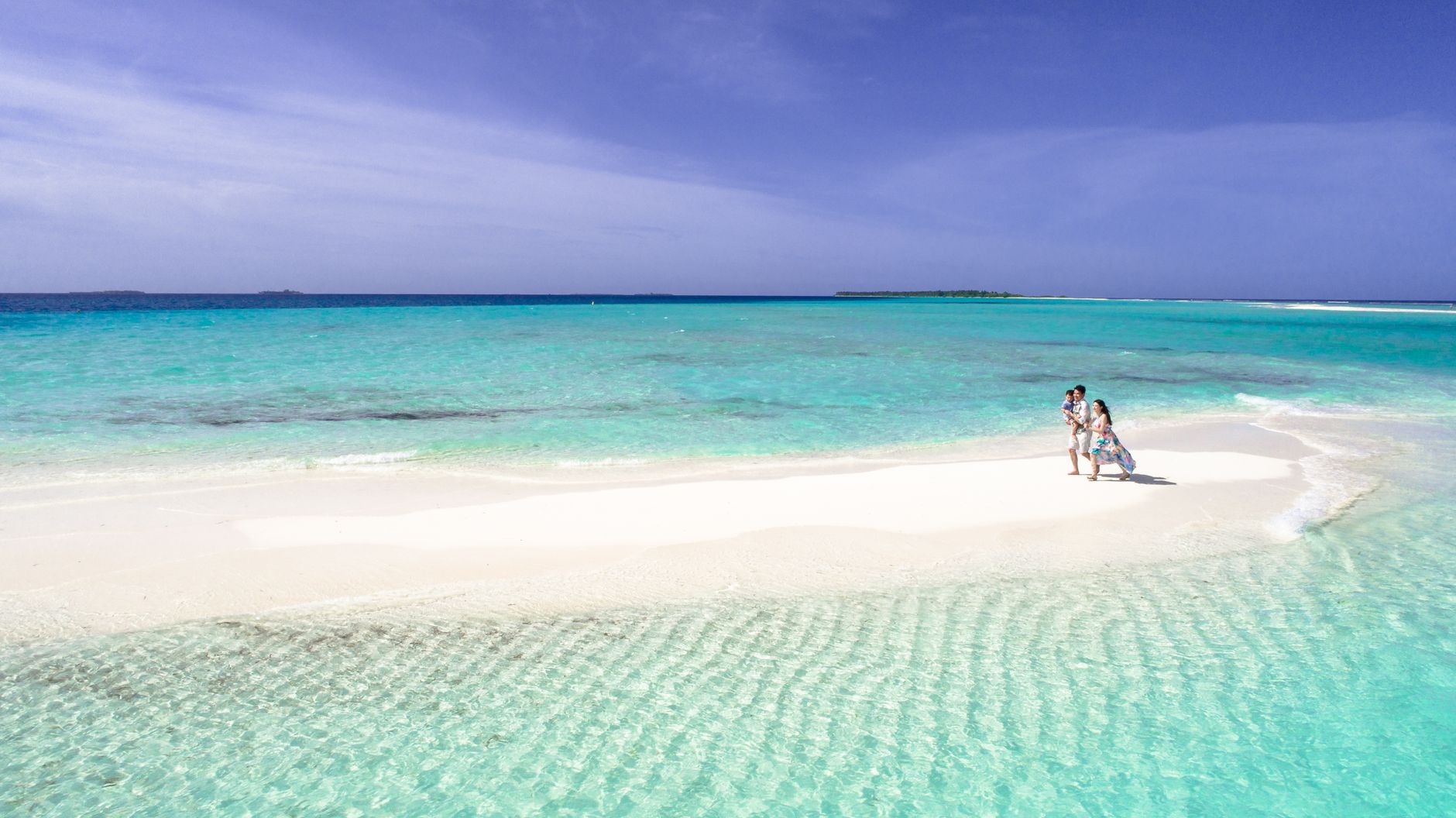
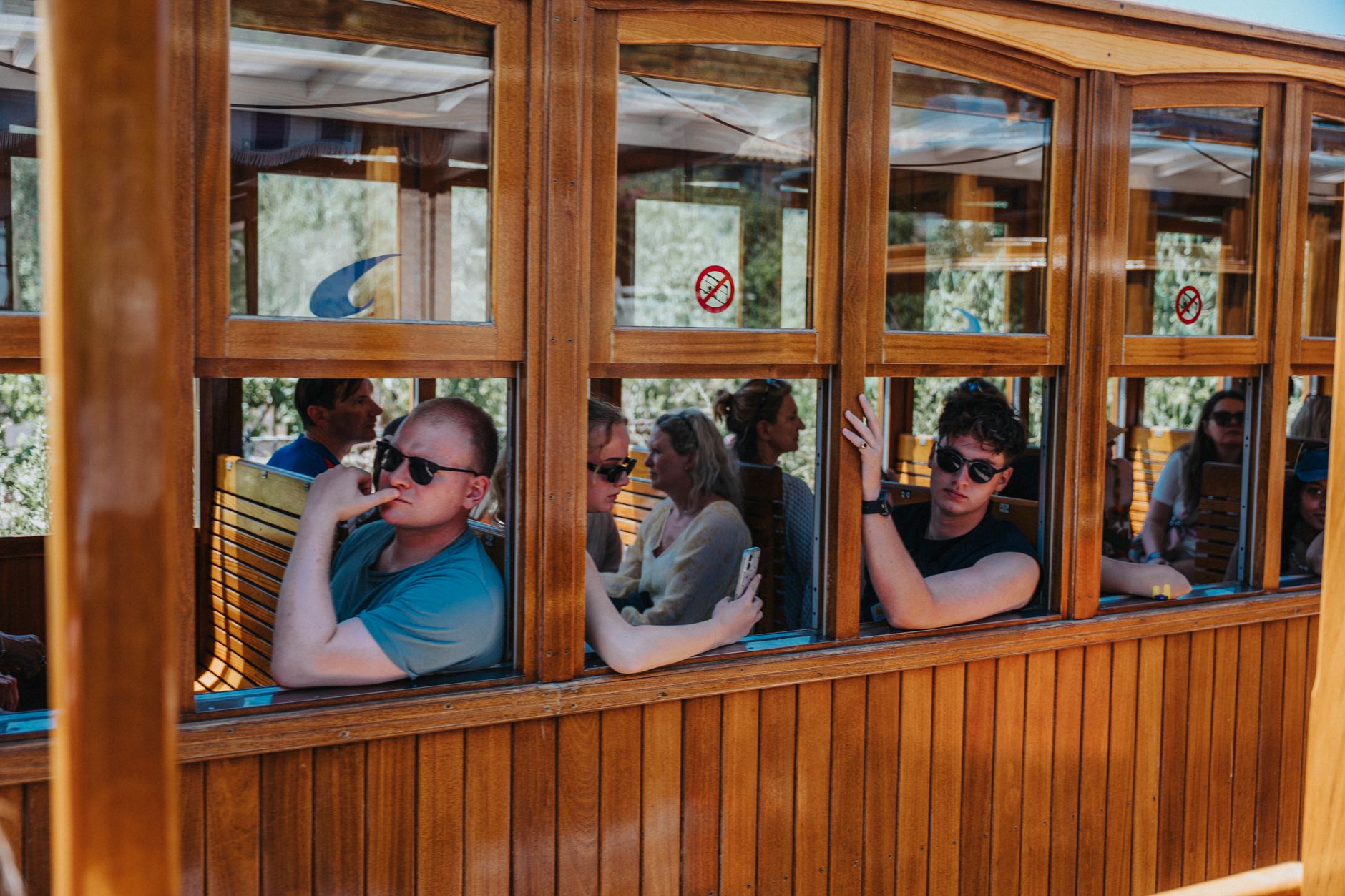
Thinadhoo sits at the edge of Huvadhu Atoll, 407 kilometres south of Malé, and its name comes from a pantropical weed — Euphorbia hirta, known locally as thina vina — that once covered the island. That botanical footnote turns out to be the least surprising thing about the place. At 600 metres long and 180 metres wide, the whole island is walkable in under ten minutes, yet it carries a history that makes most Maldivian destinations seem quiet by comparison.
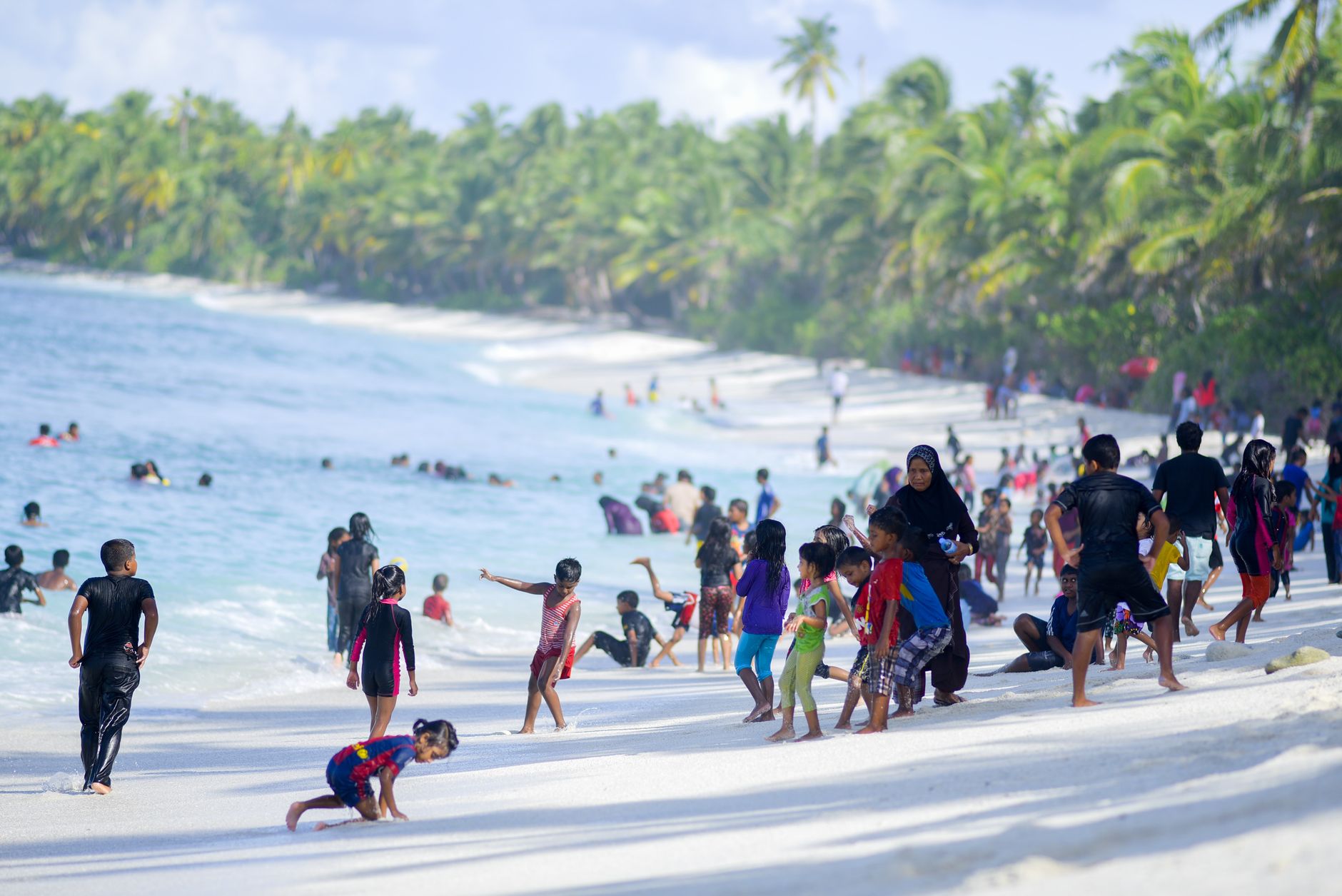
Fewer than fifty tourist beds keep the place genuinely unhurried. Dhoni boat-building still happens here in the open air, coral-stone walls still line the older lanes, and the cemetery near the mosque holds tombstones carved centuries ago. You come to Thinadhoo not for a resort experience but for something closer to the actual texture of southern Maldivian life.
💛 What travellers fall for
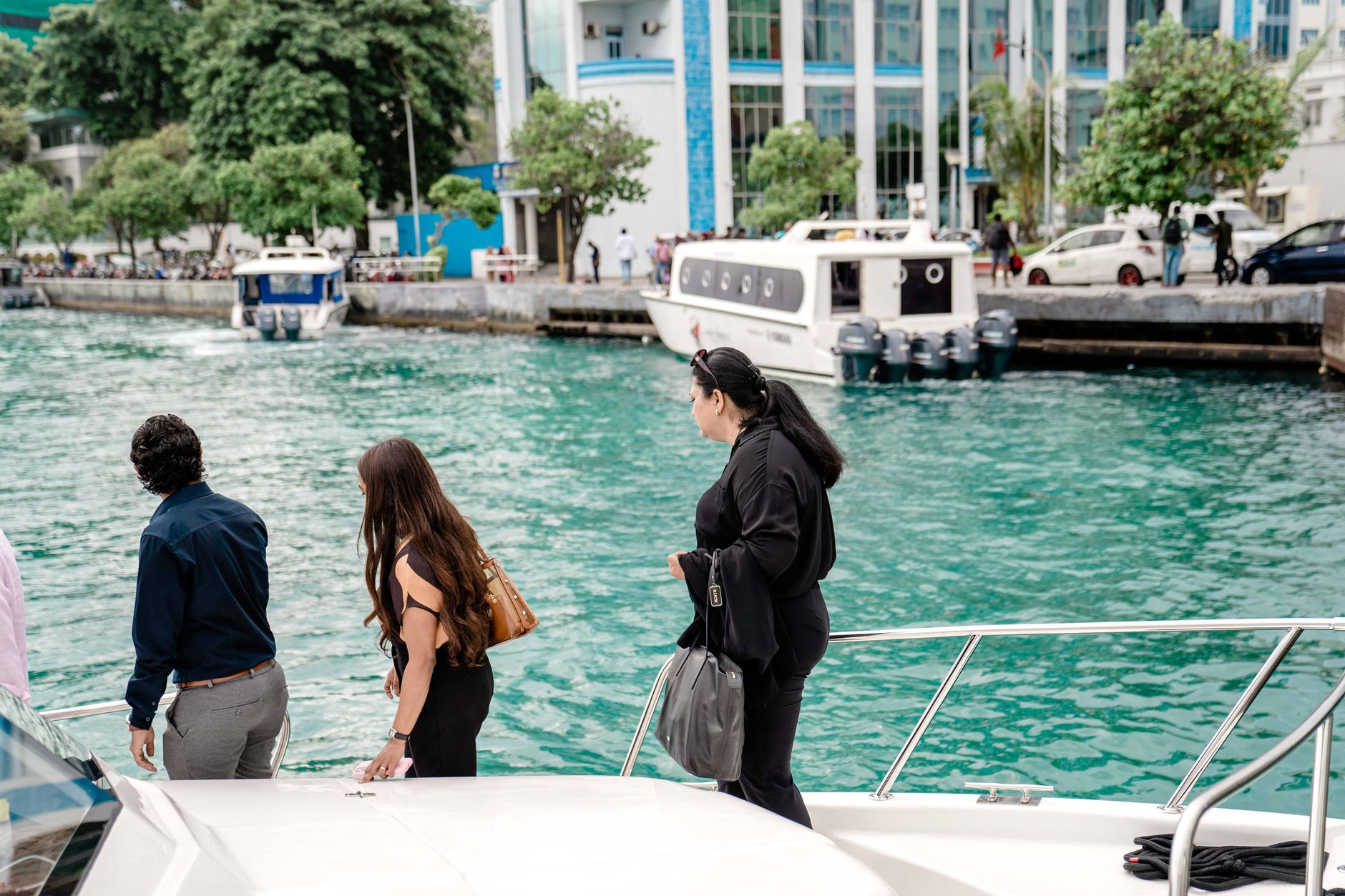
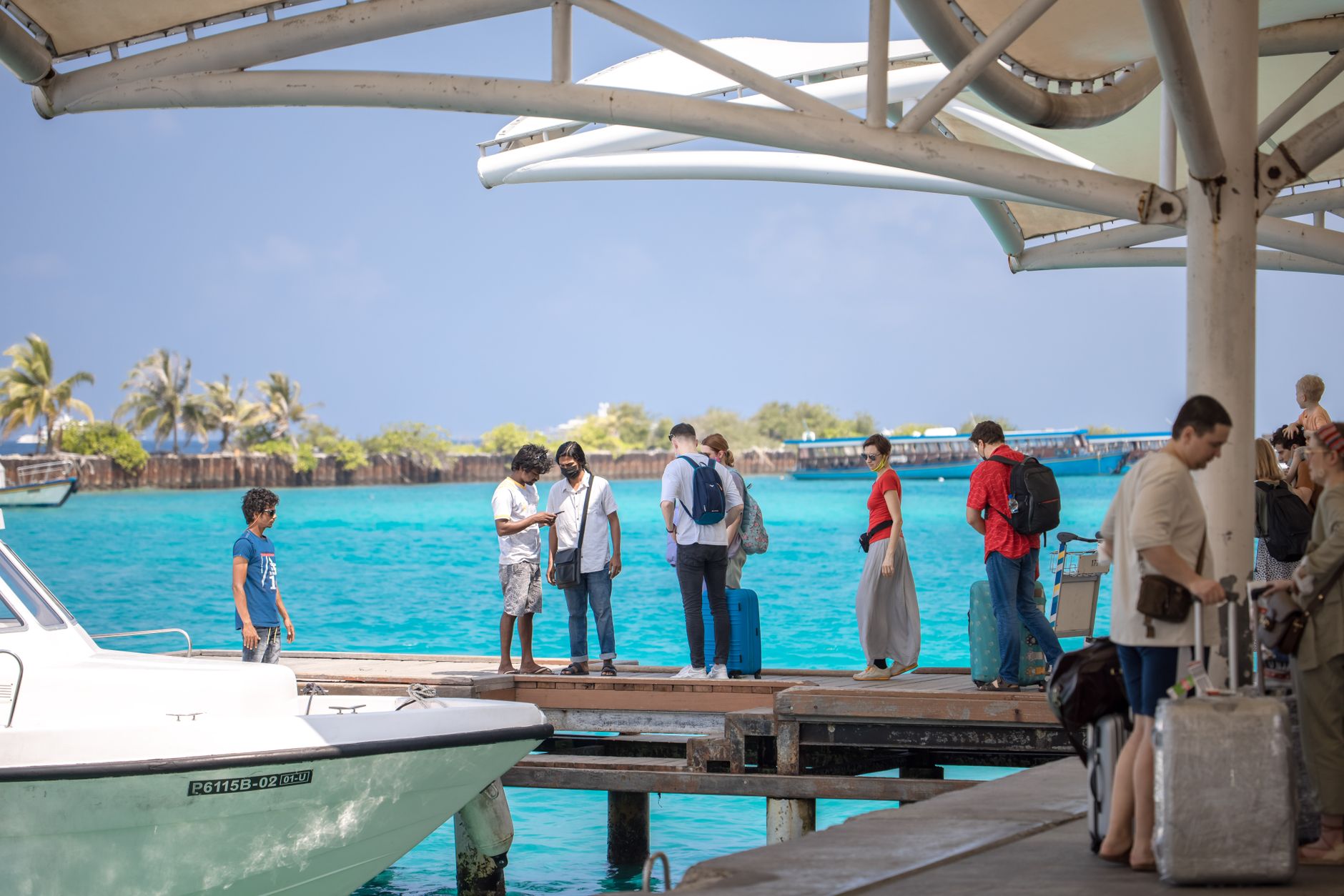
People who return tend to mention the same thing: arriving by speedboat from Kaadedhdhoo — the five-minute crossing across flat turquoise water — and then realising the entire island is smaller than a city block. Walk the perimeter before breakfast, they say, and you'll have the lanes almost to yourself before the heat settles in.
Deals in Thinadhoo
Book directly at the provider

How Thinadhoo came to be
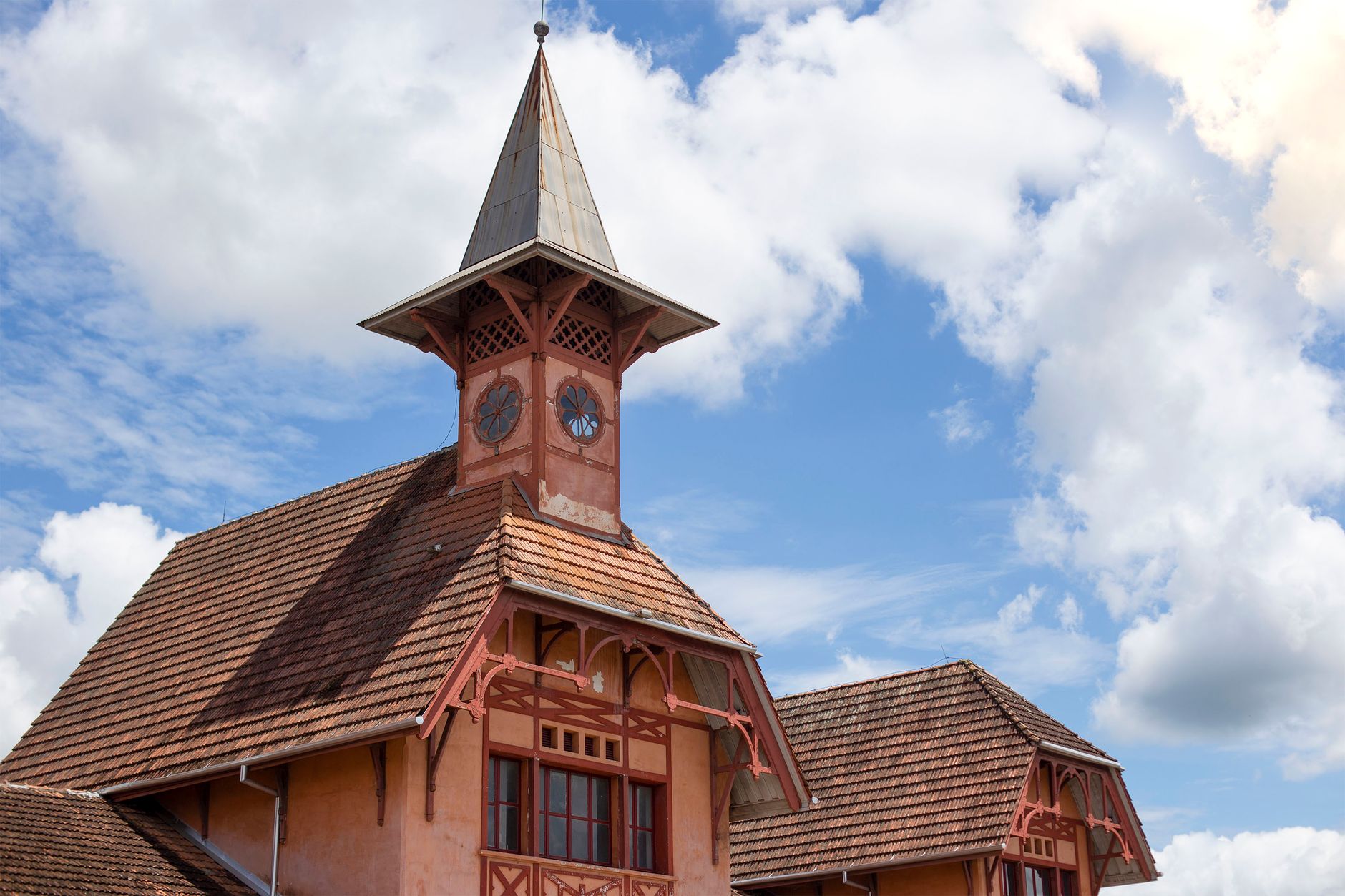
Before 1962, Thinadhoo was known as Havaru Thinadhoo and was the wealthiest island in the Maldives — the traditional seat of the Atoll Chief. In July 1959, the southernmost atolls, enriched by trade around the British presence, broke from Malé and declared the United Suvadive Republic. The republic's leaders, Olha Didi and Hassan Didi, were both nineteen years old when elected. The Maldivian government's response came on 4 February 1962, when Prime Minister Ibrahim Nasir led an armed gunboat to the island and ordered it razed entirely.
The island was left uninhabited for four years. On 22 August 1966, 1,800 people resettled it. The name was shortened from Havaru Thinadhoo to Thinadhoo in 1979, and on 30 August 2023, President Ibrahim Mohamed Solih formally elevated it to city status — the southernmost city in the Maldives.
Who and what shaped it
People who shaped it
Landmark buildings
See Thinadhoo in motion
Plan your visit
On the map
When to go
Thinadhoo runs warm year-round, between 30°C and 32°C, with the southwest monsoon bringing heavier rain from mid-May through November. January to March is the driest stretch; if you want calmer seas and clearer skies, that window — or October and November on the tail of the wet season — is when the island is at its most agreeable.
Right now
Background & history adapted from Wikipedia (CC BY-SA) · specs from Wikidata (CC0) · weather from Open-Meteo · map data © OpenStreetMap contributors · photos from Wikimedia Commons / Unsplash with per-image credit. No third-party reviews or social posts reproduced.