
Fuvahmulah
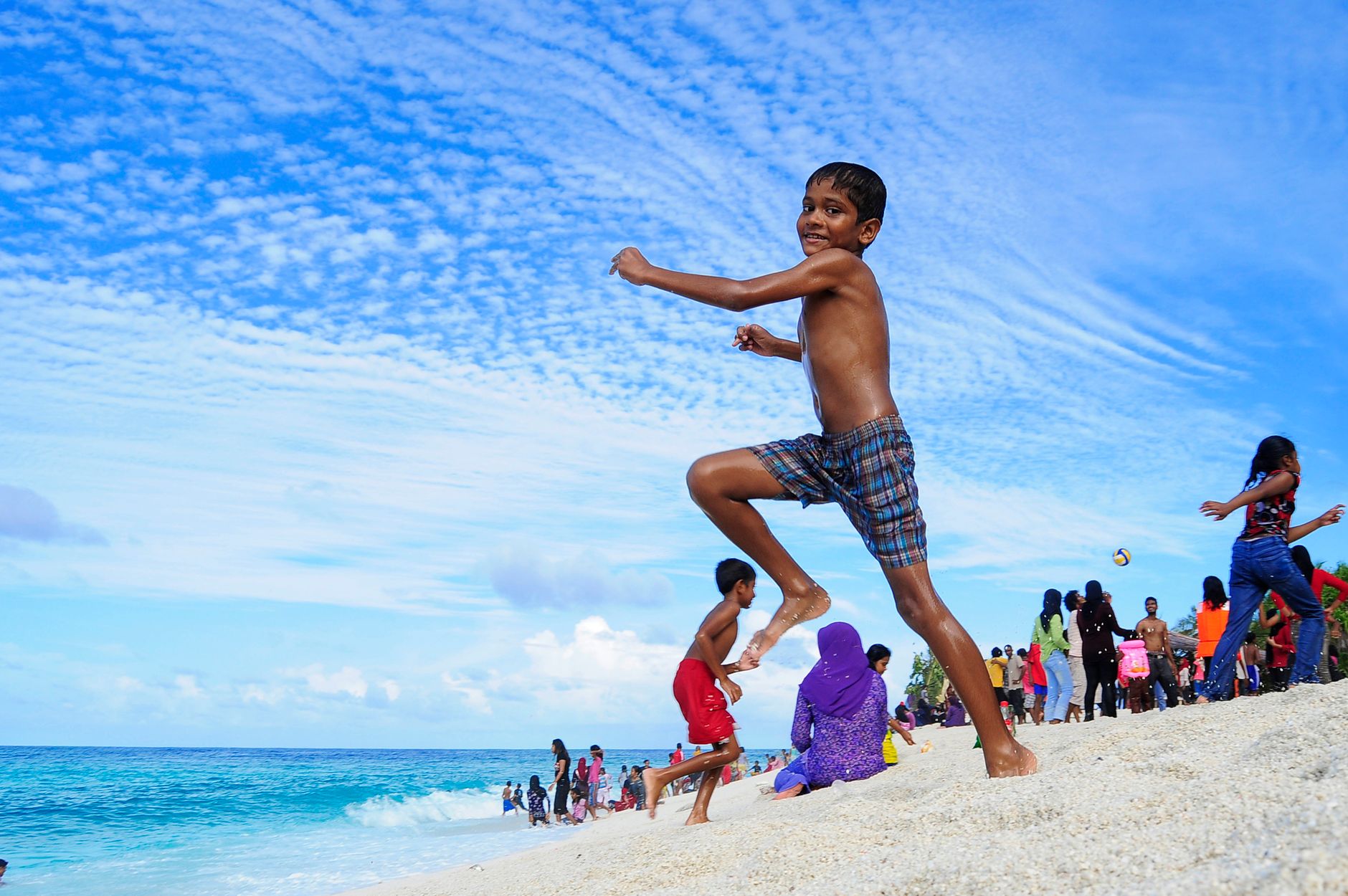
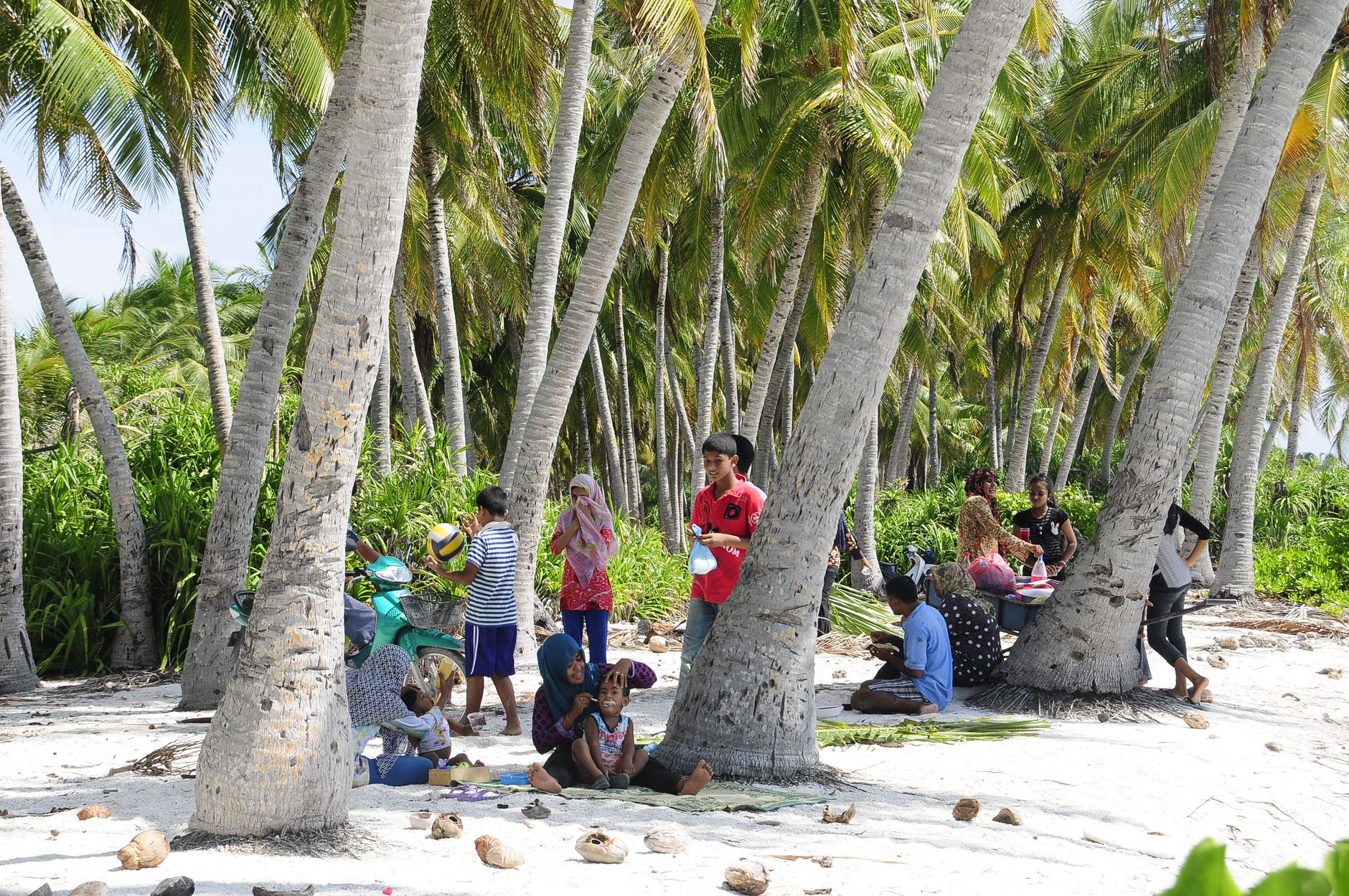
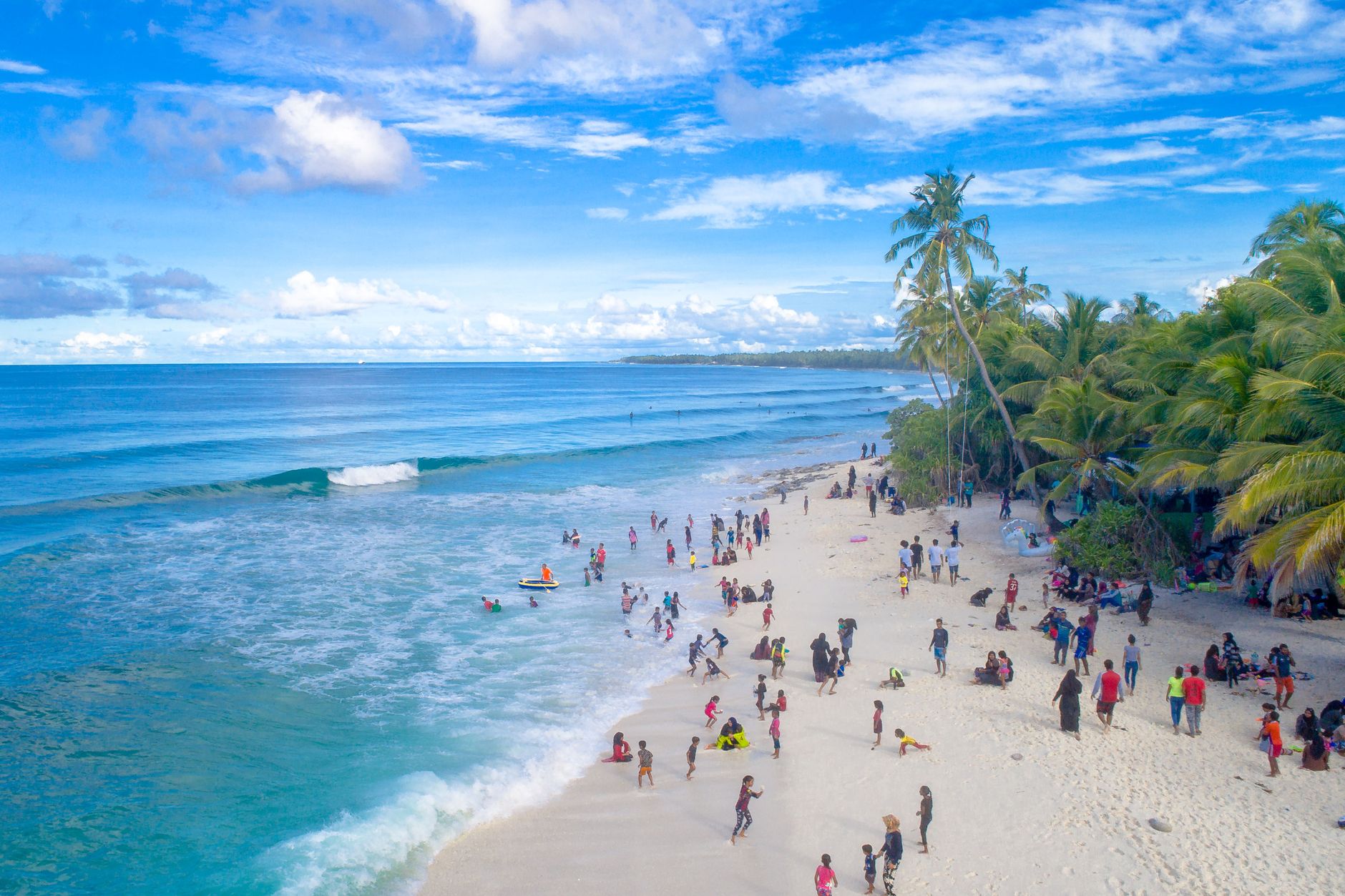
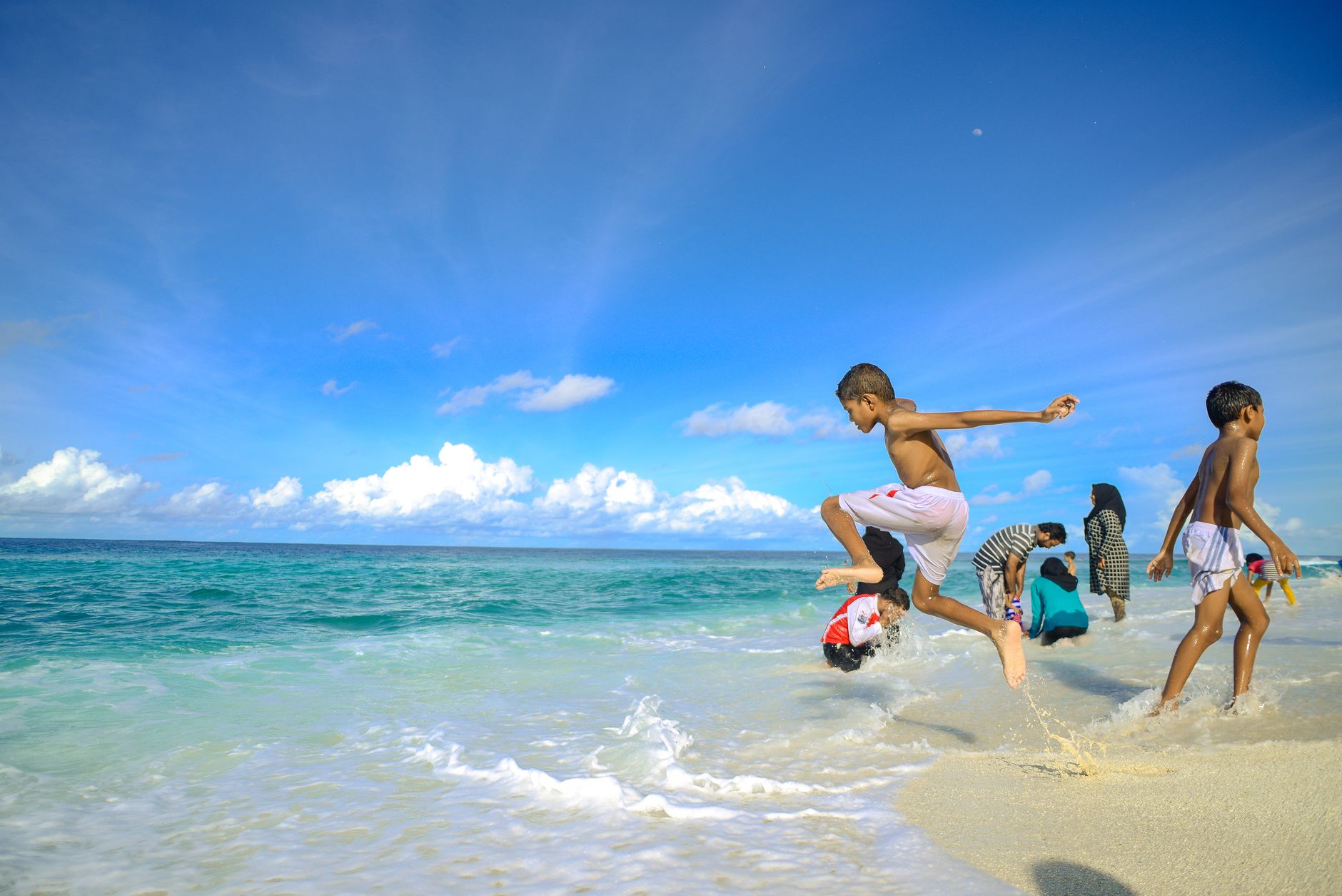
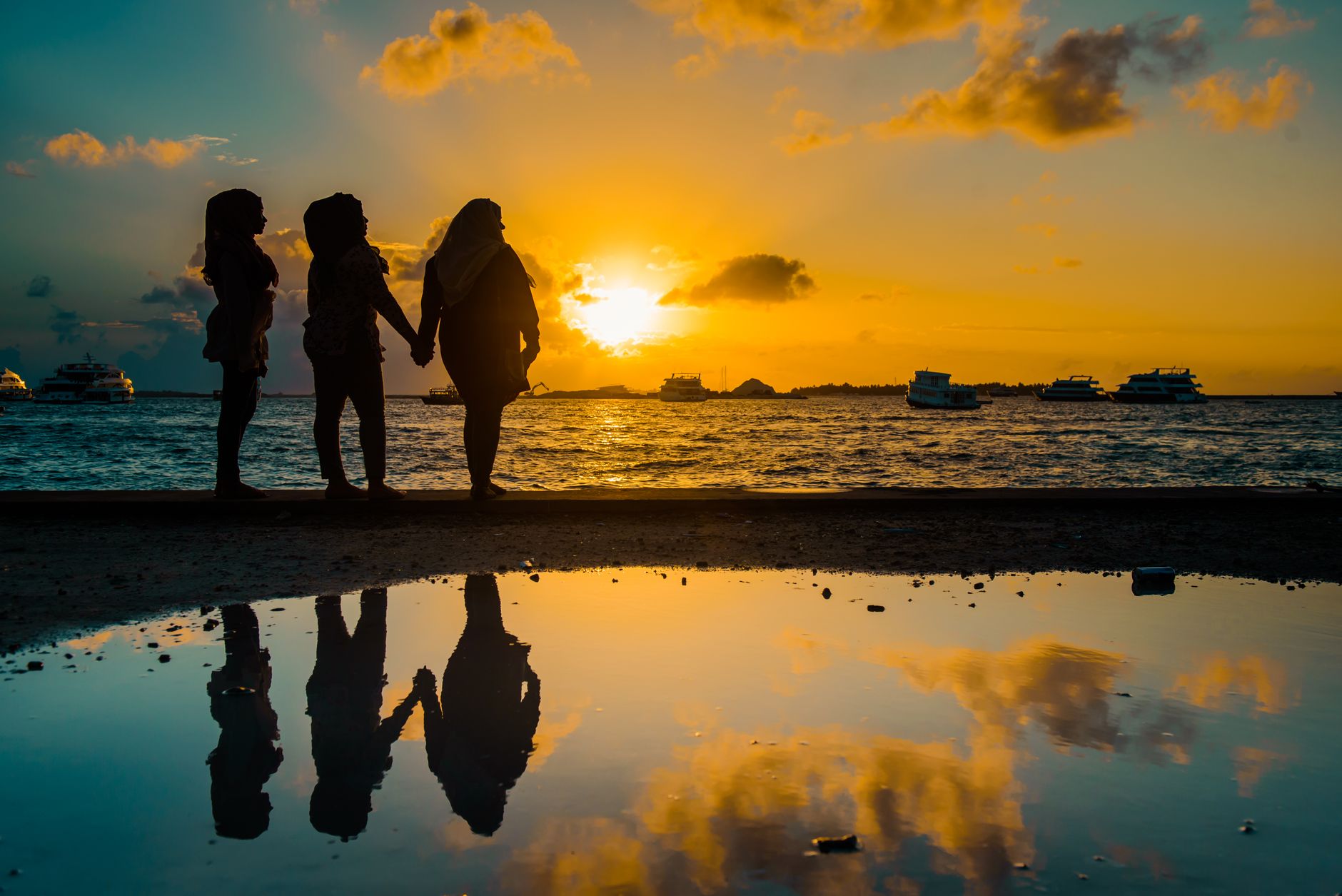
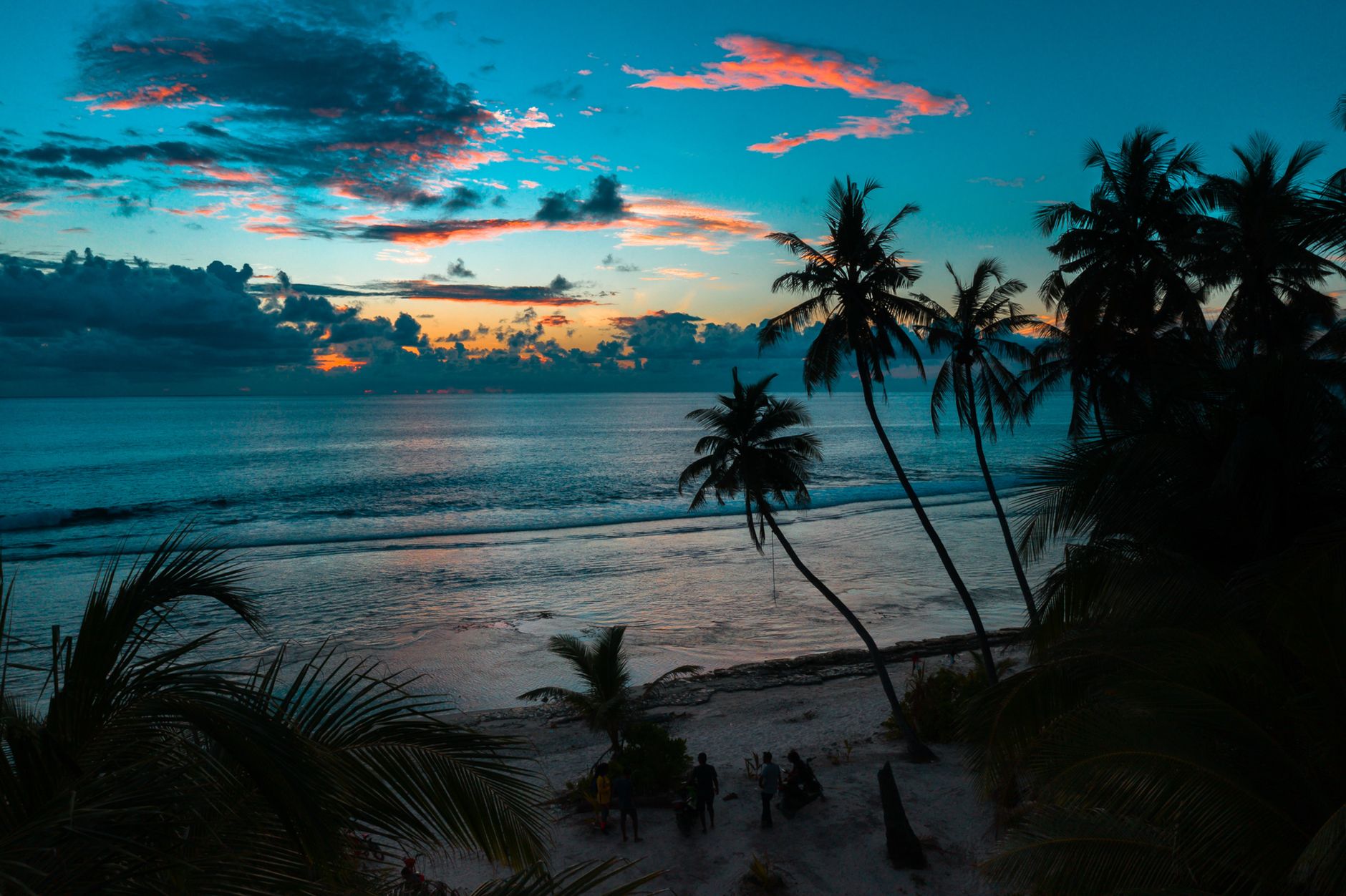
Fuvahmulah sits alone in the Indian Ocean — no atoll ring around it, just open water in every direction, which makes it the only single-island district in the Maldives. The name translates roughly as 'island of the areca nut palms,' and the place has always been a little apart from the rest of the archipelago: its inner lagoon lost its saltiness over centuries and is now two freshwater lakes, its northern beach is made of small white pebbles found nowhere else in the Maldives, and its waters draw tiger sharks close to shore with unusual regularity.
Since a domestic airport opened in 2011 and dive operators started arriving around 2017, the island has become a serious destination for shark diving. But the Buddhist stupa ruin, the coral-stone mosque from around 1300, and the ancient circular bath cut from Porites coral suggest a longer, stranger story than the dive briefings let on.
💛 What travellers fall for
People who come back tend to say the same things: go to Thoondu Beach at low tide when the pebbles are wet and catch the light, walk the Dhadimagu ward early before the heat settles, and ask at the dive shop about current conditions before booking — the shark encounters depend heavily on the day's tidal movement.
Deals in Fuvahmulah
Book directly at the provider

How Fuvahmulah came to be
A Buddhist chaitya — today called Fua Mulaku Havitta — still stands in ruins at the island's northeastern end, evidence of a pre-Islamic past that predates written records here. When the British archaeologist H.C.P. Bell examined it in February 1922, the stupa rose about forty feet. Thor Heyerdahl visited in November 1982 but was refused permission to excavate; by then, amateur digging had already damaged the site.
Islam arrived after the Maldivian king's conversion in 1153, and around 1300 a figure named Aboobakr Naib Kaleygefaanu built Gemmiskiy Mosque from coral stone — the oldest mosque in the Maldives, where the community still gathers for Eid prayers. Fuvahmulah later joined the short-lived United Suvadive Republic, a breakaway state formed by the southernmost atolls between 1958 and 1963 before rejoining the Maldives. Formal city status came only in 2017, by presidential decree.
Who and what shaped it
People who shaped it
Landmark buildings
See Fuvahmulah in motion
Plan your visit
On the map
When to go
The northeast monsoon from November through April brings drier air, lighter winds, and clearer water — the preferred window for diving. The southwest monsoon from May to October brings heavier rain and choppier seas, though the island remains accessible and the sharks don't leave.
Right now
Background & history adapted from Wikipedia (CC BY-SA) · specs from Wikidata (CC0) · weather from Open-Meteo · map data © OpenStreetMap contributors · photos from Wikimedia Commons / Unsplash with per-image credit. No third-party reviews or social posts reproduced.