
Ungoofaaru
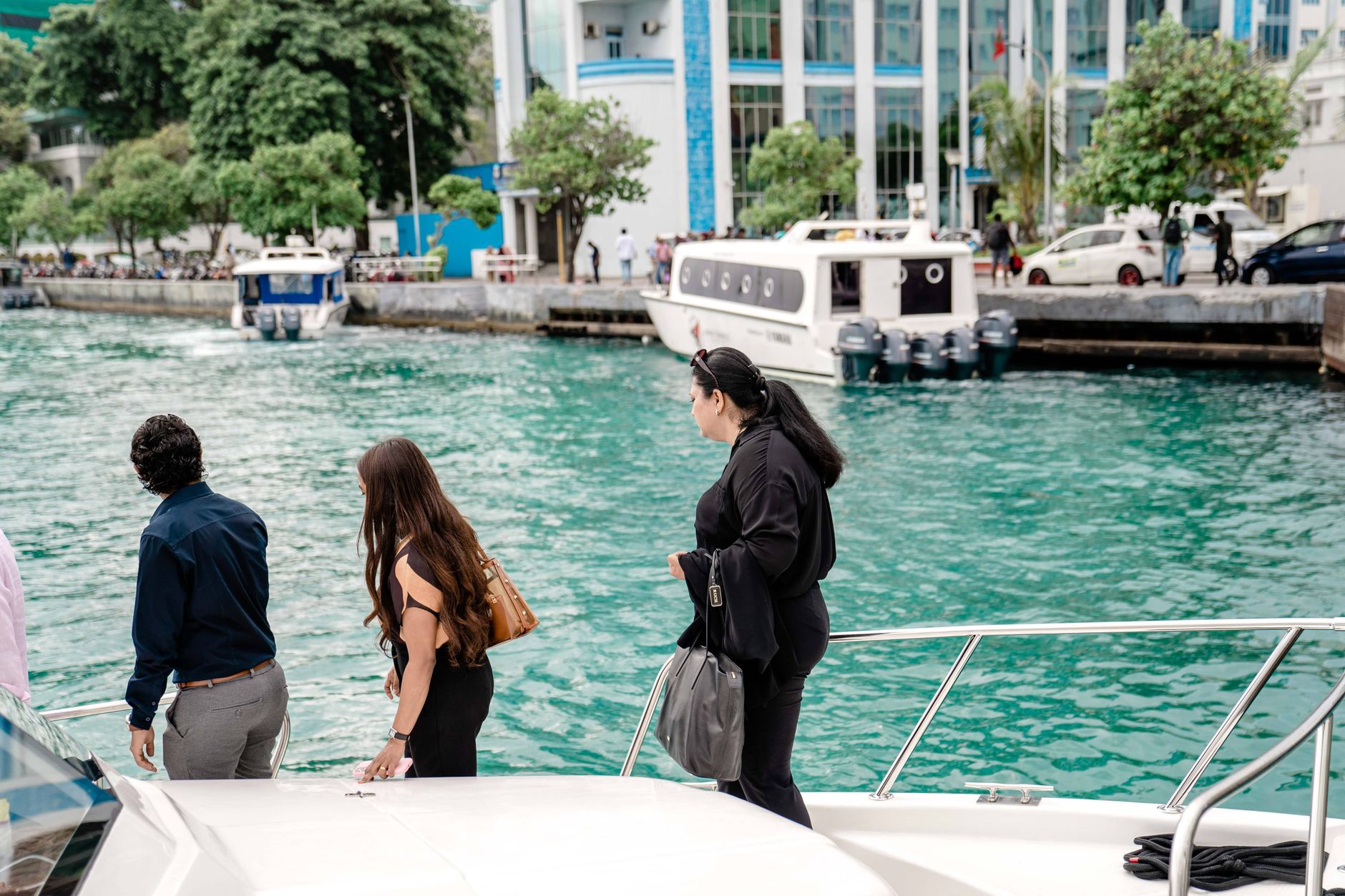
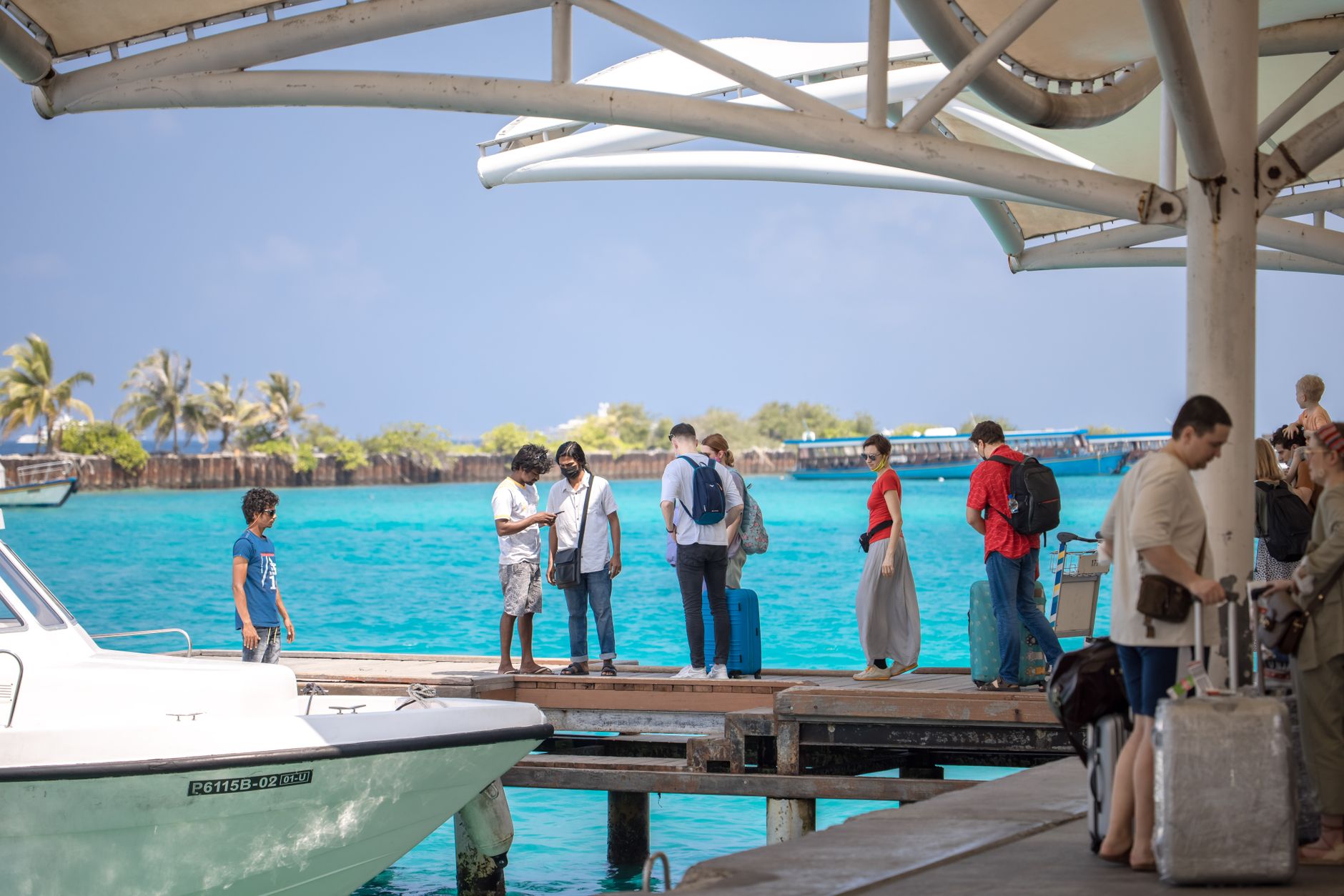
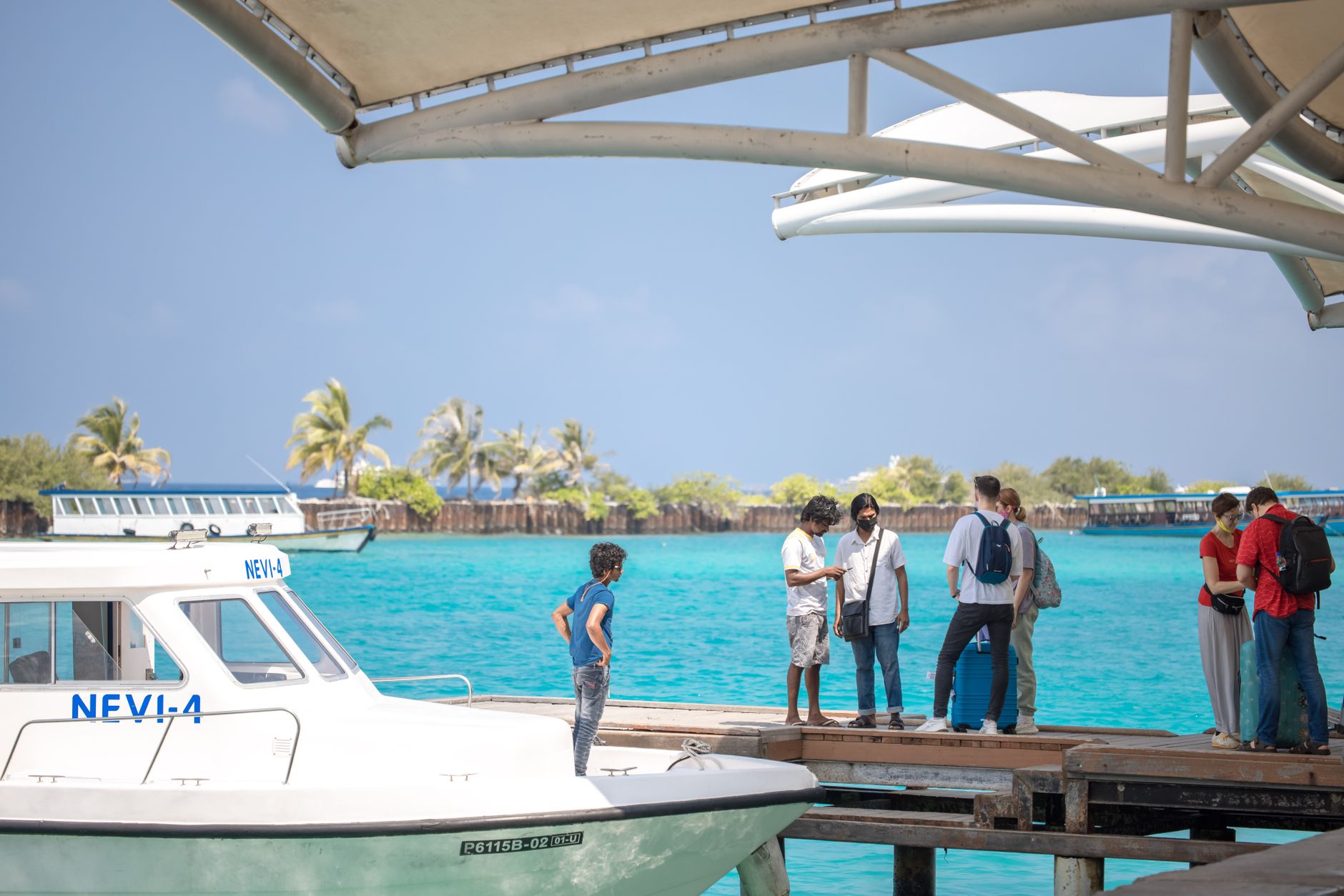
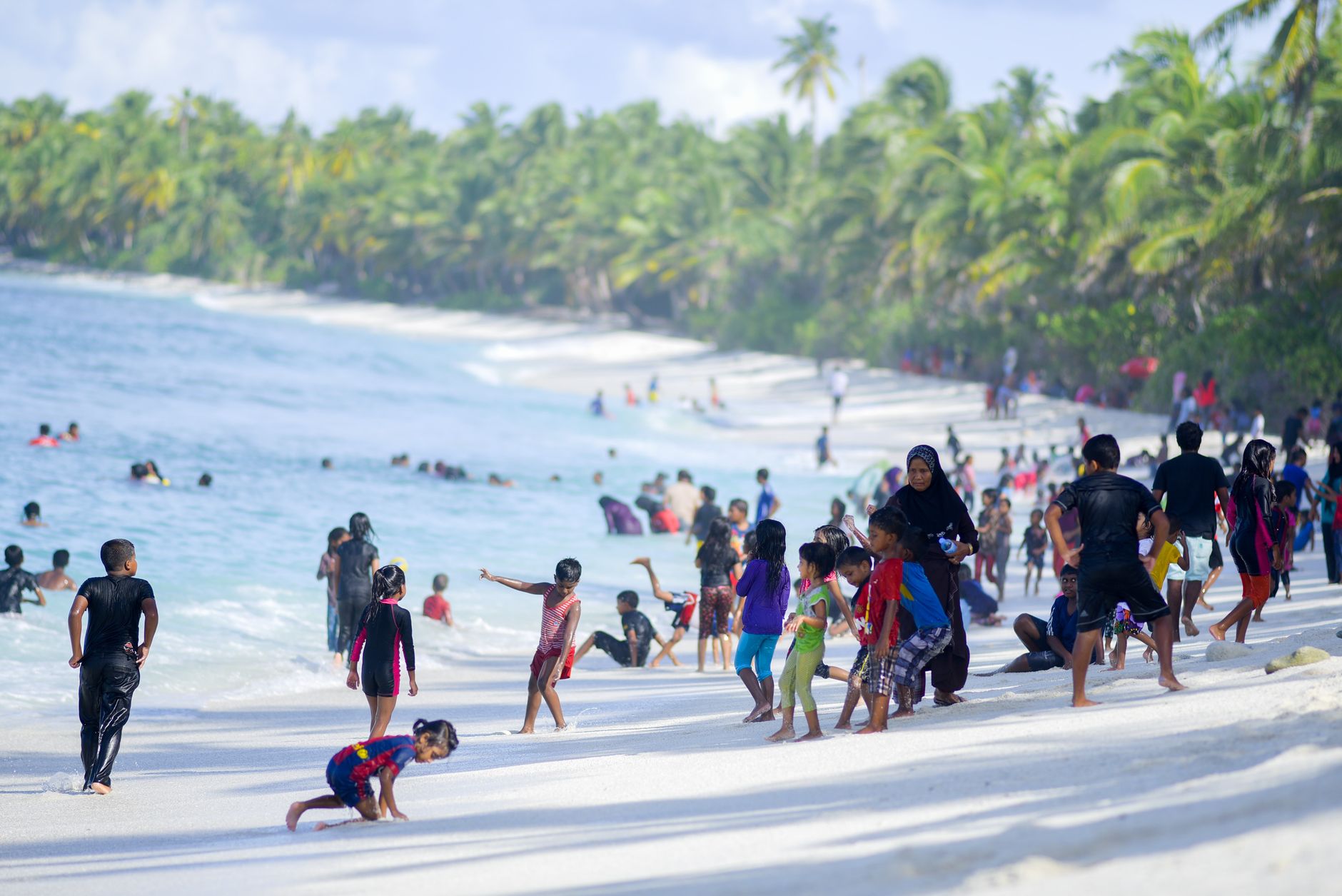
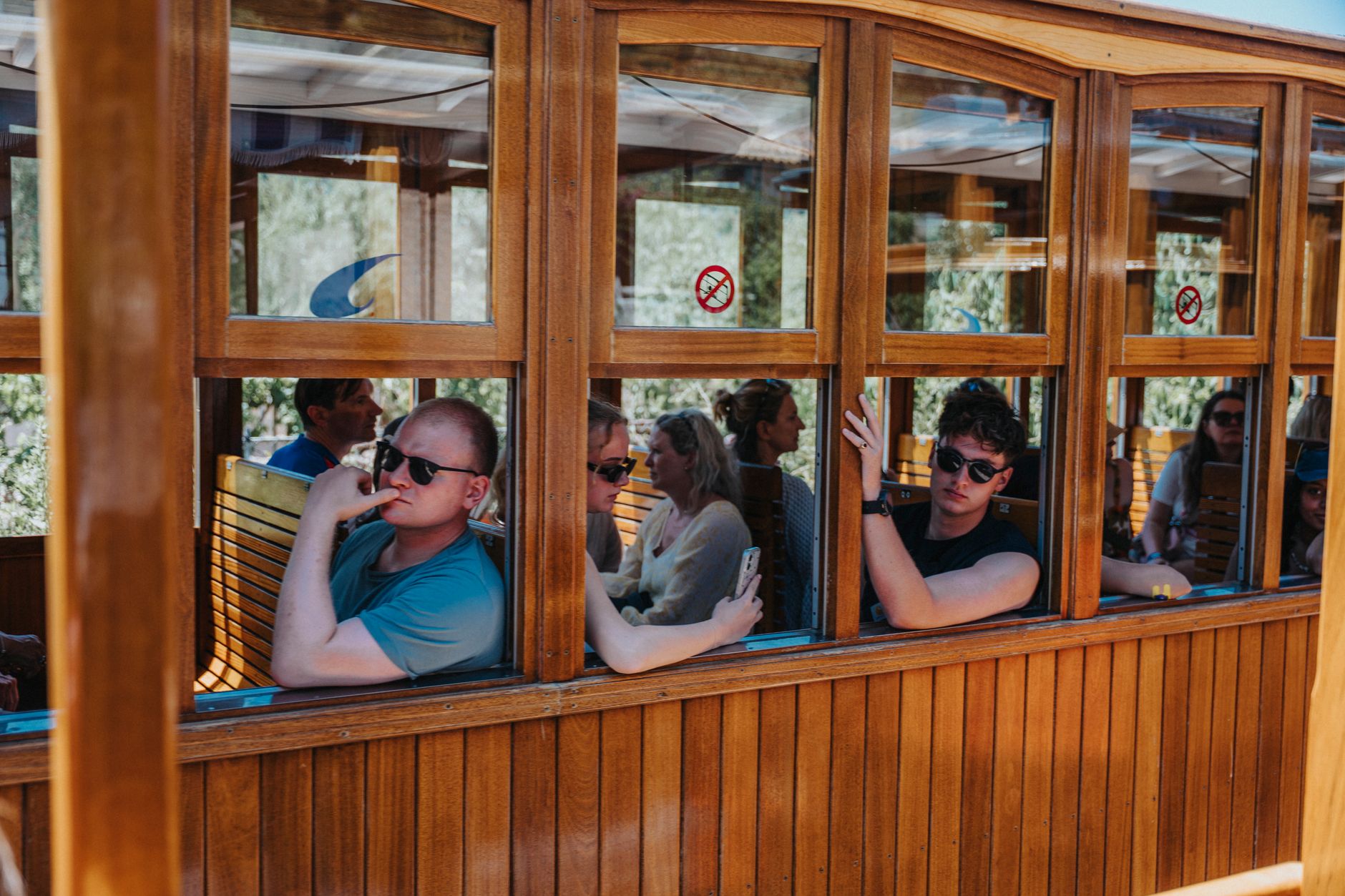
Ungoofaaru sits at the administrative heart of Northern Maalhosmadulhu Atoll, a compact island — barely three-quarters of a kilometre end to end — where the rhythms of a working fishing community set the pace. Most evenings, you can watch the pole-and-line boats come in off the lagoon, the catch offloaded while the call to prayer carries across the water.
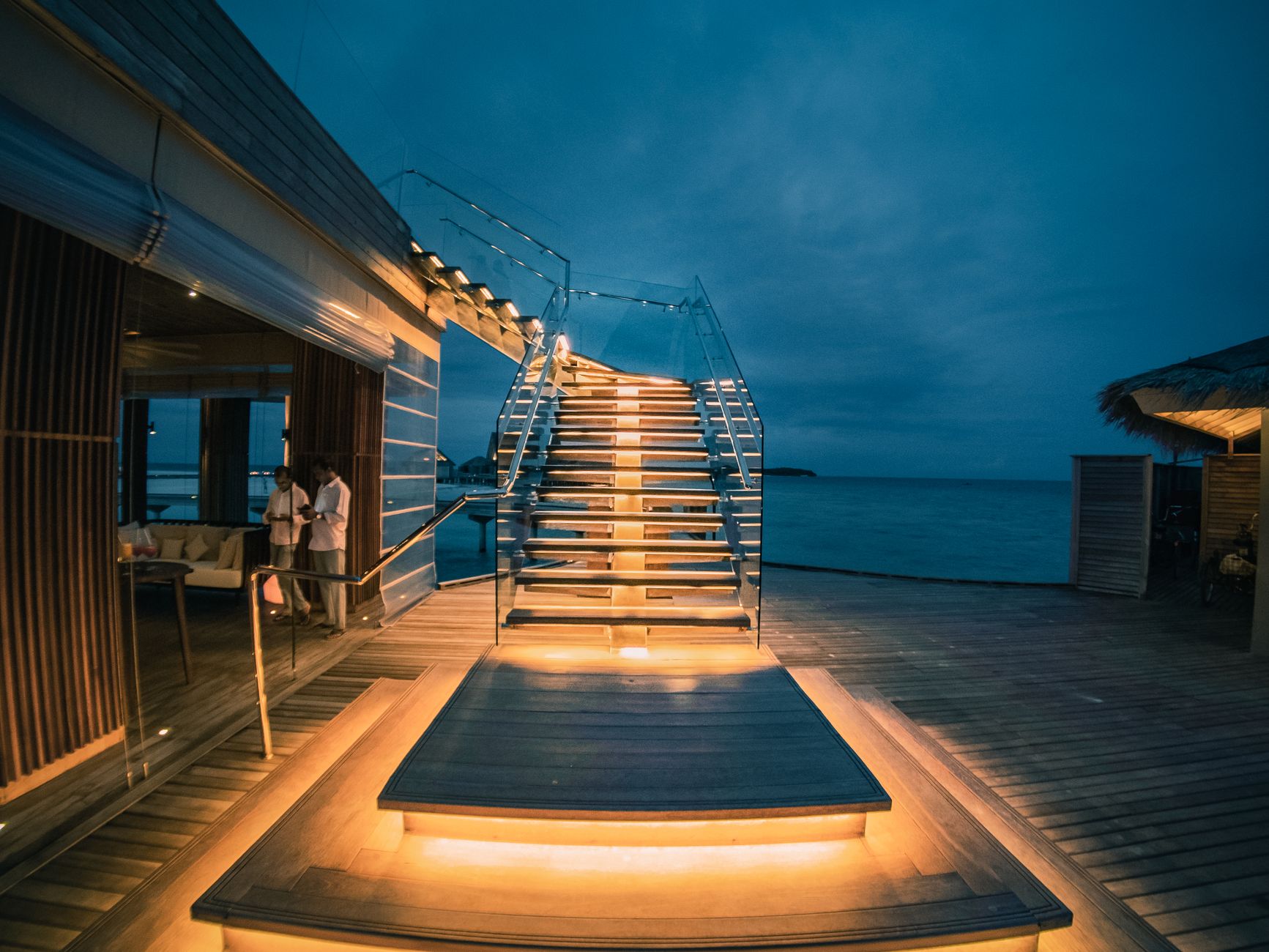
As the atoll's capital, it carries a little more infrastructure than most inhabited islands up here: a regional hospital that serves the whole Northern Province, a cultural centre holding traditional handicrafts and photographs, a handful of guesthouses, and enough local cafés and shops to make a few days feel unhurried rather than under-resourced.
💛 What travellers fall for
People who come back tend to mention the same thing: the evenings. Find a spot near the waterfront before sunset, and you'll watch the fishing boats return in sequence, the light going gold across a lagoon with visibility that reaches 20 to 40 metres down. The Cultural Center rewards a slow hour — the photographs of island life tell a quieter history than any caption explains.
Deals in Ungoofaaru
Book directly at the provider
How Ungoofaaru came to be
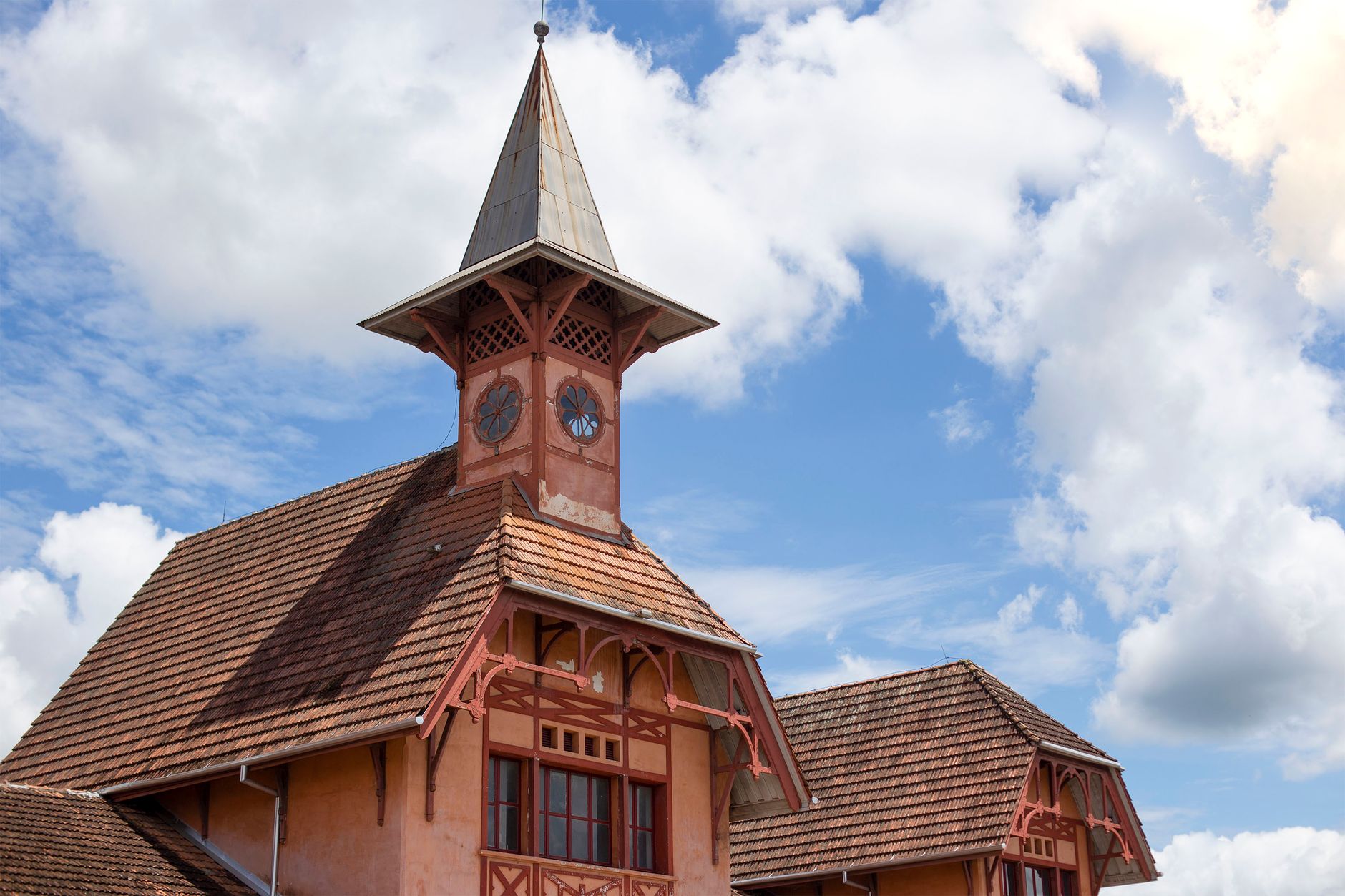
Ungoofaaru's role as atoll capital gave it a gravitational pull in the northern islands — the regional hospital, the largest in the Northern Province, drew people from across the atoll for medical care, and that function shaped the island's character as a service hub rather than a resort node. The Cultural Center preserves what that longer story looked like before modernisation: traditional handicrafts, tools, and photographs that document the fishing and craft traditions that sustained communities across this stretch of the Indian Ocean.
No founding date survives in the record, which is common for the older inhabited islands of the Maldives, where settlement predates written documentation by centuries. What remains is the texture of continuous habitation — mosques, a working waterfront, a community of around 2,500 to 3,000 people who have made a living from the sea across generations.
Who and what shaped it
Landmark buildings
See Ungoofaaru in motion
Plan your visit
On the map
When to go
Temperatures hold steady between 26°C in December and January and around 28°C at the April peak — the variation is narrow, and the bigger factor is rainfall. January tends to be the clearest and driest month; by May the southwest monsoon brings overcast skies and choppier seas that can complicate speedboat transfers.
Right now
Background & history adapted from Wikipedia (CC BY-SA) · specs from Wikidata (CC0) · weather from Open-Meteo · map data © OpenStreetMap contributors · photos from Wikimedia Commons / Unsplash with per-image credit. No third-party reviews or social posts reproduced.