
Manadhoo
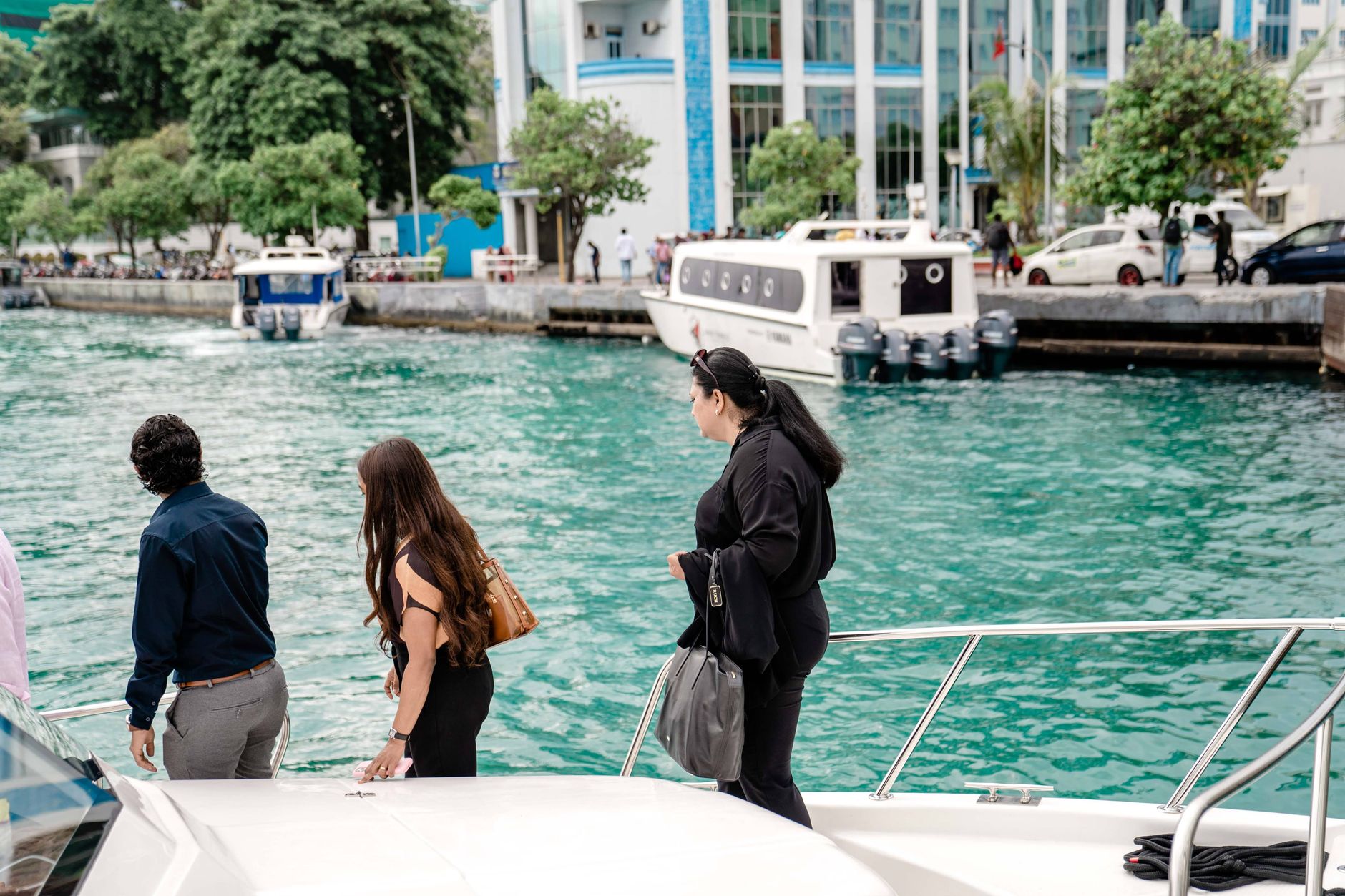
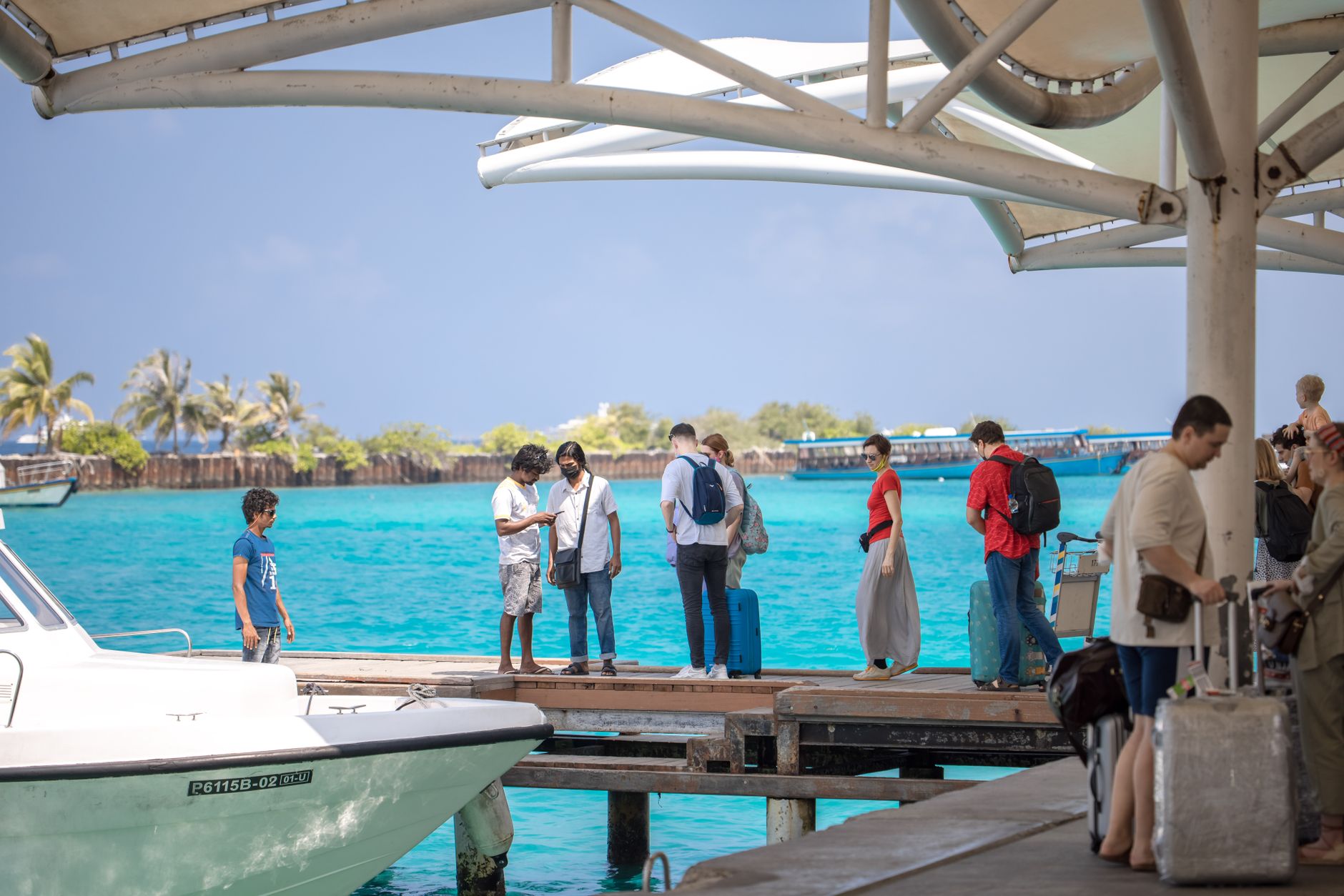
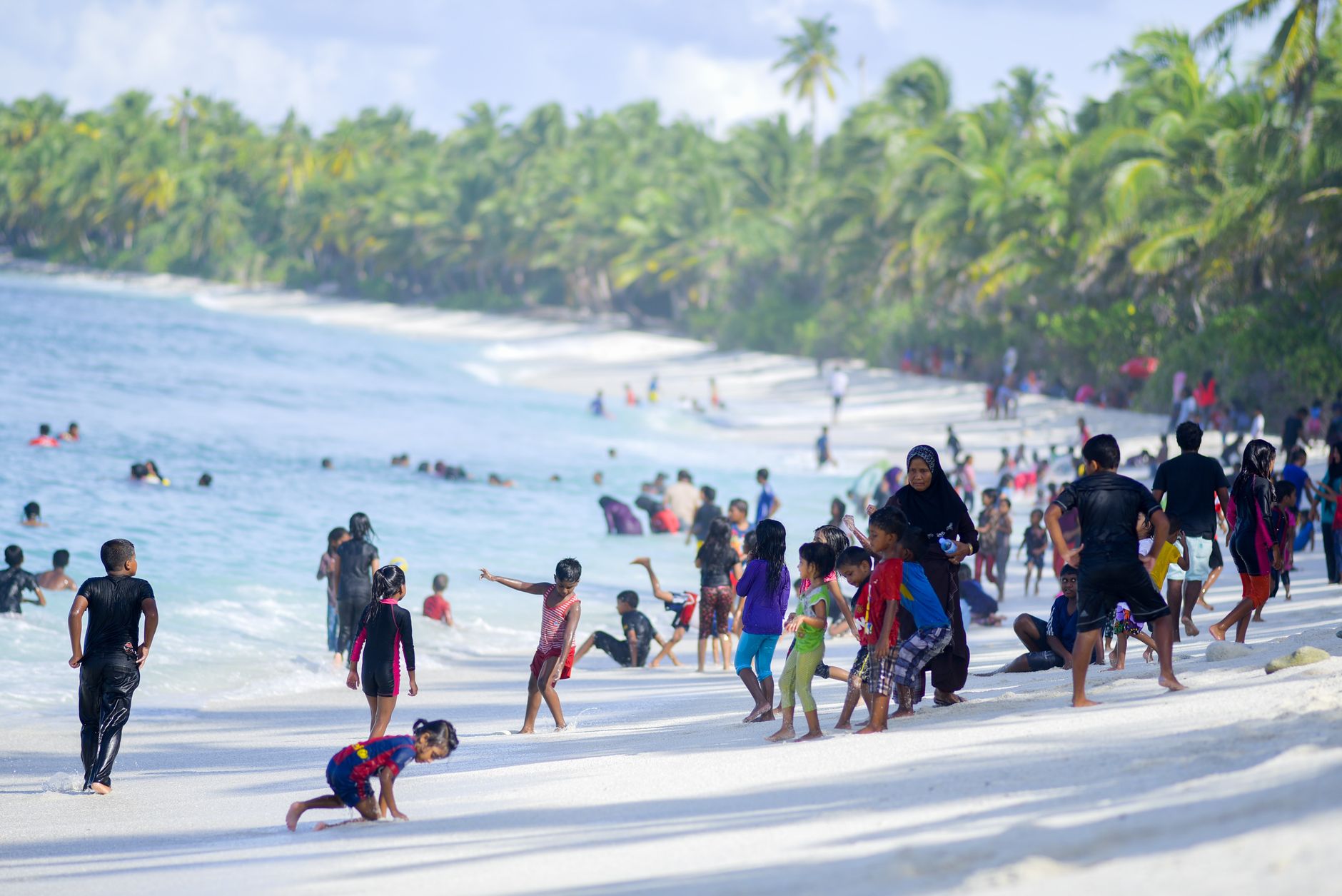
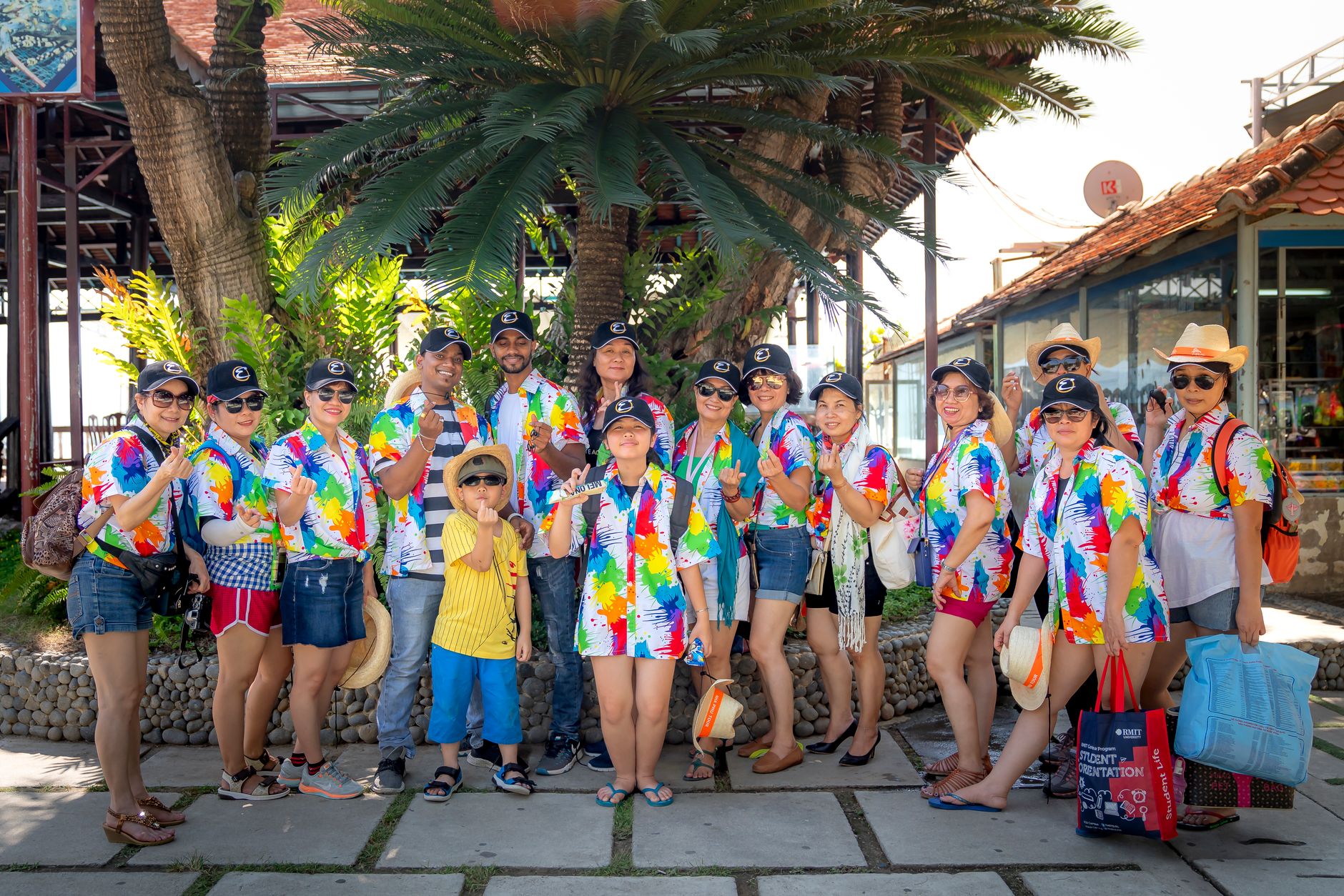
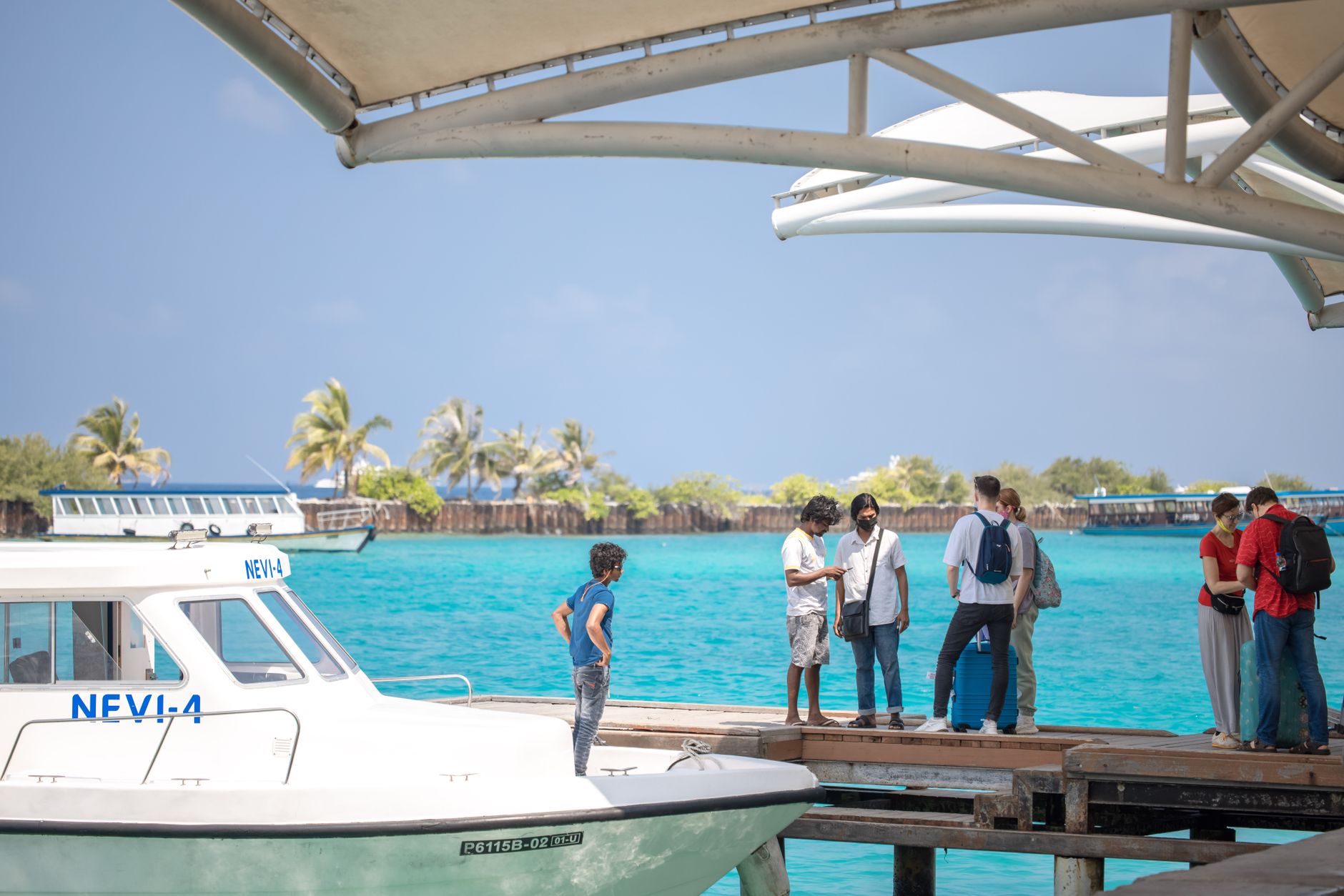
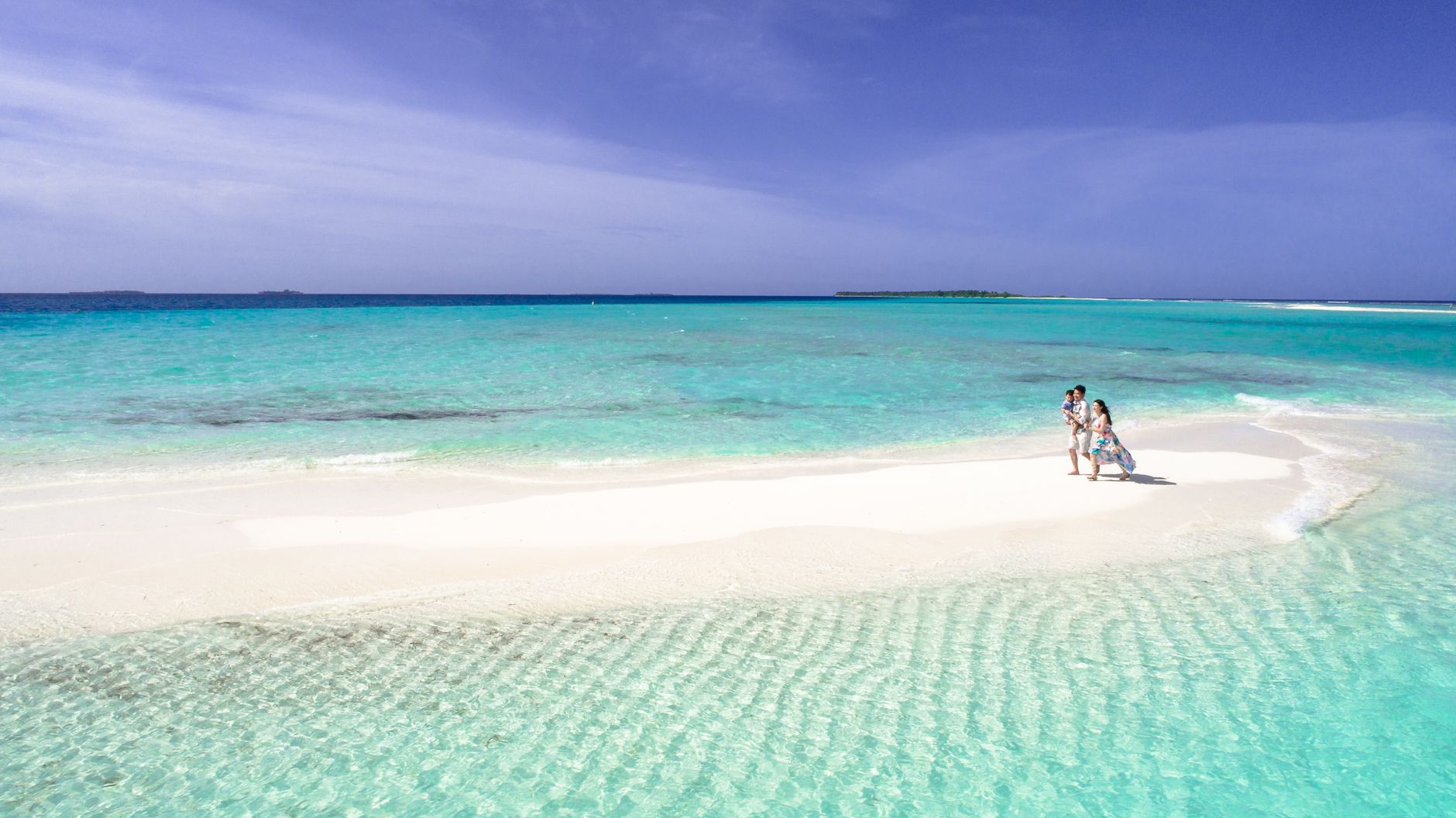
Manadhoo sits at the administrative center of Noonu Atoll, and the island carries that weight lightly. The ferry hub, the hospital, the Bank of Maldives branch — the infrastructure of a capital — share the island with a working dhoni yard where craftsmen still shape fishing vessels by hand, the curved prow of each boat a quiet argument for continuity.
This is the largest natural island in Noonu Atoll and its third most populous, which means you'll find real daily life here alongside the reef: civil servants on lunch breaks, carpenters, fishermen offloading catch. Fifteen or more dive sites sit within a twenty-minute boat ride, most of them still relatively quiet.
💛 What travellers fall for
People who come back tend to mention the dhoni yard unprompted — watching a hull take shape over a morning, no ticket required. They also flag the cash situation early: no ATMs, limited card readers. Arrive with Maldivian rufiyaa or US dollars in your pocket and the island runs smoothly.
Deals in Manadhoo
Book directly at the provider

How Manadhoo came to be
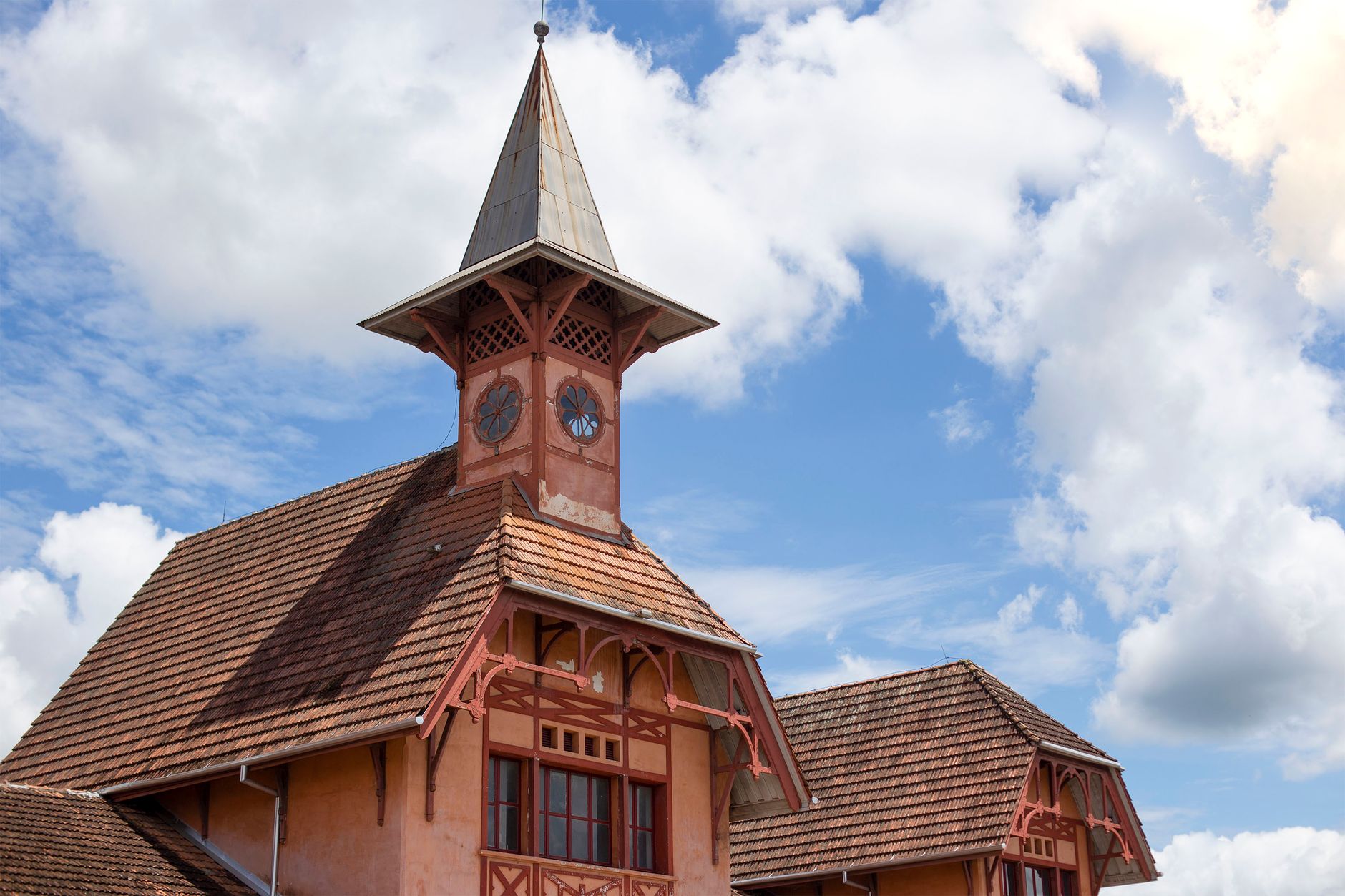
The oldest physical evidence on Manadhoo is Maamiskithu Vevu, a bathing tank with well-bricked walls and Arabic calligraphy cut into the stone. The sandstone used in its construction points toward the pre-Islamic period — somewhere in the long stretch before 1153 AD — though no formal archaeological study has been conducted.
The island's more recent history runs through education. In 1979, Manadhoo opened the first government primary school outside Malé, a significant marker for the outer atolls. Noonu Atoll School followed in the 1980s, built with Japanese grant aid. English-medium instruction arrived in 1997. Then, on 27 October 2019, council workers digging for a freshwater fish pond broke through to Boivalhu — a historic well, five to six feet wide, intact after decades underground.
Who and what shaped it
People who shaped it
Landmark buildings
See Manadhoo in motion
Plan your visit
On the map
When to go
January through April brings the northeast monsoon: drier air, calmer seas, water temperatures around 28–30°C. The southwest monsoon runs from mid-May into November, delivering heavier rain — May alone can see 166mm — though the heat barely shifts, sitting between 28°C and 30°C year-round.
Right now
Background & history adapted from Wikipedia (CC BY-SA) · specs from Wikidata (CC0) · weather from Open-Meteo · map data © OpenStreetMap contributors · photos from Wikimedia Commons / Unsplash with per-image credit. No third-party reviews or social posts reproduced.