
Varadero
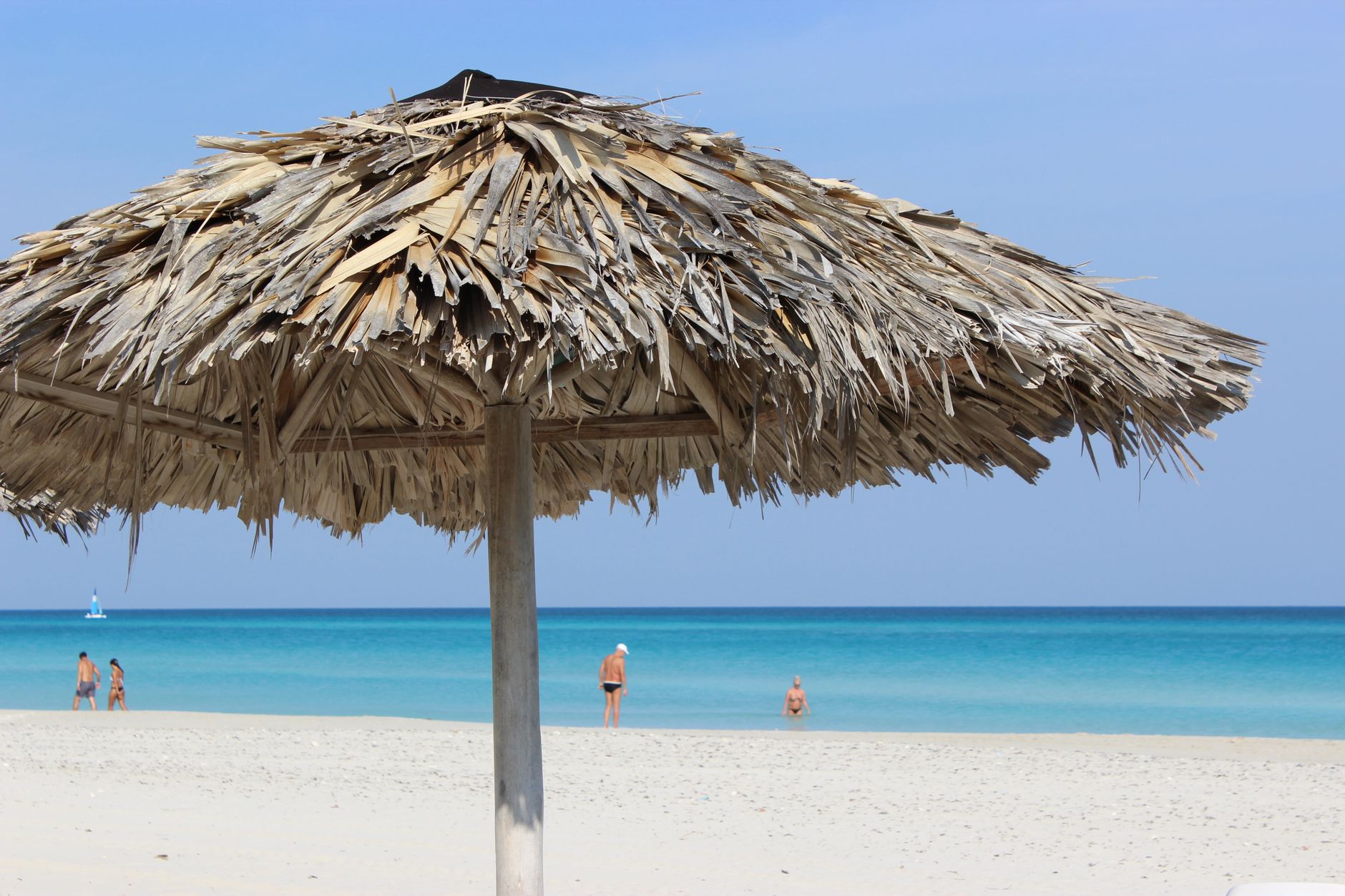
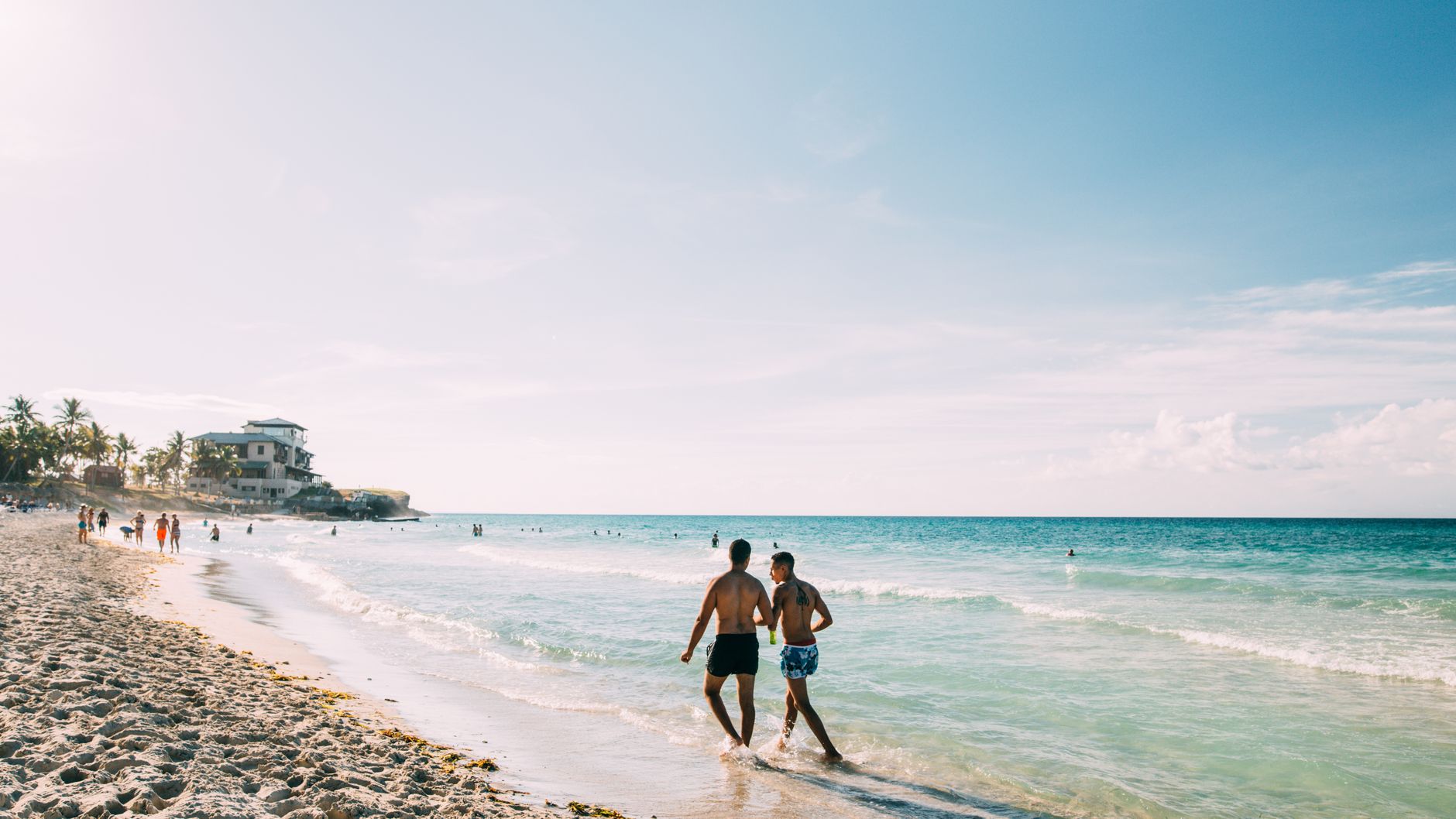
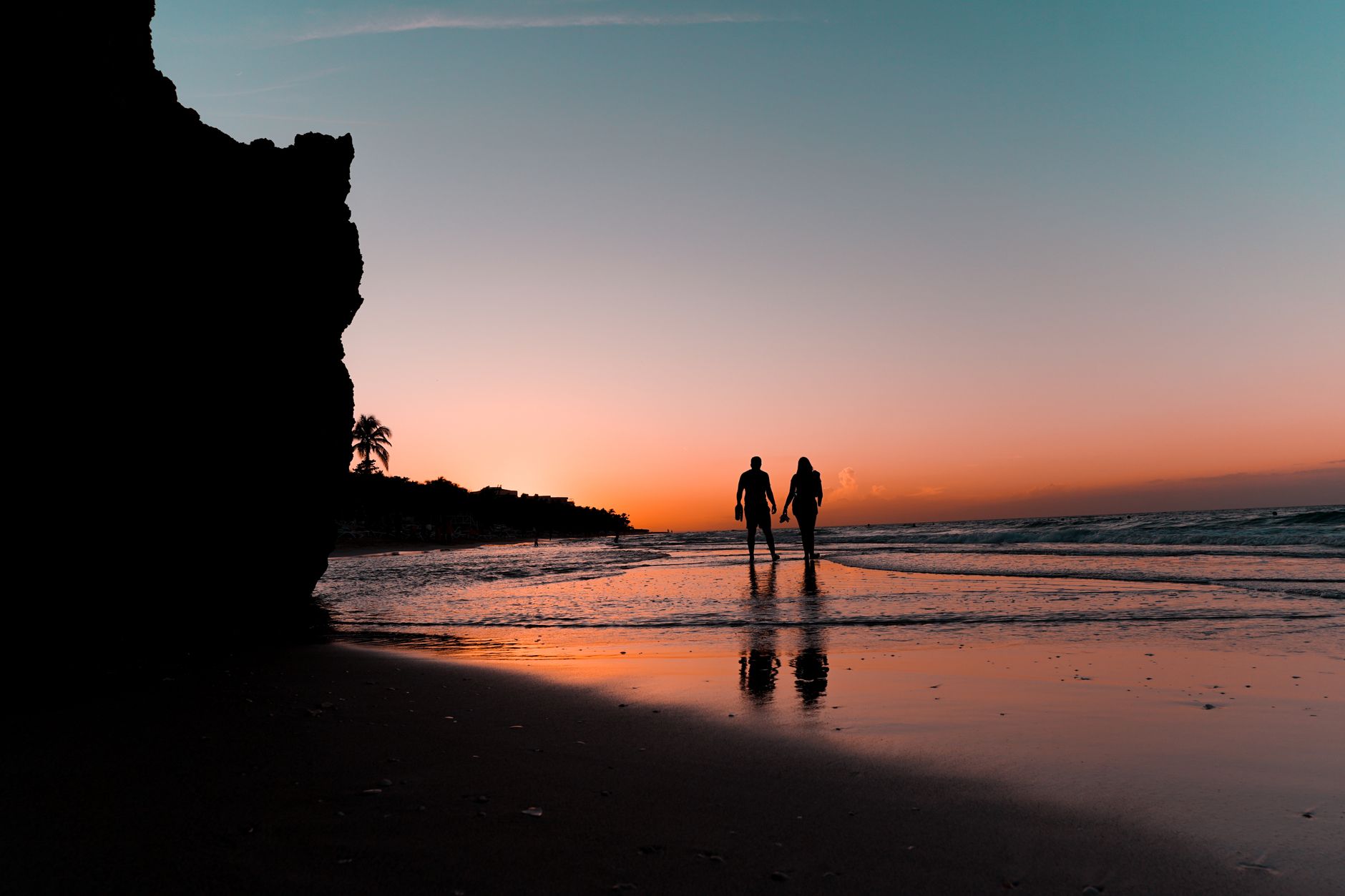
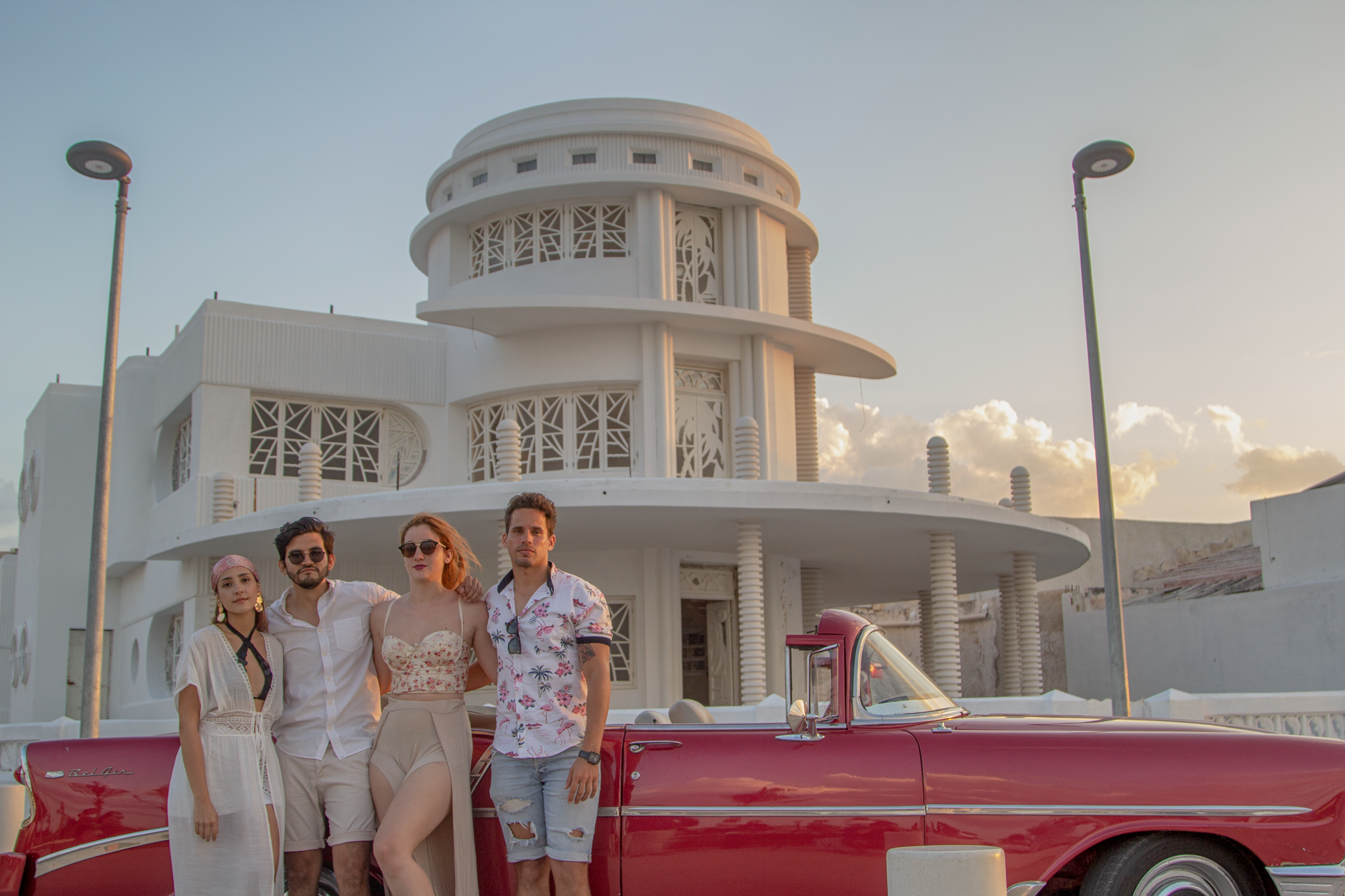
Varadero occupies a thin finger of land — the Hicacos Peninsula — that stretches twenty kilometres into the Atlantic, narrow enough that you can see water on both sides from the middle of the road. The beach is the point: twenty-odd kilometres of pale sand and the kind of sea that grades from turquoise to deep blue in fifty metres.
What most visitors don't expect is the layering underneath the resort corridors — a 600-year-old cactus standing quietly in an ecological park, pre-Columbian cave pictographs, and a du Pont mansion that still looks out over the water from its hilltop perch.
💛 What travellers fall for
People who come back tend to rent a bicycle for at least one morning and follow Avenida Primera from end to end before the heat builds. Parque Josone is worth an hour of anyone's time — the lake, the old mansion, the relative quiet. The hop-on/hop-off bus covers the peninsula efficiently and stops near Cueva de Ambrosio, which most resort guests never bother with.
How Varadero came to be
Spanish sailors were using the Hicacos Peninsula as a dry dock as early as 1555, and by 1587 a salt works at Las Salinas was supplying the colonial fleet across Latin America. The resort town itself dates formally to 1887, when Cárdenas surveyed forty blocks along the peninsula, though families from the neighbouring city had been building vacation homes here since the 1870s.
The modern shape of Varadero owes much to Irénée du Pont de Nemours, the American chemical magnate who bought a large tract of peninsula land in the 1930s, built the Mansión Xanadú, and funded the first roads, power and water supply. That era drew wealthy Americans and Cuban political figures alike — Fulgencio Batista kept a summer residence here. In 1959 the peninsula had three hotels; by 2023 it had sixty-one.
Who and what shaped it
People who shaped it
Landmark buildings
See Varadero in motion
Plan your visit
On the map
When to go
November through April brings lower humidity, reliable sun and the occasional cool front — the most comfortable window for being outdoors. The summer months are hot and humid, with the Atlantic hurricane season running June through November; September and October carry the highest risk.
Right now
Background & history adapted from Wikipedia (CC BY-SA) · specs from Wikidata (CC0) · weather from Open-Meteo · map data © OpenStreetMap contributors · photos from Wikimedia Commons / Unsplash with per-image credit. No third-party reviews or social posts reproduced.