
Cayo Coco
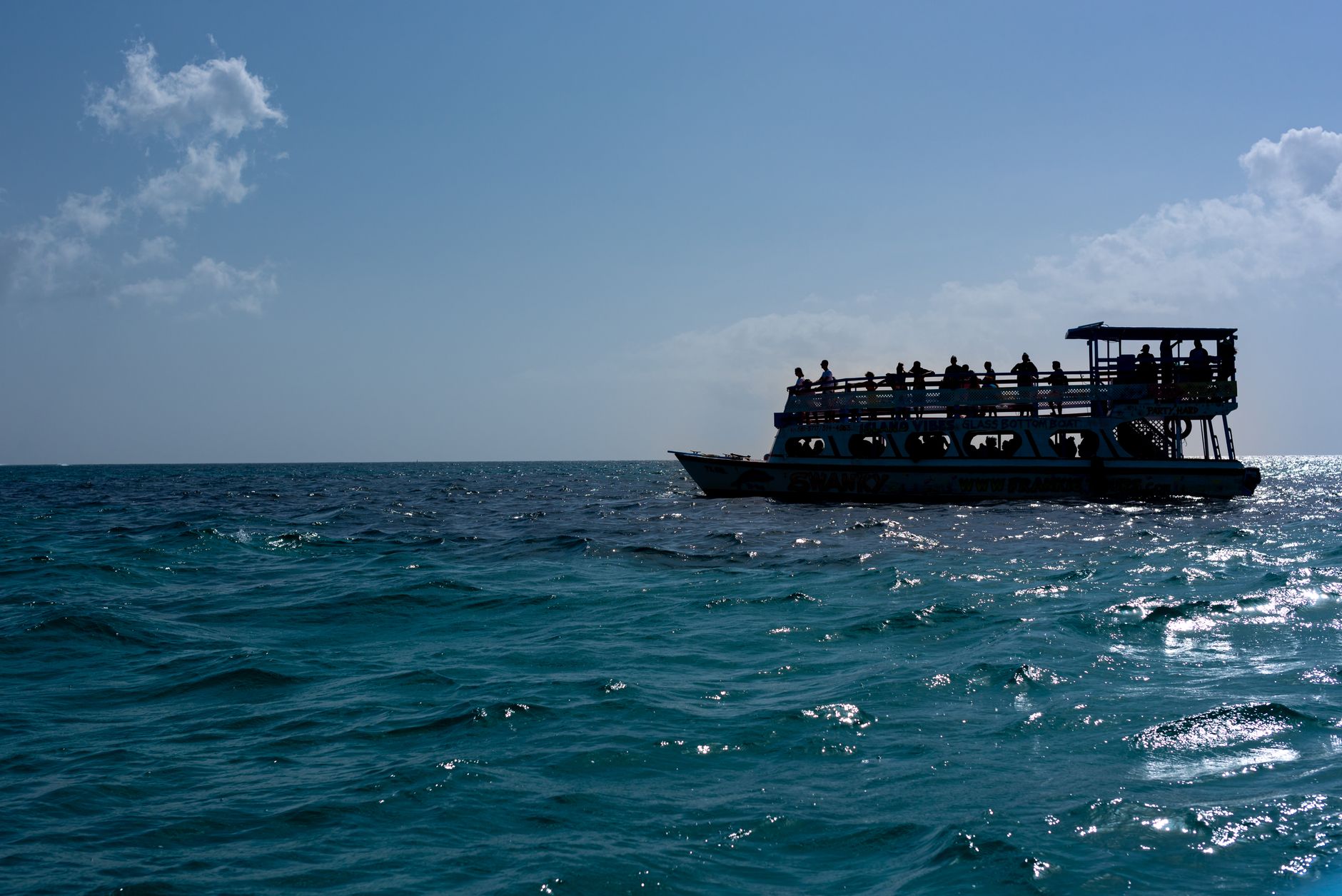
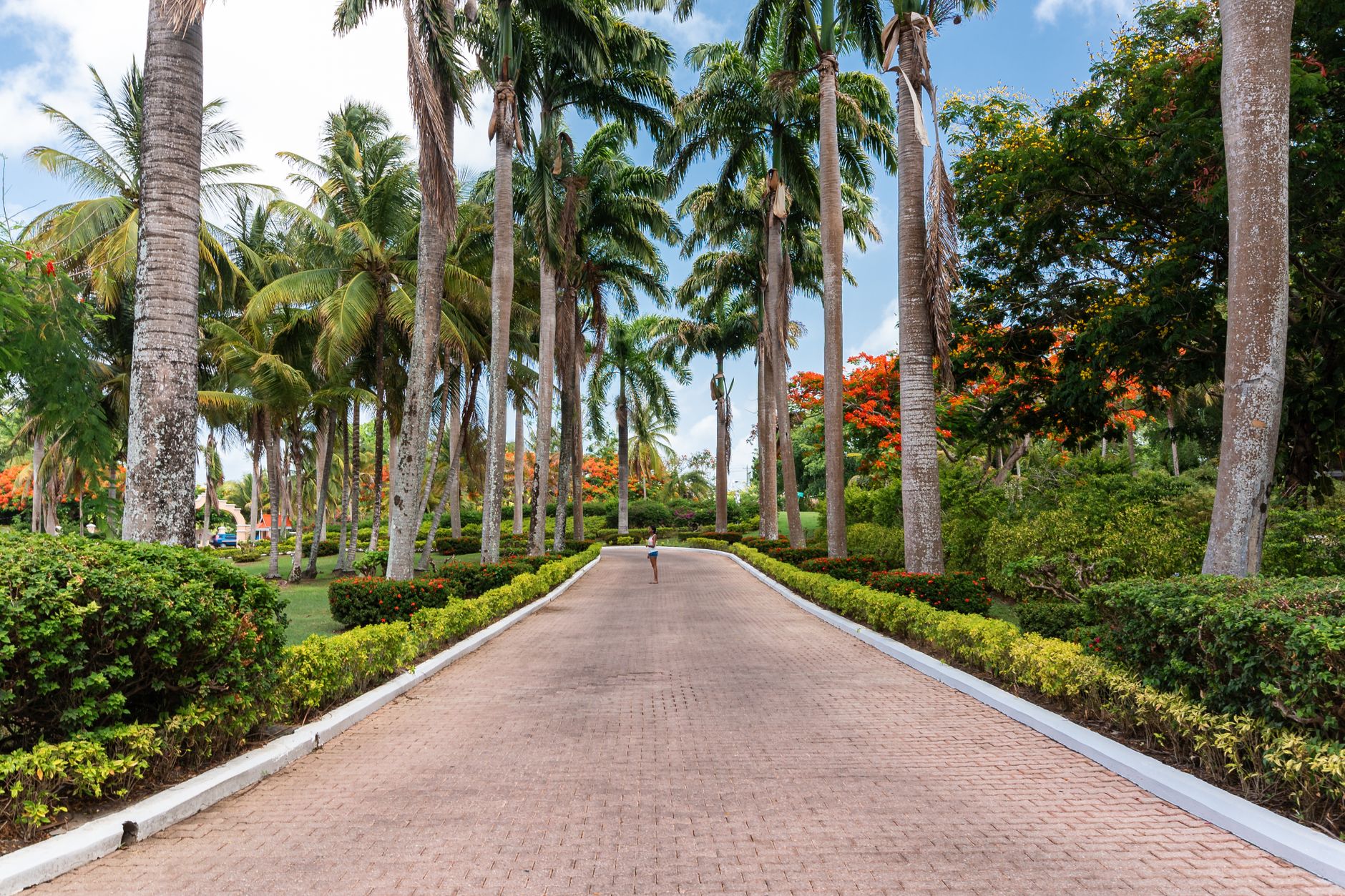

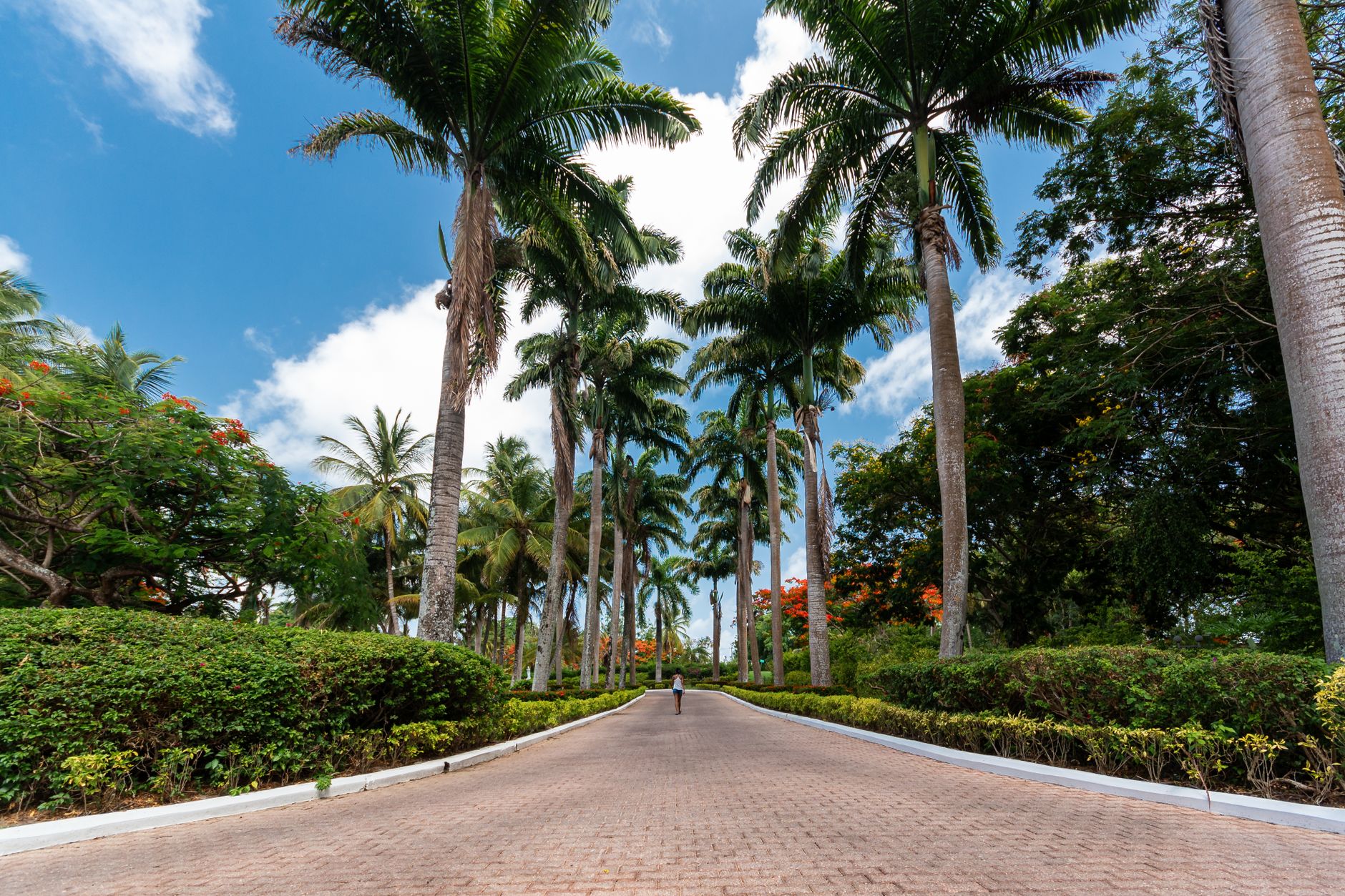
The name comes from the white ibis — locally called *coco* — that share this 370-square-kilometre island with more than 10,000 pink flamingos. On still mornings the flamingos read as a gauzy rose haze along the horizon, close enough to seem unreal. Cayo Coco sits within the Jardines del Rey archipelago off Cuba's north-central coast, separated from the mainland by 27 kilometres of causeway laid across the Bahía de Perros. About 85 percent of the island is vegetation: mangrove, scrub, the reddish canopy around Playa Las Coloradas that gave the beach its name.
This is resort Cuba — the kind of place you fly into directly and rarely leave on foot. The tradeoff is honest: the sea is warm and clear, the beaches are long, and the birds are extraordinary.
How Cayo Coco came to be
Before the hotels, Cayo Coco sustained a small community of fishermen and charcoal producers. By 1955 both had collapsed — freshwater ran out, and electrification killed the charcoal trade after the Revolution. The island sat largely empty until July 26, 1988, when the 27-kilometre causeway across the Bay of Dogs opened, requiring three million cubic metres of stone and sixteen months of construction. Resort development followed, with the first hotel opening in 1993.
The 1990s brought an unusual footnote: the Cuban exile group Alpha 66 attacked the hotel strip by sea in 1994 and 1995, though no one was injured. Then, on September 9, 2017, Hurricane Irma struck directly, devastating the hotels, the airport, and nearby towns. The island rebuilt. An older landmark survived all of it — the Diego Velázquez Lighthouse on Cayo Paredon Grande, standing since around 1859.
Who and what shaped it
People who shaped it
Landmark buildings
See Cayo Coco in motion
Plan your visit
On the map
When to go
Dry season (November–April) brings warm days around 28°C and cooler evenings; January and February see almost no rain. The wet season runs May through October — hot, humid, and prone to afternoon storms, with hurricane risk peaking August through October.
Right now
Background & history adapted from Wikipedia (CC BY-SA) · specs from Wikidata (CC0) · weather from Open-Meteo · map data © OpenStreetMap contributors · photos from Wikimedia Commons / Unsplash with per-image credit. No third-party reviews or social posts reproduced.