
Havana
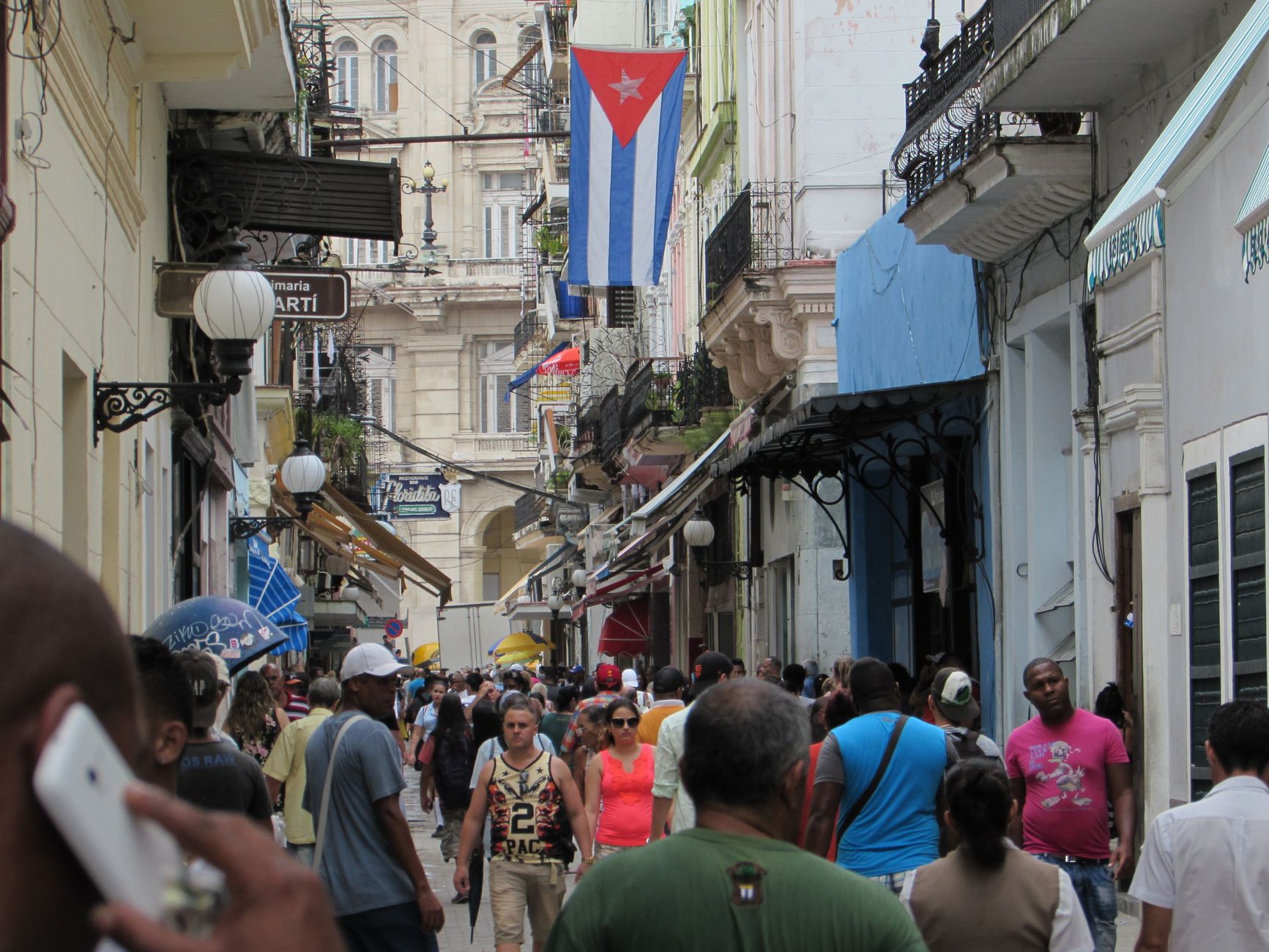
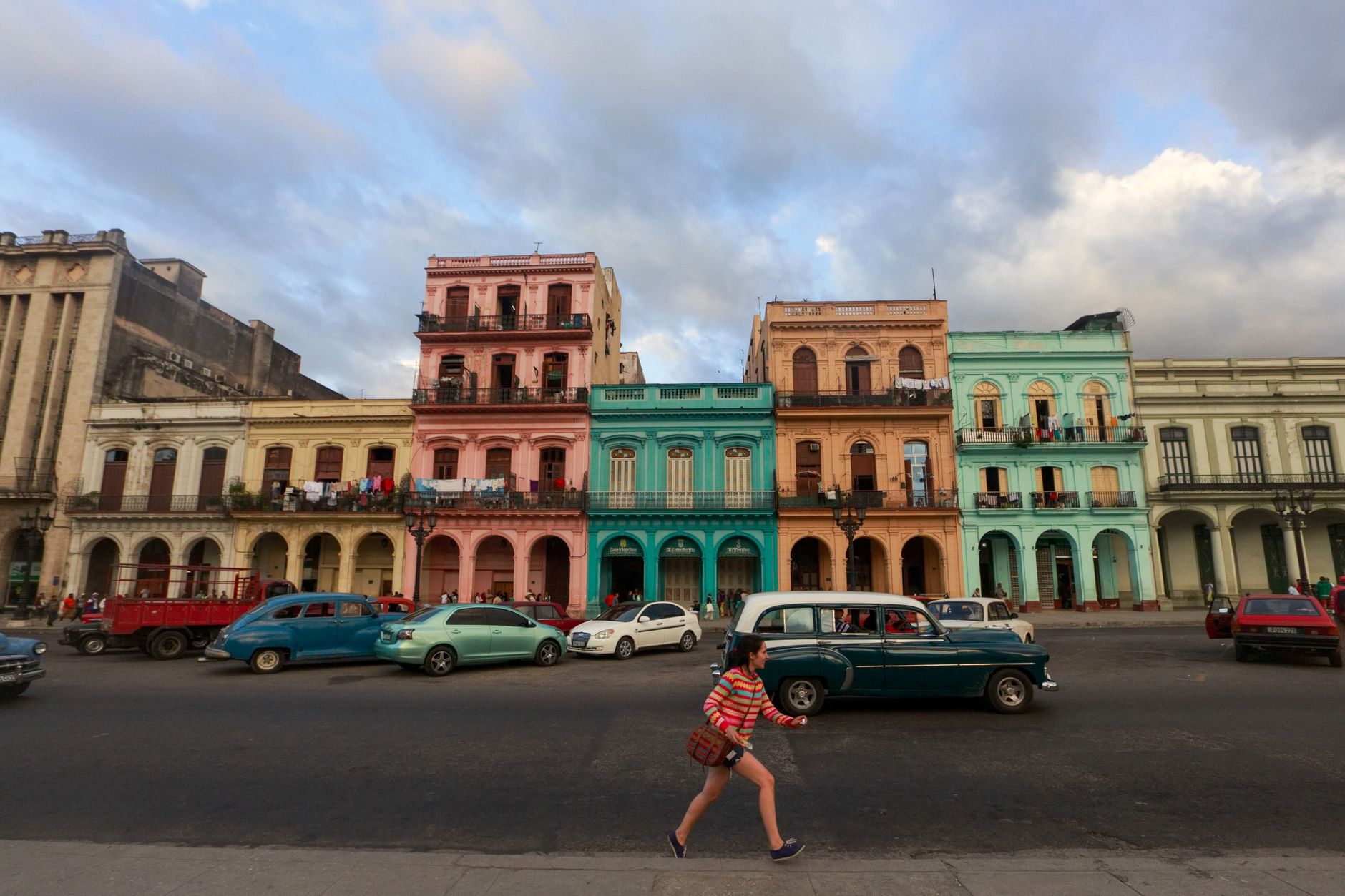
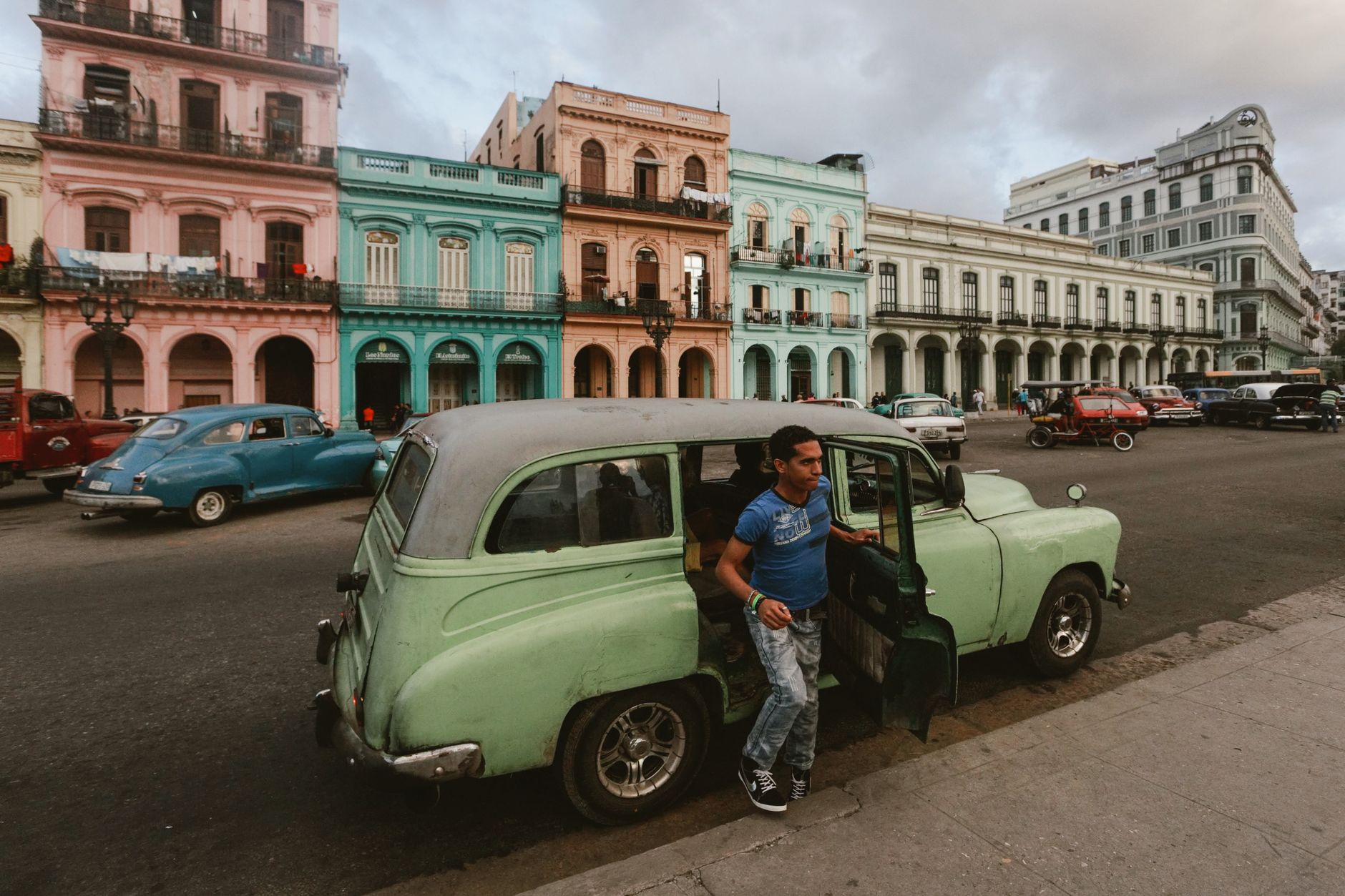
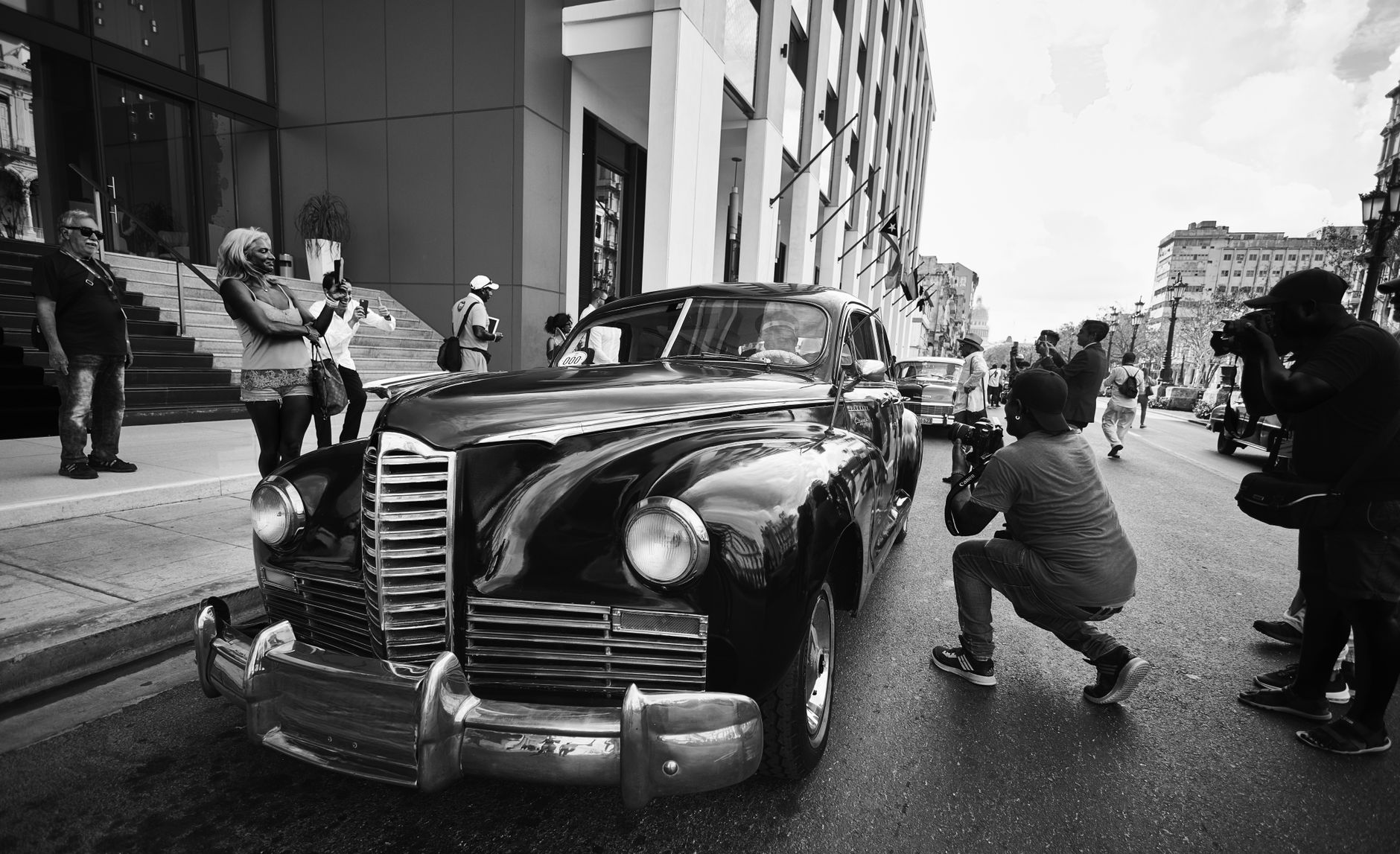
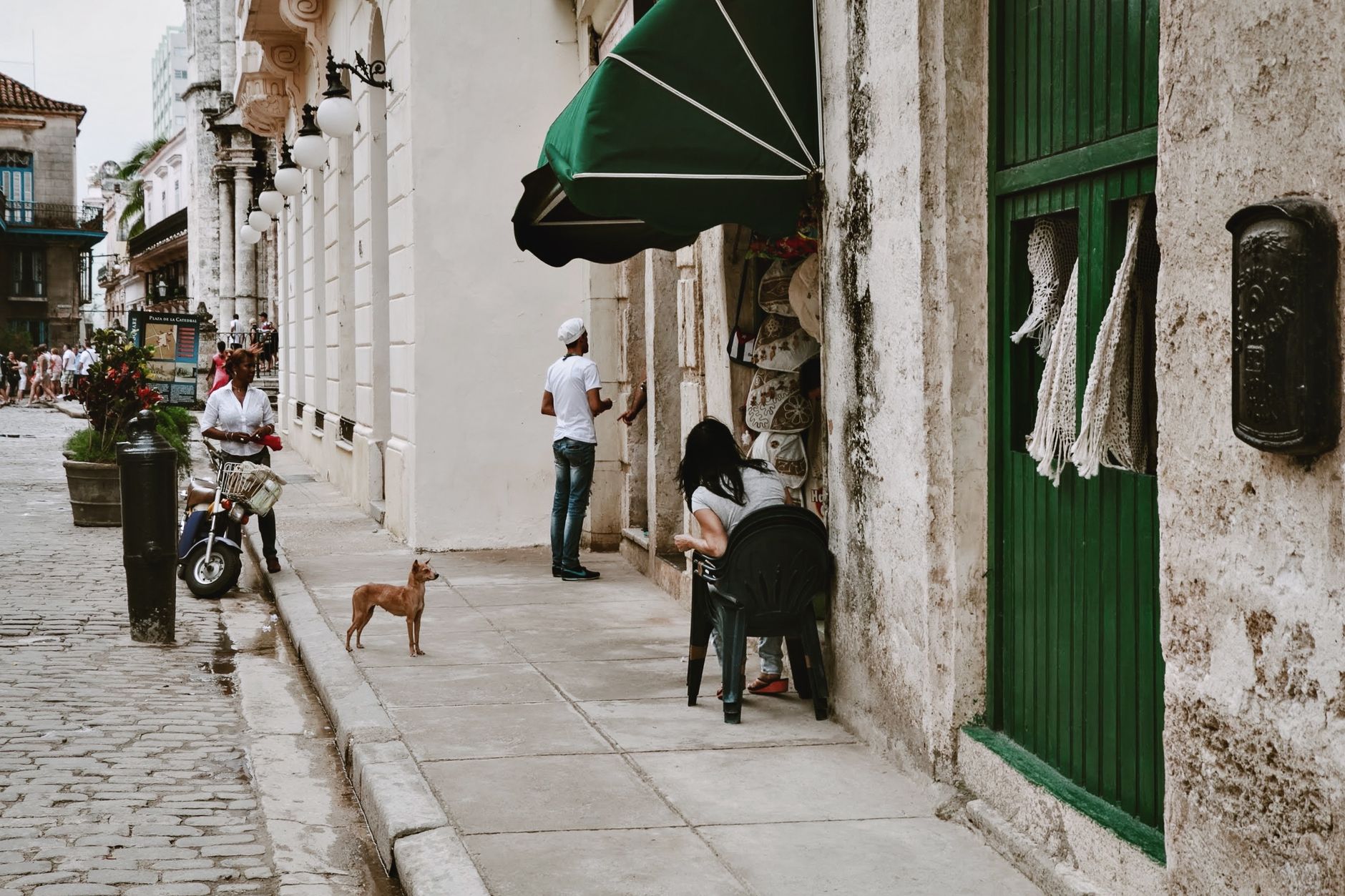
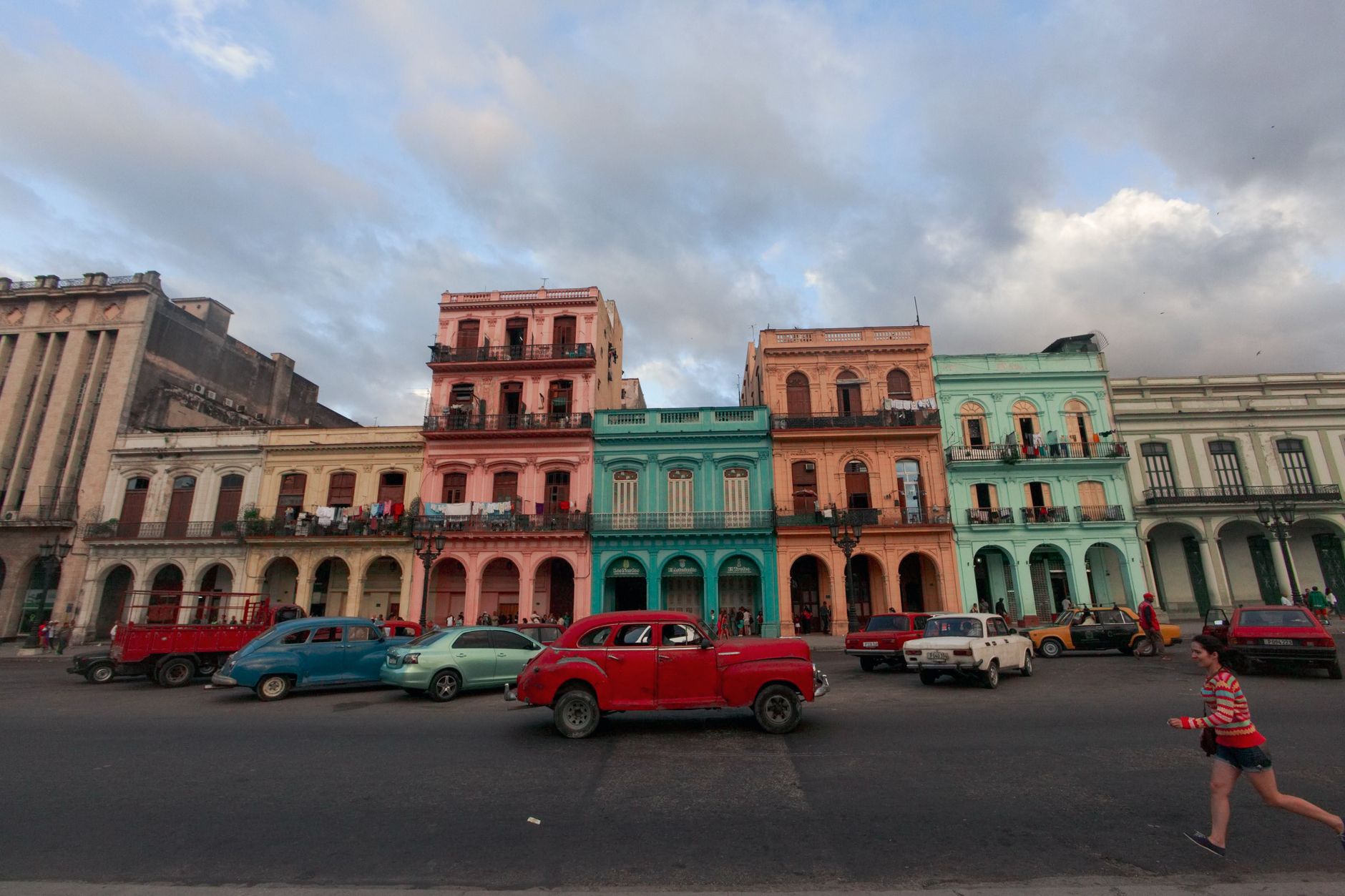
Havana is a city where the 18th century and the 20th century share a street corner without much fuss. Old Havana's grid of colonial plazas, baroque church facades, and fortresses built to guard Spanish treasure fleets sits a short taxi ride from the mid-century apartment blocks and wide Malecón seawall where the Atlantic hammers in off the Florida Straits.
At its peak, by the mid-1700s, Havana was the third-largest city in the Americas — behind Lima and Mexico City, ahead of Boston and New York. That history left a dense architectural record, and Old Havana's UNESCO-listed core is where most of it survives.
💛 What travellers fall for
People who return tend to anchor themselves in Vedado rather than the tourist centre — quieter streets, better paladares, and a neighbourhood feel that Old Havana's main drag can't quite offer once the day-trippers arrive. Finca Vigía, Hemingway's house on the hill about 24 km out, rewards the extra effort; the rooms are kept exactly as he left them.
How Havana came to be
Diego Velázquez de Cuéllar founded the settlement in 1514 on Cuba's southern coast, but mosquitoes and swamp drove the colonists north. On November 16, 1519, the city was re-established on a deep, well-protected bay — Havana Bay — and that date is still marked as the city's official birthday. It grew fast: when the Spanish governor moved his residence here from Santiago de Cuba in 1563, the shift in power was already a fait accompli.
The city's wealth made it a target. The French corsair Jacques de Sores burned much of it in 1555; the threat of Sir Francis Drake prompted Spain to commission the Castillo del Morro, begun in 1587. City walls followed, started in 1674 and finished by 1740. By the time Fidel Castro took control of Cuba on January 1, 1959, Havana had already been a colonial capital, a Prohibition-era playground, and one of the hemisphere's great port cities.
Who and what shaped it
People who shaped it
Landmark buildings
See Havana in motion
Plan your visit
On the map
When to go
November through April brings dry, warm days and cooler evenings — the most reliably comfortable window for exploring on foot. The summer months are hot and heavy with humidity, and the Atlantic hurricane season runs June through November, with August and September carrying the highest risk.
Right now
Background & history adapted from Wikipedia (CC BY-SA) · specs from Wikidata (CC0) · weather from Open-Meteo · map data © OpenStreetMap contributors · photos from Wikimedia Commons / Unsplash with per-image credit. No third-party reviews or social posts reproduced.