
Santa Clara

Santa Clara sits almost exactly at Cuba's geographic center, and that position has shaped everything about it. It grew into a transit hub, a crossroads city where travelers stopped, goods moved, and — in December 1958 — a column of guerrillas led by Ernesto Che Guevara derailed an armored train and broke the back of Batista's government. The rusting carriages still sit where they were overturned, preserved in a riverside park a short walk from the main square.
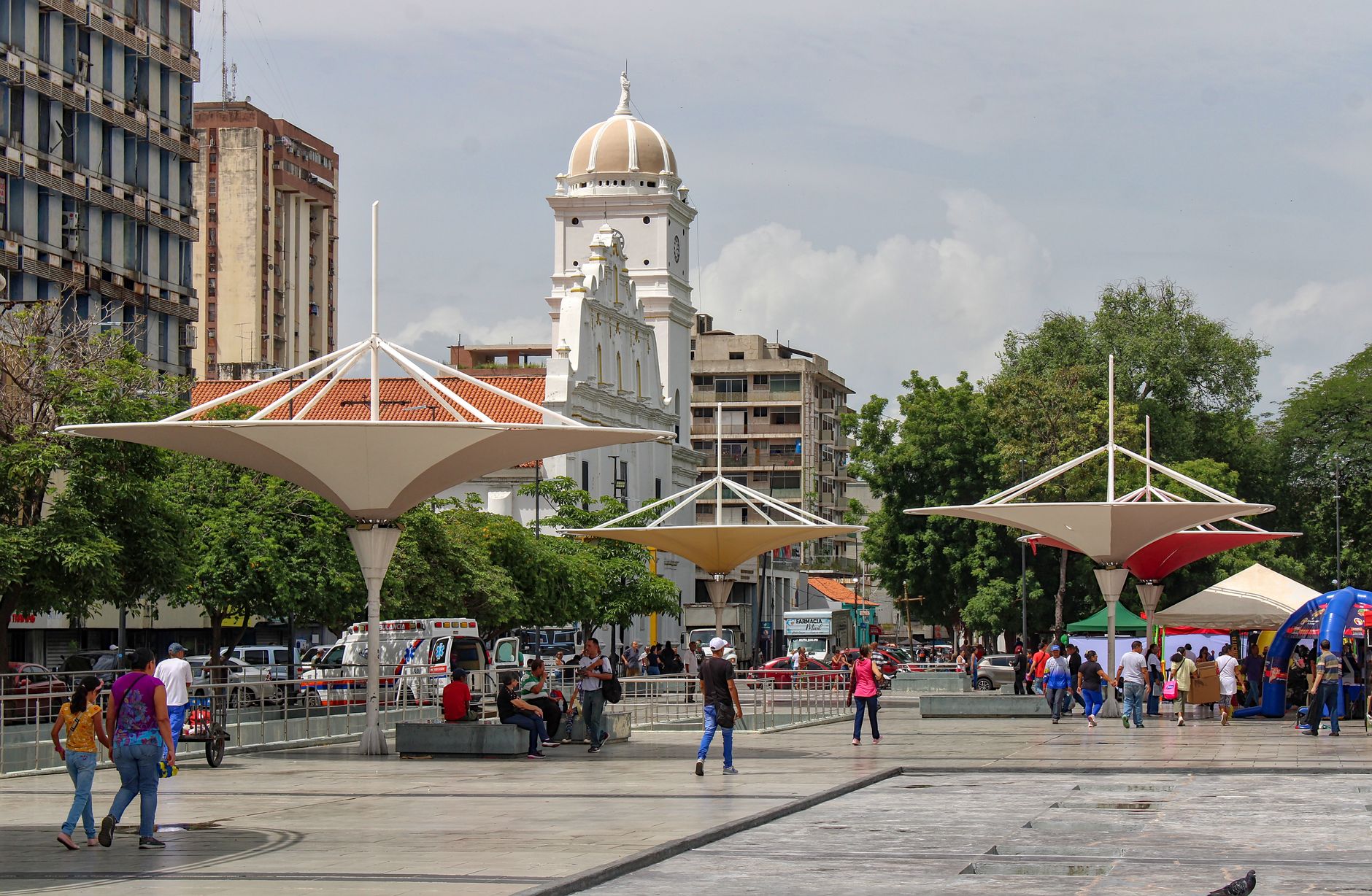
Parque Vidal anchors the city with the kind of unhurried gravity that colonial plazas do well. The Teatro La Caridad faces it from one side, the neoclassical library from another — both funded by a single woman, Marta Abreu, whose name you'll keep encountering. Santa Clara rewards a day or two of slow walking and close attention.
How Santa Clara came to be
Santa Clara was born from a pirate problem. The coastal town of San Juan de los Remedios had been raided so persistently that its residents faced a stark choice: stay and keep suffering, or leave. On 15 July 1689, 175 people — among them a priest, a governor, and members of two large founding families — gathered on a hill inland, joined two families already living there, and, according to local tradition, celebrated a founding mass beneath a tamarind tree. Three years later, a devastating fire in Remedios settled the matter for those who had stayed behind, and the new city grew quickly.
Its central position made it a natural transport hub for the island over the following centuries. That geography made it strategically decisive in 1958, when Che Guevara chose Santa Clara as the site of the revolution's final offensive. He was buried here in 1997, with full military honors, beneath a six-meter bronze statue unveiled the previous decade.
Who and what shaped it
People who shaped it
Landmark buildings
See Santa Clara in motion
Plan your visit
On the map
When to go
Santa Clara has a tropical climate: winters (December through February) are dry and warm, with daytime highs around 27°C — the most comfortable time to walk the city's streets. Summers bring reliable afternoon rain, which breaks the heat but can interrupt outdoor plans.
Right now
Background & history adapted from Wikipedia (CC BY-SA) · specs from Wikidata (CC0) · weather from Open-Meteo · map data © OpenStreetMap contributors · photos from Wikimedia Commons / Unsplash with per-image credit. No third-party reviews or social posts reproduced.