
Region

Cienfuegos

Cienfuegos
Photo by Mehmet Turgut Kirkgoz on Pexels
Cienfuegos
Photo by Mehmet Turgut Kirkgoz on Pexels
Cienfuegos
Photo by Mehmet Turgut Kirkgoz on Pexels
Cienfuegos
Photo by Mehmet Turgut Kirkgoz on Pexels
Cienfuegos
Photo by Mehmet Turgut Kirkgoz on Pexels
Cienfuegos
Photo by Mehmet Turgut Kirkgoz on Pexels
City break Culture & history Romantic getaway

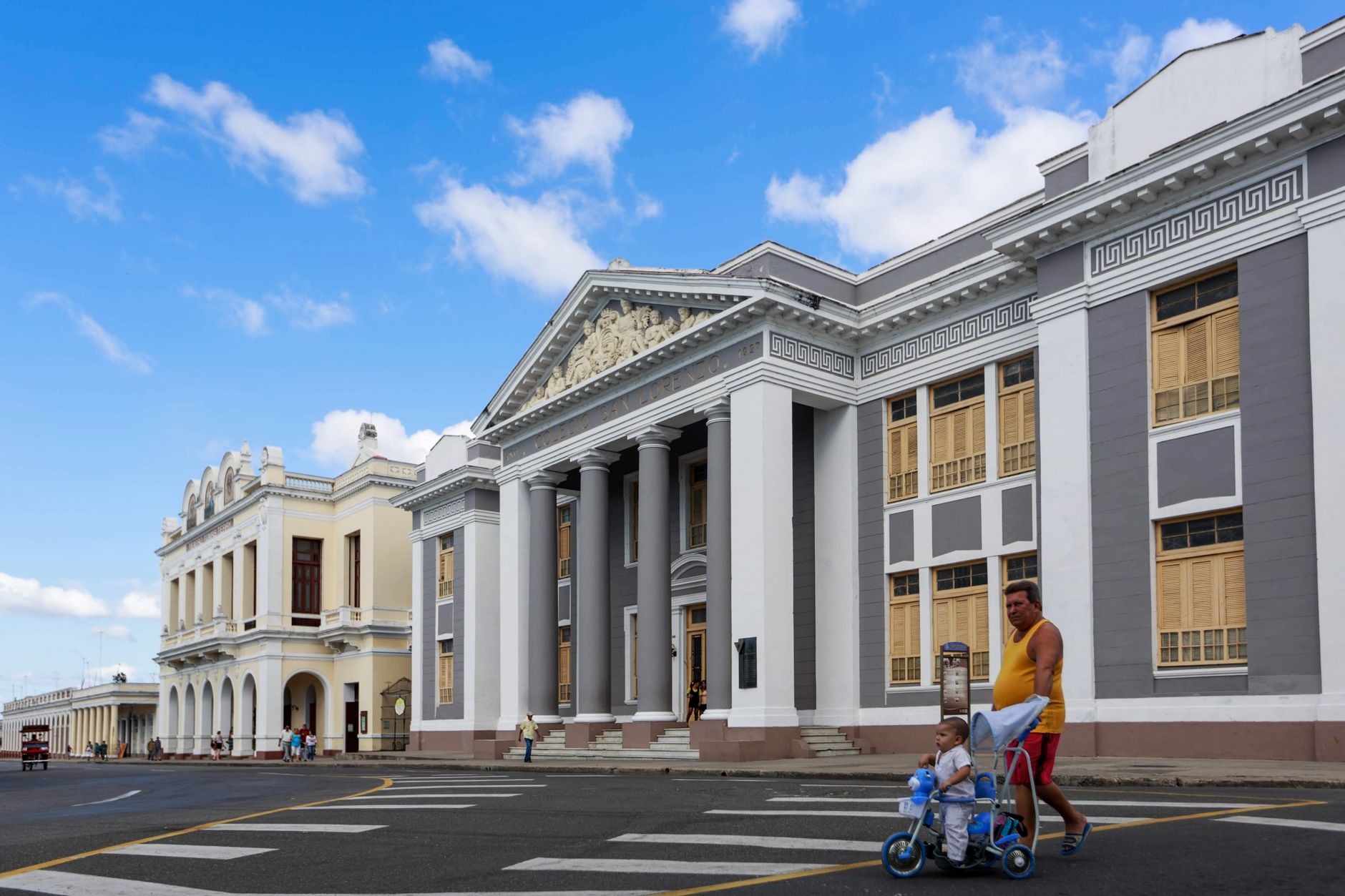
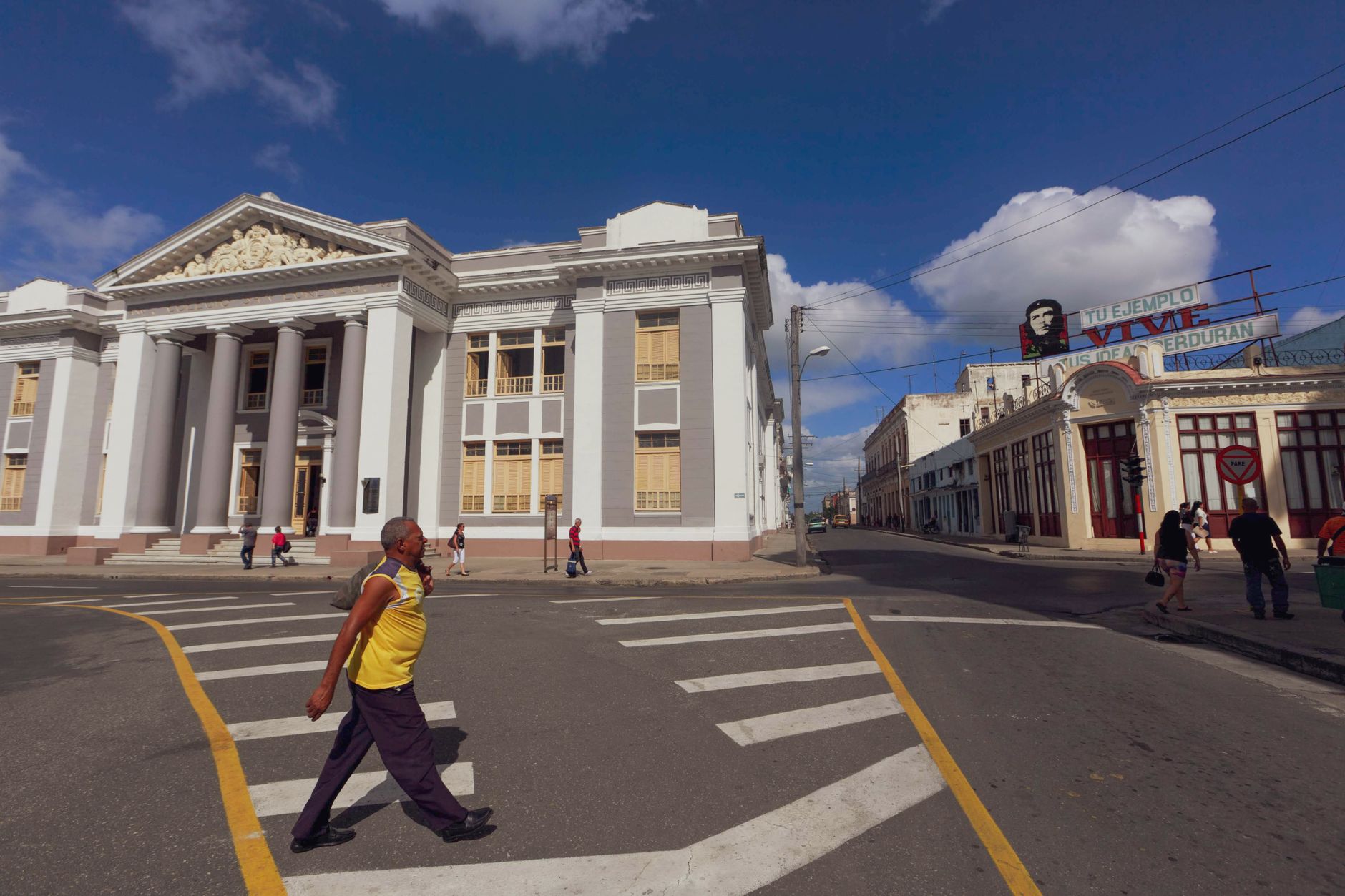
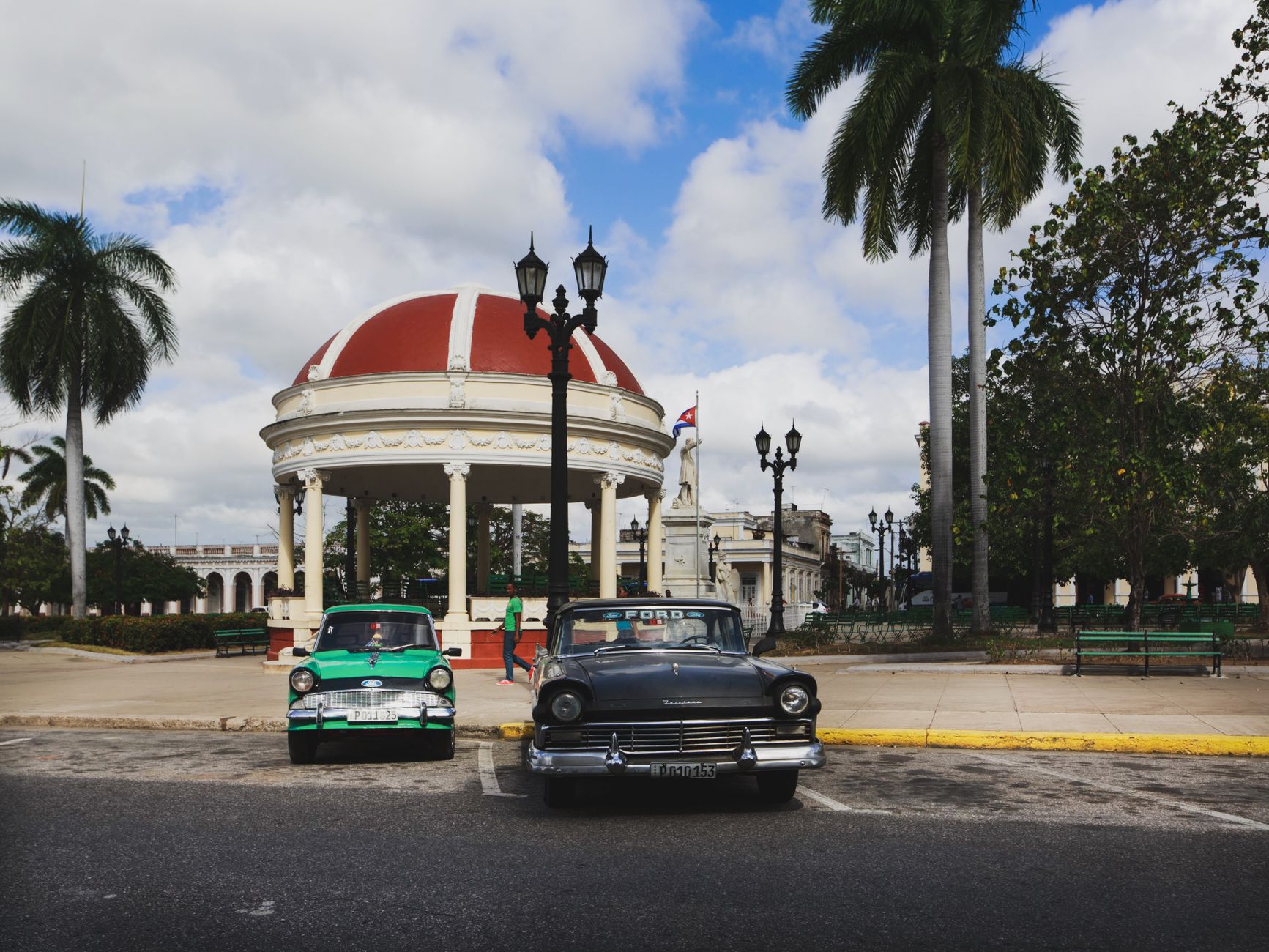
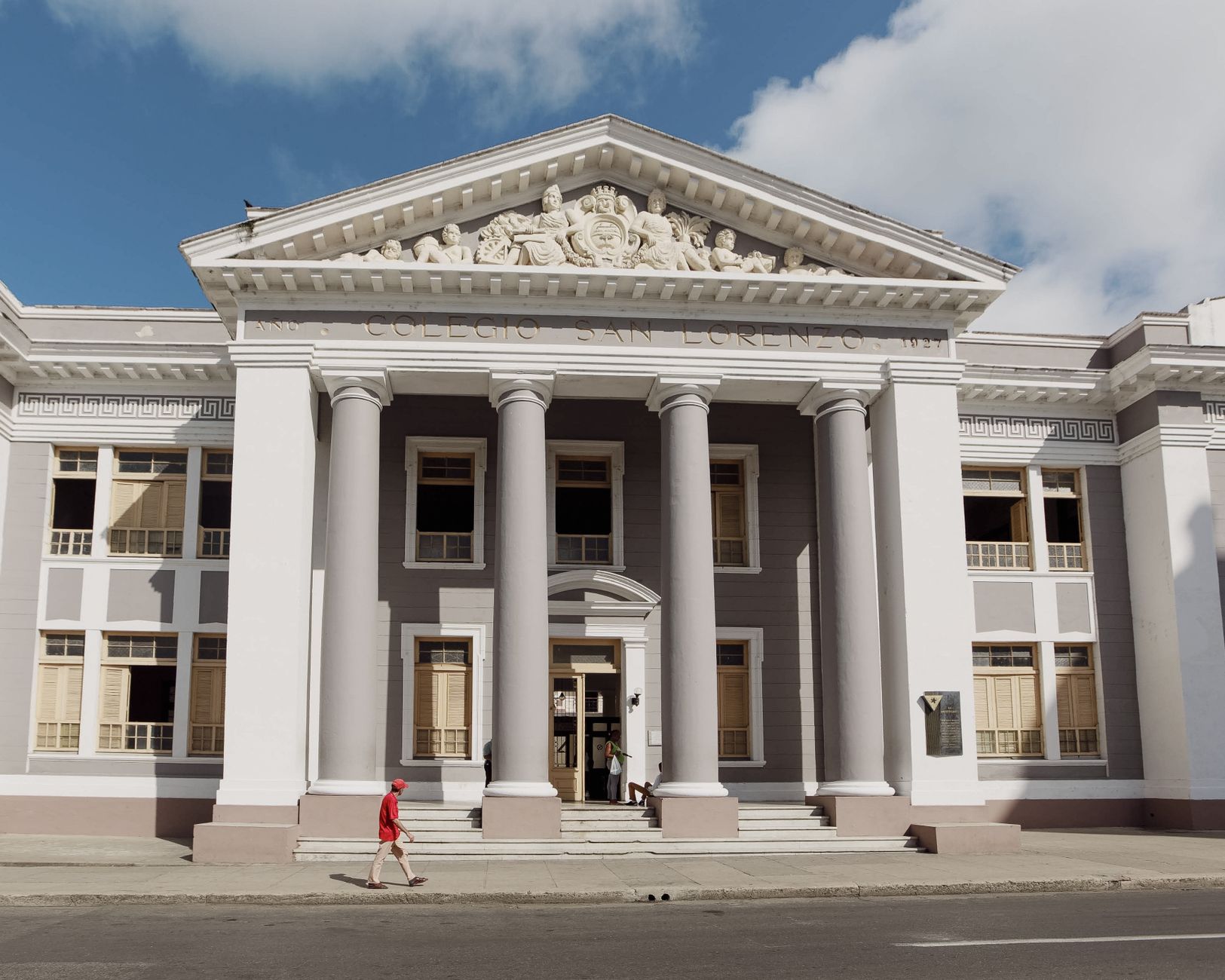
Cienfuegos sits on the southern coast of Cuba with a wide, almost theatrical bay behind it and a grid of streets that still carries the logic of its French founders. The historic centre is compact enough to walk in an afternoon, but the buildings slow you down — a triumphal arch on the main square, a theatre with Carrara marble and hand-carved floors, a Moorish palace at the end of a peninsula pointing into the water.

The city has been industrial since the 19th century — sugar, and later energy — yet the UNESCO-listed core feels unhurried. Punta Gorda, the slender residential arm that stretches into the bay, is where the pace drops further still.

Good to know
Viazul buses from Havana run daily and take around 4.5 hours — book ahead in high season, as seats go fast. The train exists but runs long and unreliably. Once you arrive, the centre is flat and walkable. Dry season (November to April) is the most comfortable time to visit.
The story

How Cienfuegos came to be

On 22 April 1819, a group of French immigrants from Bordeaux landed here under Lieutenant Colonel Don Luís De Clouet y Favrot and founded a settlement they called Fernandina de Jagua — a name that honoured both the Spanish king Ferdinand VII and a local Ciboneyan chief. The town was destroyed by a storm in 1825 and rebuilt. By 1829 it had been renamed for José Cienfuegos Jovellanos, Captain General of Cuba, and by 1880 it had grown into a city.

Wealth from sugar shaped its architecture. The industrialist Tomás Terry commissioned the theatre that bears his name, opened in 1890. The Castillo de Jagua, guarding the bay entrance, predates all of this — completed in 1745 to hold off pirates. In September 1957, during the Cuban Revolution, the city rose against Batista and was bombed.

People & landmarks

Who and what shaped it

People who shaped it

Don Luís De Clouet y Favrot
Led the founding expedition of French immigrants from Bordeaux on 22 April 1819.
Tomás Terry
19th-century sugar magnate and industrialist; commissioned the Tomás Terry Theatre.
Benny Moré
Singer and composer born in nearby Santa Isabel de las Lajas; considered a Cienfuegos hero.
Antonio Prohías
Cuban-born cartoonist and creator of Spy vs. Spy; resident of Cienfuegos.
John O'Bourke
Irish-born resident whose three sons were Cuban independence fighters.

Landmark buildings

Catedral de la Purísima Concepción
Neoclassical cathedral opened 1833 with twin bell towers and stained-glass windows.
Teatro Tomás Terry
Opened 1890; 950-seat horseshoe auditorium with Carrara marble and hand-carved wooden flooring.
Palacio de Valle
Moorish-style palace completed 1917 on Punta Gorda peninsula.
Palacio Ferrer
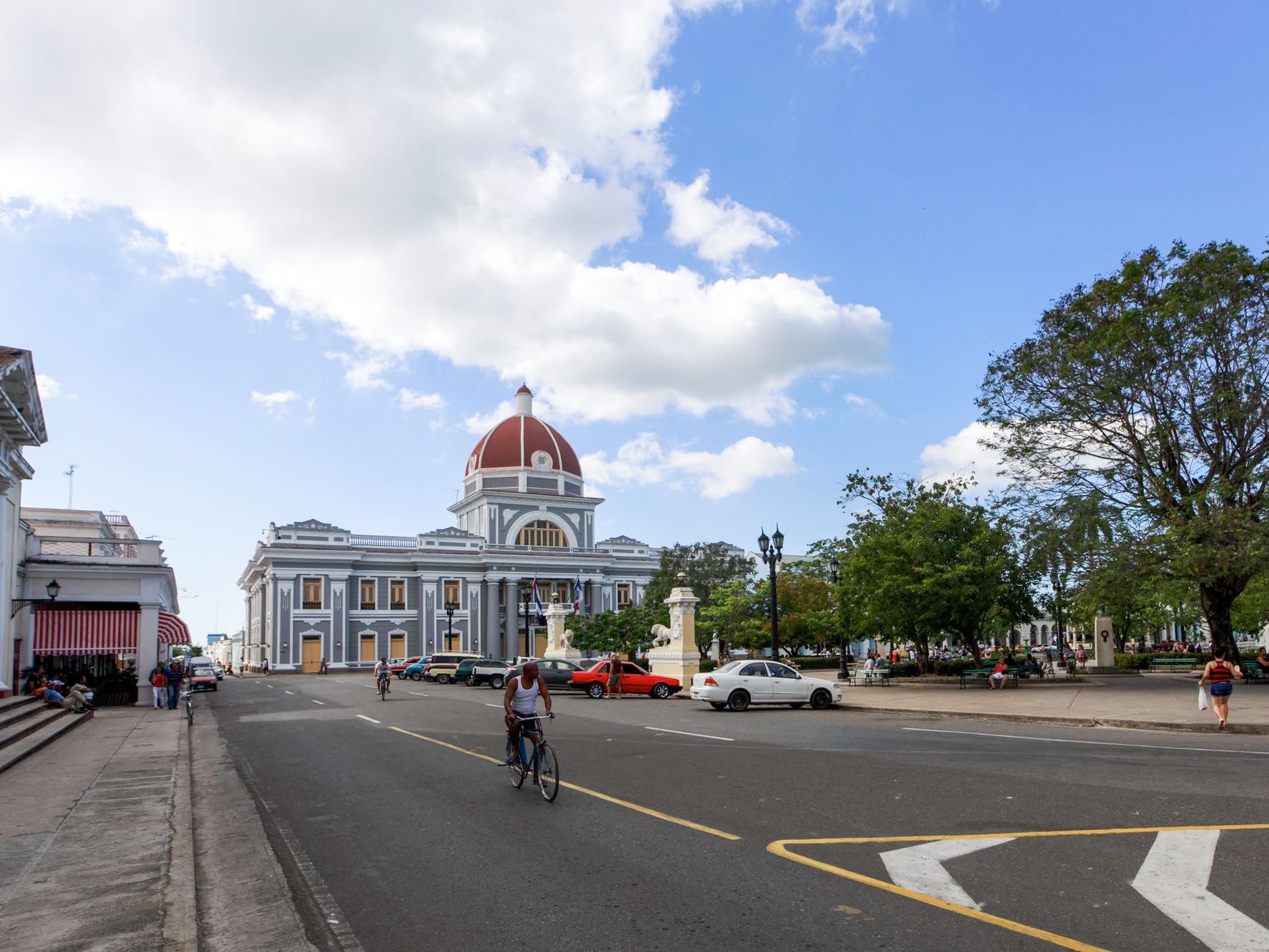
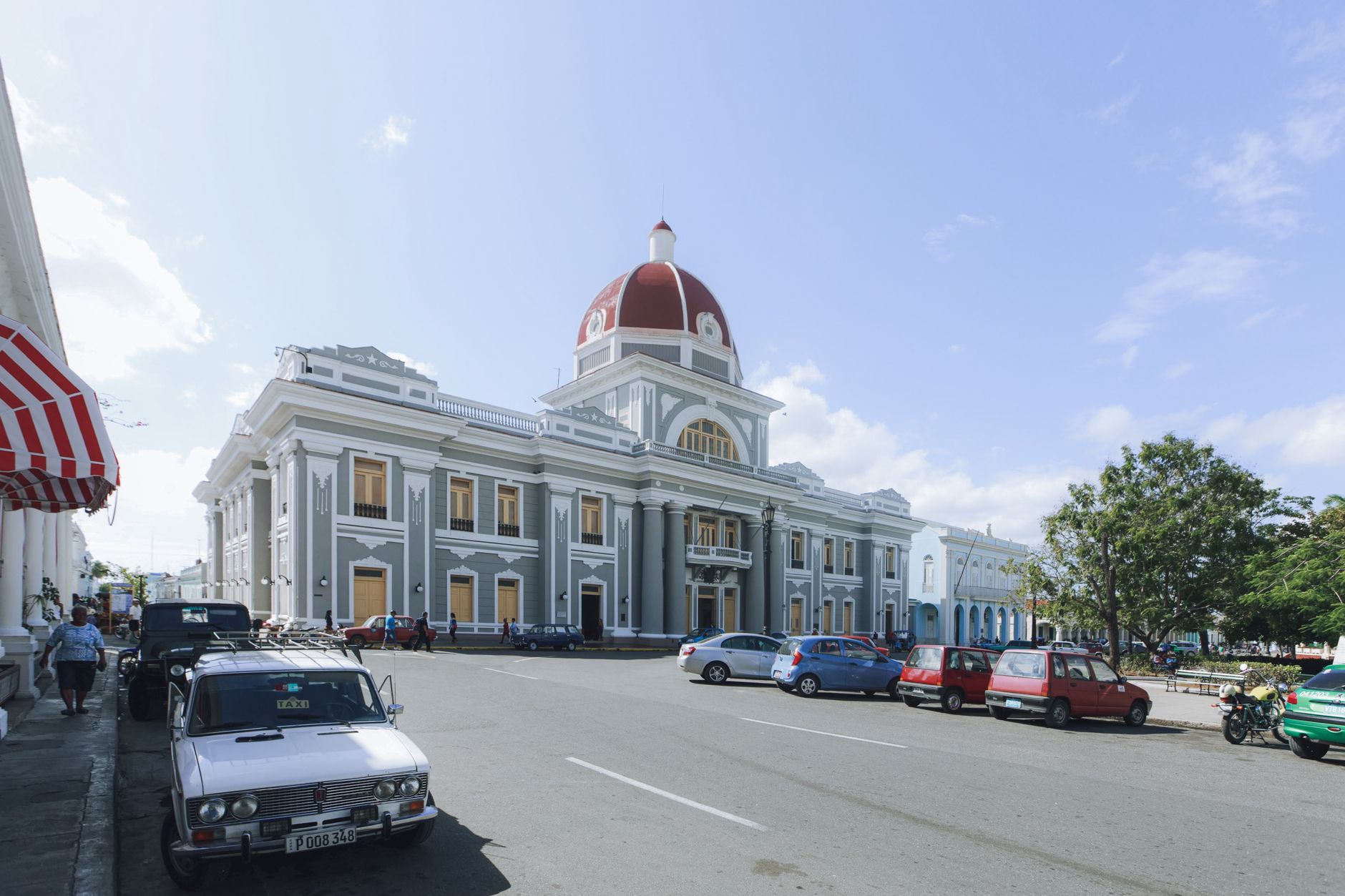
Neoclassical building built 1918 on José Martí Park; designed by Pablo Donato Carbonell.
Arco de Triunfo
Triumphal arch on José Martí Park commissioned 1902 to commemorate the creation of the Republic of Cuba.
Castillo de Jagua
Fortress completed 1745 at bay entrance to defend against pirates.
Parque José Martí
Central plaza with compass rose marking the zero kilometre point of Cienfuegos.
Botanical Garden
97-hectare garden declared National Monument on 20 October 1989.
Reina Cemetery
Neoclassical cemetery; unique in Cuba for retaining niches for burials.
Watch

See Cienfuegos in motion

Practical

Plan your visit

On the map

When to go

November through April brings lower humidity and reliable sunshine — the most comfortable window for walking the streets. From June onward, heat and humidity climb and the hurricane season (peaking August to October) brings the risk of heavy rain.

Right now

32°C
Partly cloudy
Fri
33°
25°
Sat
🌧️
33°
25°
Sun
🌧️
32°
25°
Mon
⛈️
34°
25°
Weather data: Open-Meteo

Background & history adapted from Wikipedia (CC BY-SA) · specs from Wikidata (CC0) · weather from Open-Meteo · map data © OpenStreetMap contributors · photos from Wikimedia Commons / Unsplash with per-image credit. No third-party reviews or social posts reproduced.

Top