
Holguín
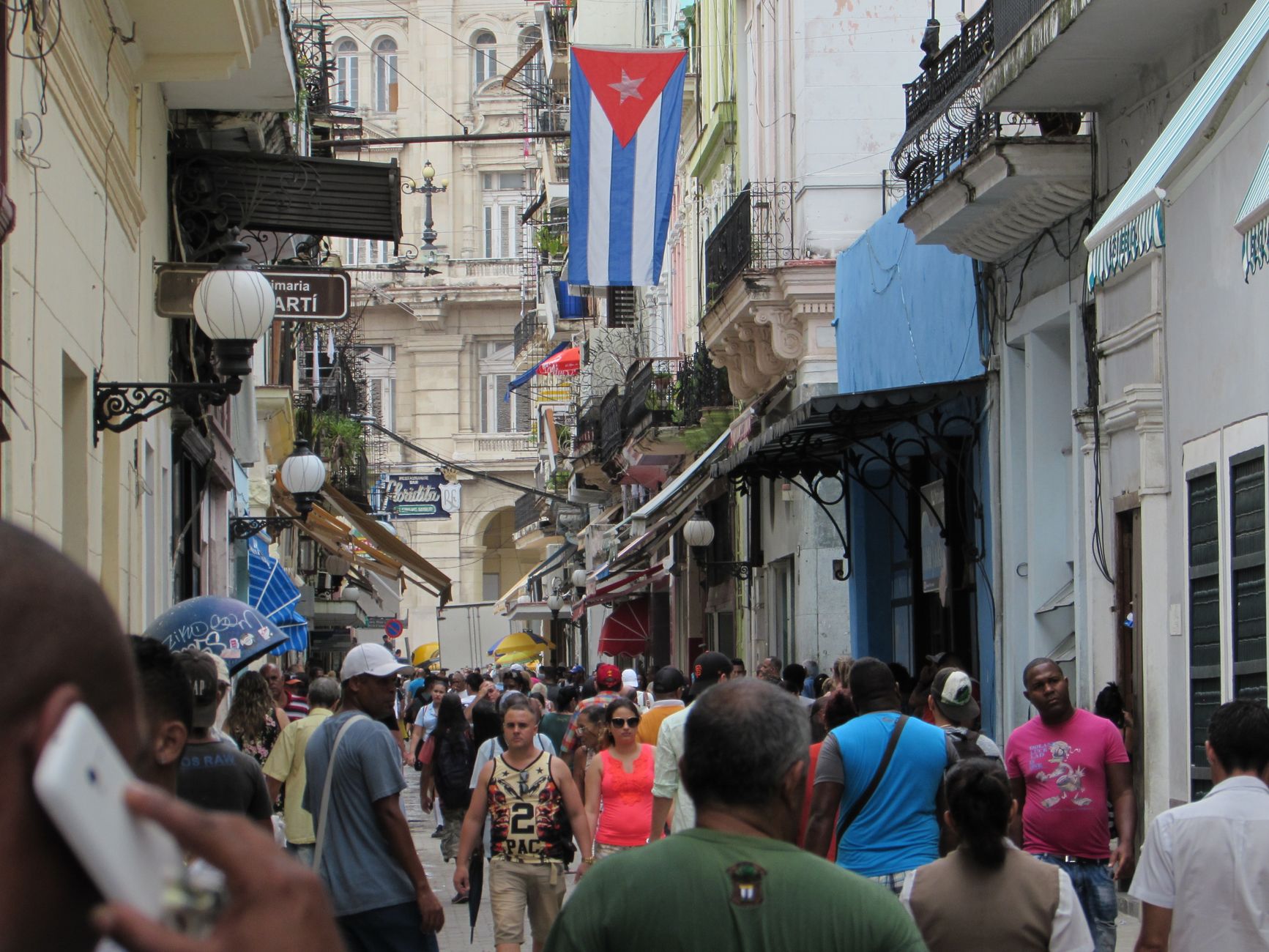
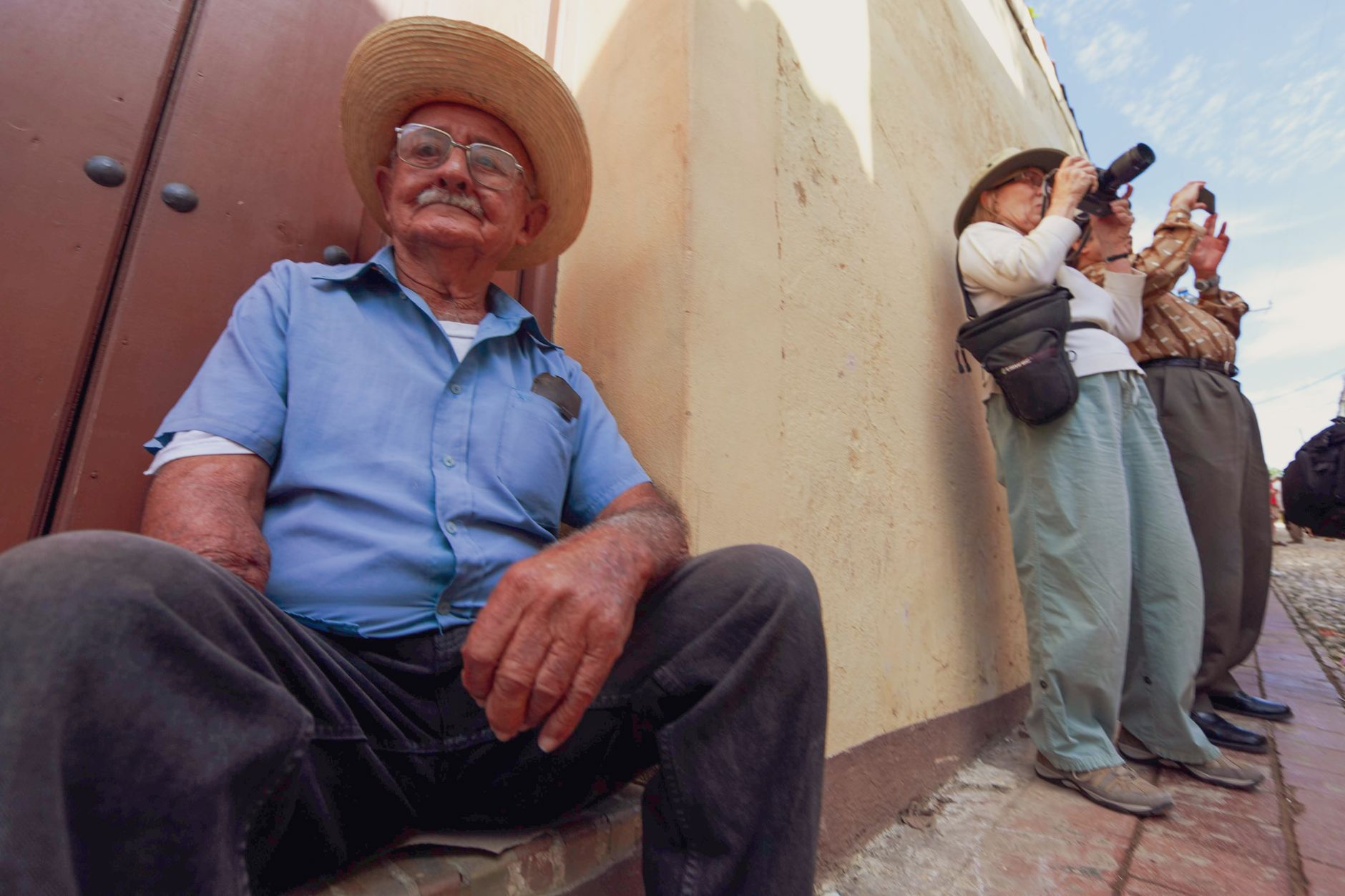
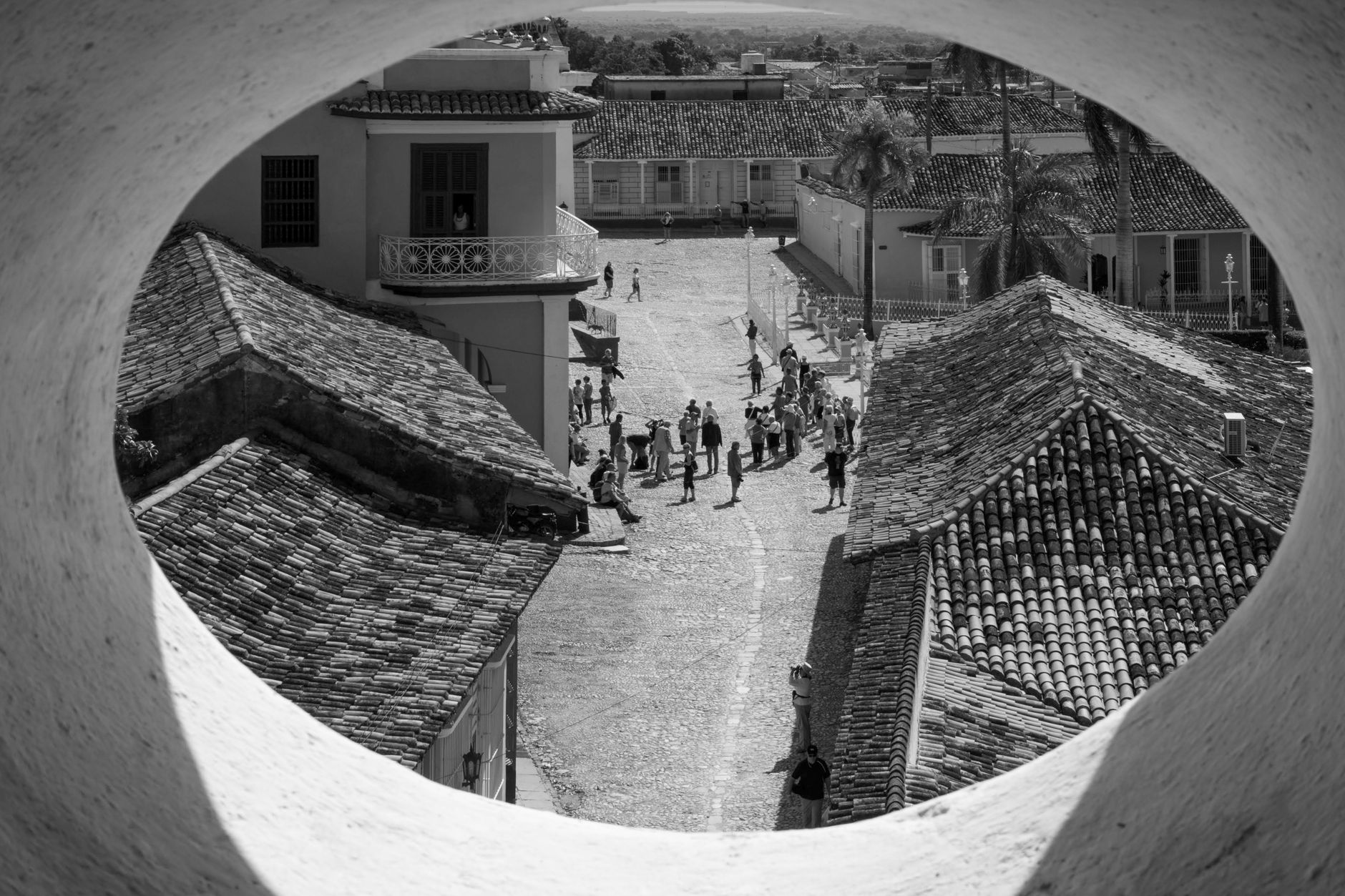
Holguín is the province where Cuba's eastern interior opens up — a landscape of rolling hills, red-earth farmland, and a coastline that includes some of the island's least-crowded beaches. The city at its centre is compact and walkable, anchored by Calixto García Park, where locals buy prepaid internet cards and sit in the shade of the same plaza that has organised public life here for generations.
Beyond the city, the province holds more than most visitors expect: the archaeological site at Chorro de Maíta, a Taíno cemetery left essentially as it was found; the bay at Bariay where Columbus made landfall in 1492; and the birthplace of the Castro brothers in the small town of Birán.
How Holguín came to be
The land was granted by Diego Velázquez de Cuéllar to Captain Francisco García Holguín in 1523, and the settlement that grew from it was formally recognised as a villa in 1545 — named San Isidoro de Holguín after both the patron saint and the captain's maternal surname. The church dedicated to San Isidoro was completed in 1720, its brick arcades and Moorish roofline still standing in the city centre.
Holguín's 19th century was defined by conflict. On October 30, 1868, Cuban independence fighters took the city at the opening of the Ten Years' War, and the struggle continued through the 1895–98 independence campaign. La Periquera — the neoclassical barracks built between 1860 and 1868 as a Spanish military stronghold, and nicknamed the 'Parakeet House' by locals — now serves as the Provincial Museum of History, housing Taíno artifacts among its collections.
Who and what shaped it
People who shaped it
Landmark buildings
See Holguín in motion
Plan your visit
On the map
When to go
The dry season runs November through April, with December through February bringing the least rainfall and daytime temperatures around 28°C (82°F). The wet season peaks in October, and hurricane risk runs from June through November, with August through October the most active months.
Right now
Background & history adapted from Wikipedia (CC BY-SA) · specs from Wikidata (CC0) · weather from Open-Meteo · map data © OpenStreetMap contributors · photos from Wikimedia Commons / Unsplash with per-image credit. No third-party reviews or social posts reproduced.