
Santiago de Cuba
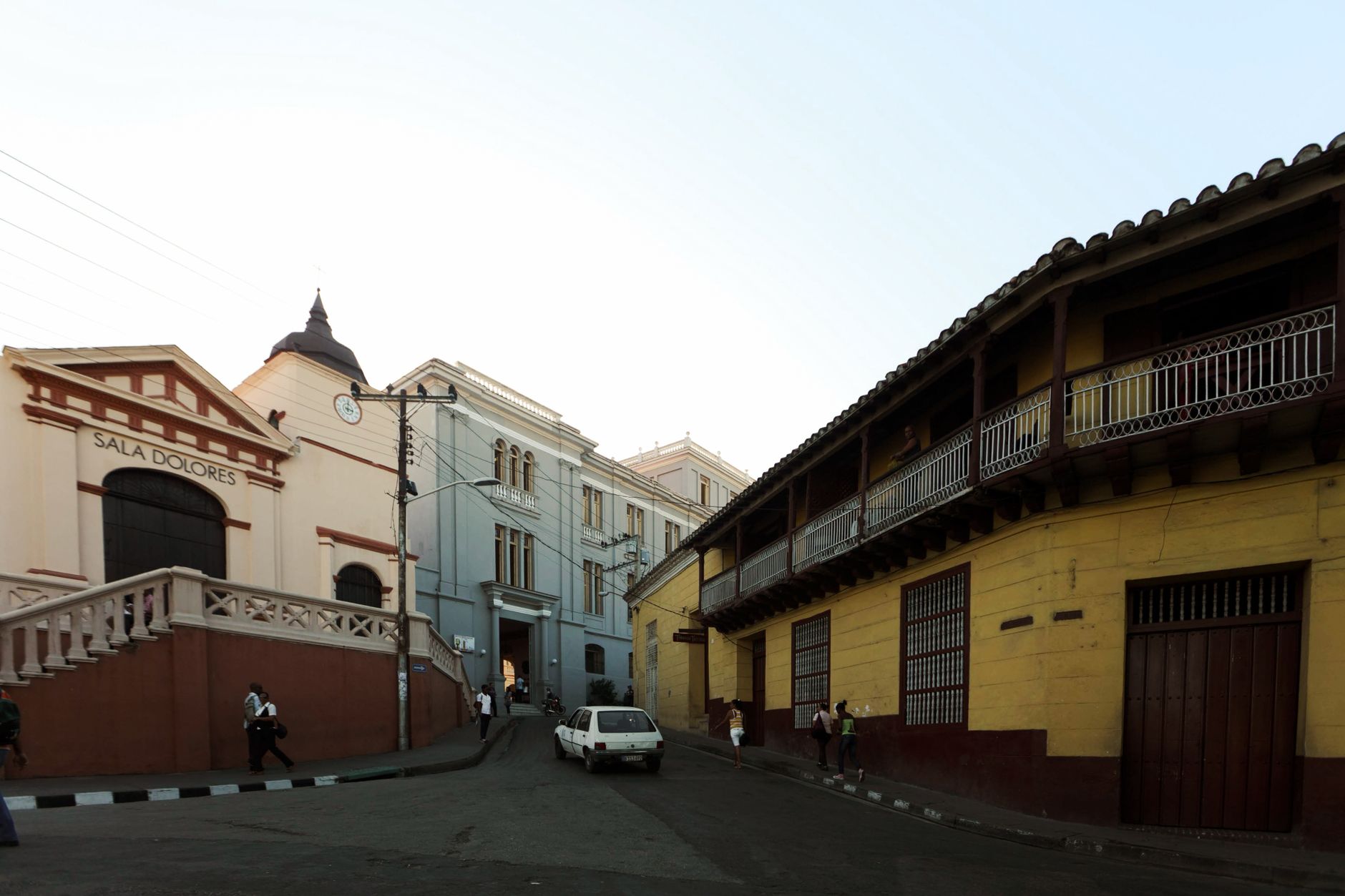
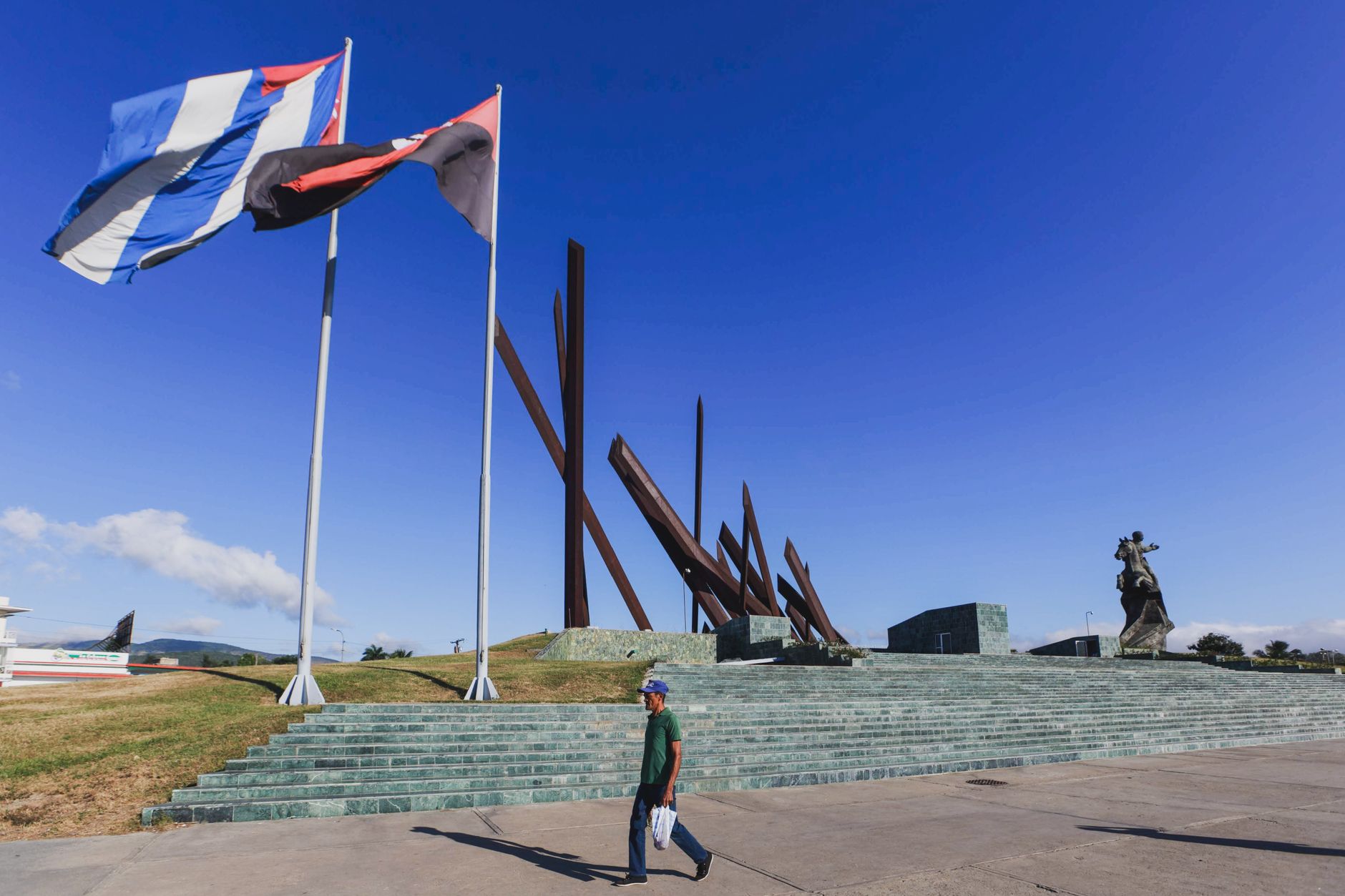
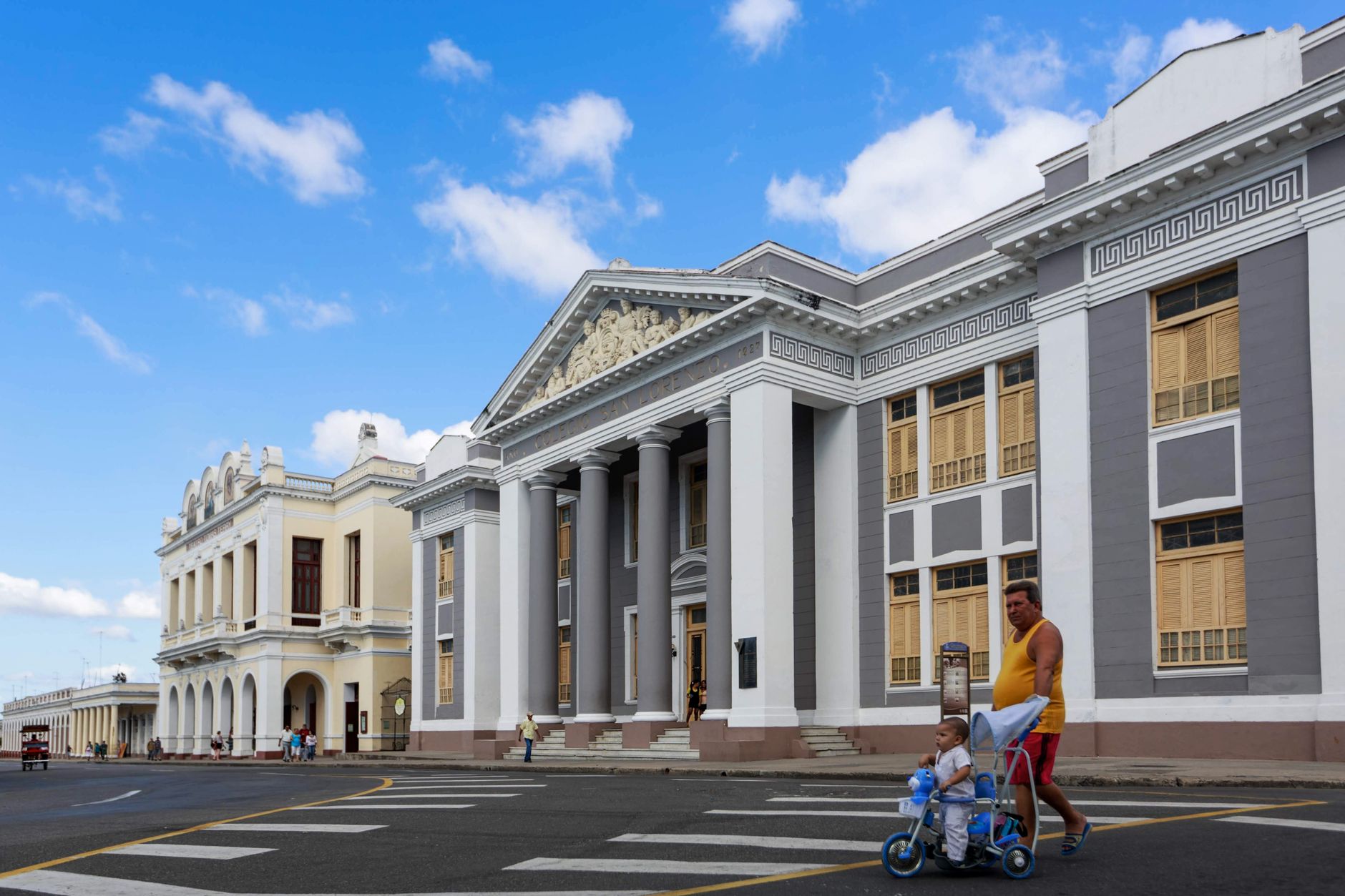
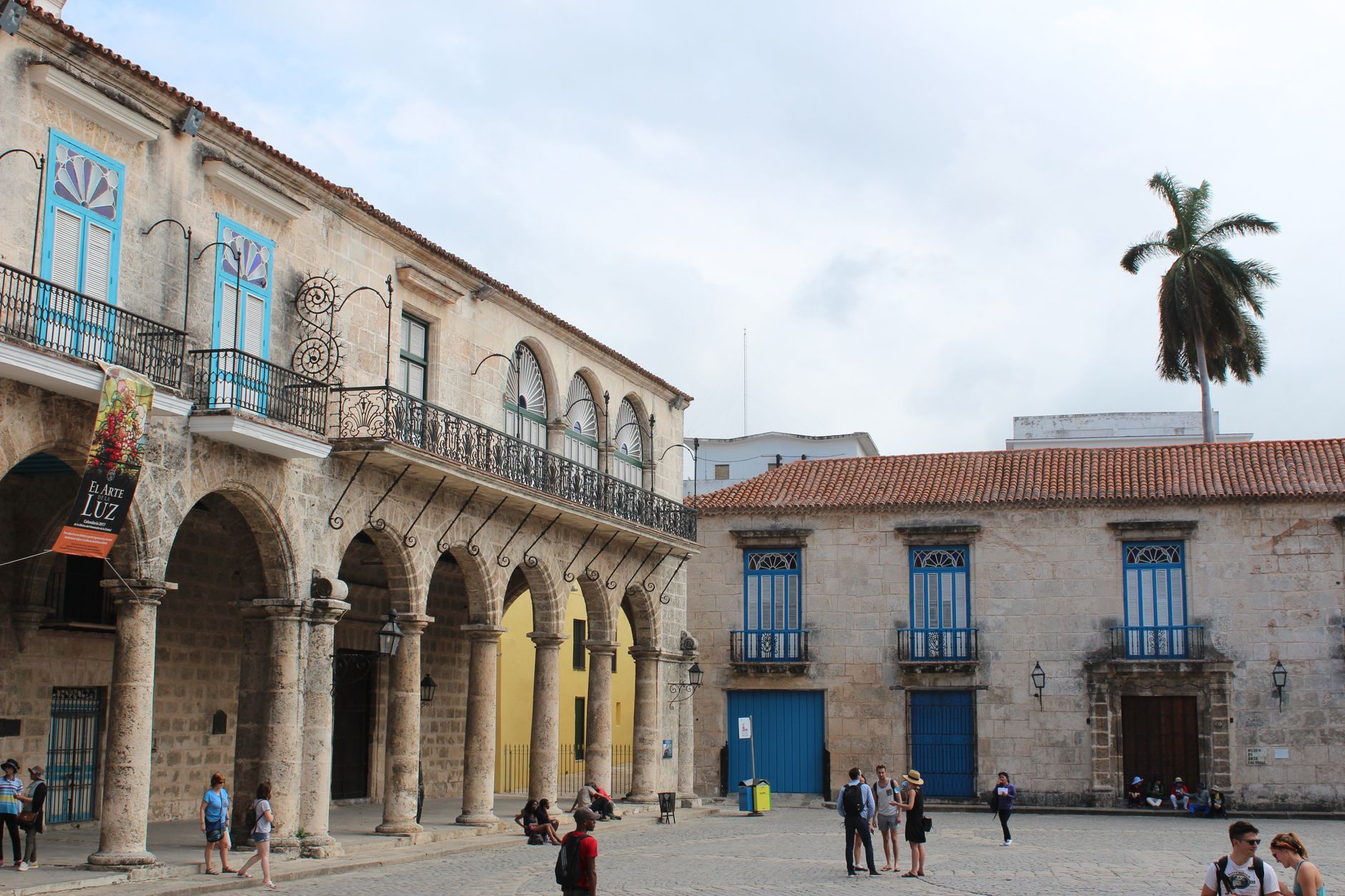
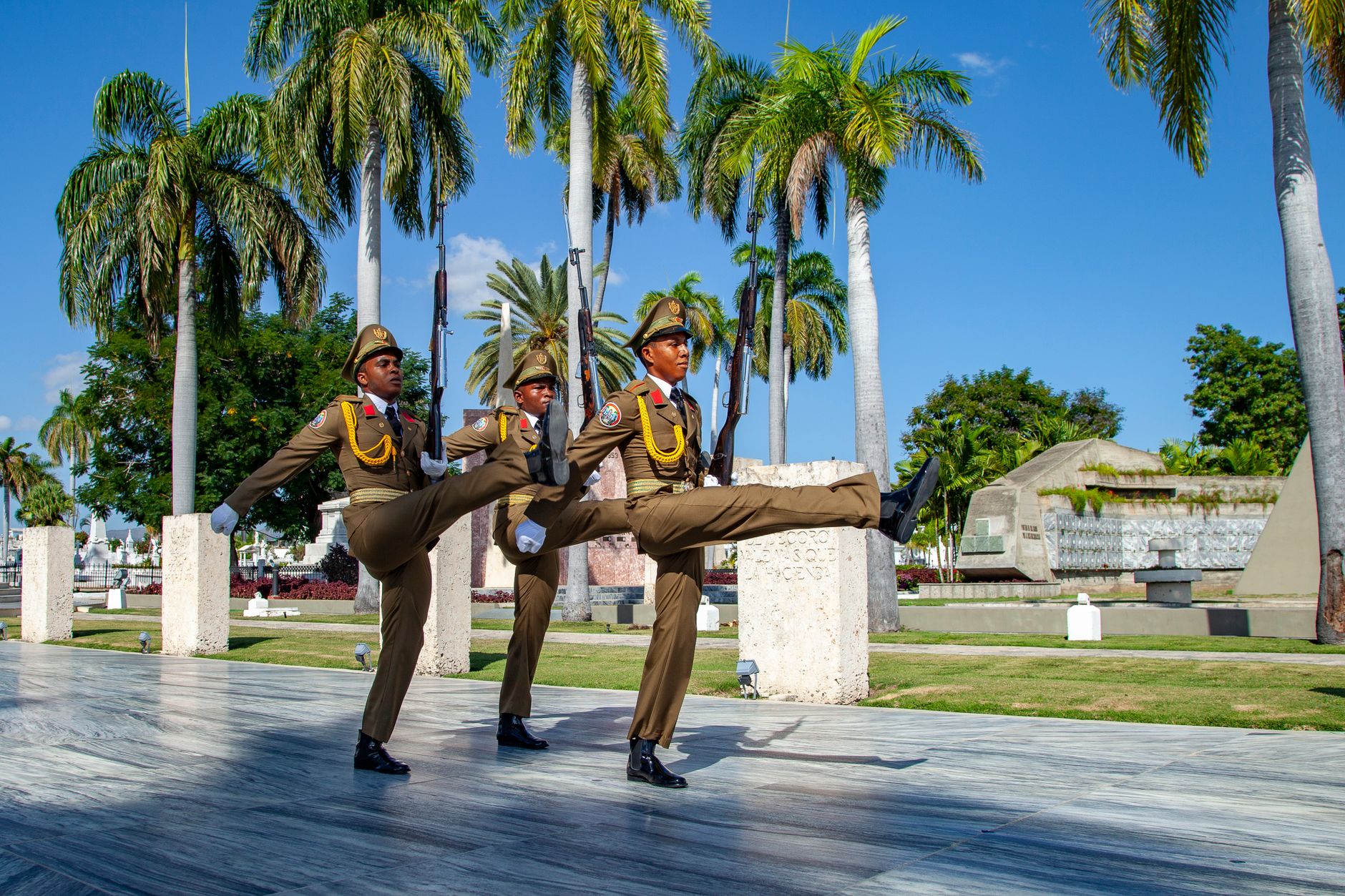
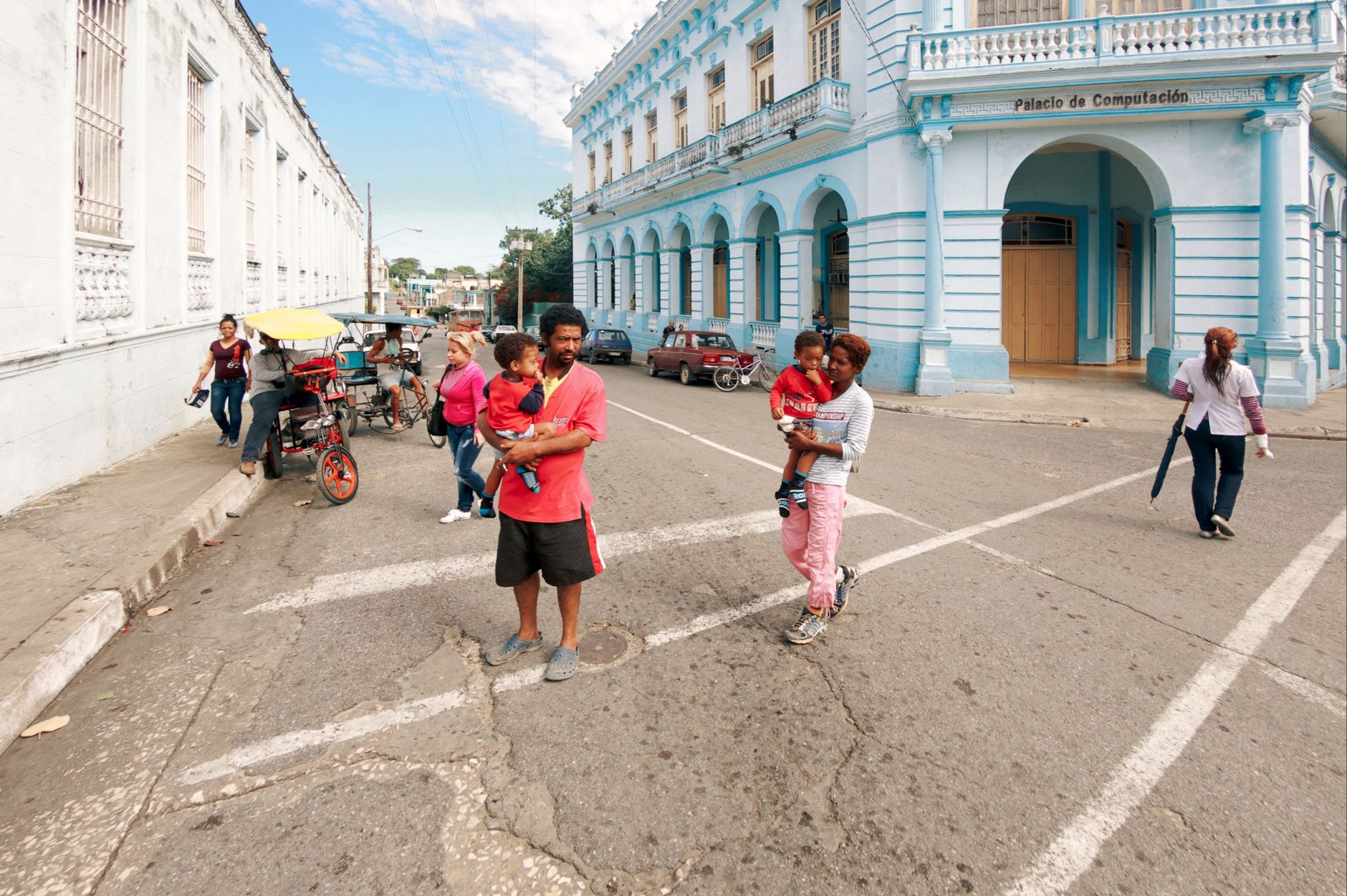
Santiago de Cuba sits at the far eastern end of the island, closer in temperament to the Caribbean than to Havana, and it has always known it. This is where the son was born, where rum was first distilled commercially, where the revolution was declared won. The air carries both heat and history in roughly equal measure.
The city fans up from a deep bay into a series of hills, so streets climb and surprise you. Parque Céspedes anchors the old center, with the Casa de Diego Velázquez — the oldest standing house in Cuba, built in 1522 — on one side and the cathedral's twin neoclassical towers on another. Everything else radiates outward from there.
How Santiago de Cuba came to be
Diego Velázquez de Cuéllar founded the settlement on 25 July 1515. It burned almost immediately, was rebuilt, then shifted a few miles to its current site in 1522 — the year the bishopric arrived from Baracoa and the town became a city. Hernán Cortés served as its first mayor before sailing west toward Mexico in 1518. Santiago was Cuba's capital until 1553.
The city's modern identity was shaped by two wars four decades apart. The Spanish-American War ended decisively in its harbor on 3 July 1898, when the Spanish Atlantic fleet was destroyed. Then on 26 July 1953, Fidel Castro led an attack on the Moncada Barracks — it failed, but the date became the revolution's name. On 1 January 1959, Castro proclaimed victory from the city hall balcony.
Who and what shaped it
People who shaped it
Landmark buildings
See Santiago de Cuba in motion
Plan your visit
On the map
When to go
Santiago is hot and humid year-round, with the driest and most comfortable window running roughly November through April. The Atlantic hurricane season (June–November) brings the real risk of storms, and summer temperatures regularly exceed 33°C with high humidity.
Right now
Background & history adapted from Wikipedia (CC BY-SA) · specs from Wikidata (CC0) · weather from Open-Meteo · map data © OpenStreetMap contributors · photos from Wikimedia Commons / Unsplash with per-image credit. No third-party reviews or social posts reproduced.