
Pinar del Río
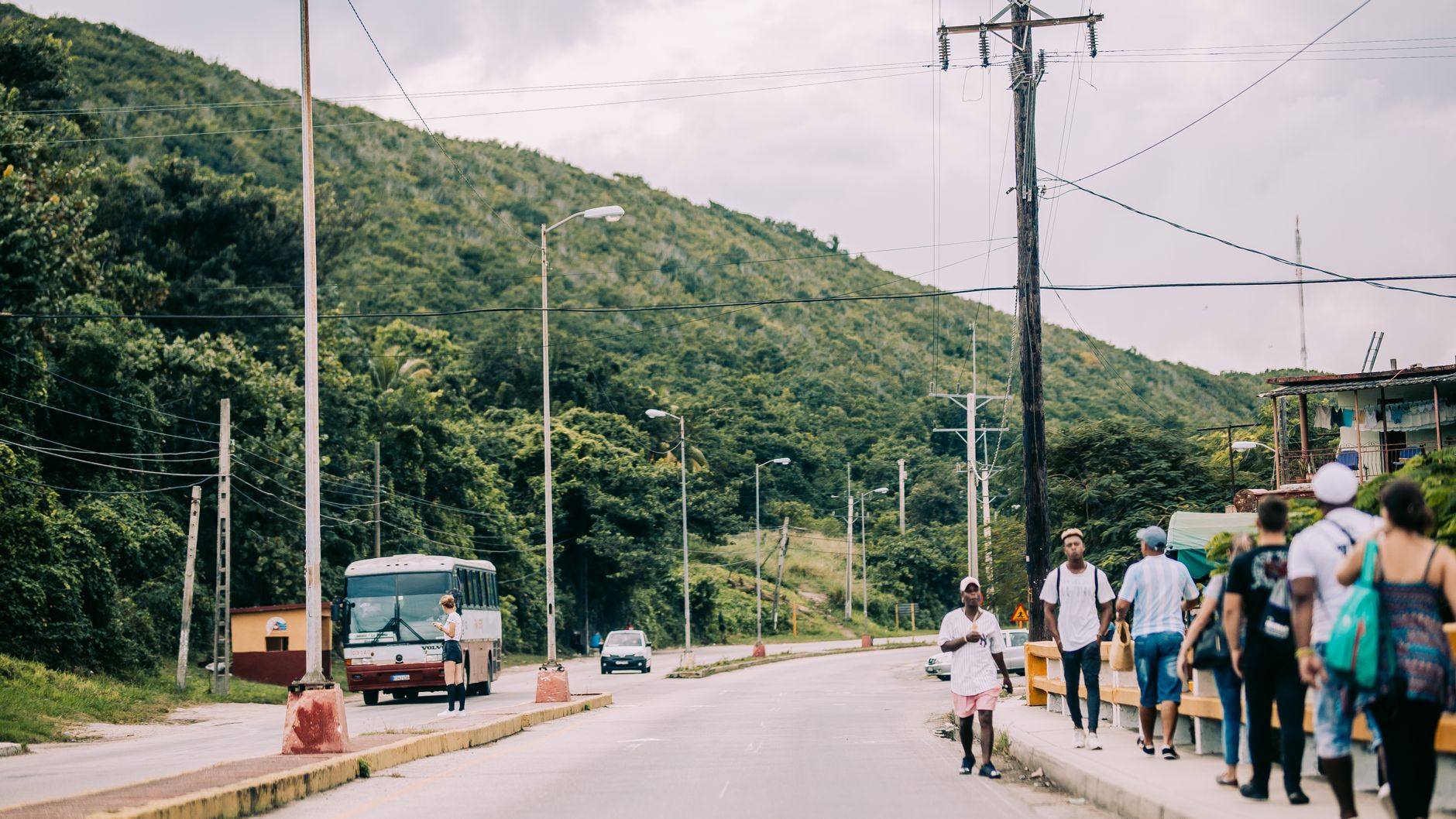
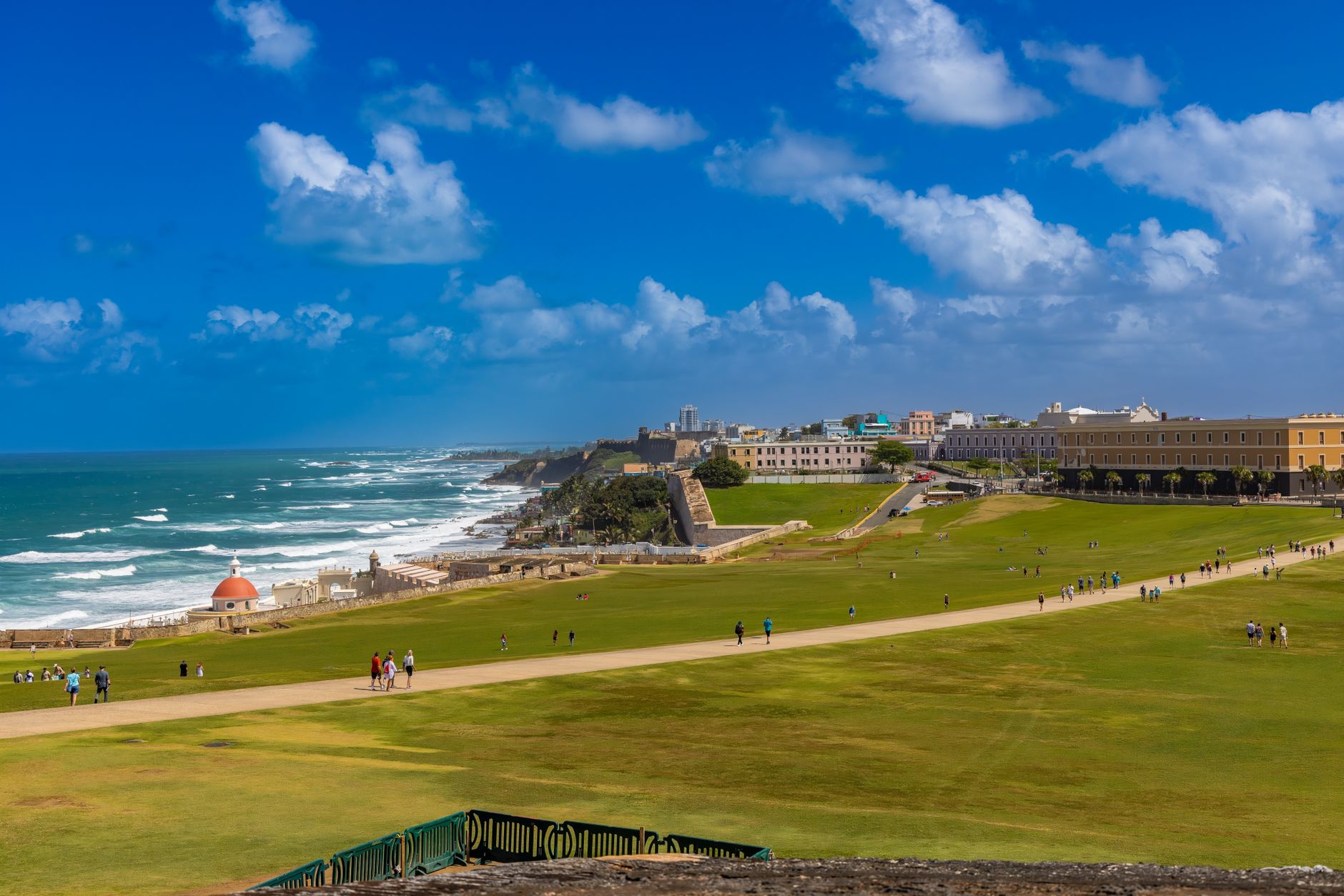
The westernmost province of Cuba exists largely because of a leaf. Vuelta Abajo tobacco — grown in the flat, red-soiled valleys between the limestone mogotes — is considered by many rollers and aficionados to be the finest in the world, and Pinar del Río built its identity, its railways, and much of its architecture around that fact. The city itself sits about two hours west of Havana: quieter, less photographed, and more willing to let you arrive on its own terms.
Beyond the tobacco fields, the province holds the karst landscape of Viñales Valley, underground rivers at Cueva del Indio, and a city centre where a doctor once built himself a palace mixing Gothic, Moorish, and baroque into something that shouldn't work but does.
💛 What travellers fall for
People who return tend to time it for the tobacco harvest, October through February, when the vegas are green and plantation visits have real activity to watch. The Fábrica de Tabacos Francisco Donatien in the city is worth the stop — buy directly at the factory, skip the intermediary. Staying in a casa particular over a hotel almost always yields a better meal and a more honest conversation.
How Pinar del Río came to be
The Spanish founded the city on 10 September 1867 — relatively late by Cuban colonial standards — though the region had been drawing settlers for much longer, partly because of an influx of workers from the Philippines who came to labour on the tobacco plantations, which is why the area was initially called Nueva Filipinas. The name changed to Pinar del Río in 1778, a reference to the pine forests that once crowded the banks of the Río Guama.
Tobacco defined the economy from around 1830, when the Vuelta Abajo region was systematically developed — work that the scientist and writer Tranquilino Sandalio de Noda helped document and organise. The railway arrived in 1893 to move the perishable crop faster, and the city's civic buildings followed: the provincial museum dates to 1879, the cathedral was completed in 1883, and the eccentric Palacio de Guasch — designed and built by the physician Francisco Guasch Ferrer — was finished in 1909.
Who and what shaped it
People who shaped it
Landmark buildings
See Pinar del Río in motion
Plan your visit
On the map
When to go
Pinar del Río sits in Cuba's tropical zone: warm and humid year-round, with the driest and most comfortable months running from November through April. The rainy season, May through October, brings afternoon downpours and the occasional hurricane threat from August onward.
Right now
Background & history adapted from Wikipedia (CC BY-SA) · specs from Wikidata (CC0) · weather from Open-Meteo · map data © OpenStreetMap contributors · photos from Wikimedia Commons / Unsplash with per-image credit. No third-party reviews or social posts reproduced.