
Varanasi
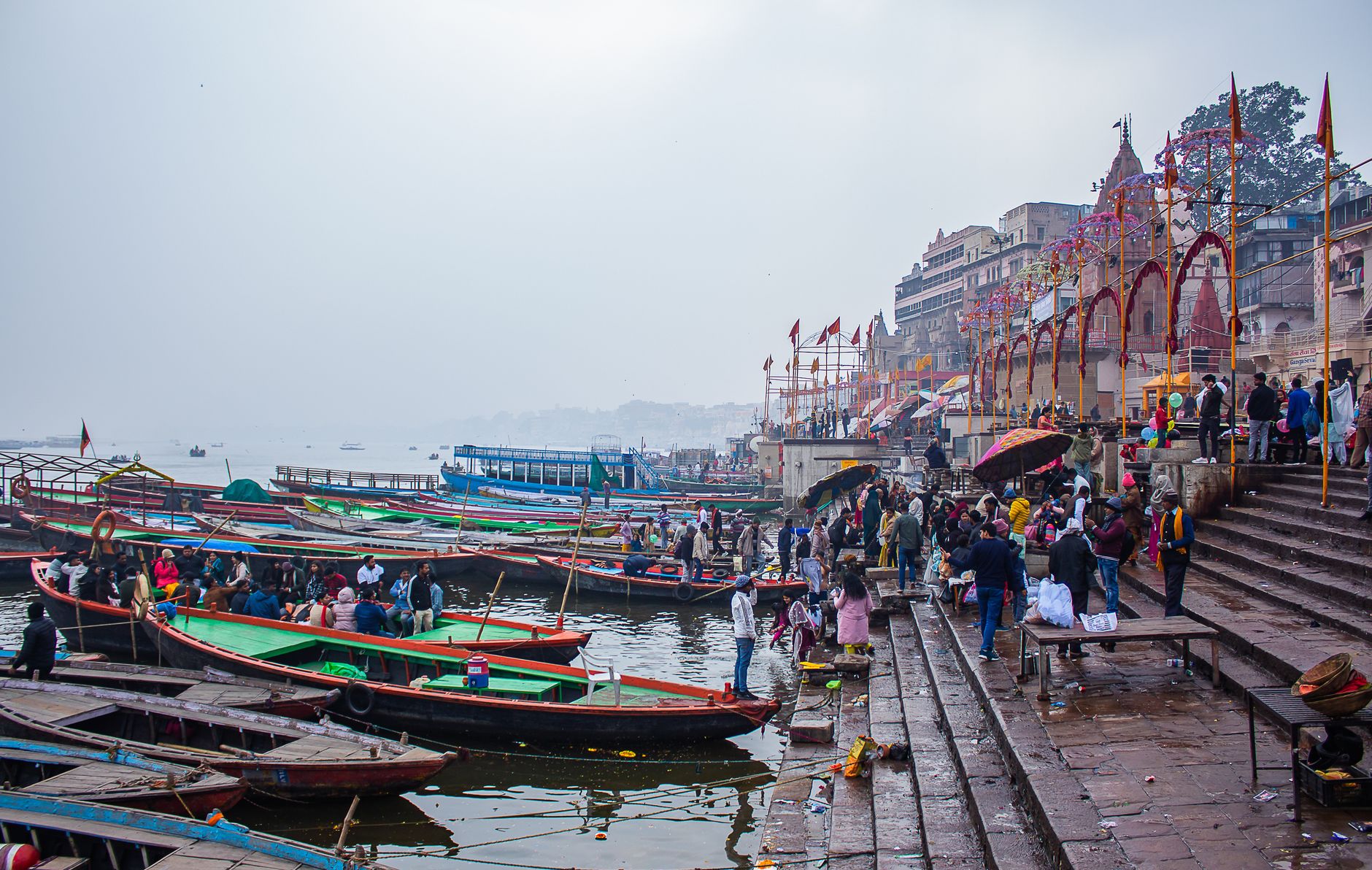
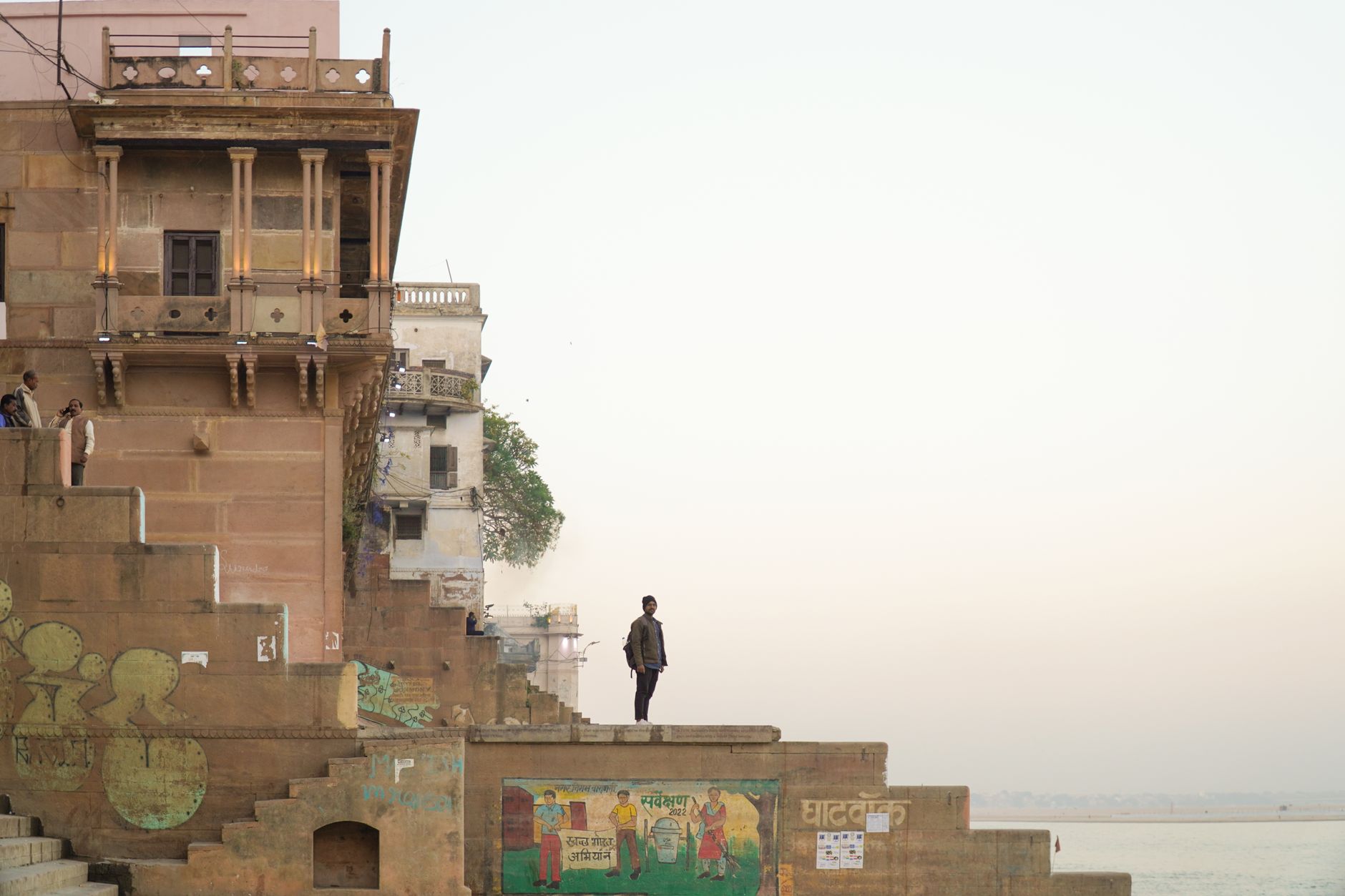
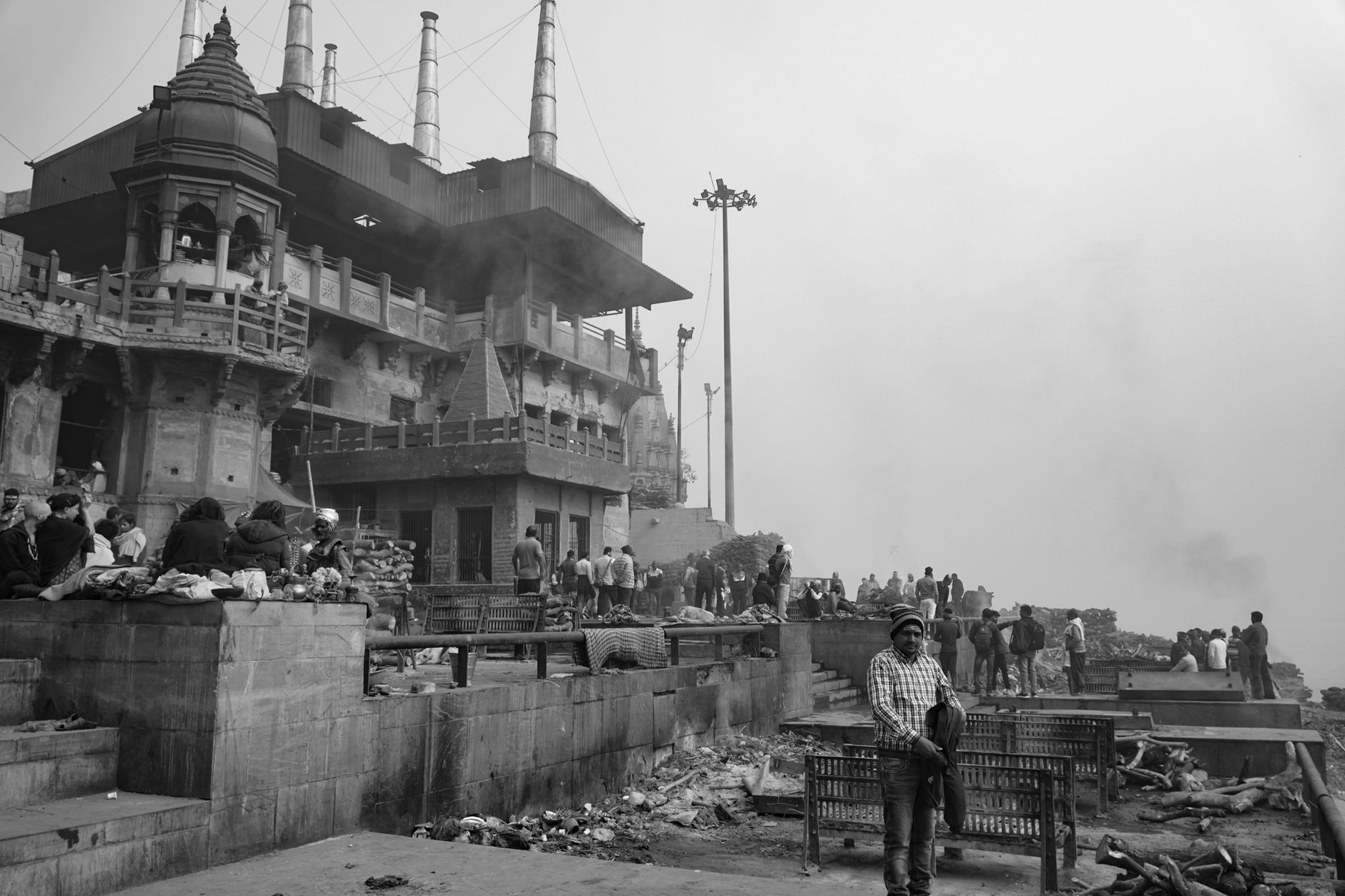
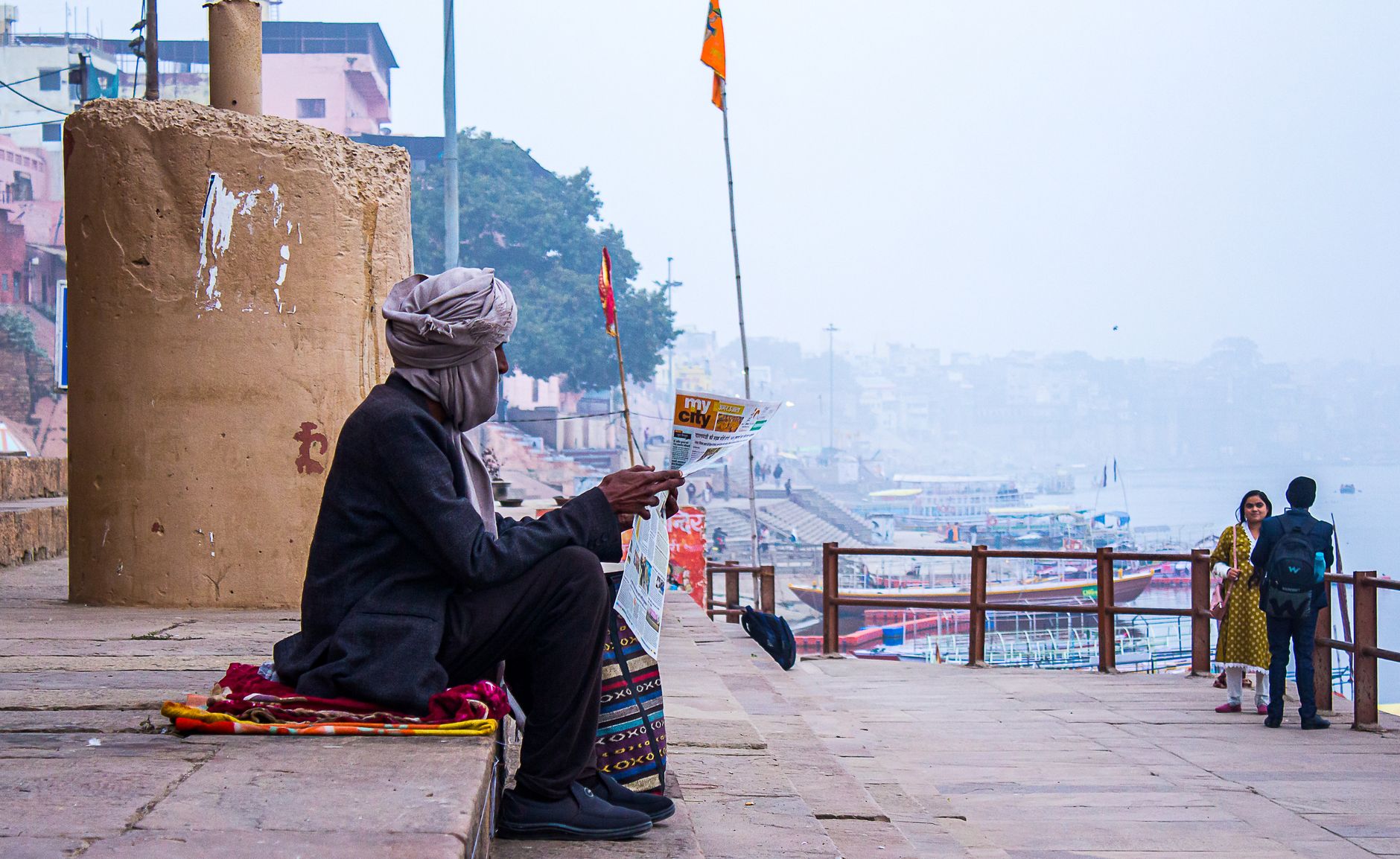
Varanasi is one of the oldest continuously inhabited cities on earth — pottery found at Rajghat dates the settlement to around 1800 BCE — and it wears that age openly. The Ganges here runs wide and slow, and every morning before dawn the ghats fill with people: priests, pilgrims, flower sellers, the recently bereaved. The city does not perform its rituals for visitors; it simply continues them.
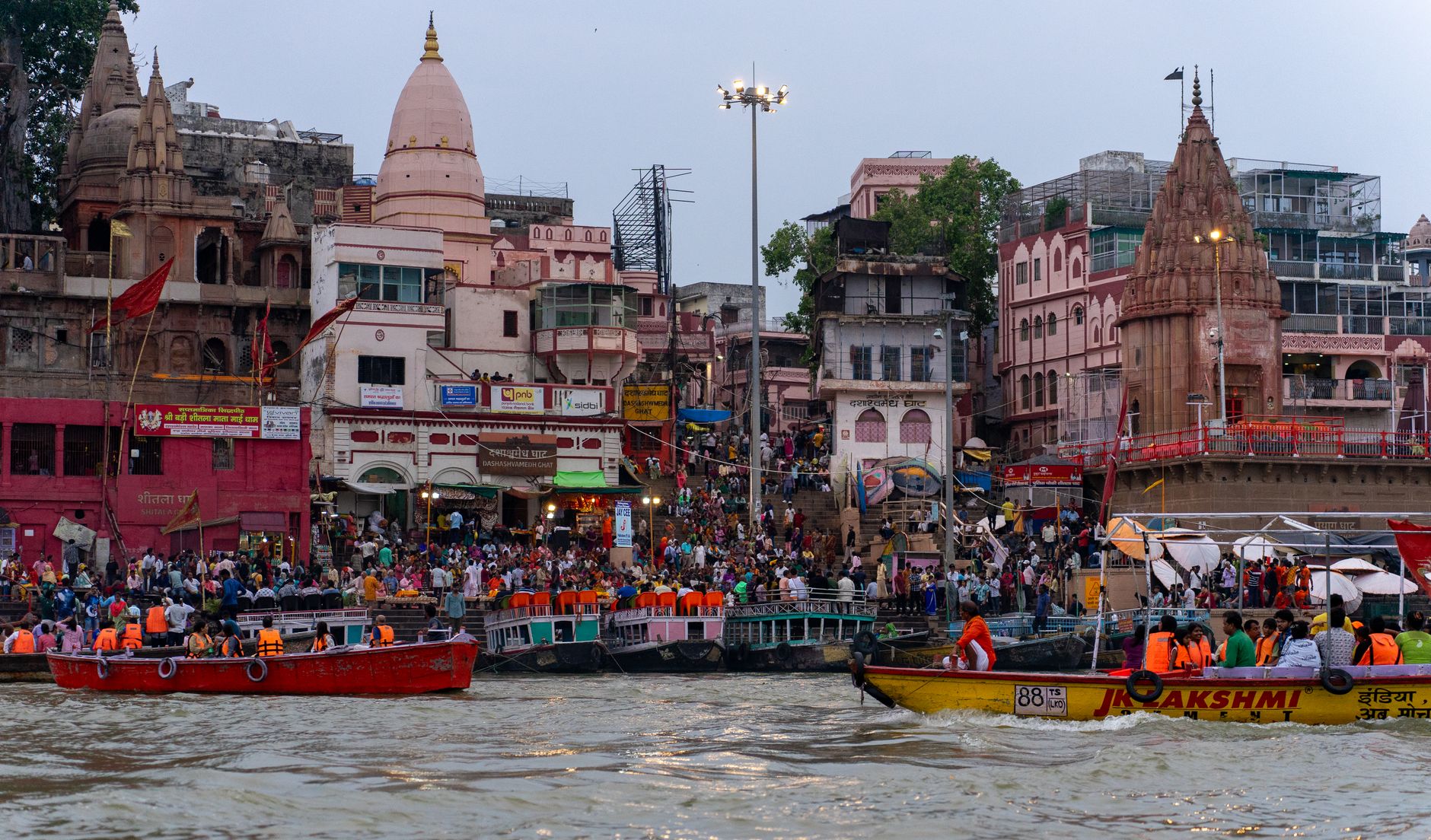
The ghats are the grammar of the place. Dashashwamedh Ghat draws evening crowds for the nightly Ganga Aarti, a fire ceremony that has been held here for centuries. Manikarnika and Harishchandra are the city's cremation grounds, burning around the clock. Varanasi asks you to sit with that, and most people find it changes something in them.
💛 What travellers fall for
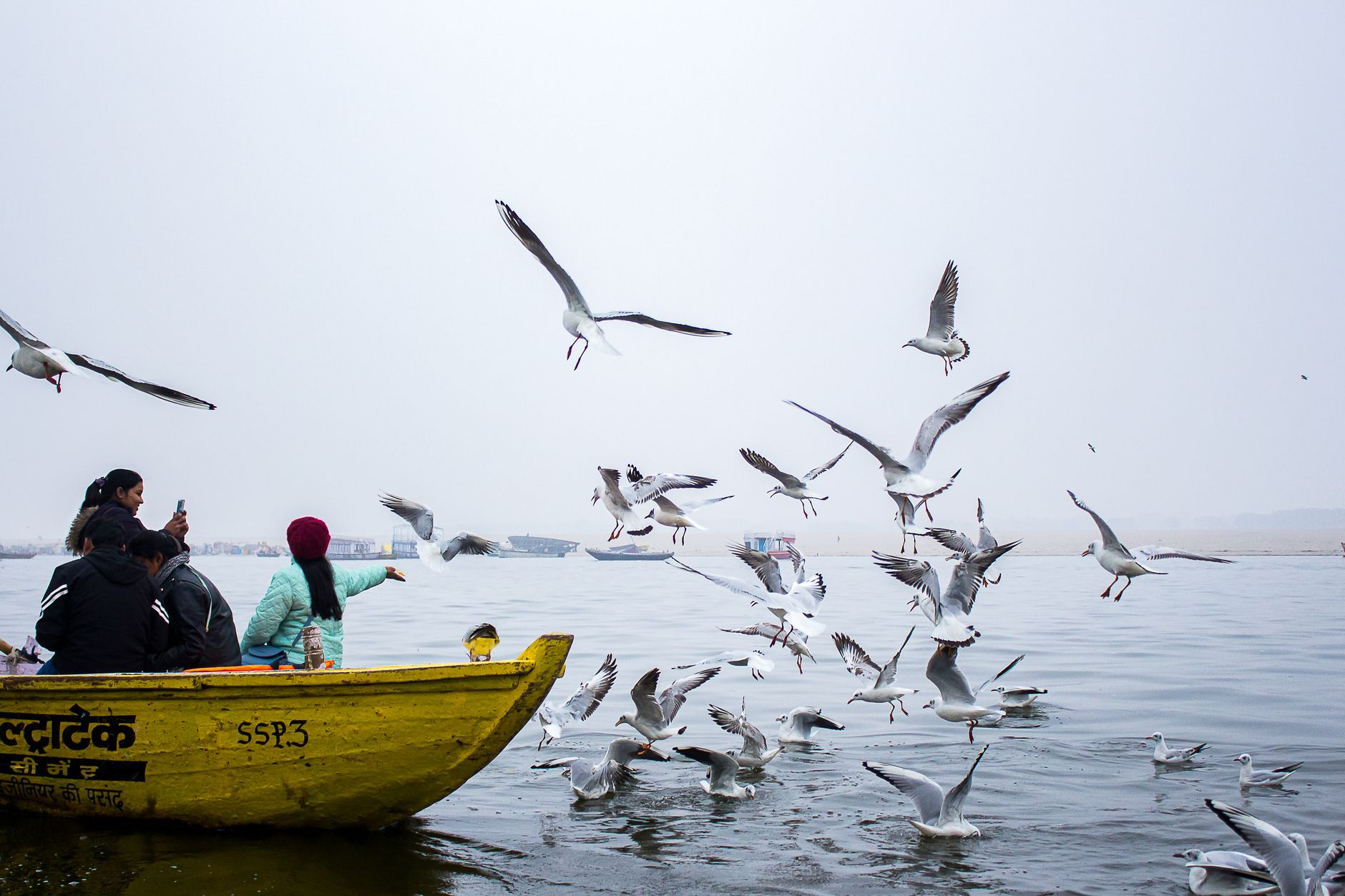
People who return tend to anchor to a single ghat and a single chai stall. Early mornings on the water — a wooden rowboat, no commentary, just the light arriving — come up more than anything else. Bismillah Khan's shehnai still drifts from speakers near Vishwanath Gali most evenings, and that alone is worth the walk.
How Varanasi came to be
Archaeological digs at Rajghat confirm urban life here by at least 1200 BCE, making Varanasi one of the world's oldest cities. By the 6th century BCE it was the capital of the kingdom of Kashi, and it remained a centre of Sanskrit learning and Shaivite worship through the Maurya and Gupta periods. The 8th-century philosopher Adi Shankaracharya consolidated Varanasi's position as the heart of Shaivism in India.
The city's skyline carries its layered history plainly. The Gyanvapi Mosque was raised in 1664 by Aurangzeb on the site of a demolished Hindu temple. Just over a century later, in 1780, Maharani Ahilyabai Holkar of Indore rebuilt the Kashi Vishwanath Temple — its tower now sheathed in 800 kg of gold — a few metres away. In 1916, Banaras Hindu University was founded, drawing on the work of Annie Besant and Pandit Madan Mohan Malaviya; it remains one of India's largest residential universities.
Who and what shaped it
People who shaped it
Landmark buildings
See Varanasi in motion
Plan your visit
On the map
When to go
October to March brings cool, dry weather — mornings on the river can be genuinely cold between December and February, so pack a layer. April through June turns punishing, with temperatures regularly above 40°C, and the monsoon that follows (July–September) floods the lower ghats entirely.
Right now
Background & history adapted from Wikipedia (CC BY-SA) · specs from Wikidata (CC0) · weather from Open-Meteo · map data © OpenStreetMap contributors · photos from Wikimedia Commons / Unsplash with per-image credit. No third-party reviews or social posts reproduced.