
Ladakh
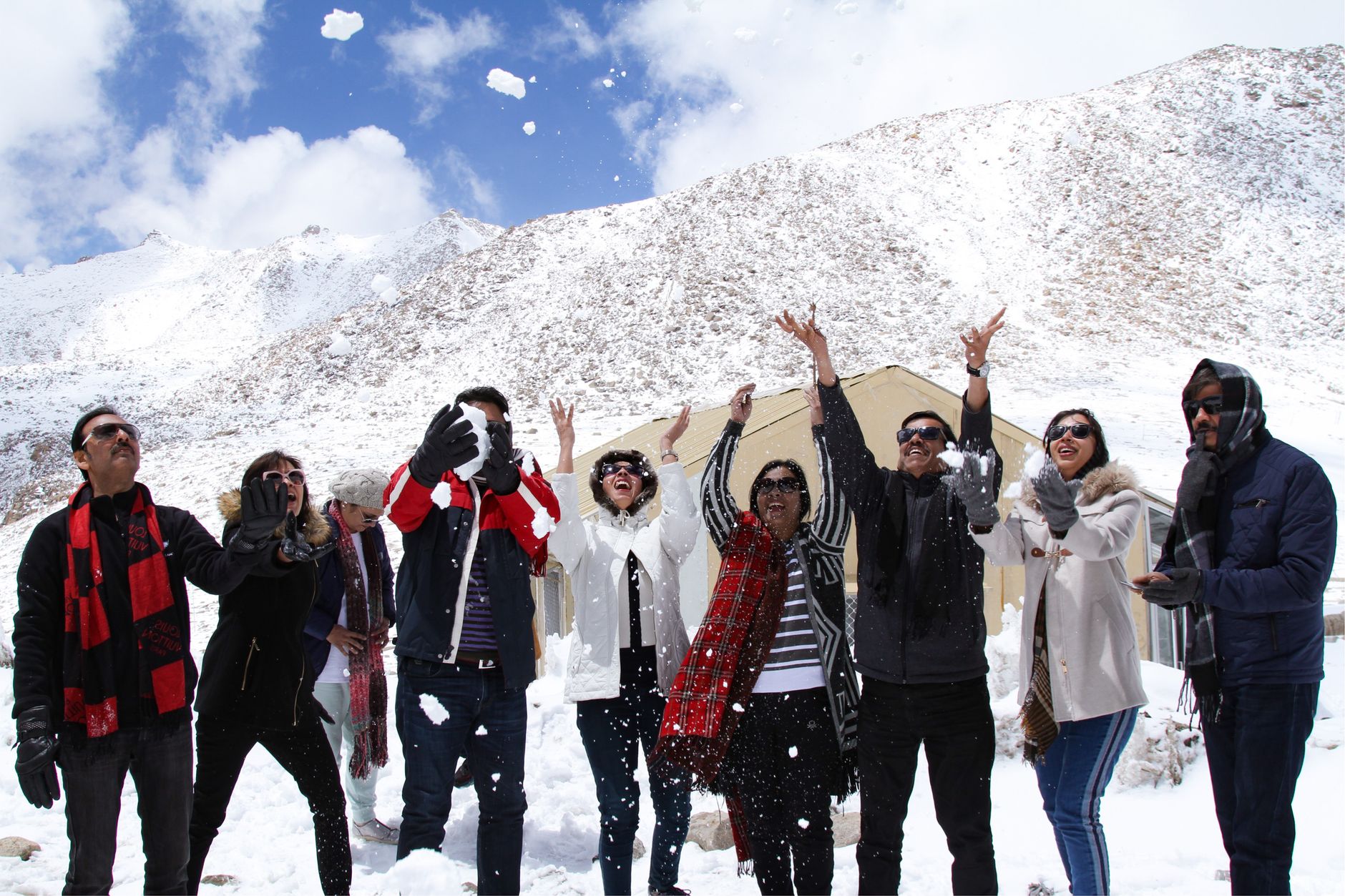
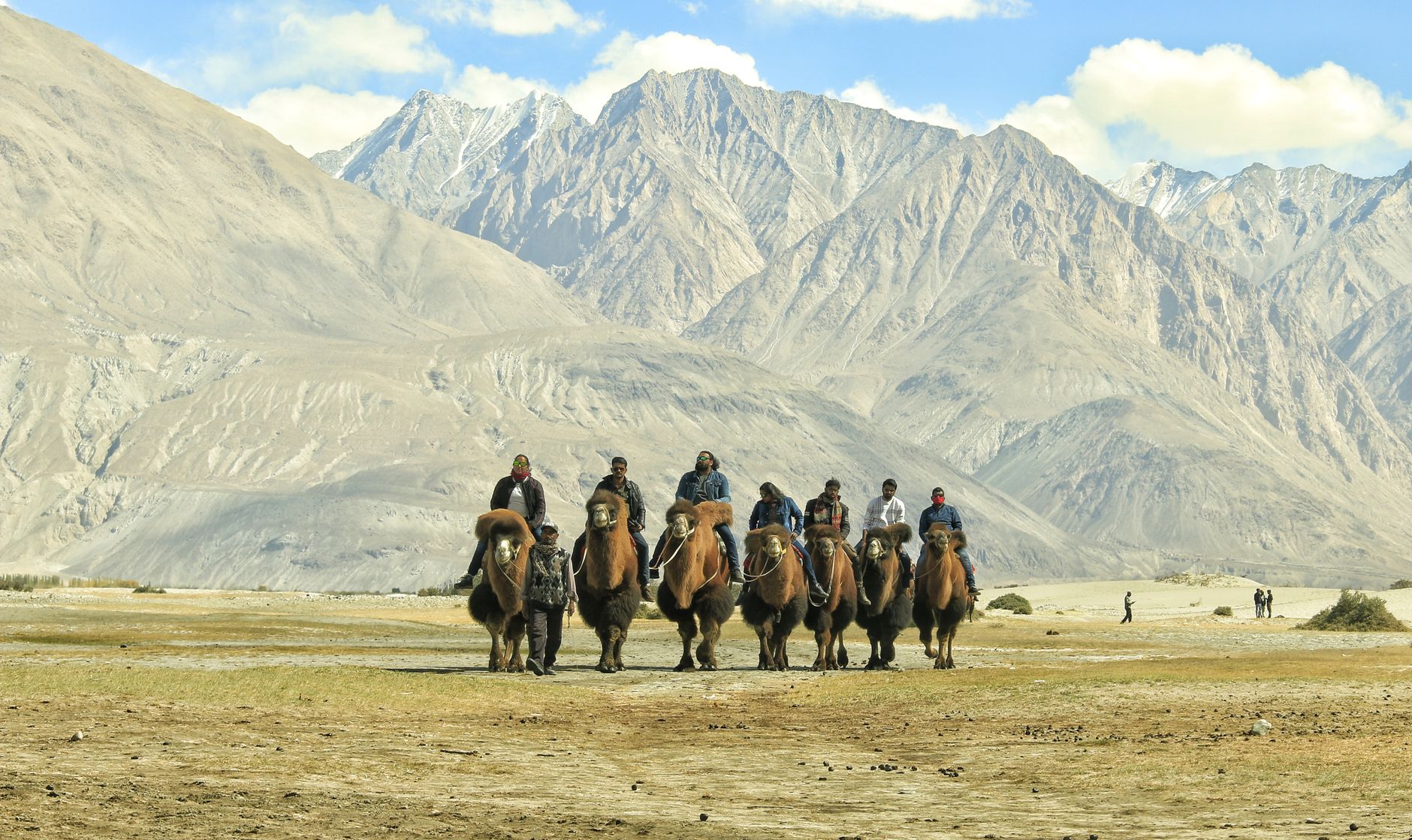
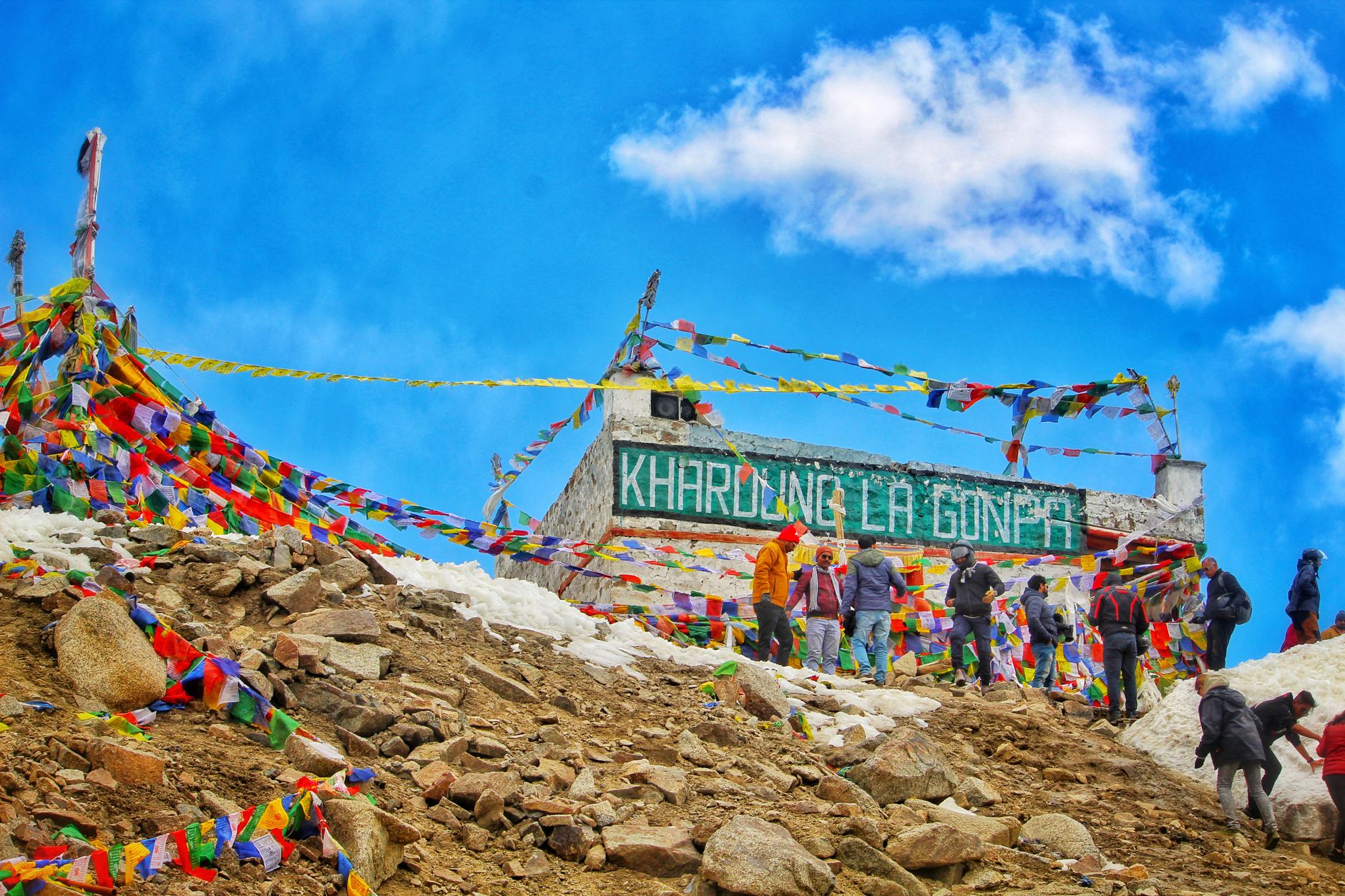
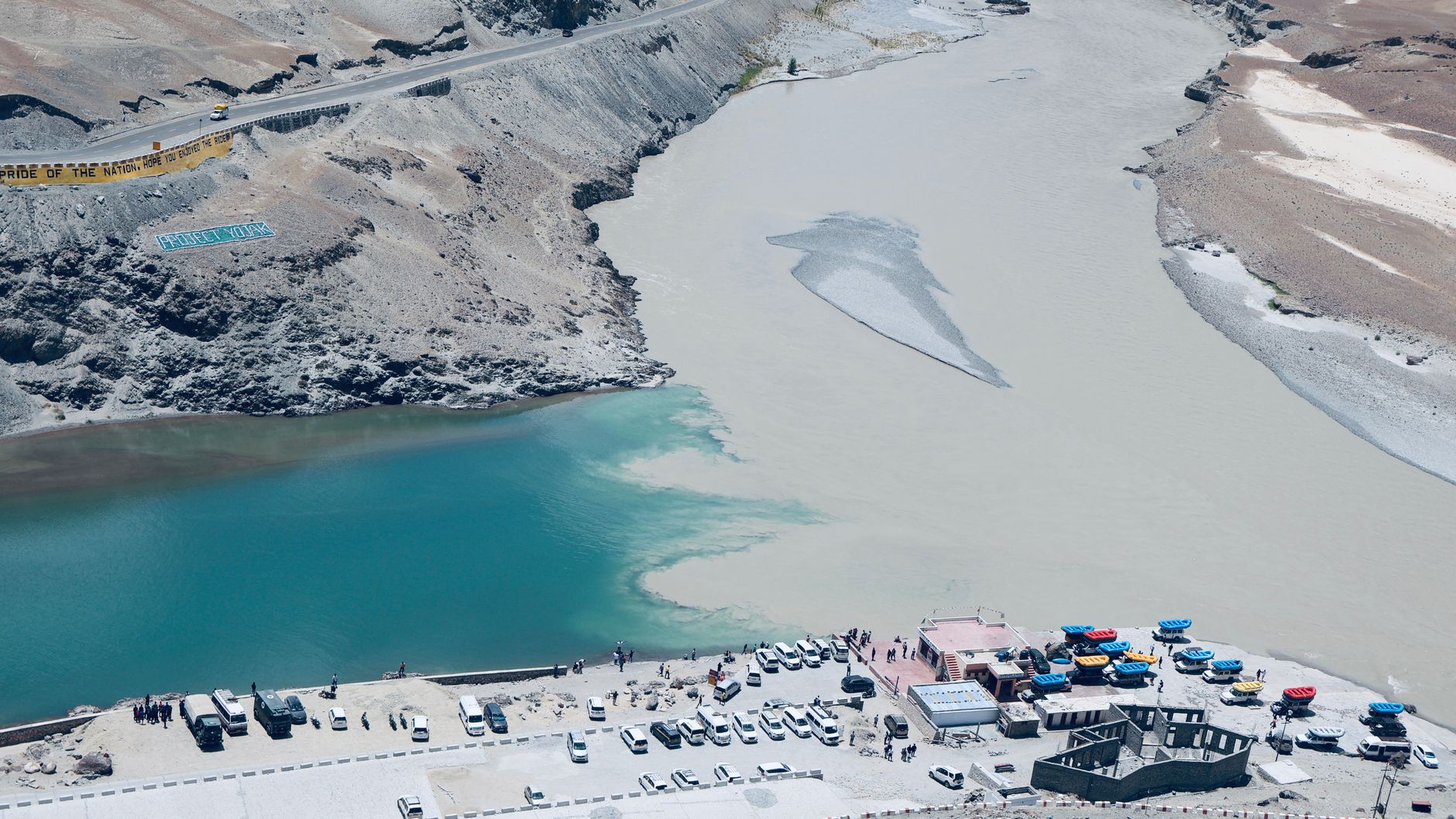
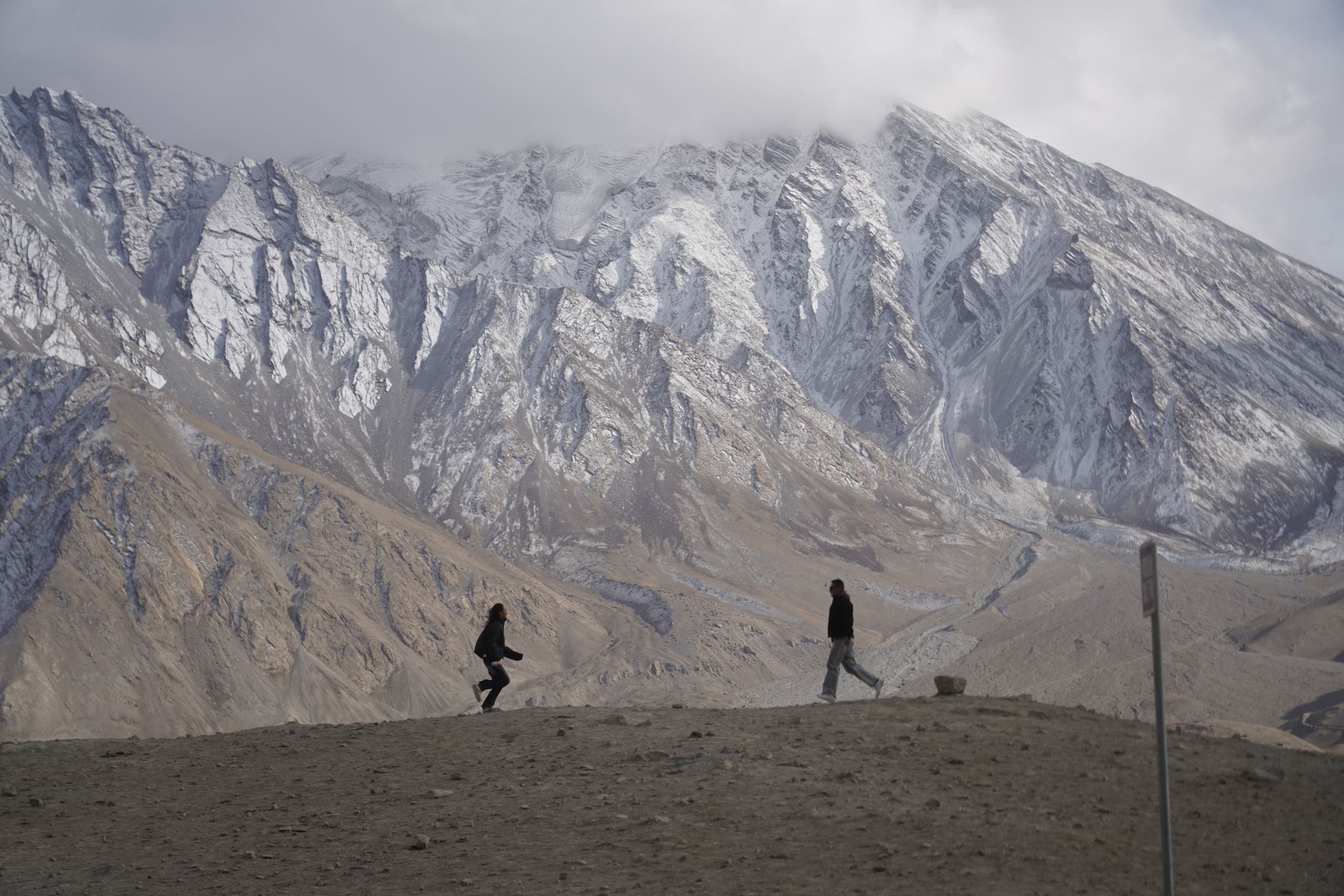
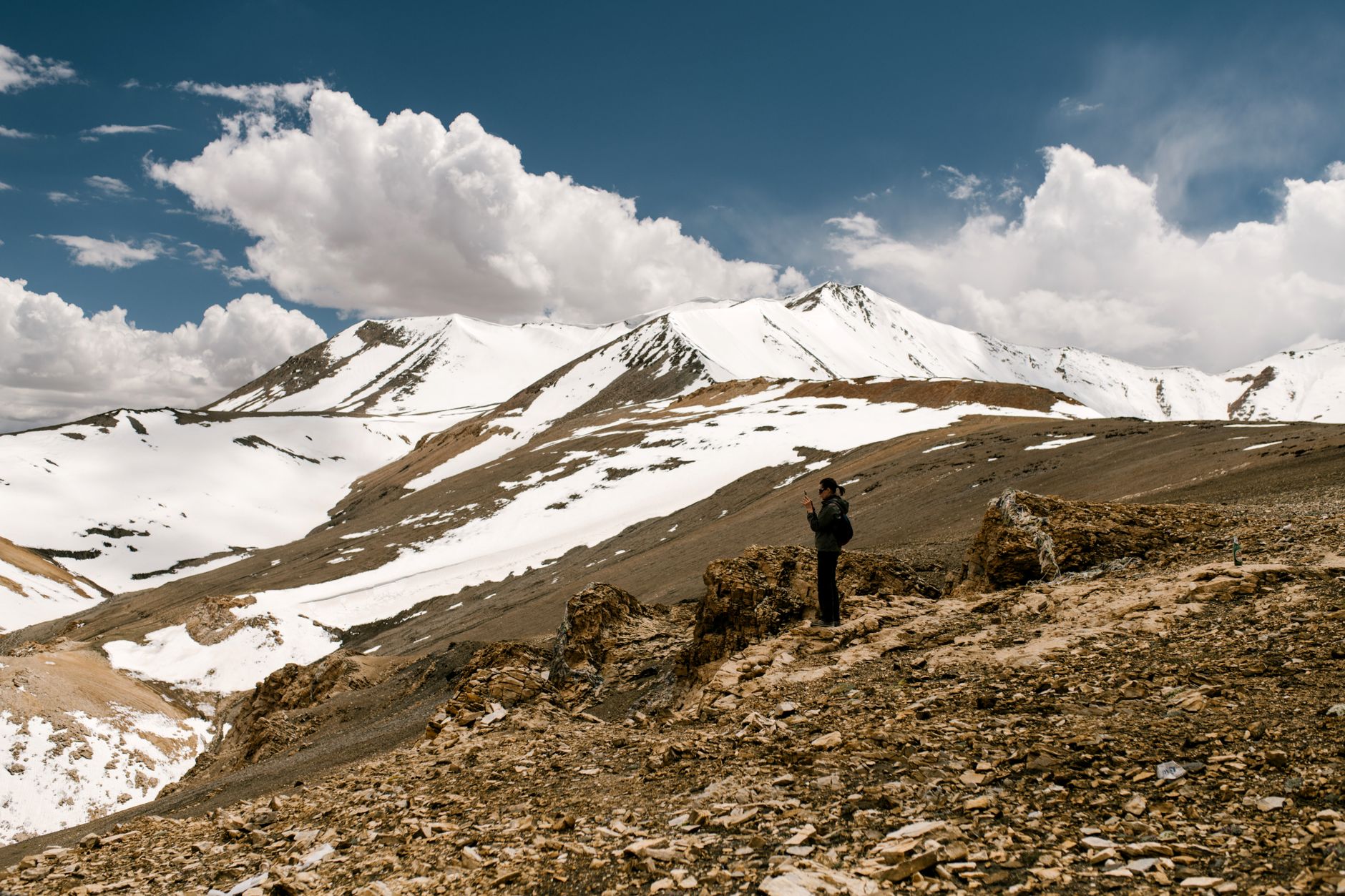
At 3,500 metres, the air in Leh has a particular quality — thin and bright, so clear that shadows fall with unusual sharpness on whitewashed walls. Ladakh sits in the rain shadow of the Himalayas, which means the monsoon largely passes it by, leaving a high-altitude desert where Buddhist monasteries grip cliff faces and the Indus runs cold through a landscape that looks, at times, more like the surface of the moon than anything on the Indian subcontinent.
This is one of the highest inhabited regions on earth, a former independent kingdom with roots stretching back to the 9th century and a living culture shaped by Tibetan Buddhism, Islam, and the particular stubbornness required to thrive at altitude. The roads in are long, the flights short and weather-dependent, and none of that stops people from coming back.
💛 What travellers fall for
People who return to Ladakh tend to say the same thing: go slower than you think you need to. Spend a night at Lamayuru before the day-trippers arrive. Take the Nubra Valley road over Khardung La and stop at Diskit Monastery in the late afternoon light. Acclimatise in Leh for two full days before going anywhere — the headaches are real.
How Ladakh came to be
Human settlement here goes back to around 9000 BC, but the political story begins in 842 CE, when the Tibetan Empire collapsed and Nyima-Gon — a descendant of the Tibetan royal house — founded Ladakh's first ruling dynasty. The Namgyal dynasty, whose name means 'victorious', eventually unified the region and endures in name to this day. King Sengge Namgyal raised Leh Palace in the 17th century, modelling it on the Potala in Lhasa; in the same century he commissioned Hemis Monastery for the monk Stagtshang Raspa. The Jama Masjid in Leh went up in 1666–67 under an agreement between Mughal Emperor Aurangzeb and ruler Deldan Namgyal — a detail that tells you something about the region's layered religious life.
Dogra general Zorawar Singh marched in from the south in 1834, and by 1846 Ladakh had been absorbed into Jammu and Kashmir. It remained part of that state until August 2019, when an act of Parliament reconstituted it as a union territory in its own right.
Who and what shaped it
People who shaped it
Landmark buildings
See Ladakh in motion
Plan your visit
On the map
When to go
Summers (June–September) are dry and sunny with daytime temperatures around 25–30°C in Leh, dropping sharply at night; this is the main visiting season. Winters are severe — roads close, temperatures fall well below zero — though Leh remains accessible by air and a small number of visitors come for the frozen Zanskar River trek in February.
Right now
Background & history adapted from Wikipedia (CC BY-SA) · specs from Wikidata (CC0) · weather from Open-Meteo · map data © OpenStreetMap contributors · photos from Wikimedia Commons / Unsplash with per-image credit. No third-party reviews or social posts reproduced.