
Tamil Nadu
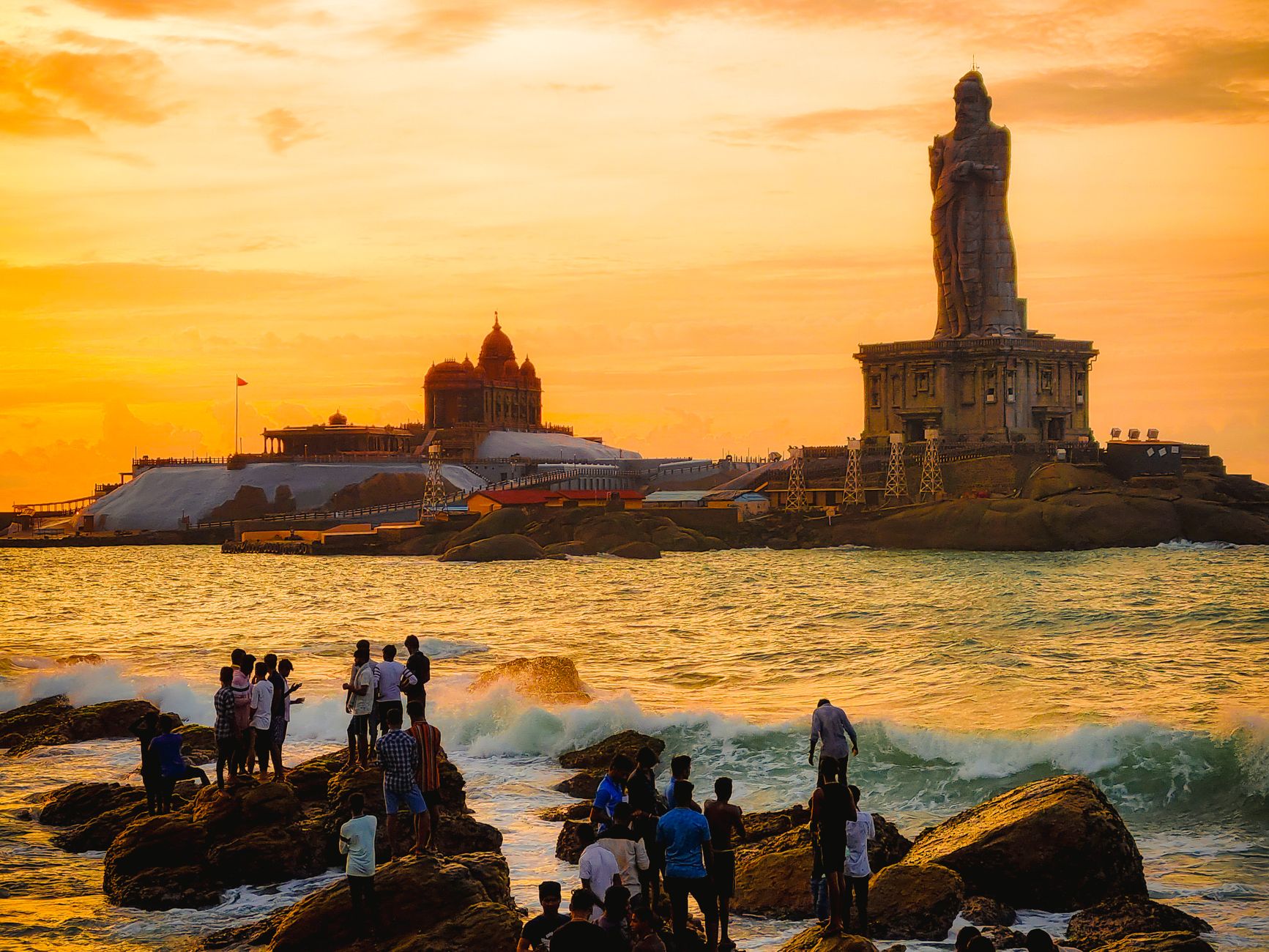
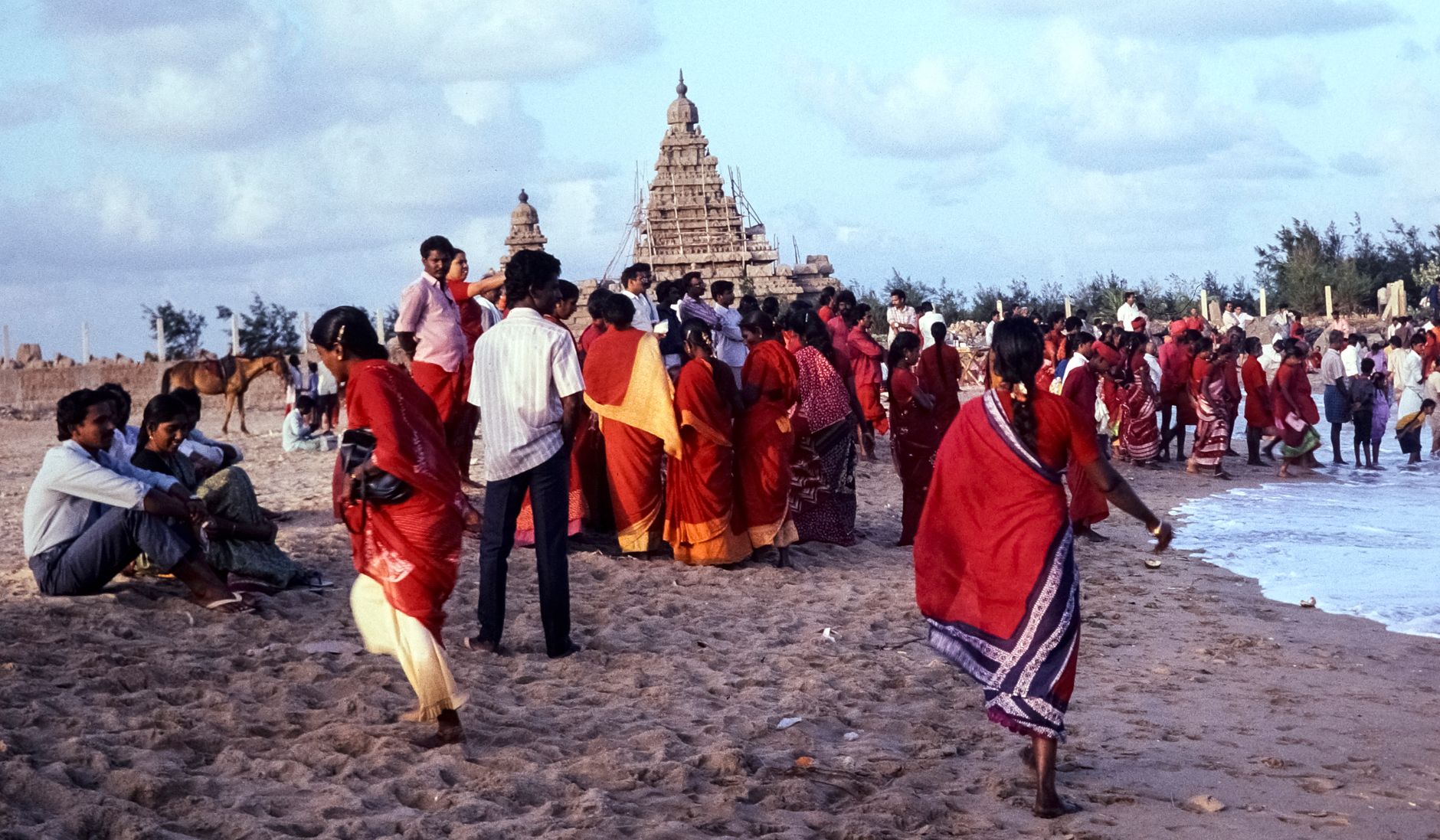
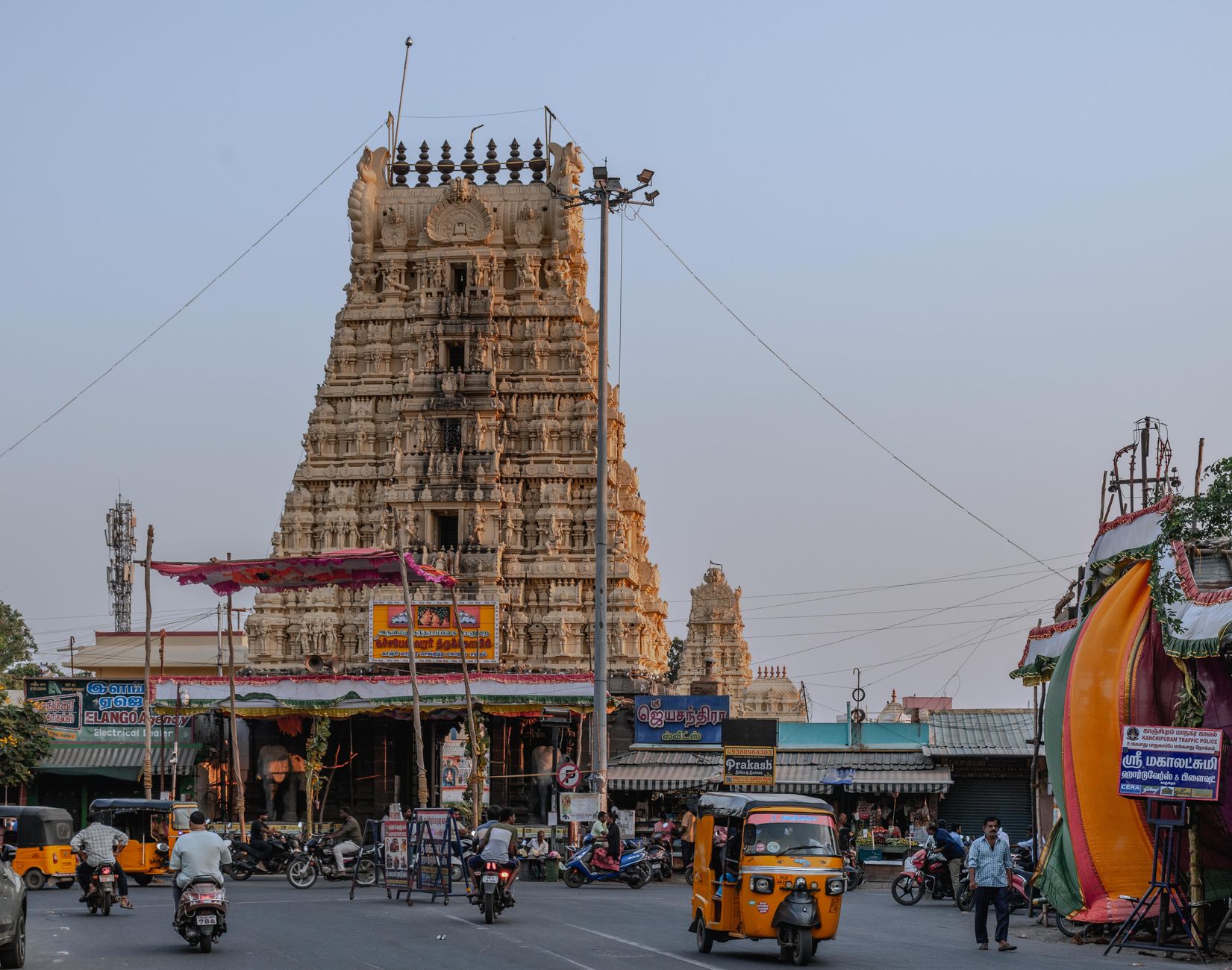
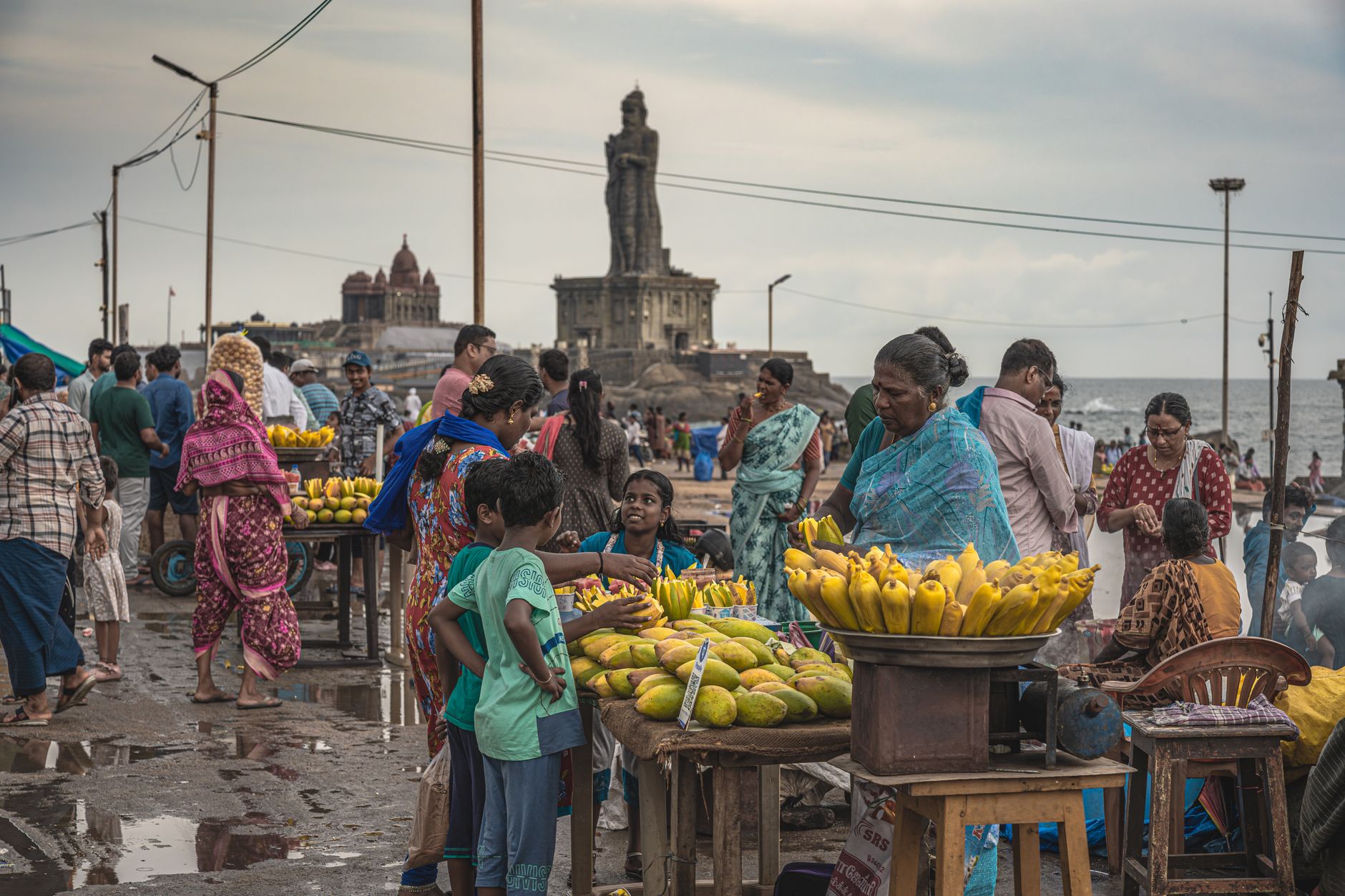
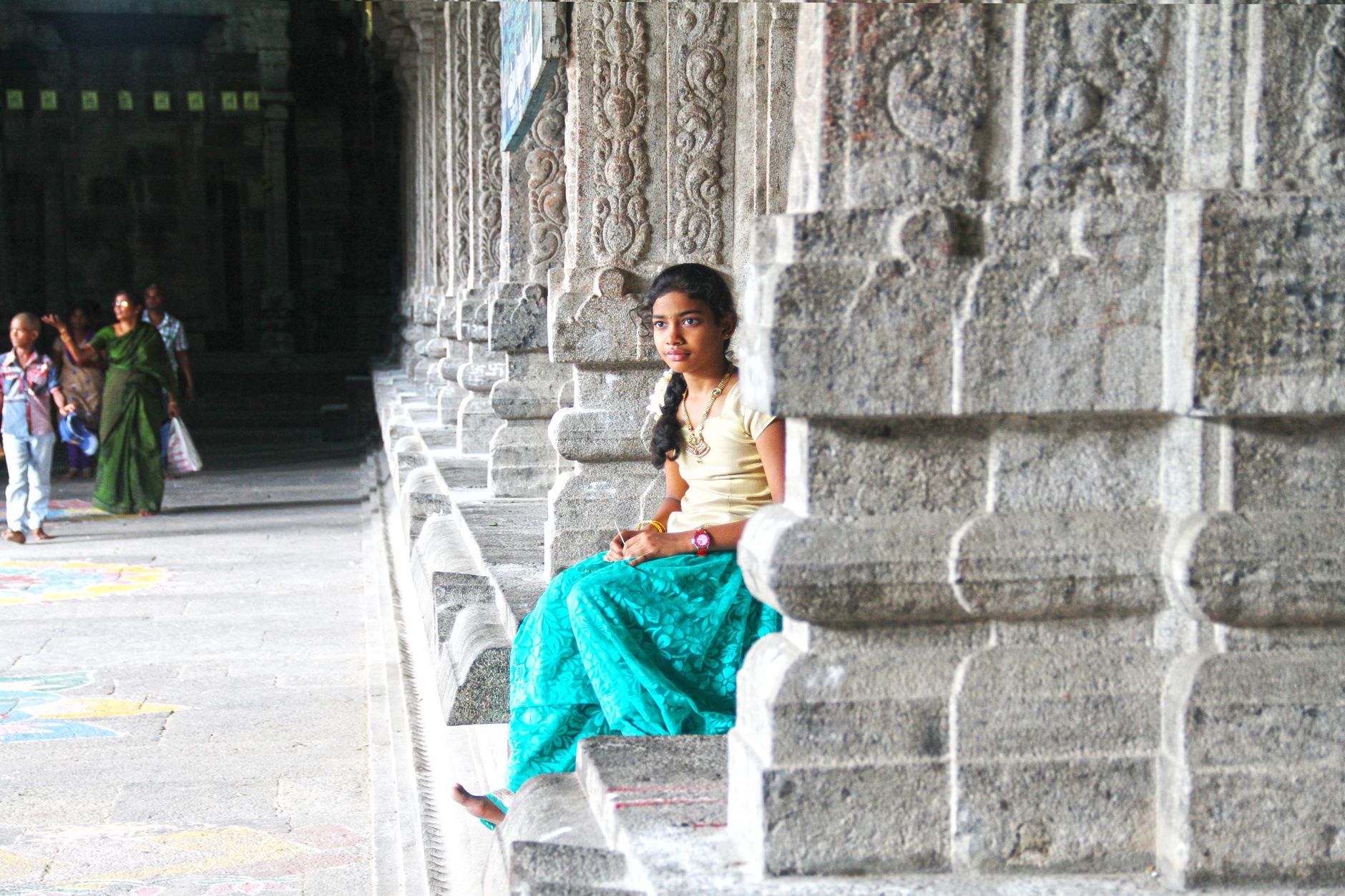
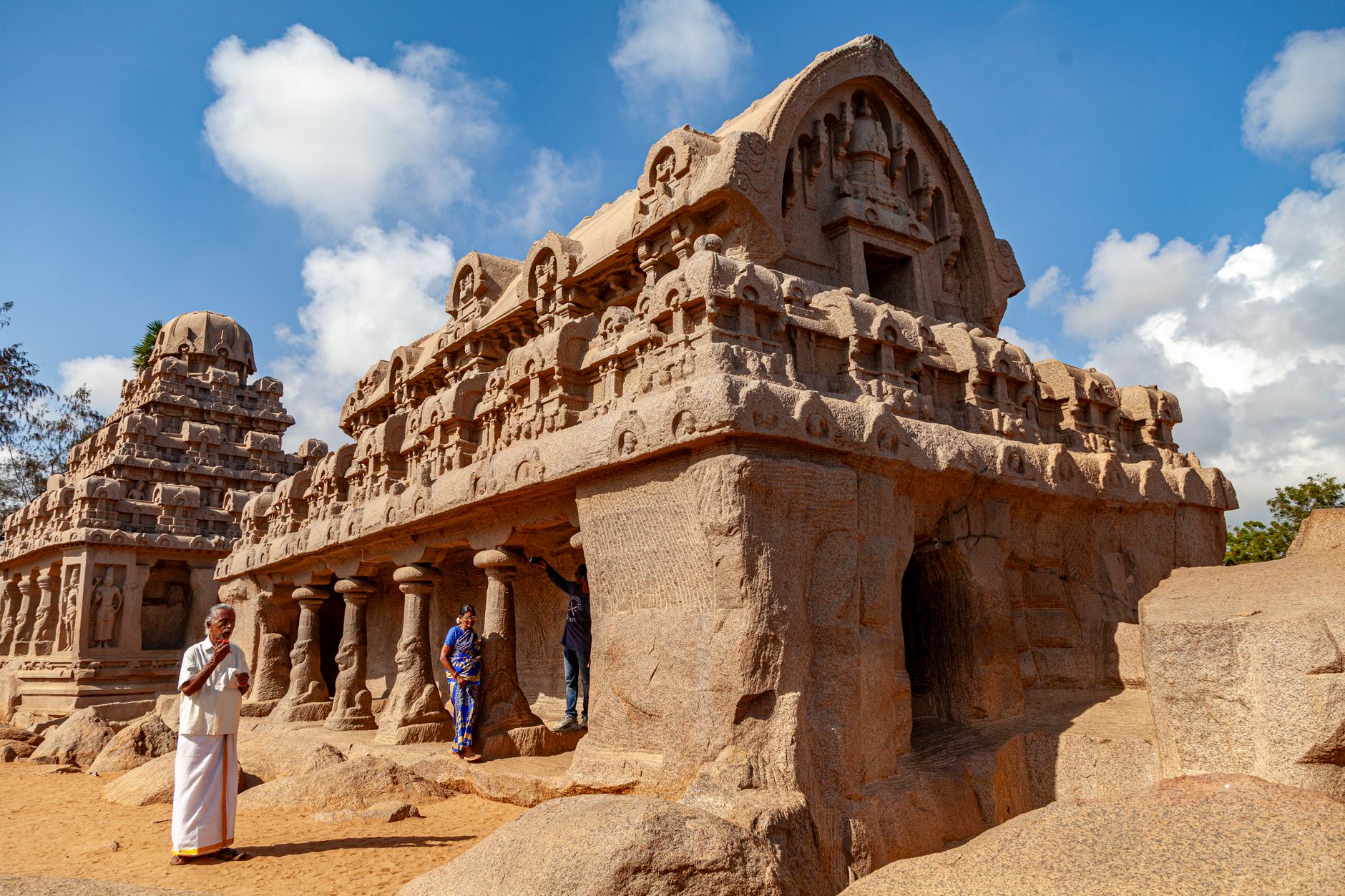
Tamil Nadu is a state shaped, more than anything else, by stone and devotion. The Tamil Hindu Endowments Board counts more than 390,000 temples across the state — many of them over 800 years old — and you feel that density on the road, where gopurams rise above the treeline between rice paddies and dry scrubland with the matter-of-fact regularity of church spires in rural France.
The Tamil language itself is one of the world's longest-surviving classical languages, and that depth of continuity runs through everything here: the food, the music, the architecture. This is a region that has been building, trading and writing for well over two millennia.
How Tamil Nadu came to be
The earliest Tamil kingdoms — the Chera, Chola and Pandya — appear in Greek records as far back as the 4th century BCE, and the Sangam period that followed produced a body of poetry still read today. The Chola dynasty reached its apex under Raja Raja Chola I, who commissioned the Brihadeeswarar Temple at Thanjavur in 1010 CE. The Vijayanagara empire absorbed the region around 1370, and its military governors, the Nayaks, rebuilt and expanded temples including the Meenakshi Amman in Madurai.
European trade ports arrived in the 17th century — Fort St. George was raised in 1644 — and British control followed, lasting two centuries under the Madras Presidency. The state took its current name on 14 January 1969, a change championed by Chief Minister C. N. Annadurai.
Who and what shaped it
People who shaped it
Landmark buildings
See Tamil Nadu in motion
Plan your visit
On the map
When to go
Summers (March to May) are hot and humid across most of the state. The monsoon runs June to September, with the northeast monsoon bringing significant rain to the eastern coast through November. October to February is the most comfortable window for travel, with lower humidity and temperatures that make long days of temple-visiting manageable.
Right now
Background & history adapted from Wikipedia (CC BY-SA) · specs from Wikidata (CC0) · weather from Open-Meteo · map data © OpenStreetMap contributors · photos from Wikimedia Commons / Unsplash with per-image credit. No third-party reviews or social posts reproduced.