
Goa
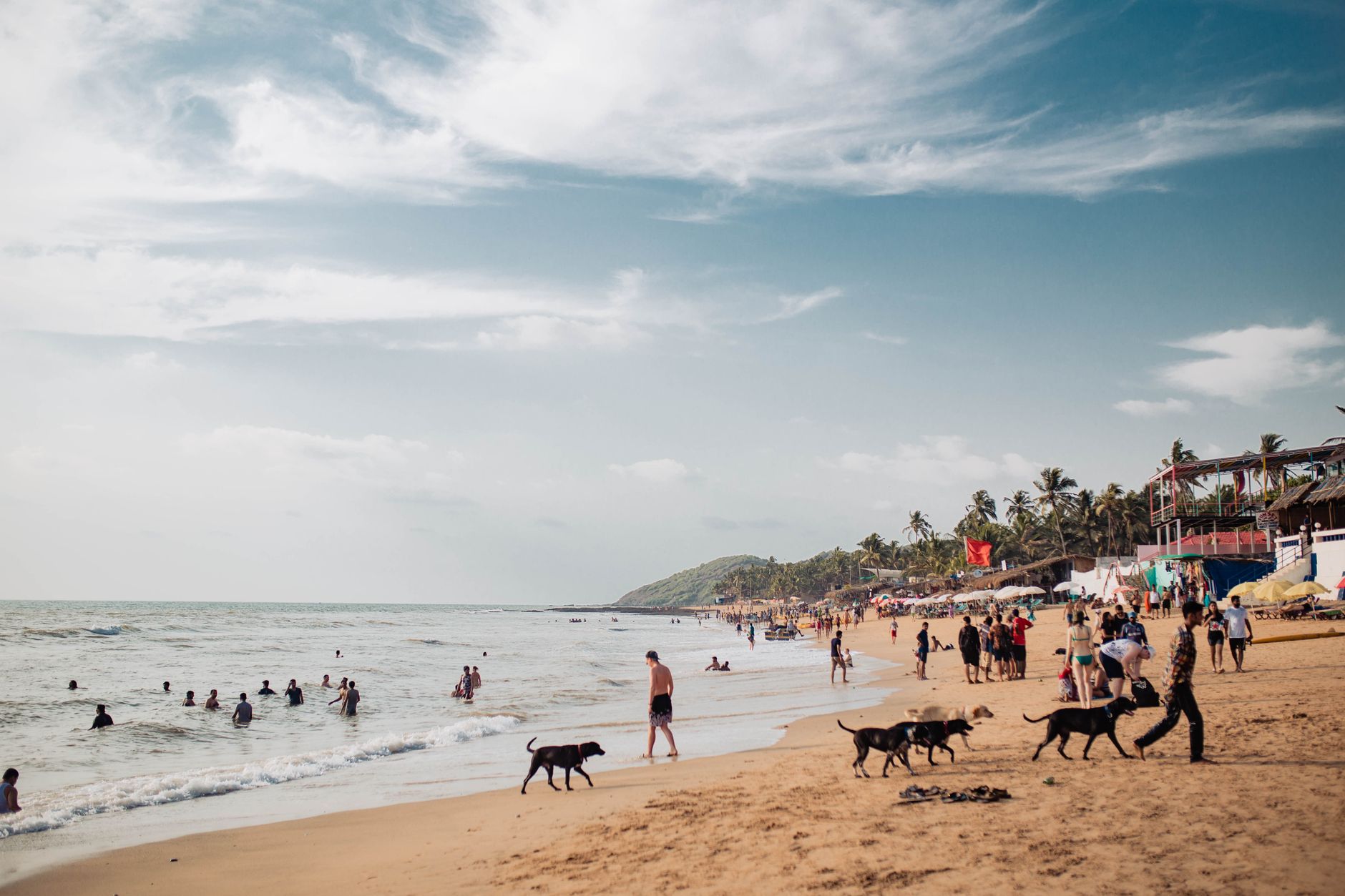
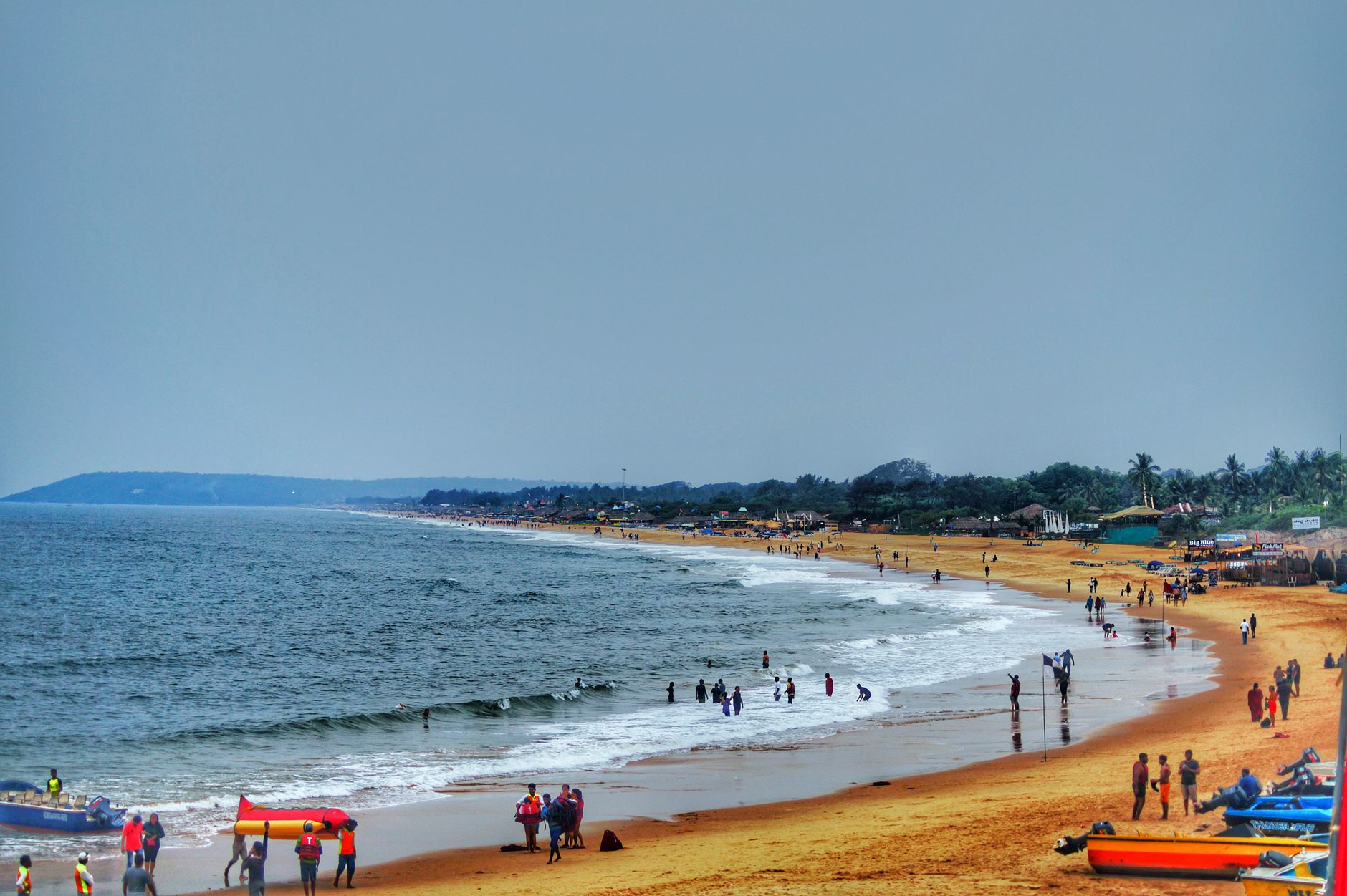
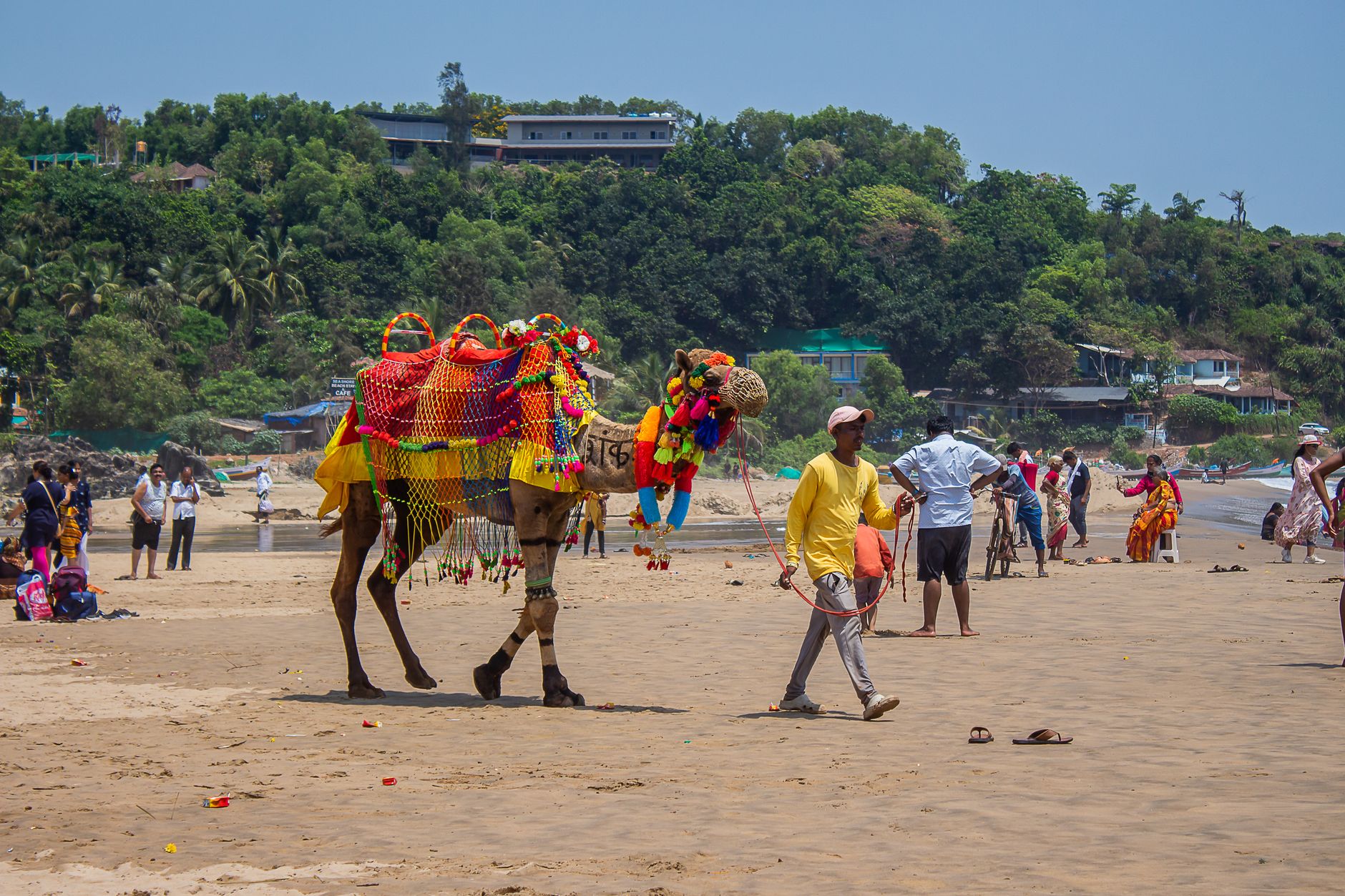
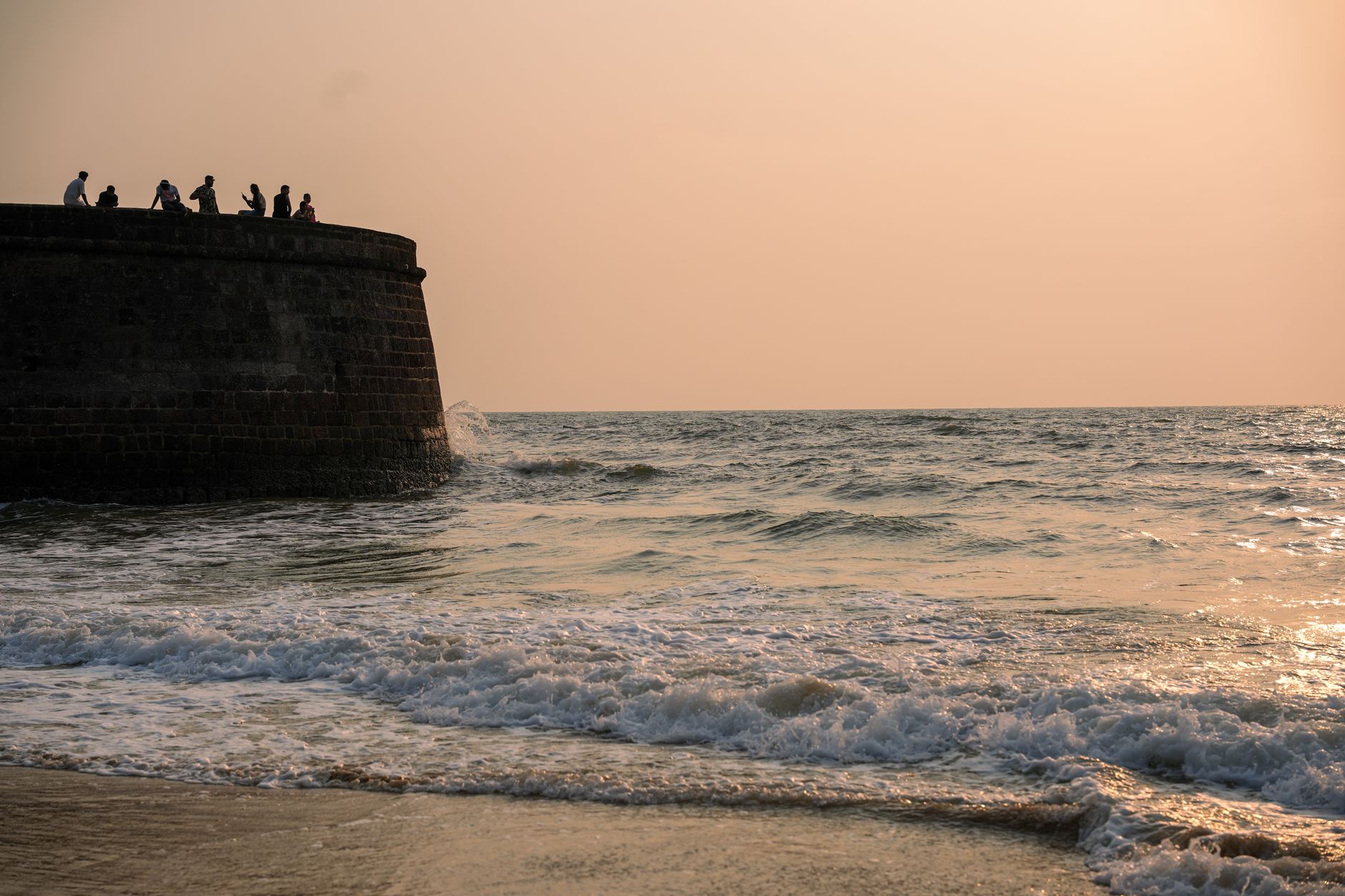
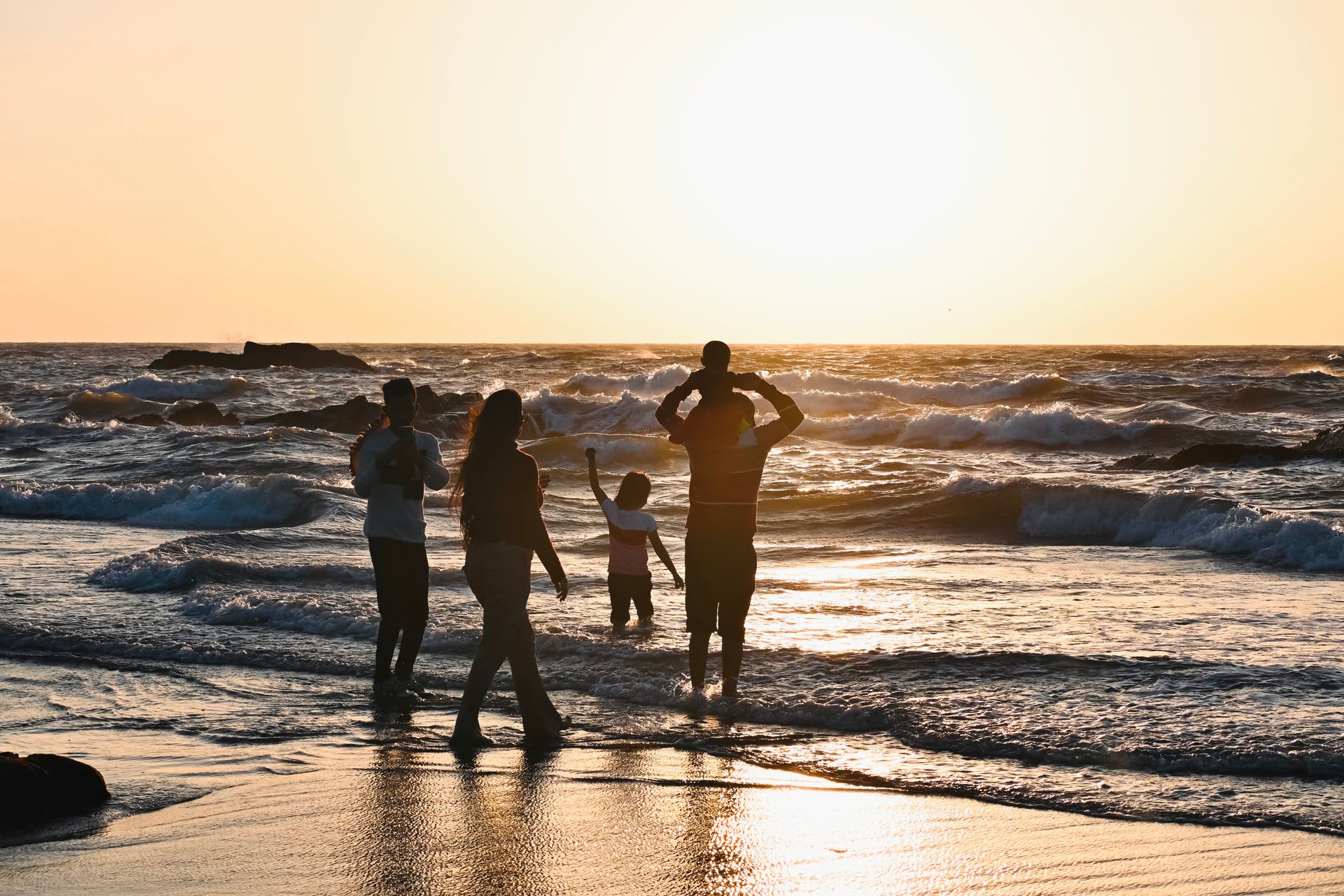
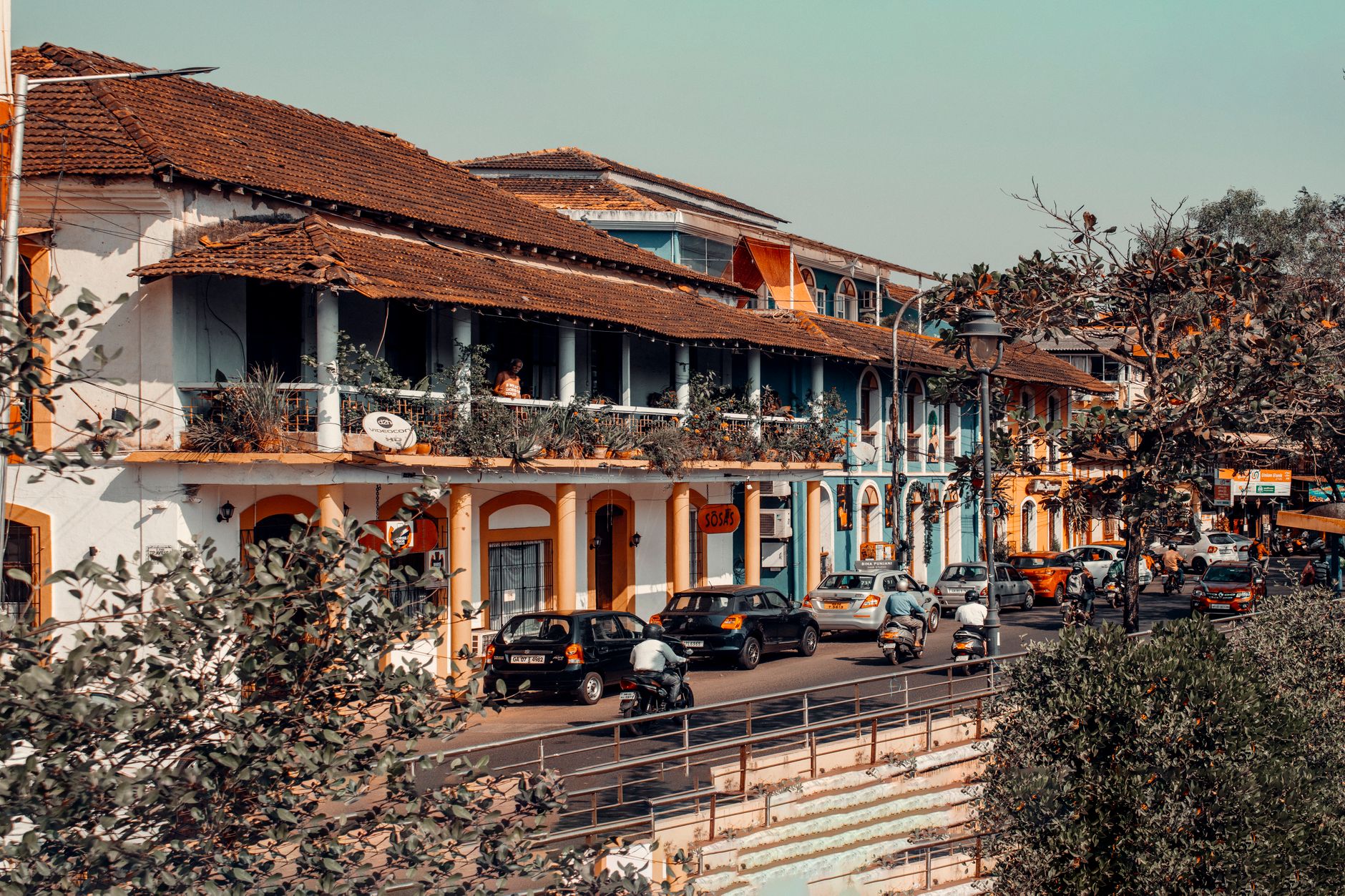
Goa is the place where the Arabian Sea meets four centuries of Portuguese stonework, and where a coconut-fringed coastline shares a state with some of the most ornate Baroque churches on the subcontinent. The old capital — now called Old Goa — sits quietly inland, its cathedrals and convents declared a UNESCO World Heritage Site in 1986, the basilica housing the remains of Francis Xavier drawing Catholic pilgrims from across Asia.
Beyond the churches, Goa runs on its own rhythm: the Latin Quarter of Fontainhas in Panaji, with its ochre-washed houses and iron balconies; the Mangeshi Temple in its whitewashed compound; forts at Aguada and Reis Magos watching the estuary. It rewards slow movement more than a checklist.
💛 What travellers fall for
People who come back tend to do Panaji on foot — Fontainhas in the early morning before the heat, then coffee somewhere along the Mandovi. They'll tell you Old Goa is best on a weekday, when the Sé Cathedral and Bom Jesus are quieter, and that Madgaon station is the practical hub most visitors underestimate.
How Goa came to be
Afonso de Albuquerque seized Goa for Portugal on 17 February 1510, and the territory would serve as the capital of the entire Portuguese Empire east of the Cape of Good Hope for the next 450 years — a fact still legible in the scale of the Sé Cathedral, at 91 metres the largest building the Portuguese raised anywhere in Asia. Francis Xavier arrived in 1542 with the Society of Jesus; the Inquisition followed in 1560, a period of religious intolerance that lasted until reforms in 1774.
The old city gradually emptied — the Viceroy transferred his residence to what is now Panaji in 1843, completing a slow migration east that had been discussed since 1684. Indian troops ended Portuguese rule on 18 December 1961, and Goa became a full Indian state in 1987.
Who and what shaped it
People who shaped it
Landmark buildings
See Goa in motion
Plan your visit
On the map
When to go
The dry season runs roughly mid-October to mid-May, with December through February being sunny and relatively cool — January lows around 26°C. From late May through October the south-west monsoon brings heavy, sometimes torrential rain; July alone can deliver close to 900 mm, so unless you're drawn by the drama of it, that window is best avoided.
Right now
Background & history adapted from Wikipedia (CC BY-SA) · specs from Wikidata (CC0) · weather from Open-Meteo · map data © OpenStreetMap contributors · photos from Wikimedia Commons / Unsplash with per-image credit. No third-party reviews or social posts reproduced.