
Delhi
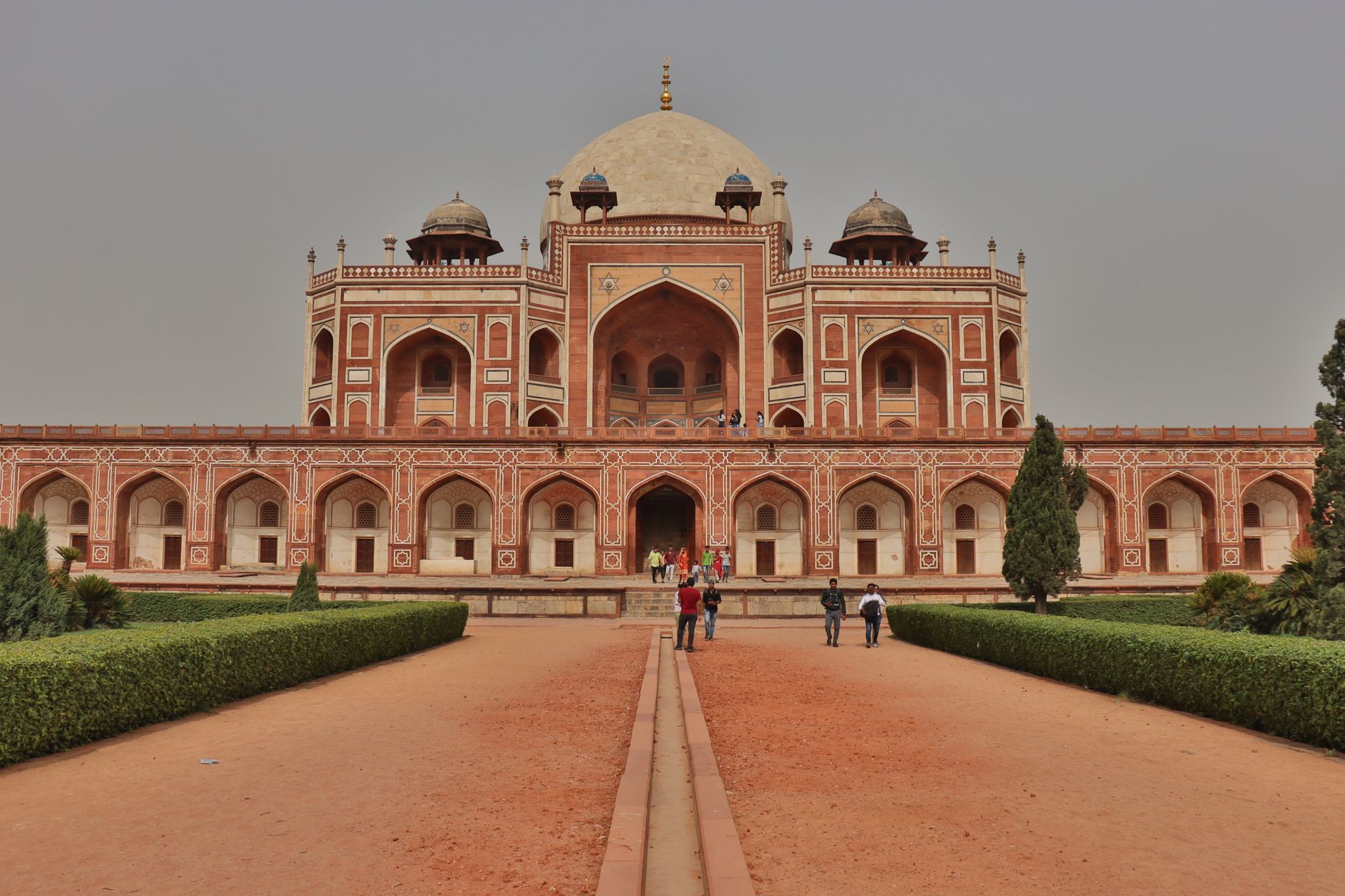
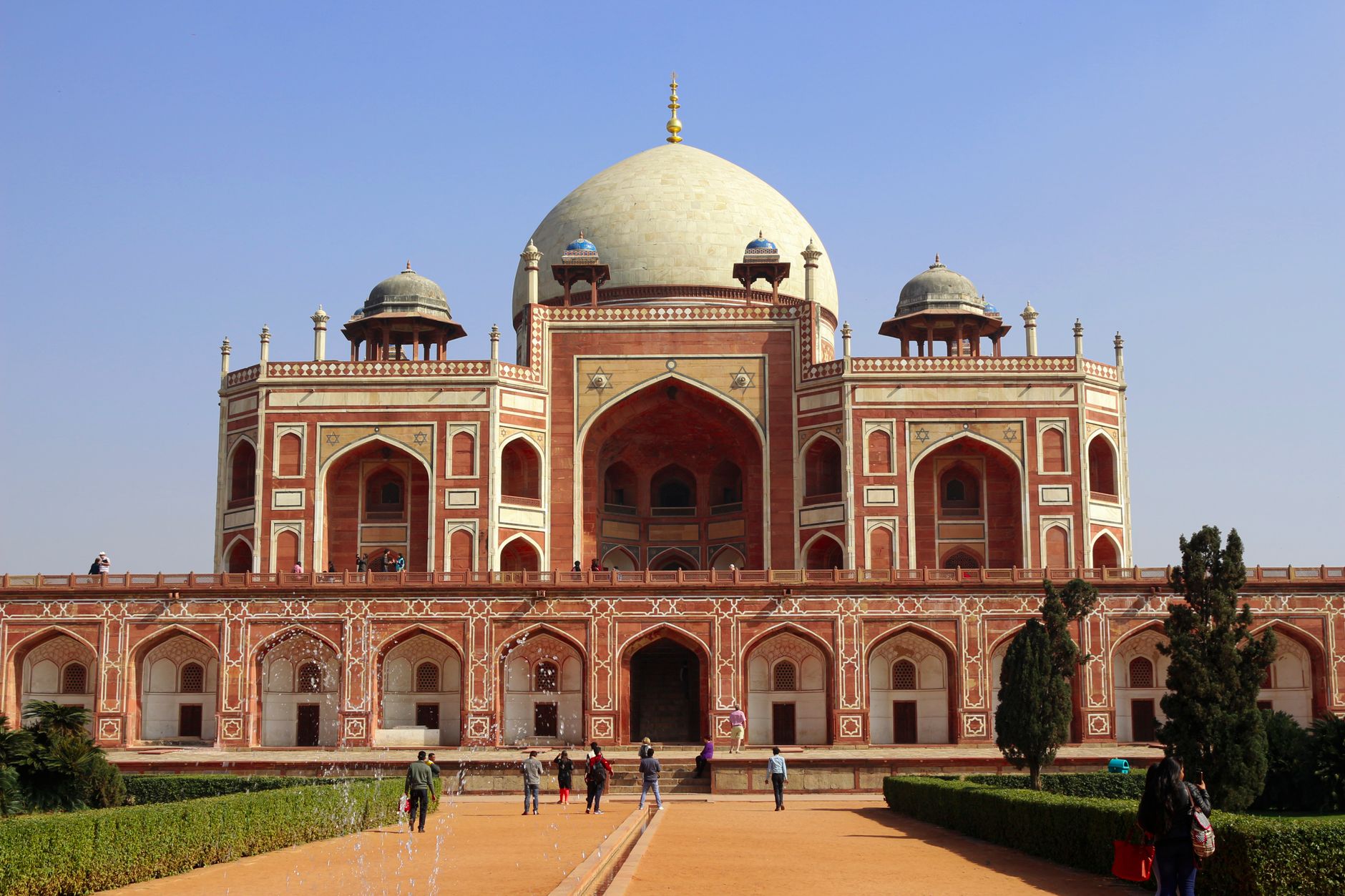
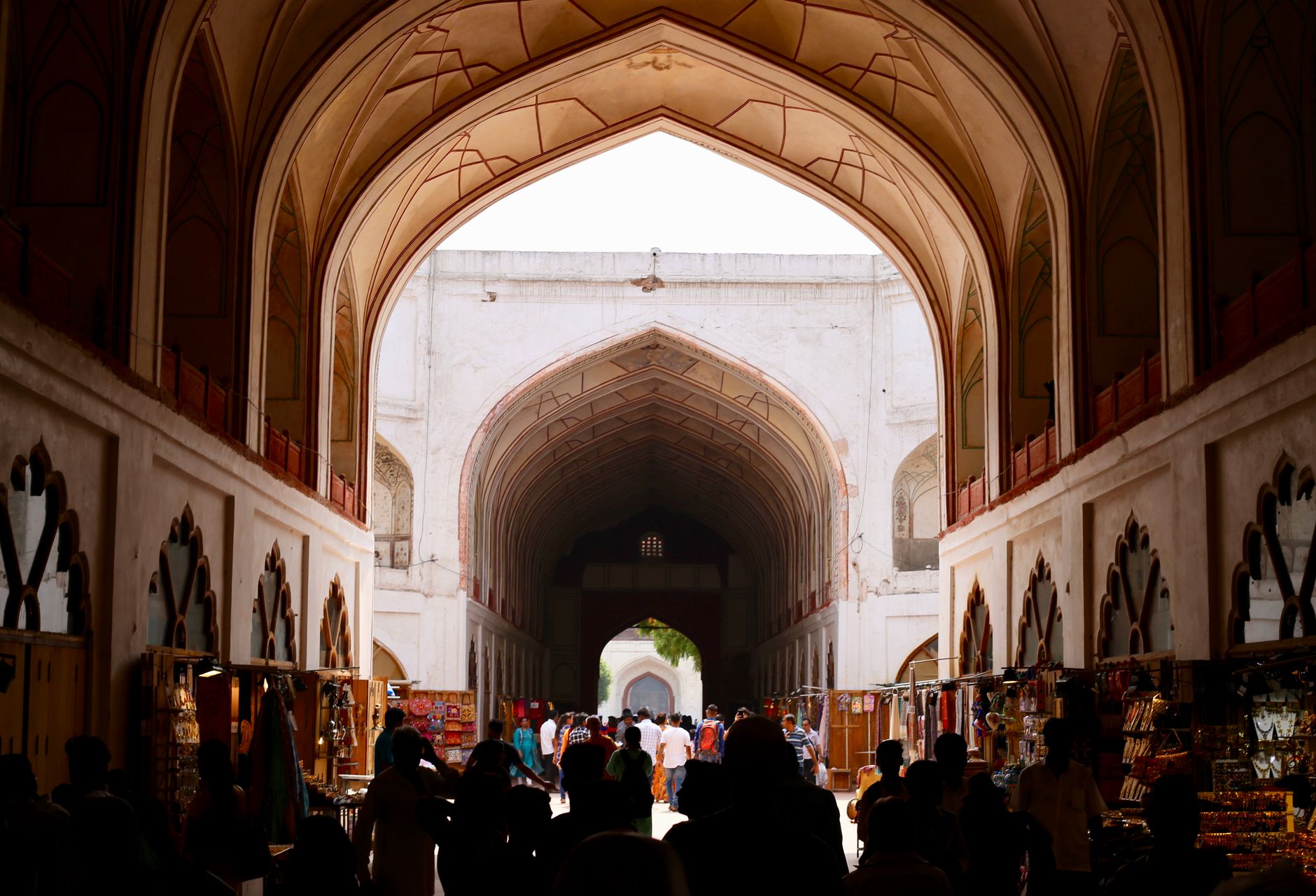
Delhi is not one city but several, layered on top of each other across nearly a thousand years. Stand at the base of the Qutub Minar — a 72.5-metre brick minaret begun in 1192 — and you're already standing inside three or four different Delhis at once: Sultanate, Mughal, colonial, and the sprawling contemporary capital that has grown around all of them.
The city rewards patience and a loose itinerary. Old Delhi's 17th-century lanes around Chandni Chowk run at a different tempo than the wide, tree-lined avenues that Edwin Lutyens and Herbert Baker drew up for the British imperial capital inaugurated in 1931. Both are worth your time, and neither prepares you for the other.
💛 What travellers fall for
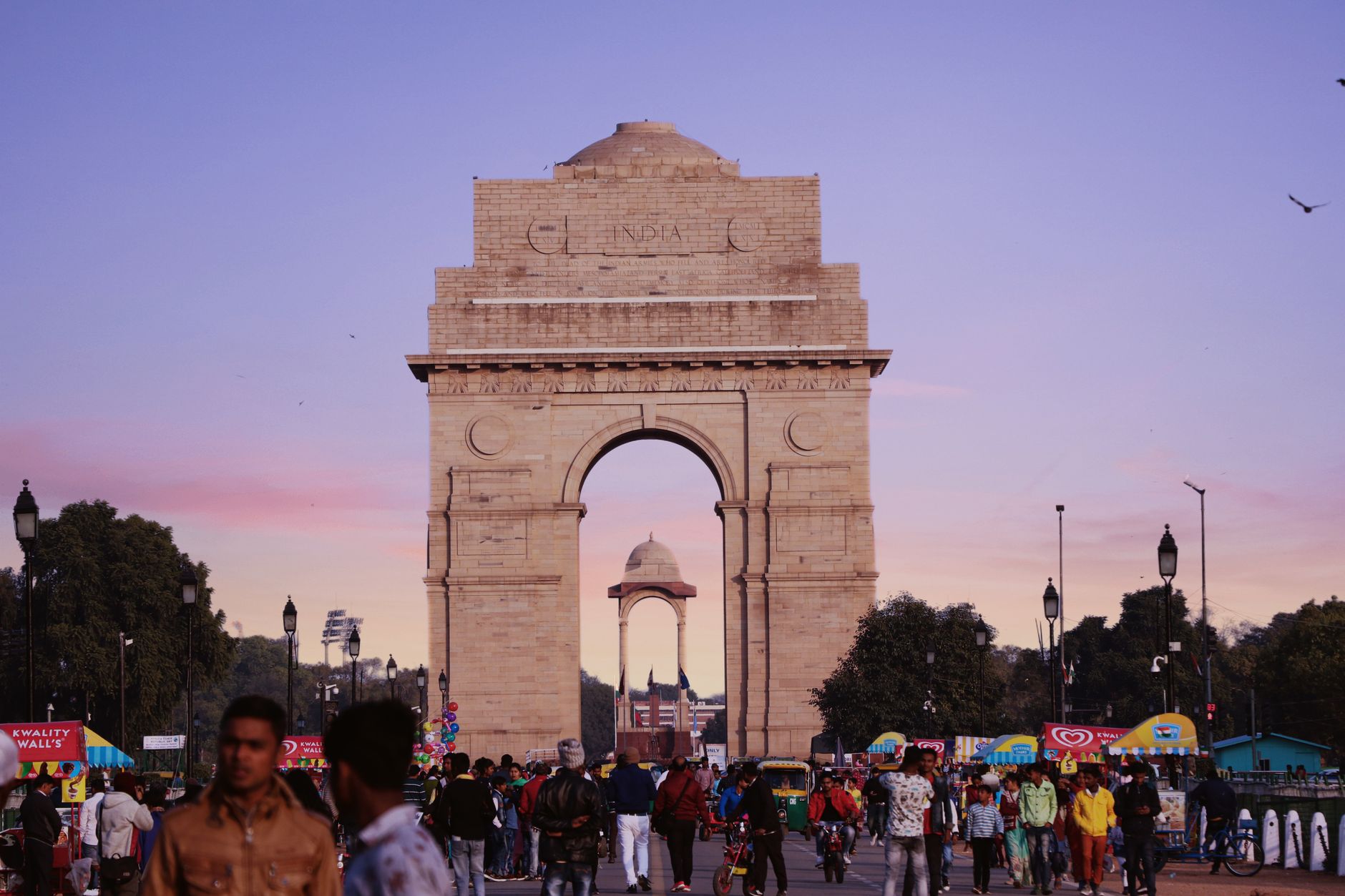
People who come back tend to organize their days by era rather than geography — one morning in Mehrauli among the Sultanate ruins, an afternoon in Lutyens' Delhi around Rashtrapati Bhawan and India Gate, an evening in Shahjahanabad. The Delhi Metro's colour-coded lines (271 stations, trains every two to three minutes at peak) make crossing those distances far easier than the traffic suggests.
How Delhi came to be
Delhi's documented history begins in 1052, when Anangpal Tomar established the bastion of Lal Kot in what is now Mehrauli. The Chauhan kings took it in 1180 and renamed it Qila Rai Pithora. From 1206, the city became the seat of the Delhi Sultanate under the Slave Dynasty, whose first sultan, Qutb-ud-din Aibak, began construction of the Qutub Minar. Subsequent dynasties — the Khiljis, Tughlaqs — each built their own fortified cities within the region, leaving behind Siri, Tughlaqabad, and Jahapannah.
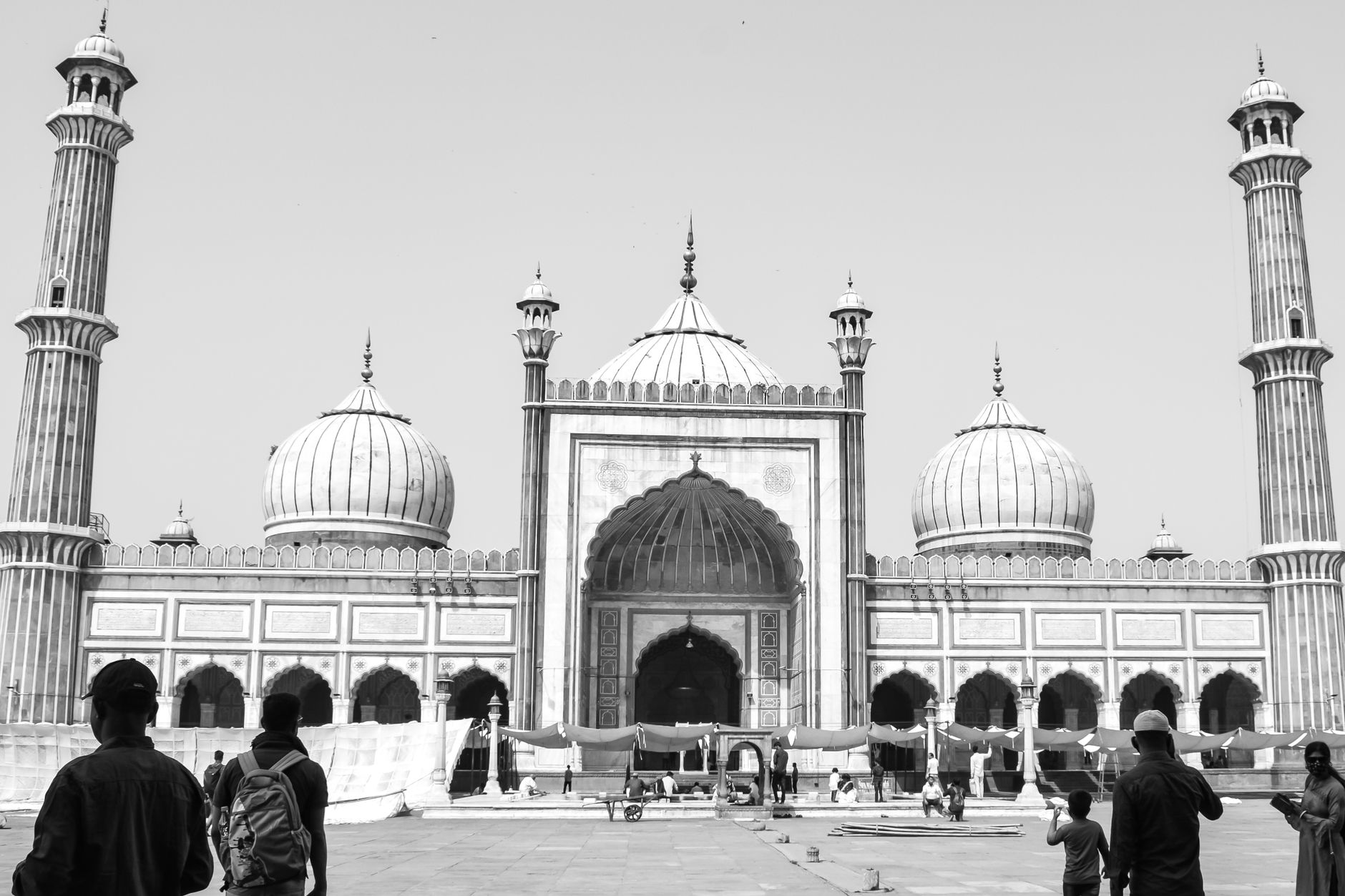
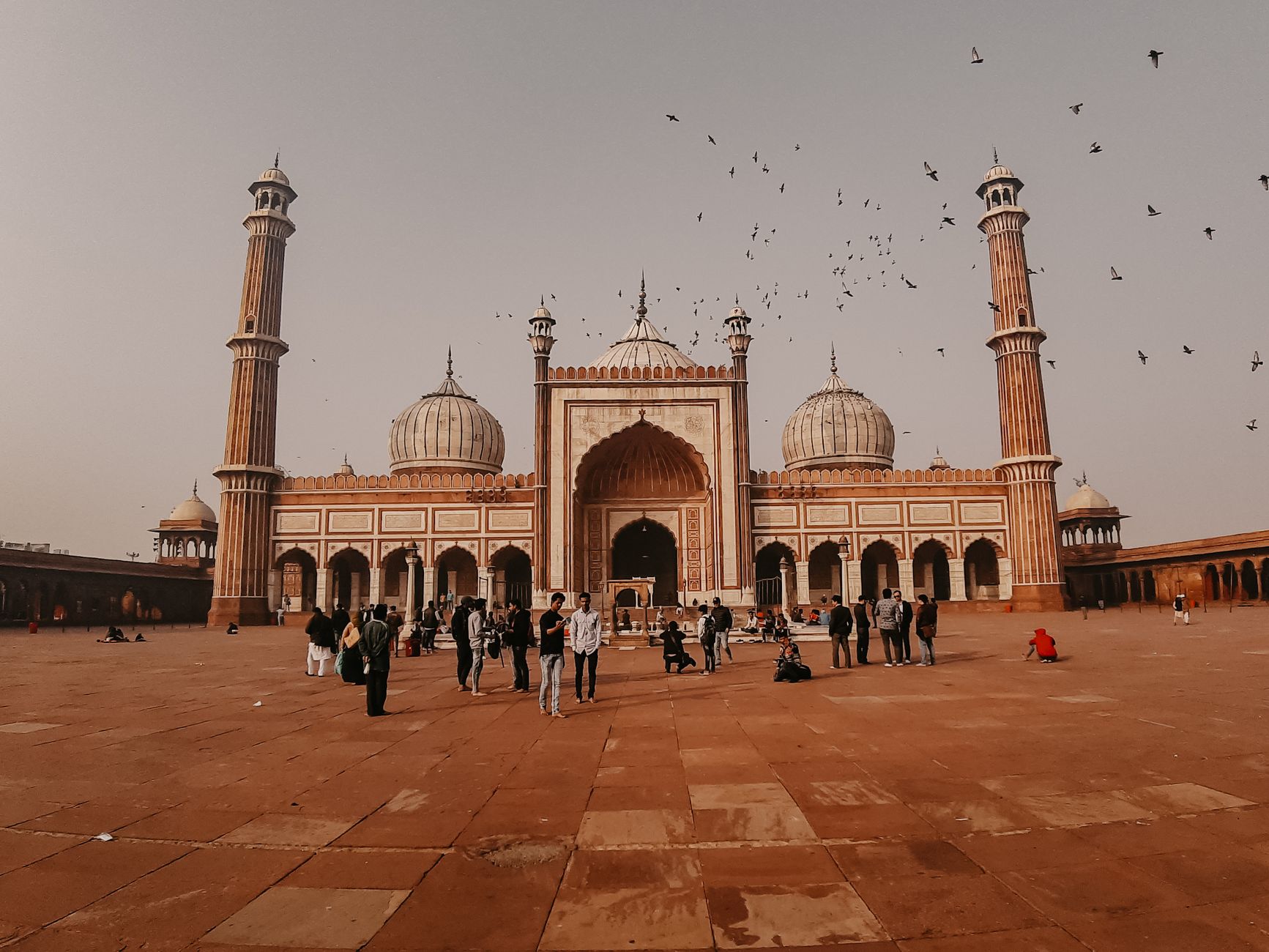
The Mughal Emperor Shah Jahan raised Shahjahanabad — today's Old Delhi — and entered its Red Fort on 19 April 1648. His Jama Masjid, completed in 1656, still anchors the old city. Centuries later, George V laid the foundation stone of New Delhi at the 1911 Delhi Durbar; the capital Lutyens and Baker designed was inaugurated on 13 February 1931, shifting the city's centre of gravity southward once more.
Who and what shaped it
People who shaped it
Landmark buildings
See Delhi in motion
Plan your visit
On the map
When to go
October to March brings cool, clear days and cold nights — the most comfortable stretch for walking the monuments. April to June turns intensely hot, often exceeding 40°C, and July through September sees the monsoon arrive with humidity and intermittent downpours.
Right now
Background & history adapted from Wikipedia (CC BY-SA) · specs from Wikidata (CC0) · weather from Open-Meteo · map data © OpenStreetMap contributors · photos from Wikimedia Commons / Unsplash with per-image credit. No third-party reviews or social posts reproduced.