
Mumbai
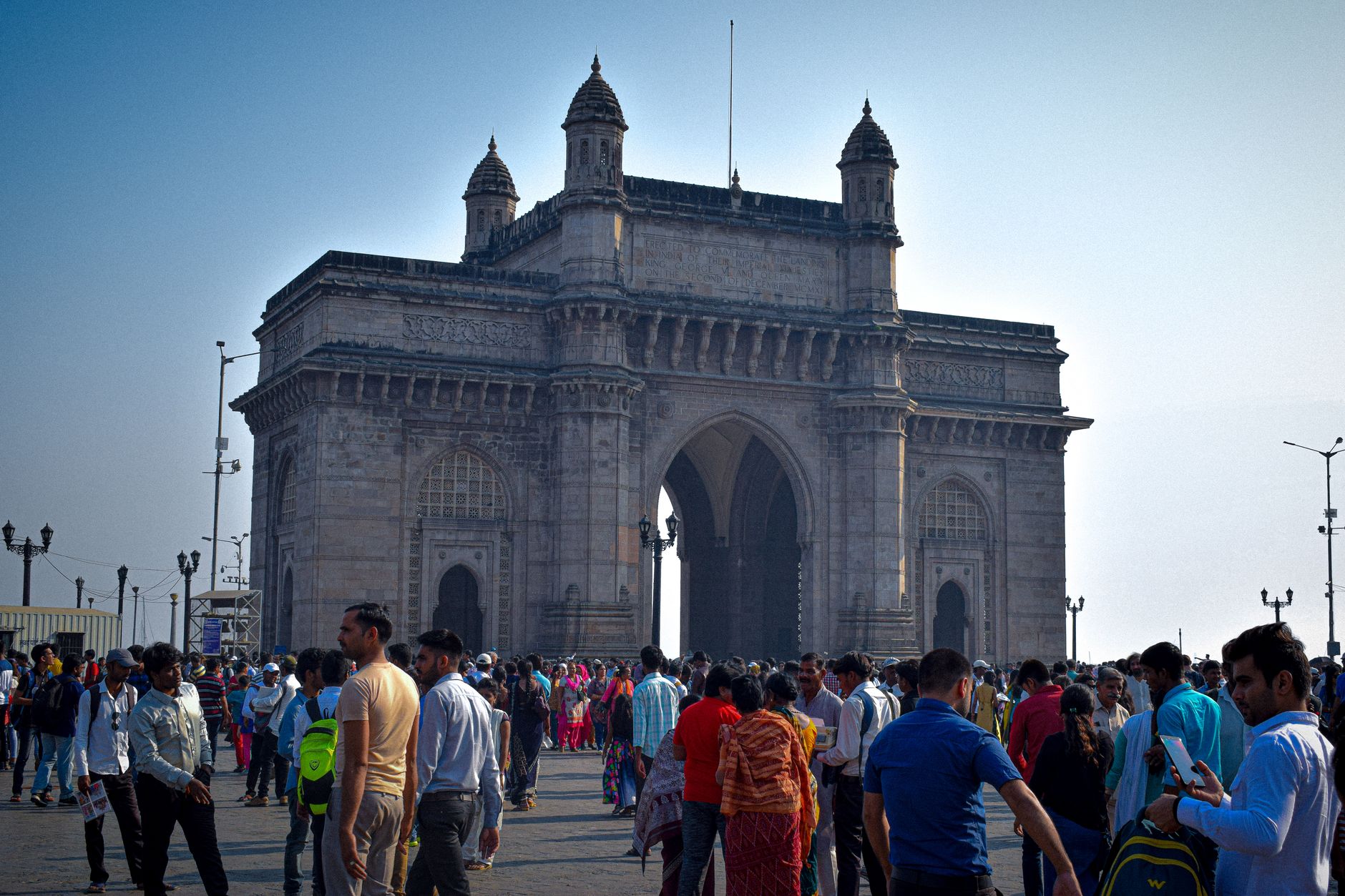
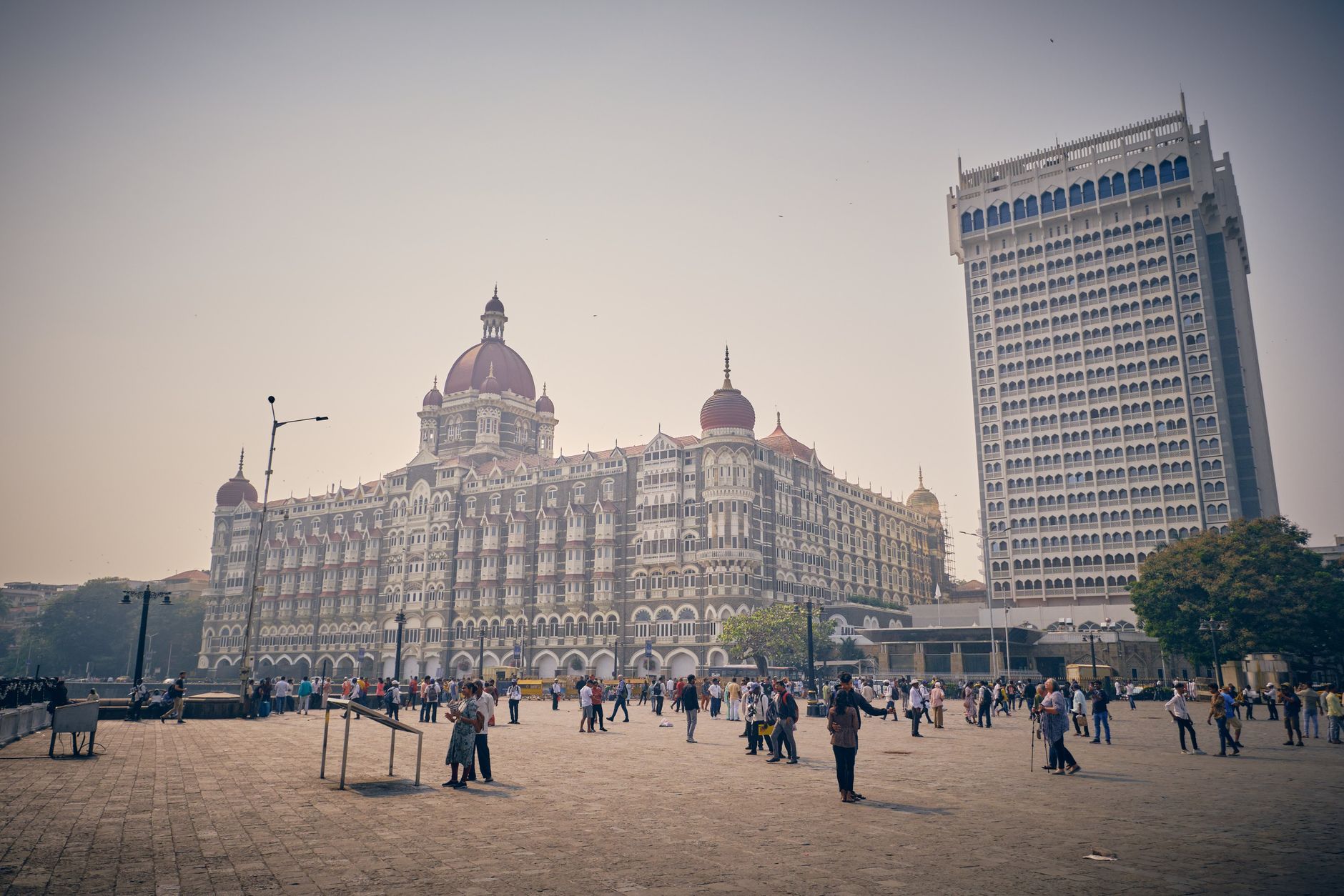
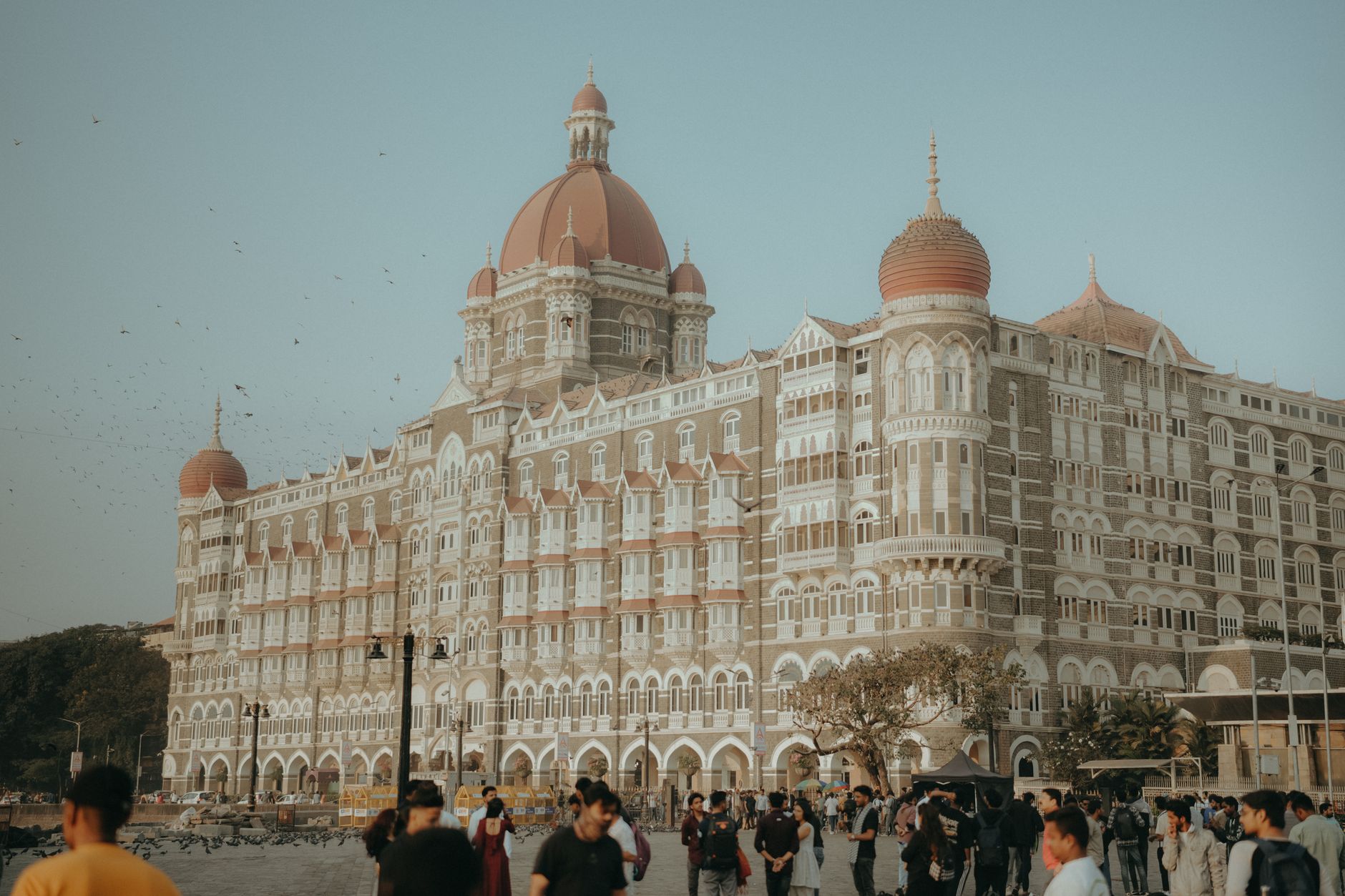
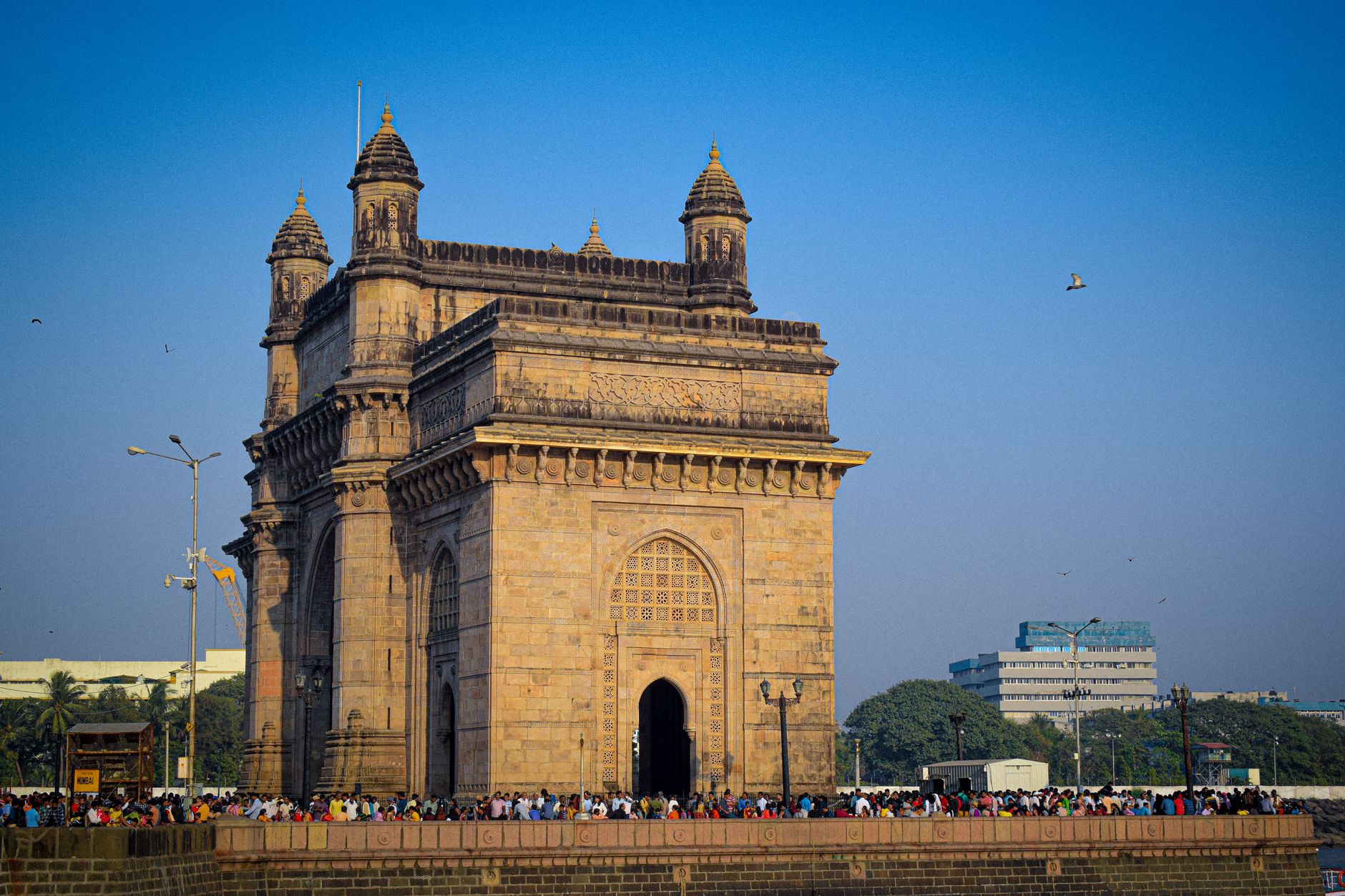
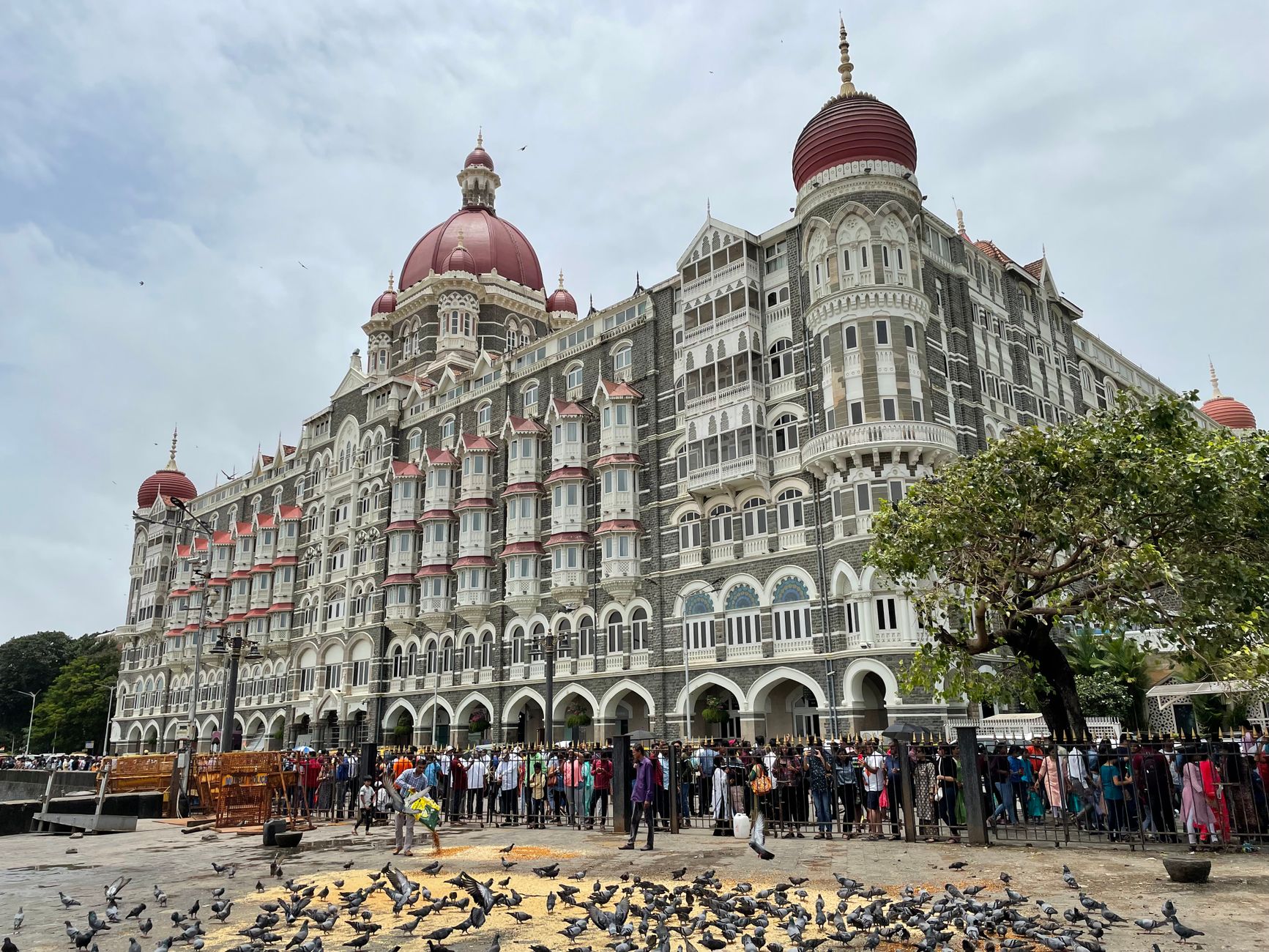
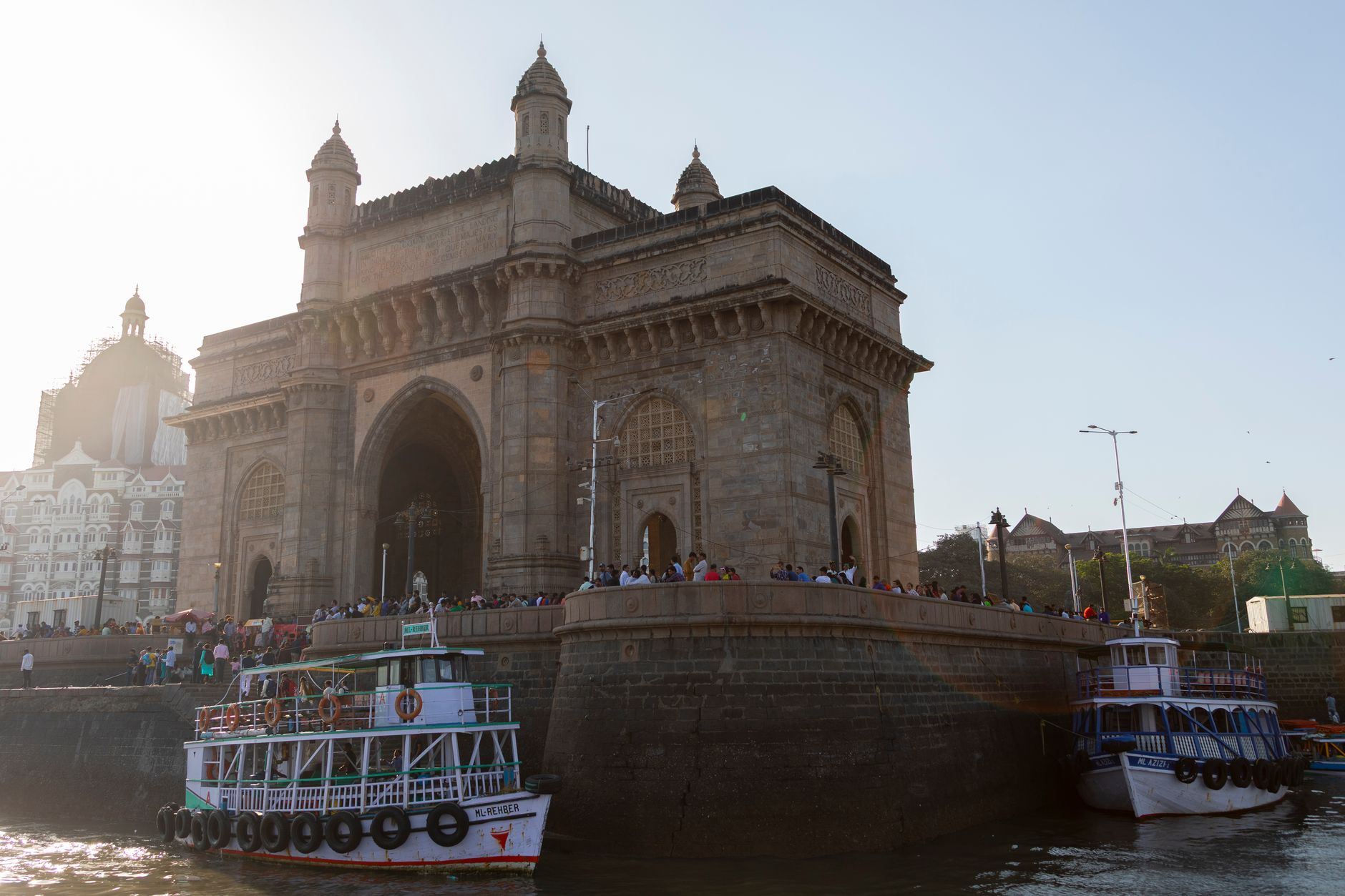
Seven islands, stitched together over centuries by land reclamation and ambition, became one of the world's most densely layered cities. Mumbai carries that geology in its bones — you can still feel the seams in the way the neighbourhoods shift register every few minutes, from the Gothic Revival stonework of Chhatrapati Shivaji Maharaj Terminus to the Art Deco apartment facades of Marine Drive, to the narrow lanes behind Haji Ali where the smell of the sea arrives before you see it.
The suburban railway moves more than seven million people a day, a number that stops making sense until you're standing on a platform watching it happen. The city rewards patience and a loose itinerary — the kind of place where the plan you abandon usually leads somewhere better than the plan you kept.
💛 What travellers fall for
People who come back tend to build their own private Mumbai out of small rituals: a particular chai stall near CSMT before the morning crowd arrives, the ferry to Elephanta on a clear January morning when the light on the harbour is still cool, the moment on the Bandra-Worli Sea Link when the city skyline resolves itself across the water.
How Mumbai came to be
Mumbai's origin is literally an act of assembly. The seven islands — Bombay, Parel, Mazagaon, Mahim, Colaba, Worli and Old Woman's Island — passed through Yadava, Portuguese and British hands before the Crown handed them to the East India Company in 1668 for ten pounds a year in gold. The Bombay Stock Exchange, oldest in Asia, opened in 1875. The railway terminus that would become CSMT was completed in 1887, its Victorian Gothic stonework designed by Frederick William Stevens.
The city's name carried its colonial past until 4 March 1995, when Bombay officially became Mumbai. The Bombay Municipal Corporation, established in 1872, remains one of the oldest urban governing bodies in India — and the infrastructural knots it inherited, from tram routes to textile mills, still shape how the city moves and remembers itself.
Who and what shaped it
People who shaped it
Landmark buildings
See Mumbai in motion
Plan your visit
On the map
When to go
January and February offer the most comfortable conditions — sunny, dry, with nights dropping to around 16°C. The monsoon runs June through September, bringing up to 710 mm of rain in July alone; travel is possible but demands flexibility. March to May turns genuinely hot, regularly reaching 38–40°C.
Right now
Background & history adapted from Wikipedia (CC BY-SA) · specs from Wikidata (CC0) · weather from Open-Meteo · map data © OpenStreetMap contributors · photos from Wikimedia Commons / Unsplash with per-image credit. No third-party reviews or social posts reproduced.