
Kolkata
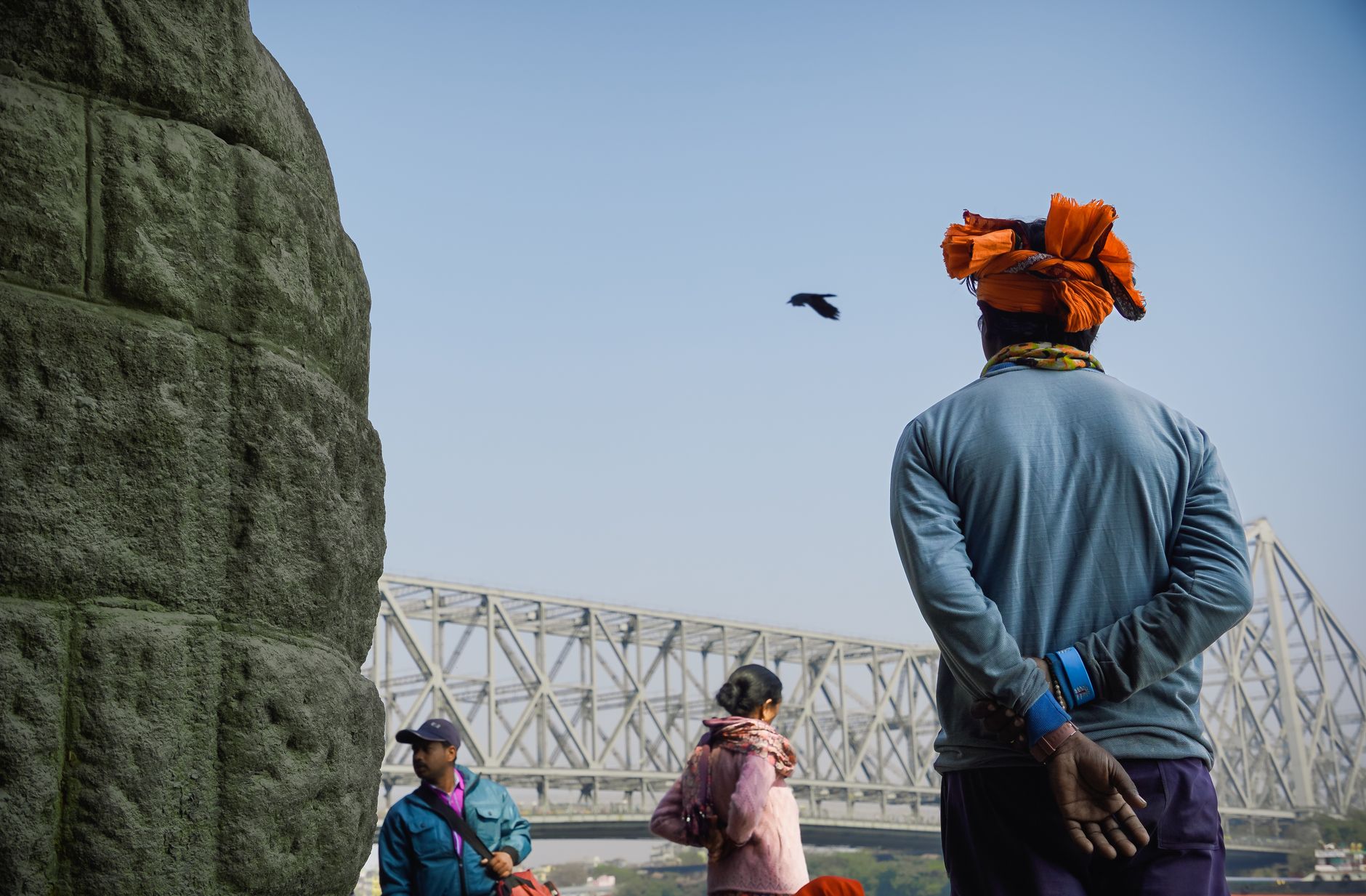
Kolkata announces itself through iron and water. The Howrah Bridge — 26,000 tons of riveted steel, not a single bolt or nut in its frame — carries more human traffic than almost any cantilever bridge on earth, and crossing it on foot at dawn, with the Hooghly moving grey beneath you, tells you something essential about this city's relationship with weight and endurance.
This is a place that was the capital of British India for nearly 140 years, that gave the world Rabindranath Tagore's poetry and Mother Teresa's quiet work among the dying, and that still carries all of it — the grandeur, the grief, the intellectual life — without particularly trying to explain itself to you.
How Kolkata came to be
The land beneath Kolkata was trading territory long before the British arrived — settlements here trace to the Maurya and Gupta periods. In 1690, the East India Company's agent Job Charnock negotiated the purchase of three villages, Sutanuti, Kalikata, and Gobindapur, from the Sabarna Roy Choudhury family. The Company began developing the site almost immediately; Fort William went up in 1696, a civil court followed in 1727, and by 1772 Calcutta had become the capital of British India — a status it held until the colonial administration shifted to Delhi in 1911.
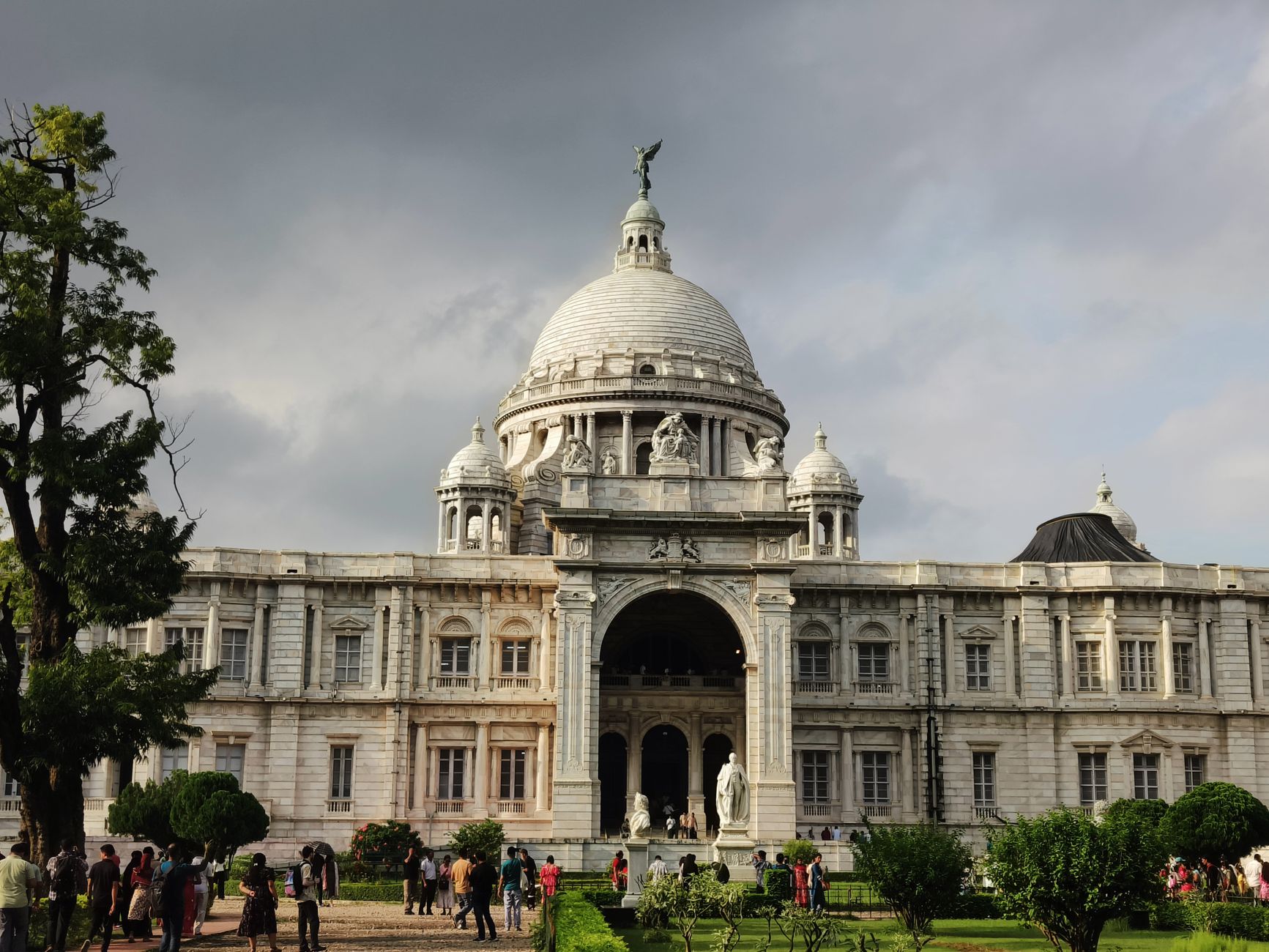
What the British built here still stands in remarkable concentration: the Victoria Memorial completed in 1921, the neoclassical Writer's Building of 1777, St. John's Church finished in 1787. The city kept the name Calcutta until 2001, when it officially became Kolkata — a phonetic return to what Bengali speakers had called it all along.
Who and what shaped it
People who shaped it
Landmark buildings
See Kolkata in motion
Plan your visit
On the map
When to go
October to February brings clear skies and temperatures that stay roughly between 12°C and 26°C — the city at its most navigable. From March the heat builds sharply, and the monsoon arrives in June with humidity and flooding that reshape daily life until September.
Right now
Background & history adapted from Wikipedia (CC BY-SA) · specs from Wikidata (CC0) · weather from Open-Meteo · map data © OpenStreetMap contributors · photos from Wikimedia Commons / Unsplash with per-image credit. No third-party reviews or social posts reproduced.