
Rajasthan
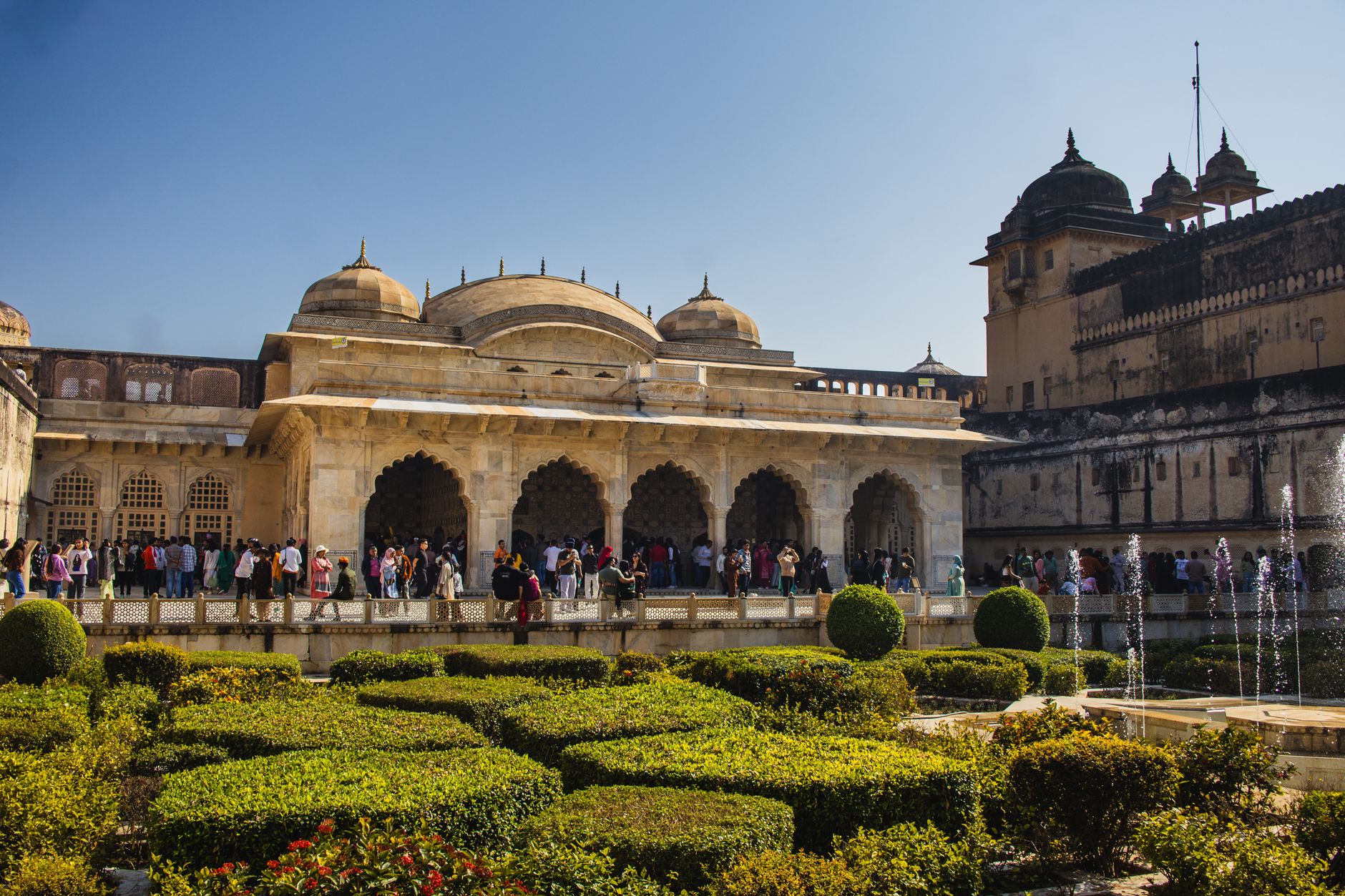
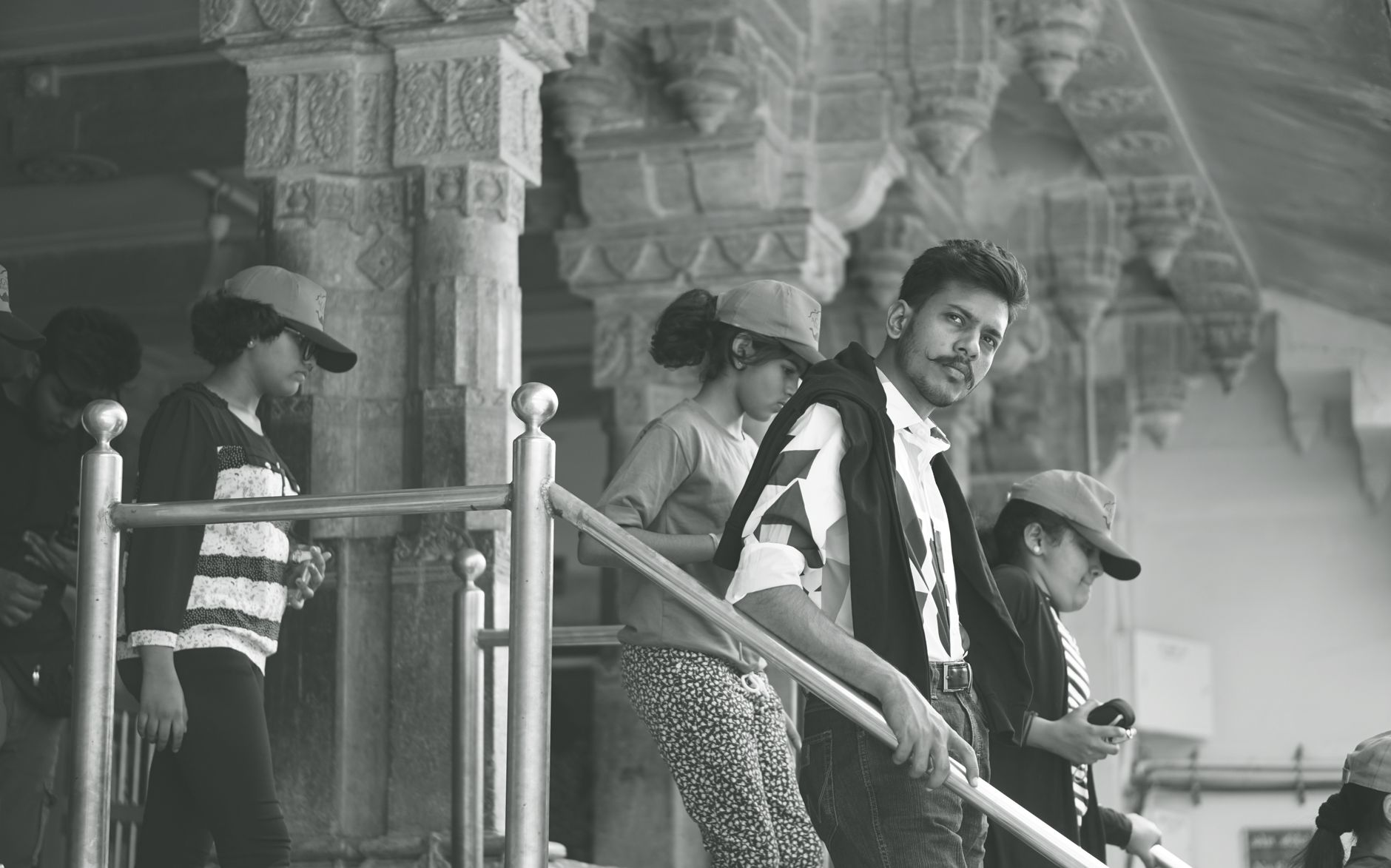
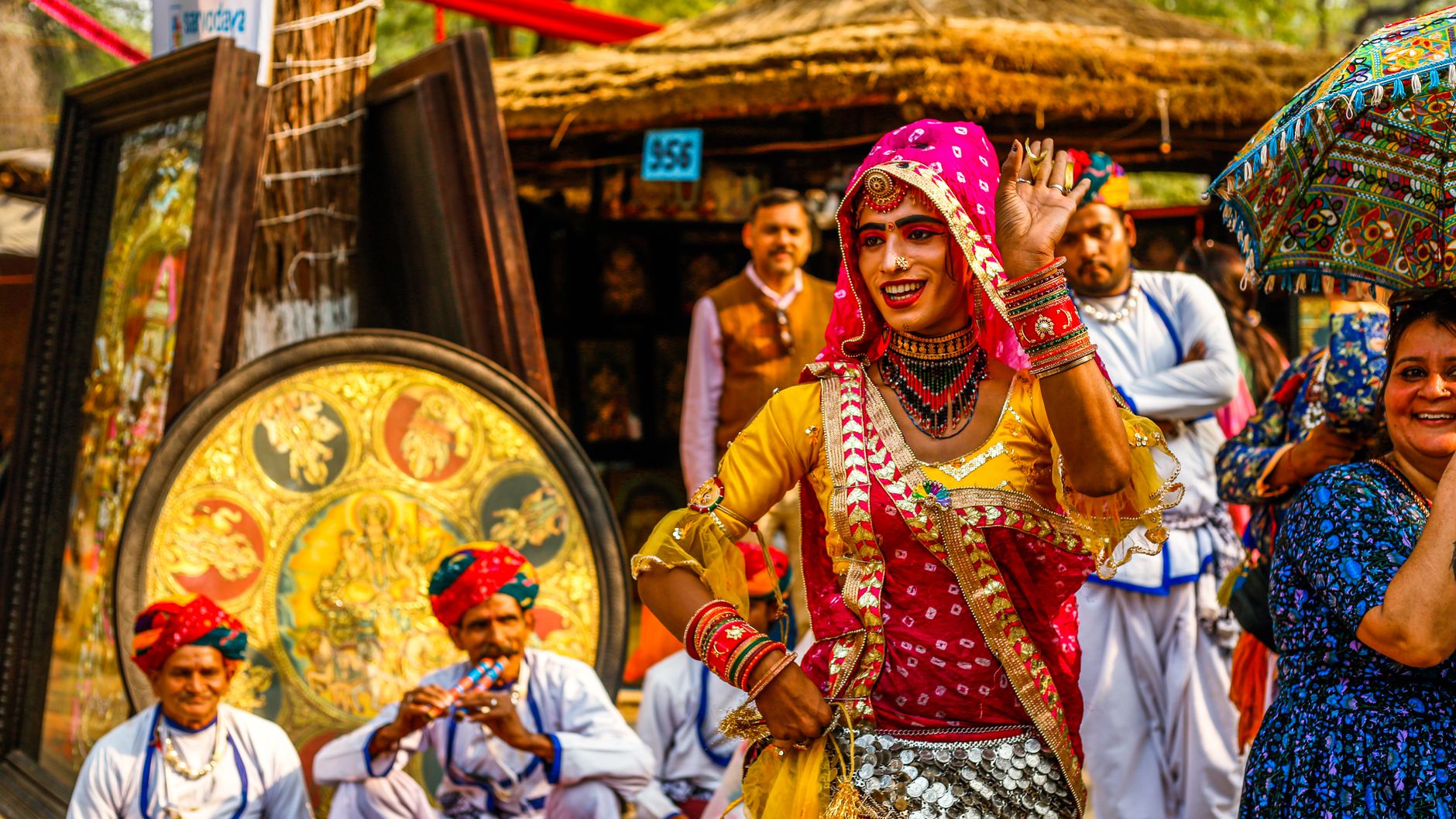
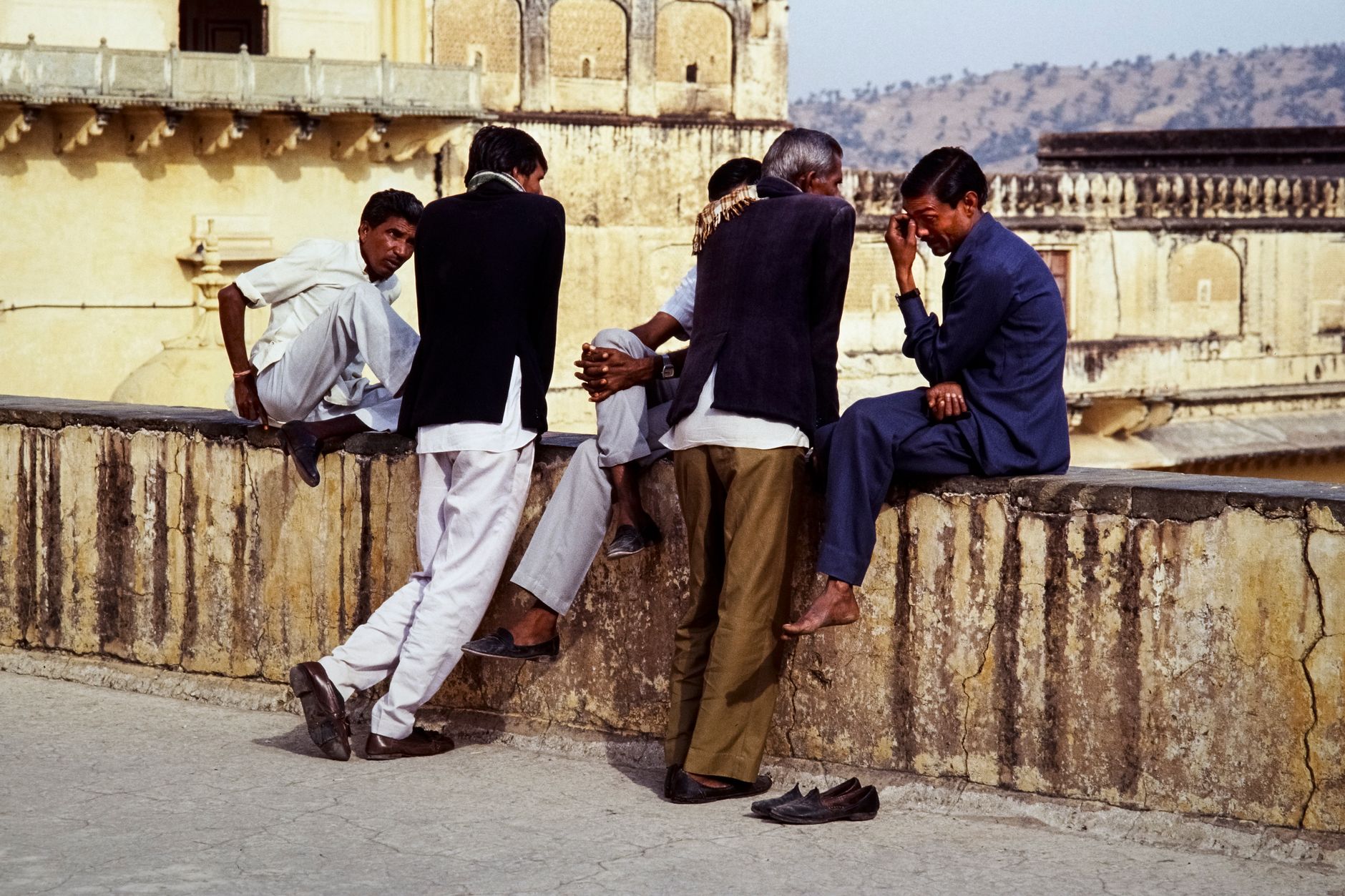
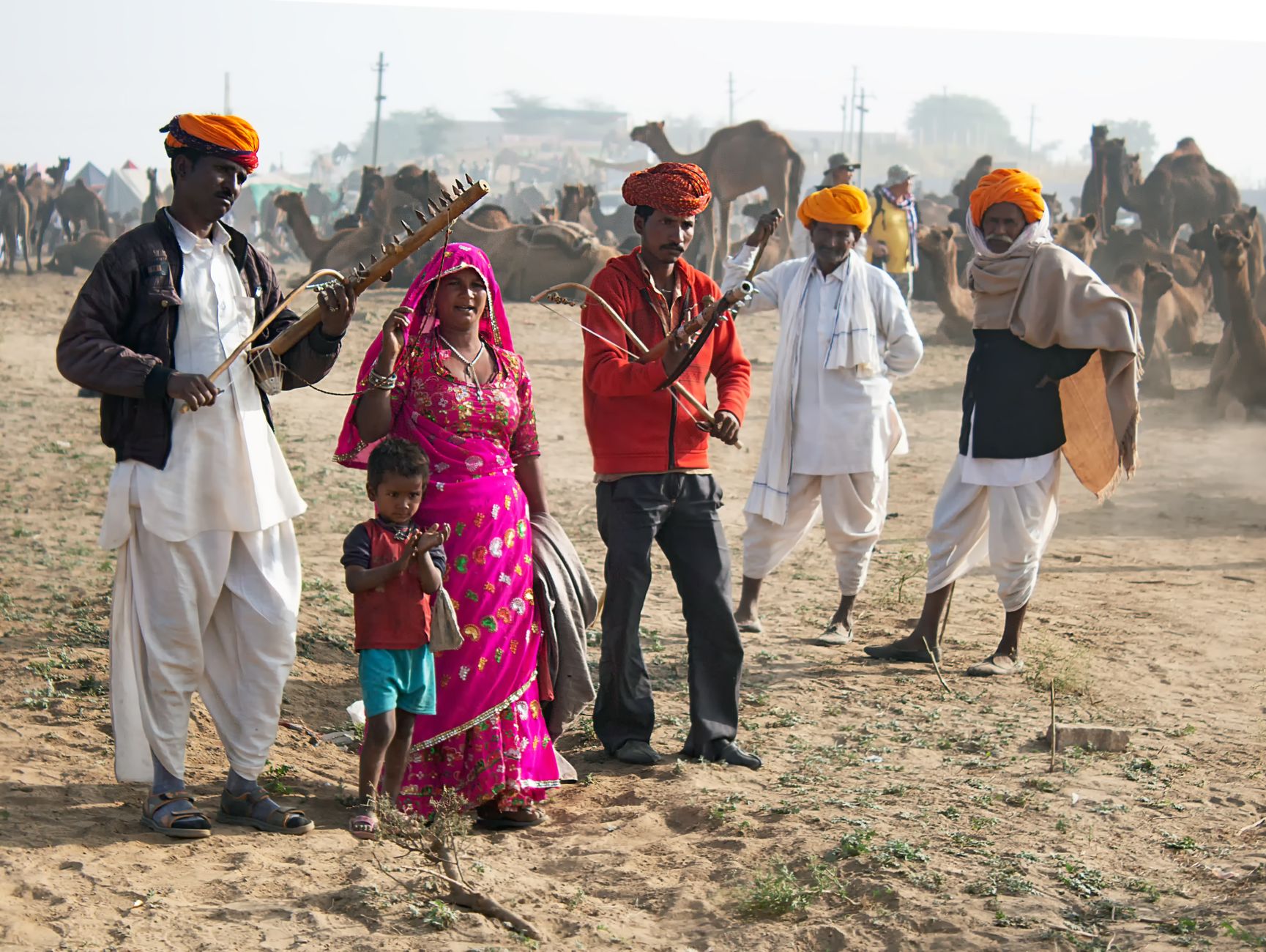
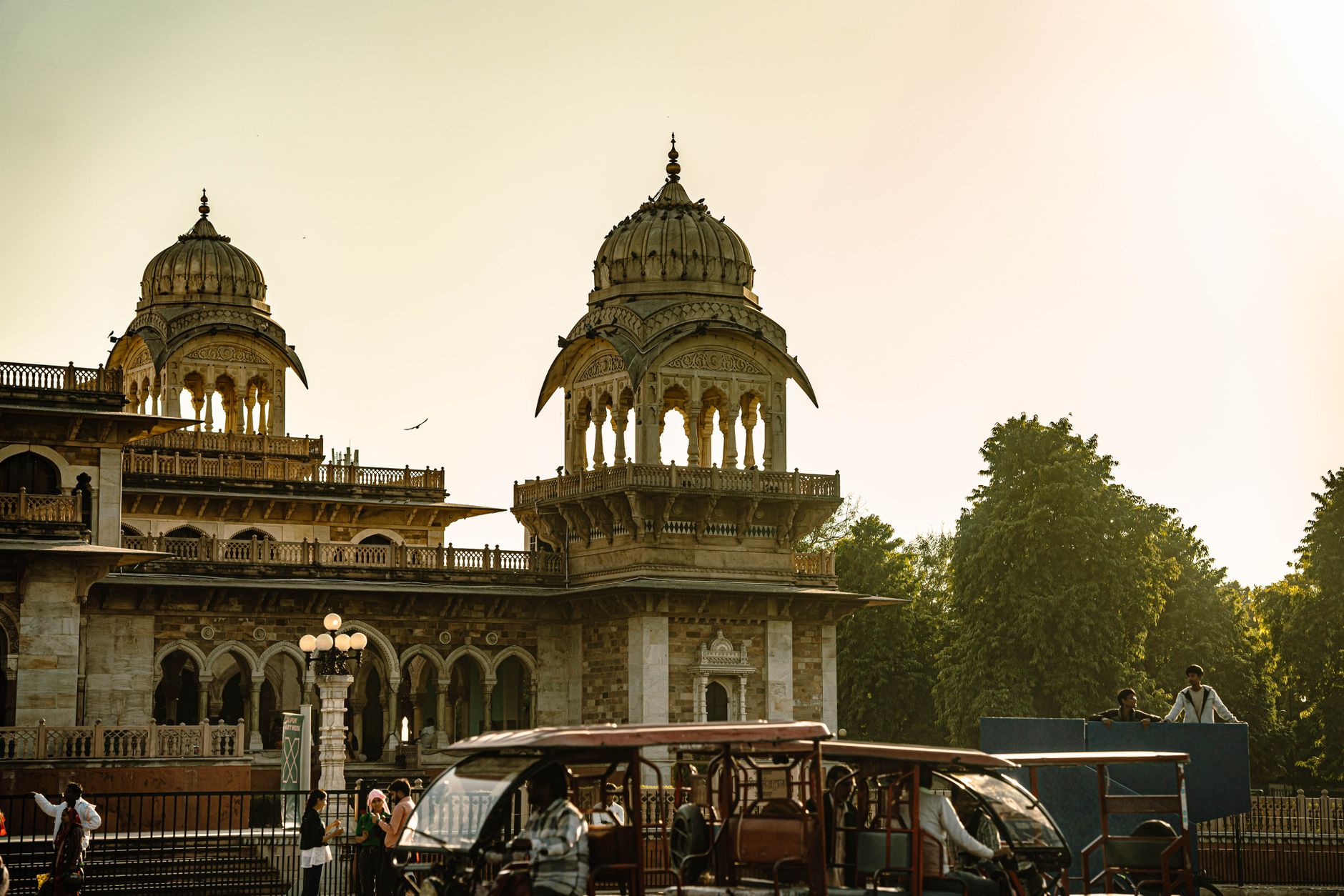
Rajasthan is where the ground itself seems to carry memory. The Thar Desert pushes into the west, sandstone forts rise from ridgelines that have held them for centuries, and the state's 163 monuments of national importance are not museum pieces — many are still inhabited, still trading, still prayed in. The scale of the place surprises first-timers: this is India's largest state by area, and the distance between Jaisalmer in the desert and Bharatpur on the eastern plains is roughly that of crossing several European countries.
What holds it together is the Rajput inheritance — a tradition of fortress-building, court culture and a particular relationship between ruler and landscape that you read in every carved jharokha and lake palace. Cities like Jaipur, Udaipur and Jodhpur each have their own distinct character, and the region rewards both a focused week in one corner and a longer traverse.
How Rajasthan came to be
Human settlement here reaches back roughly 100,000 years, and the Indus Valley Civilization extended into the region between 5000 and 2000 BCE. The Rajputs arrived from the northwest in the first millennium AD and began building the kingdoms whose architecture still defines the landscape. The Guhilas established control around Mewar by 940; the Chauhans held the east from their capital at Ajmer by the 11th century. Rana Sanga of Mewar brought Rajput power to its peak in the early 16th century before being defeated by Babur.
The modern state took shape slowly after independence. Bikaner, Jodhpur, Jaisalmer and Jaipur acceded in March 1949, and Greater Rajasthan was inaugurated on March 30 of that year — a date still marked across the state. The final borders were drawn on November 1, 1956.
Who and what shaped it
People who shaped it
Landmark buildings
See Rajasthan in motion
Plan your visit
On the map
When to go
October through March is the window most travellers aim for: days are warm and clear, nights in the desert can drop sharply, so layers matter. April and May bring intense heat, particularly in the Thar, while the monsoon arrives from July and softens the landscape but can make some roads difficult.
Right now
Background & history adapted from Wikipedia (CC BY-SA) · specs from Wikidata (CC0) · weather from Open-Meteo · map data © OpenStreetMap contributors · photos from Wikimedia Commons / Unsplash with per-image credit. No third-party reviews or social posts reproduced.