
Himachal Pradesh
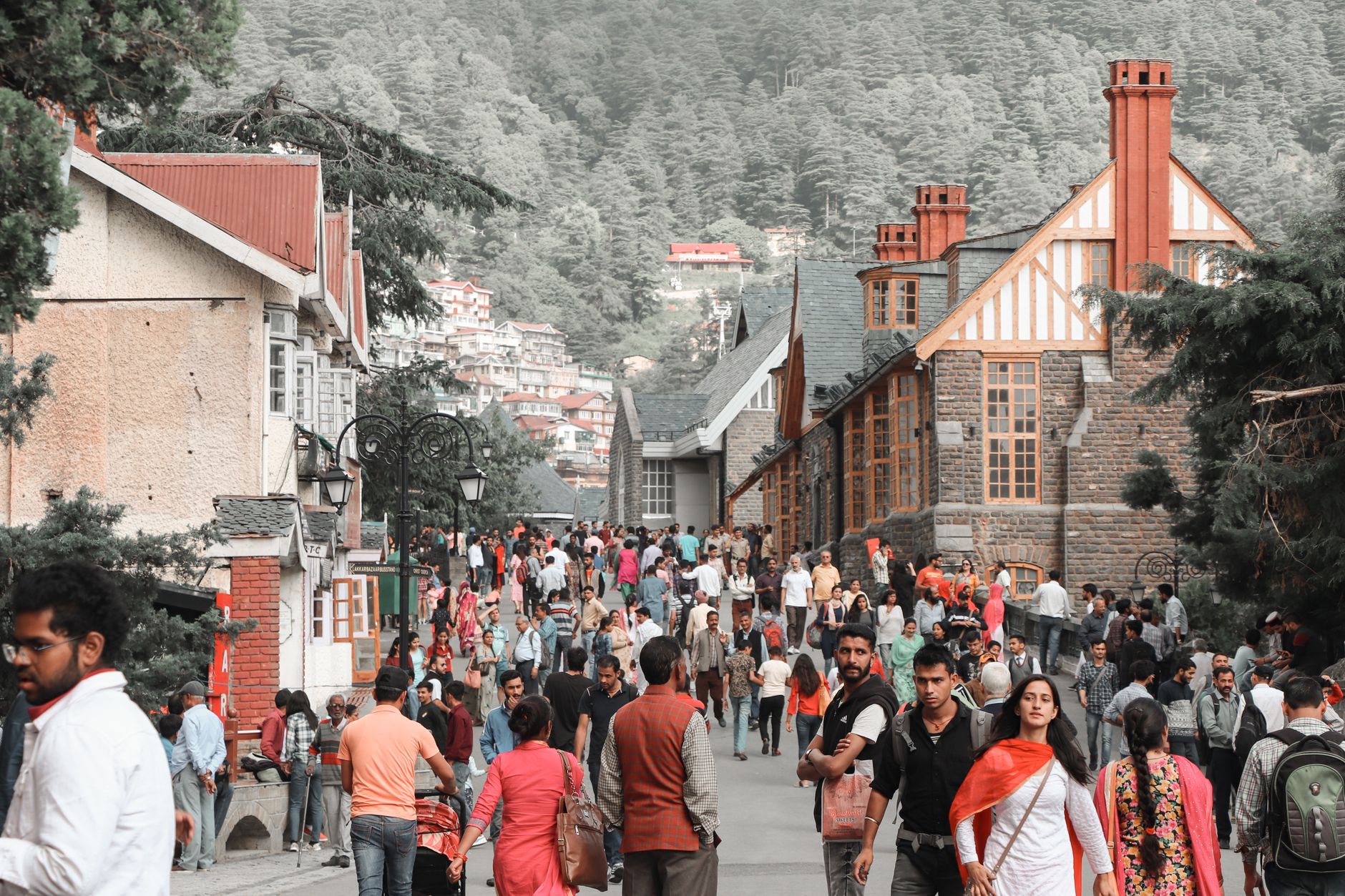
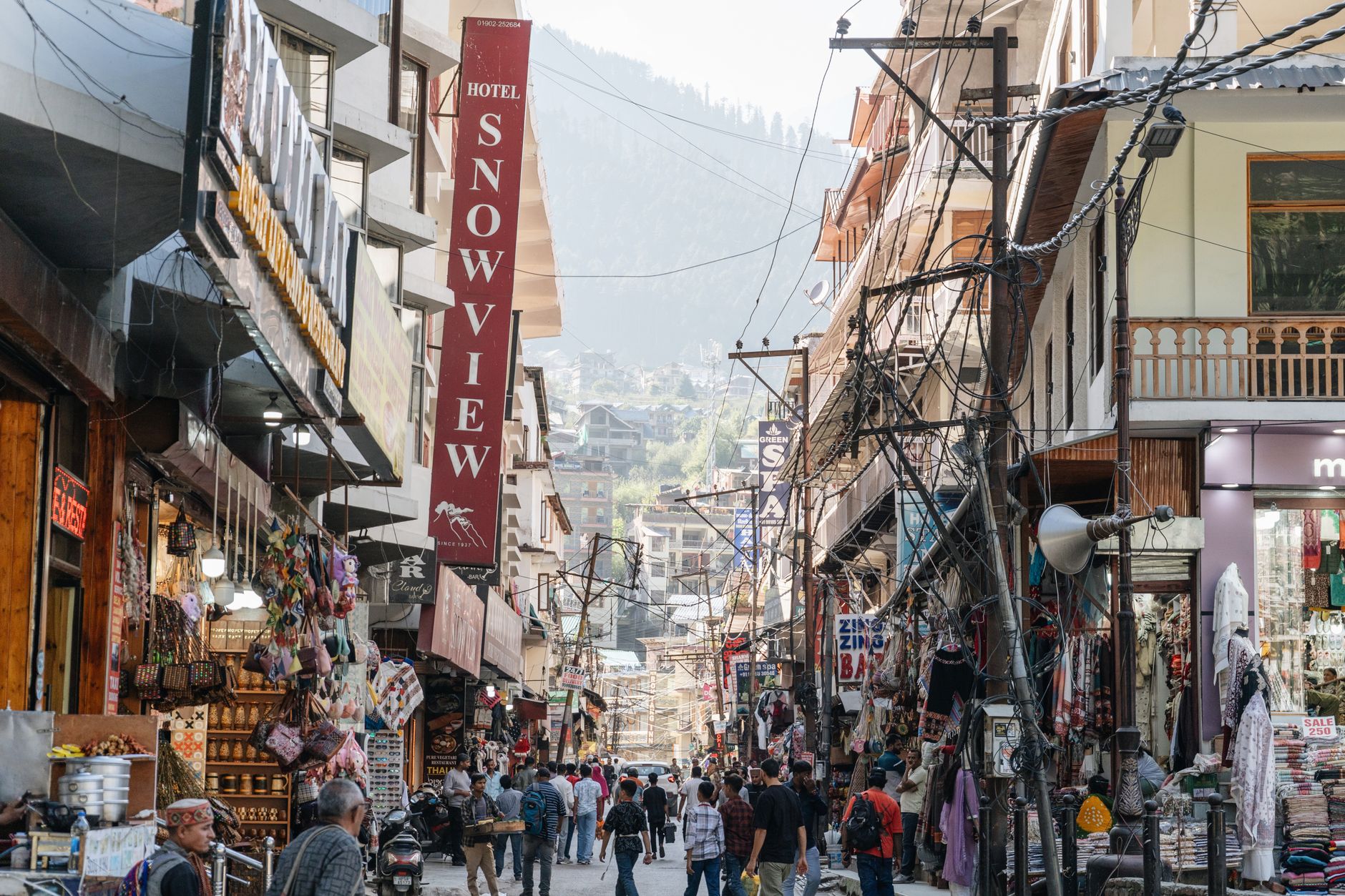
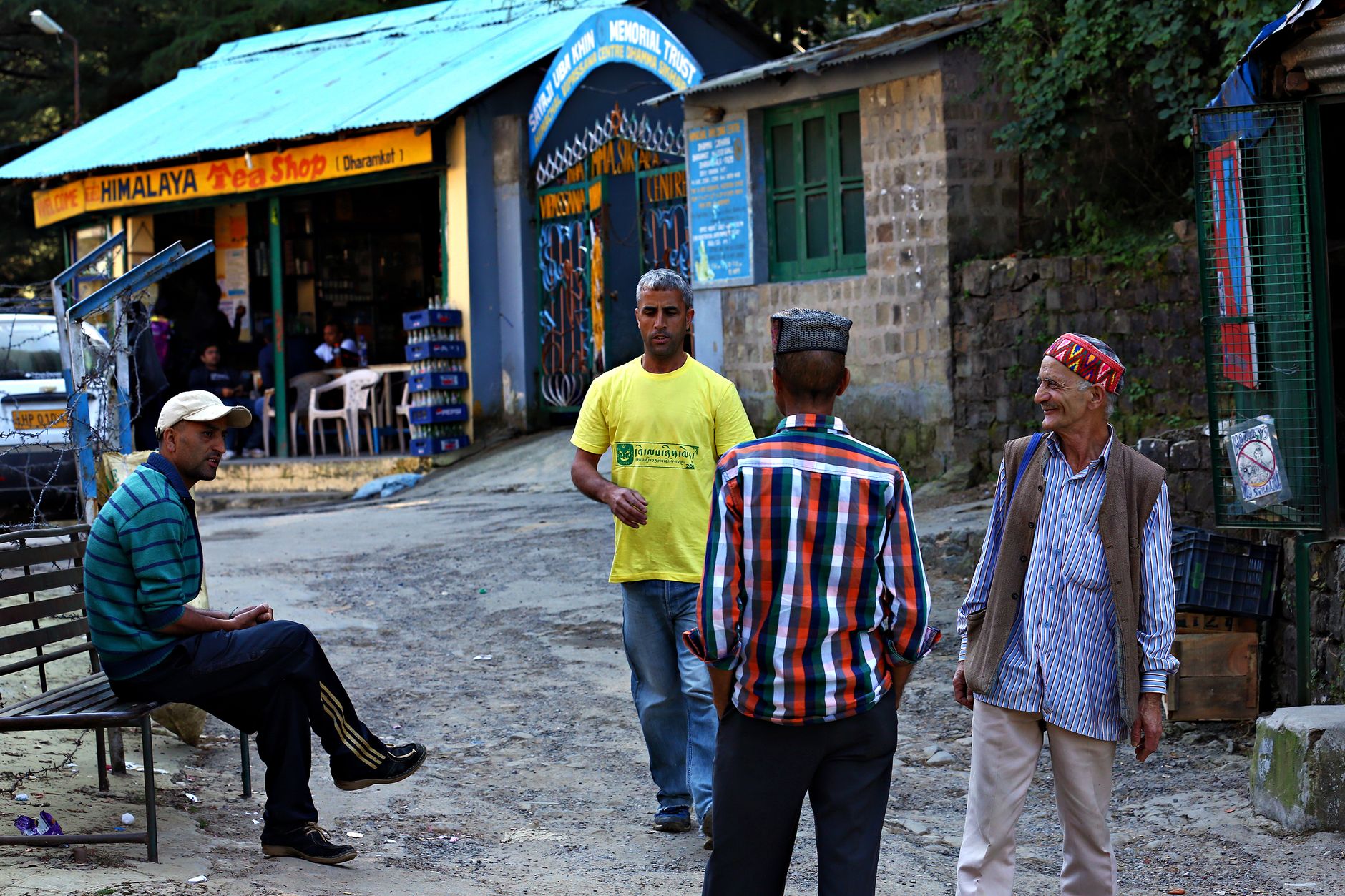
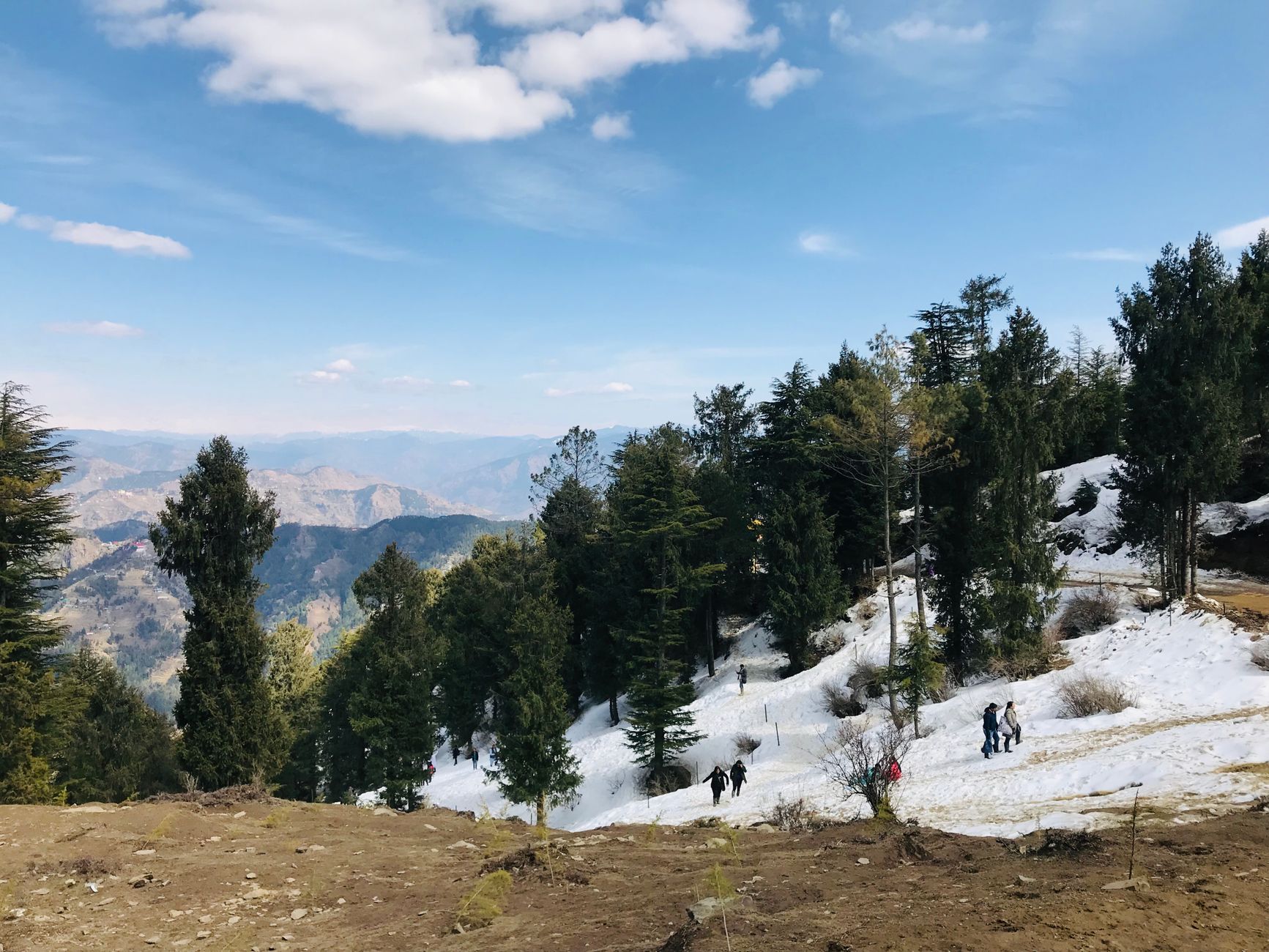
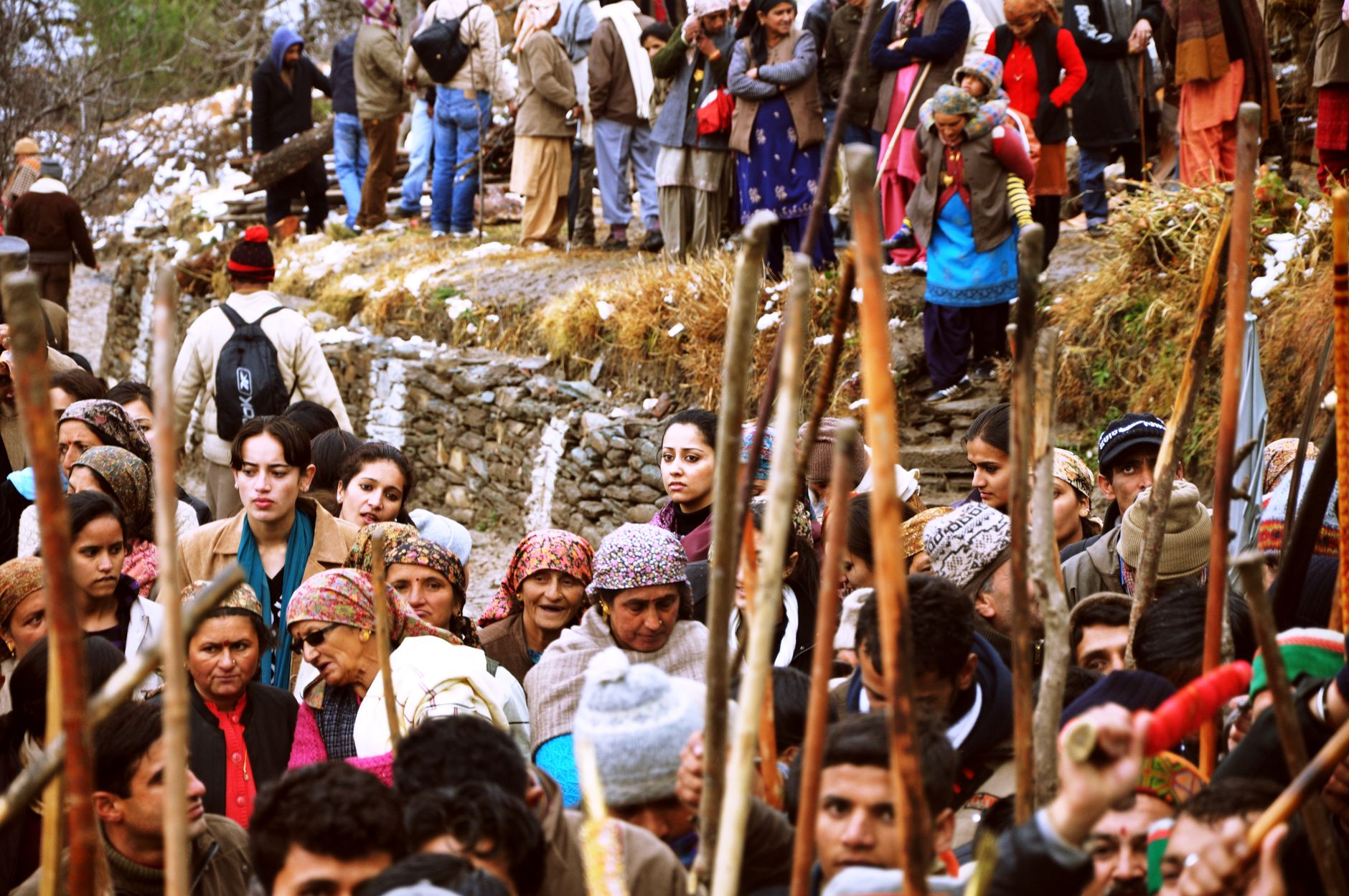
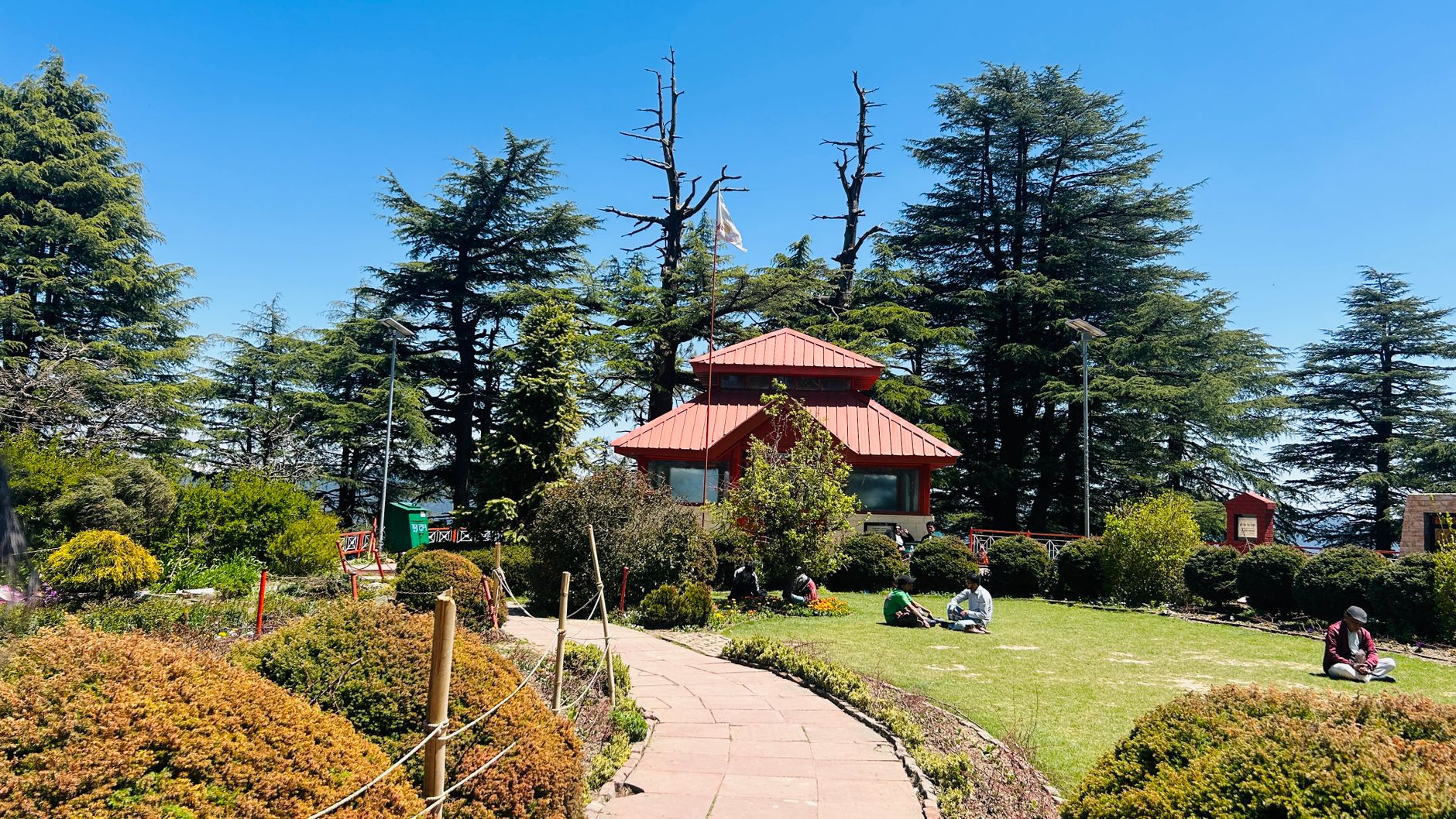
Himachal Pradesh is a state of altitudes — where the road from Chandigarh climbs from Punjab's plains into apple orchards, then pine forests, then the bare rock and prayer flags of Spiti. The range here is genuine: a single journey can move you from a Victorian-era railway carriage on the UNESCO-listed Kalka-Shimla narrow gauge to a monastery at Tabo that has stood since 996 AD.
Fifty-five thousand square kilometres hold everything from the Kangra Valley's terraced fields to passes that stay snow-locked half the year. The 43 ASI-listed monuments barely hint at the density of what's here — 8th-century rock-cut temples, Rajput hill forts, a British Viceroy's summer residence in Shimla — spread across terrain that keeps each place distinct.
💛 What travellers fall for
People who come back tend to anchor in one valley at a time — the Spiti circuit alone rewards a week. The Kalka-Shimla toy train is worth booking well ahead; window seats on the left going up. Tabo Monastery is quieter at dawn before day-trippers arrive from Kaza. Carry cash into the higher valleys — ATMs thin out fast above Manali.
How Himachal Pradesh came to be
The name itself came from Sanskrit — Acharya Diwakar Datt Sharma coined 'Himachal', from hima (snow) and achal (mountain). The British arrived in the Shimla hills after the Gurkha War of 1815–16, eventually making Shimla the summer capital of the Raj; the Viceregal Lodge, designed by Henry Irwin and completed in 1888, survives as the most visible relic of that era.
After independence, the territory was assembled in 1948 from hill districts around Shimla and former Punjab hill areas, passing through several constitutional forms before Yashwant Singh Parmar — its first Chief Minister and the figure most credited with shaping the state — saw it become India's eighteenth state on 25 January 1971.
Who and what shaped it
People who shaped it
Landmark buildings
See Himachal Pradesh in motion
Plan your visit
On the map
When to go
April through June is warm and clear across most elevations, with temperatures between roughly 18°C and 24°C — the reliable season for Spiti and Lahaul before monsoon muddies the roads. July to September brings rain to the lower and middle hills; January is the coldest month, with higher regions dropping well below zero and snowfall that makes Shimla picturesque but Manali and beyond genuinely challenging to reach.
Right now
Background & history adapted from Wikipedia (CC BY-SA) · specs from Wikidata (CC0) · weather from Open-Meteo · map data © OpenStreetMap contributors · photos from Wikimedia Commons / Unsplash with per-image credit. No third-party reviews or social posts reproduced.