
Jaipur
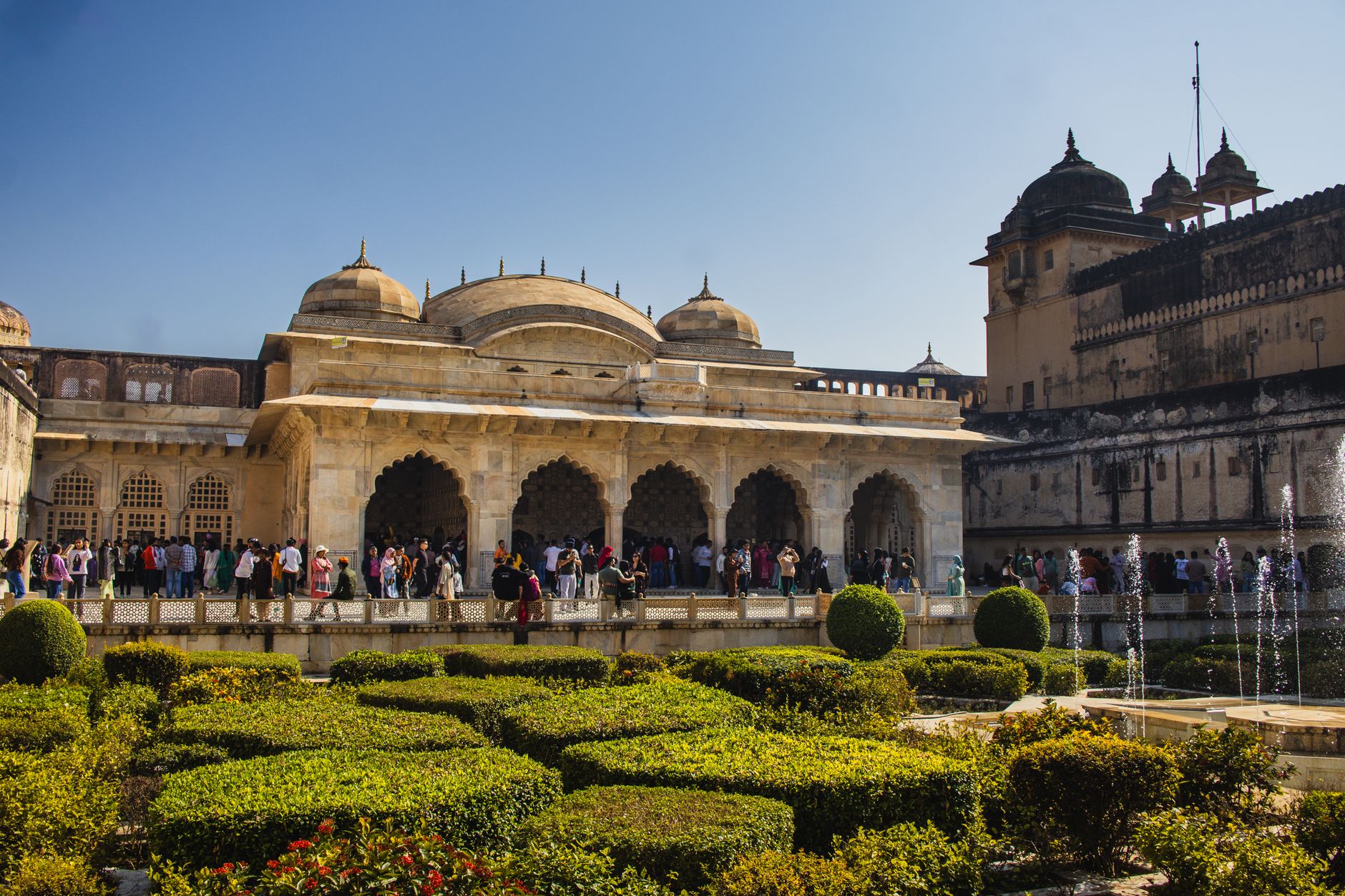
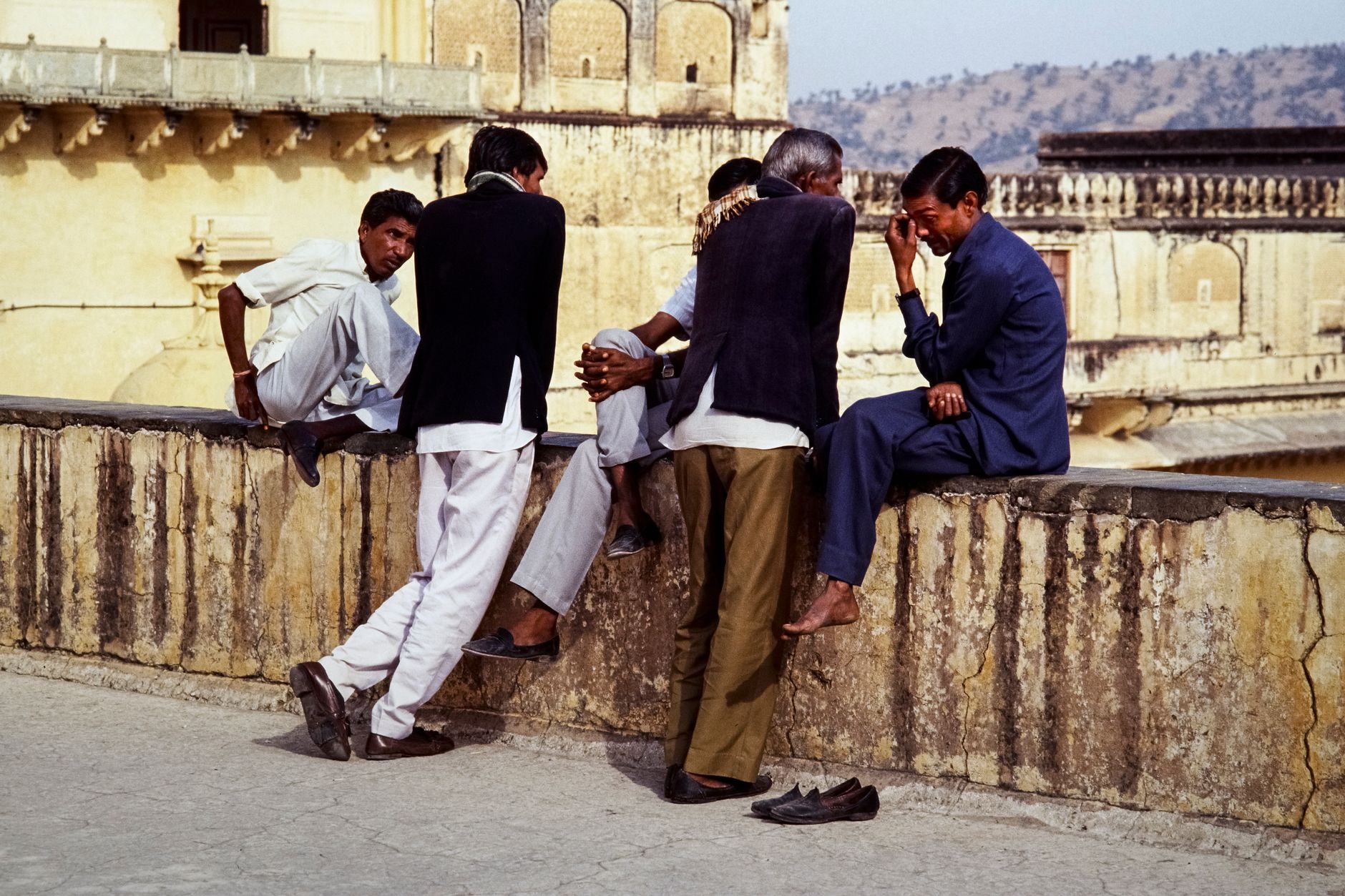
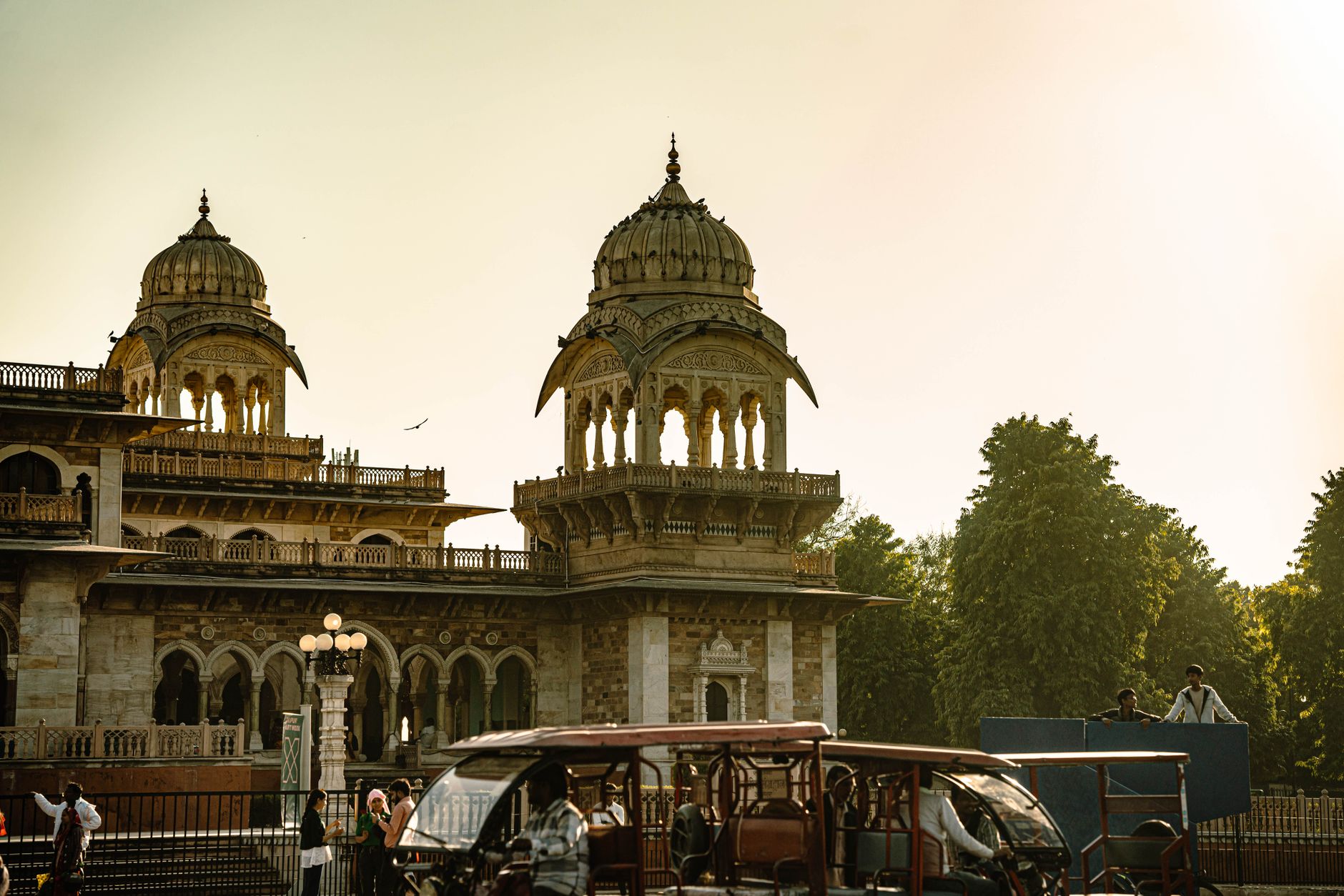
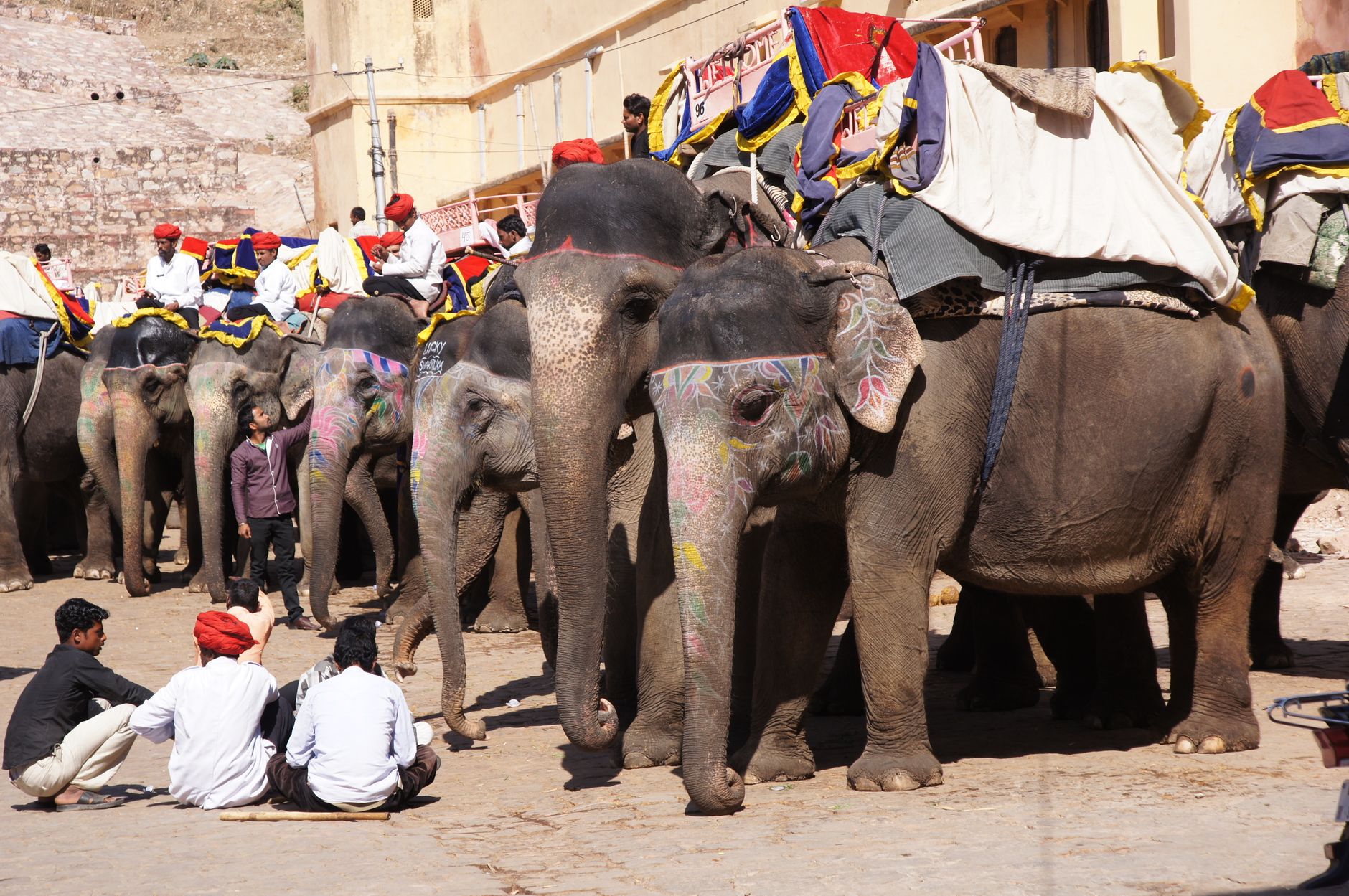
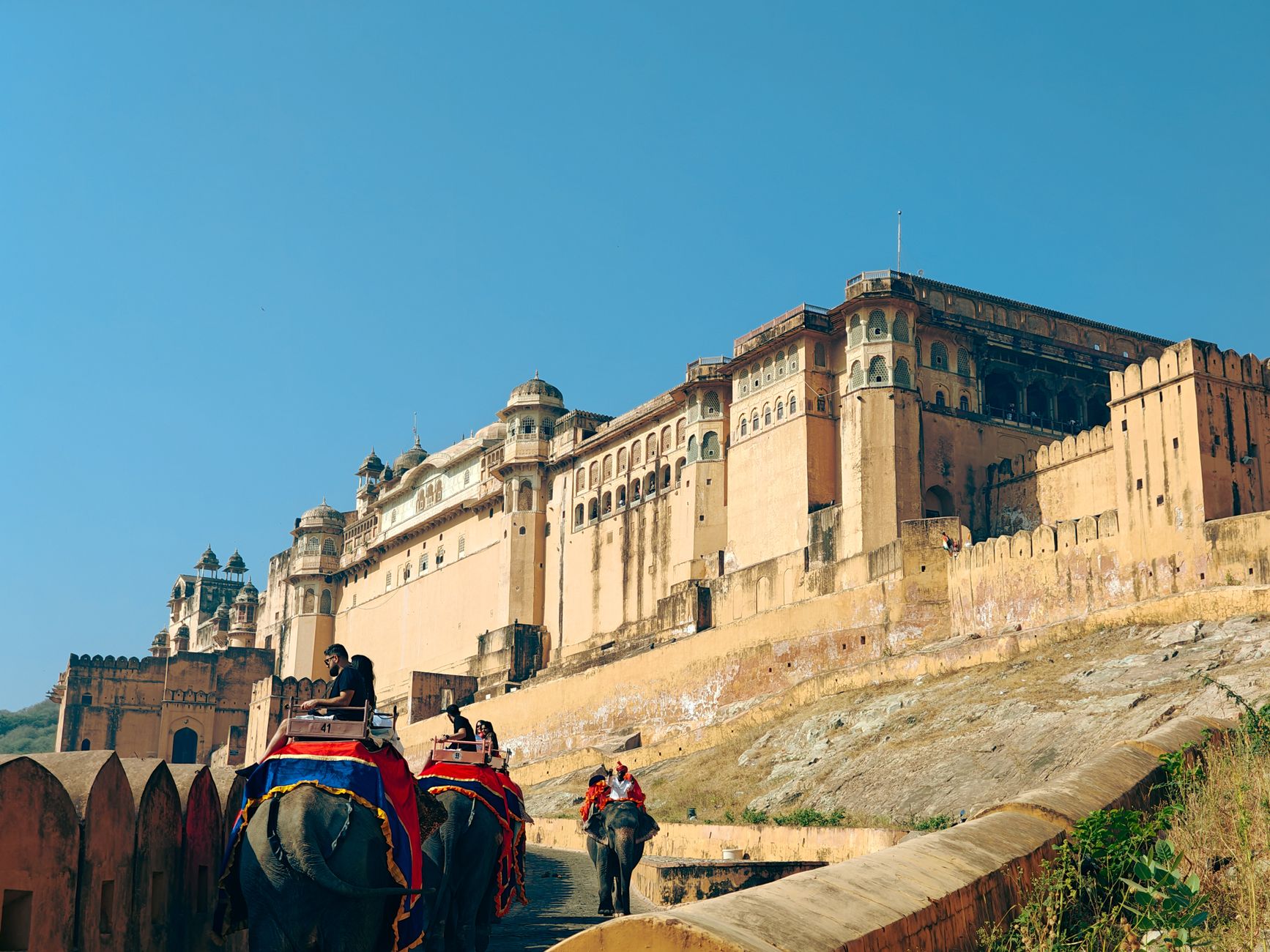
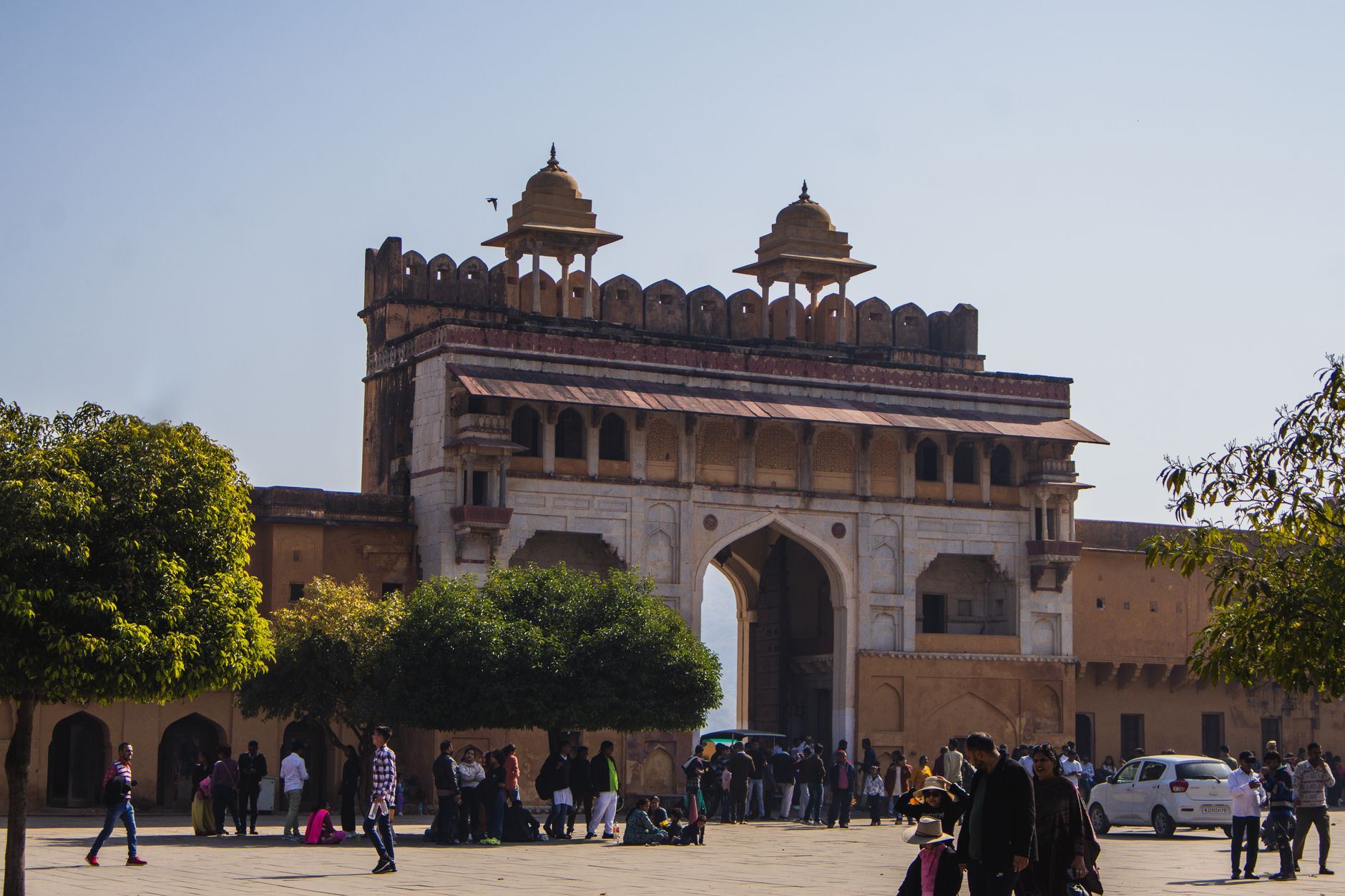
Jaipur announces itself in colour before anything else. The old city is washed in a particular terracotta-pink — the result of a single civic decision made in 1876, when the city was repainted to receive the Prince of Wales — and that hue has stuck ever since, coating bazaars, palace walls and roadside chai stalls alike.
What makes Jaipur worth your time is the density of the thing. Within a few square kilometres you have a working royal palace, a UNESCO-listed observatory where stone sundials still measure time to the second, and a five-storey screen of 953 latticed windows built so that women of the court could watch street life unseen. It rewards slow walking.
How Jaipur came to be
On 18 November 1727, Maharaja Sawai Jai Singh II laid the foundation stone for an entirely new city on the plains below his ancestral capital at Amber. Amber had run short of water and space; Jai Singh — astronomer, mathematician, ruler since 1699 — wanted somewhere built to last. He commissioned Vidyadhar Bhattacharya, a Bengali architect trained in ancient Sanskrit city-planning texts, who laid out the grid on classical Hindu principles. It was the first major city in north India to be built from scratch rather than grown.
By 1733 it had replaced Amber as the Kachawaha capital. Jai Singh died in 1743, having also built five astronomical observatories across the subcontinent. Jaipur became capital of Rajasthan in 1949, two years after independence.
Who and what shaped it
People who shaped it
Landmark buildings
See Jaipur in motion
Plan your visit
On the map
When to go
Winter — mid-November through February — is the time to come: days are clear and mild, though January nights can turn genuinely cold. Summer temperatures regularly exceed 45°C, and the monsoon from mid-June to mid-September brings frequent flooding in the lower city.
Right now
Background & history adapted from Wikipedia (CC BY-SA) · specs from Wikidata (CC0) · weather from Open-Meteo · map data © OpenStreetMap contributors · photos from Wikimedia Commons / Unsplash with per-image credit. No third-party reviews or social posts reproduced.