
Kerala
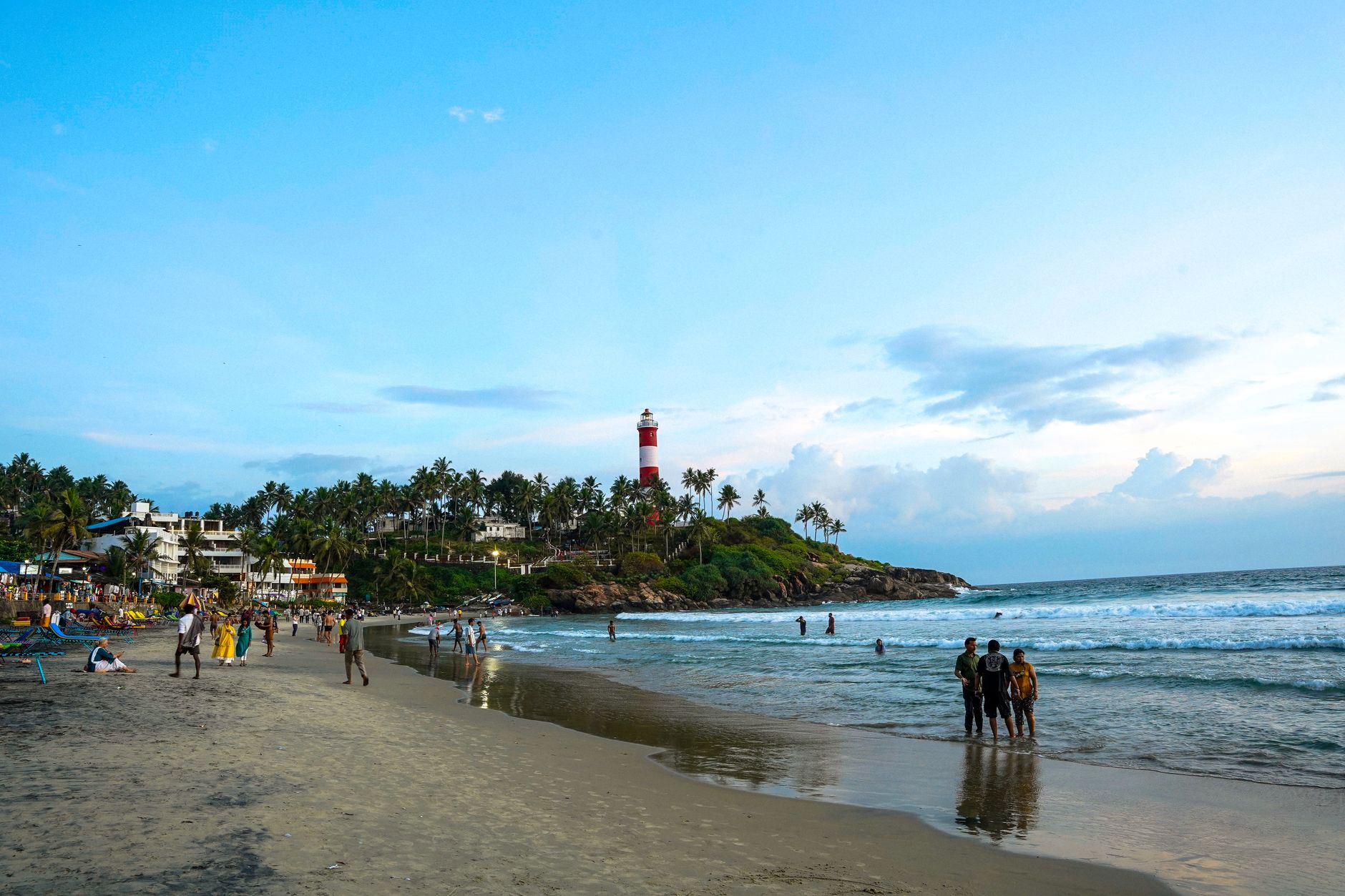
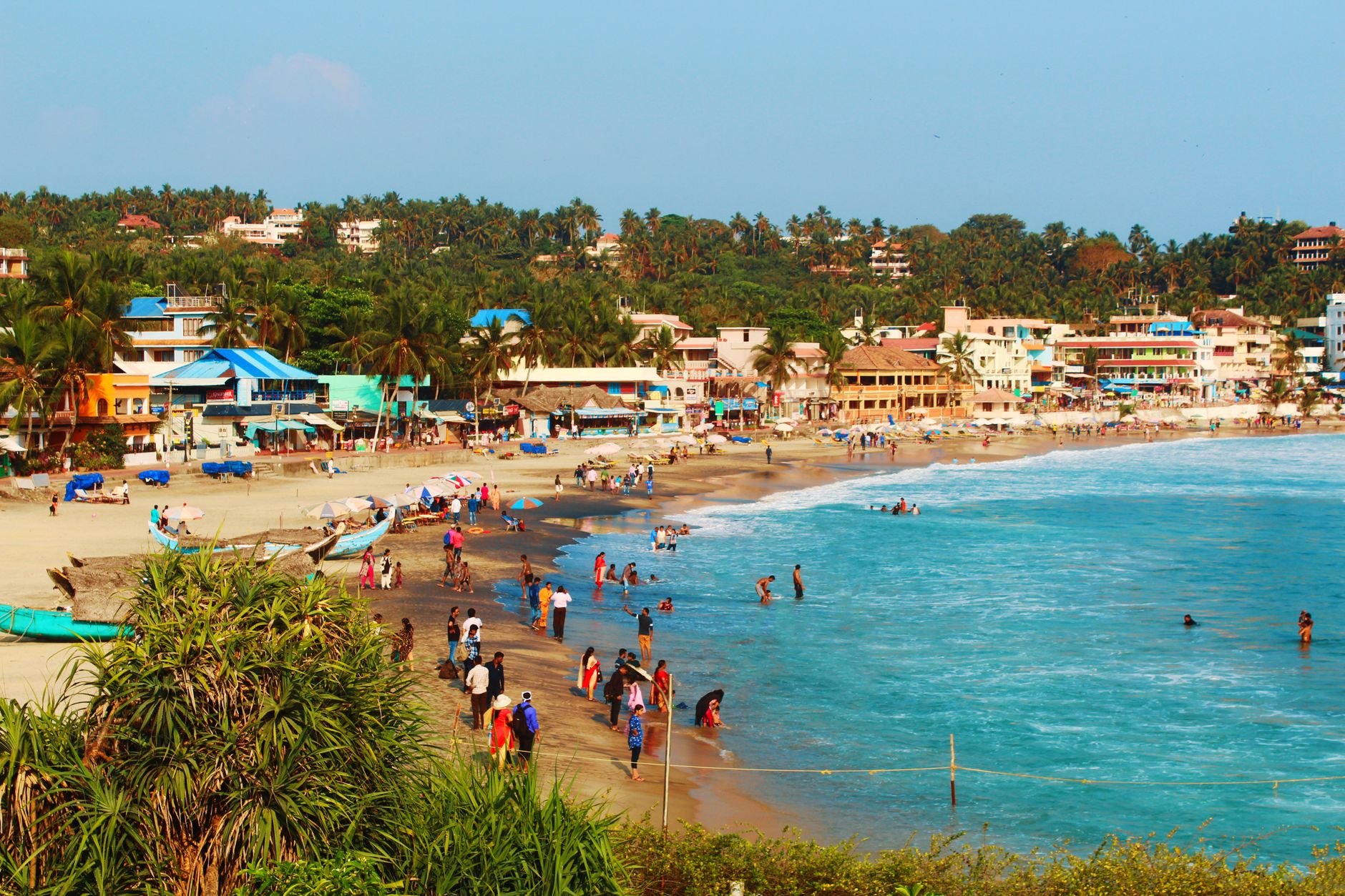
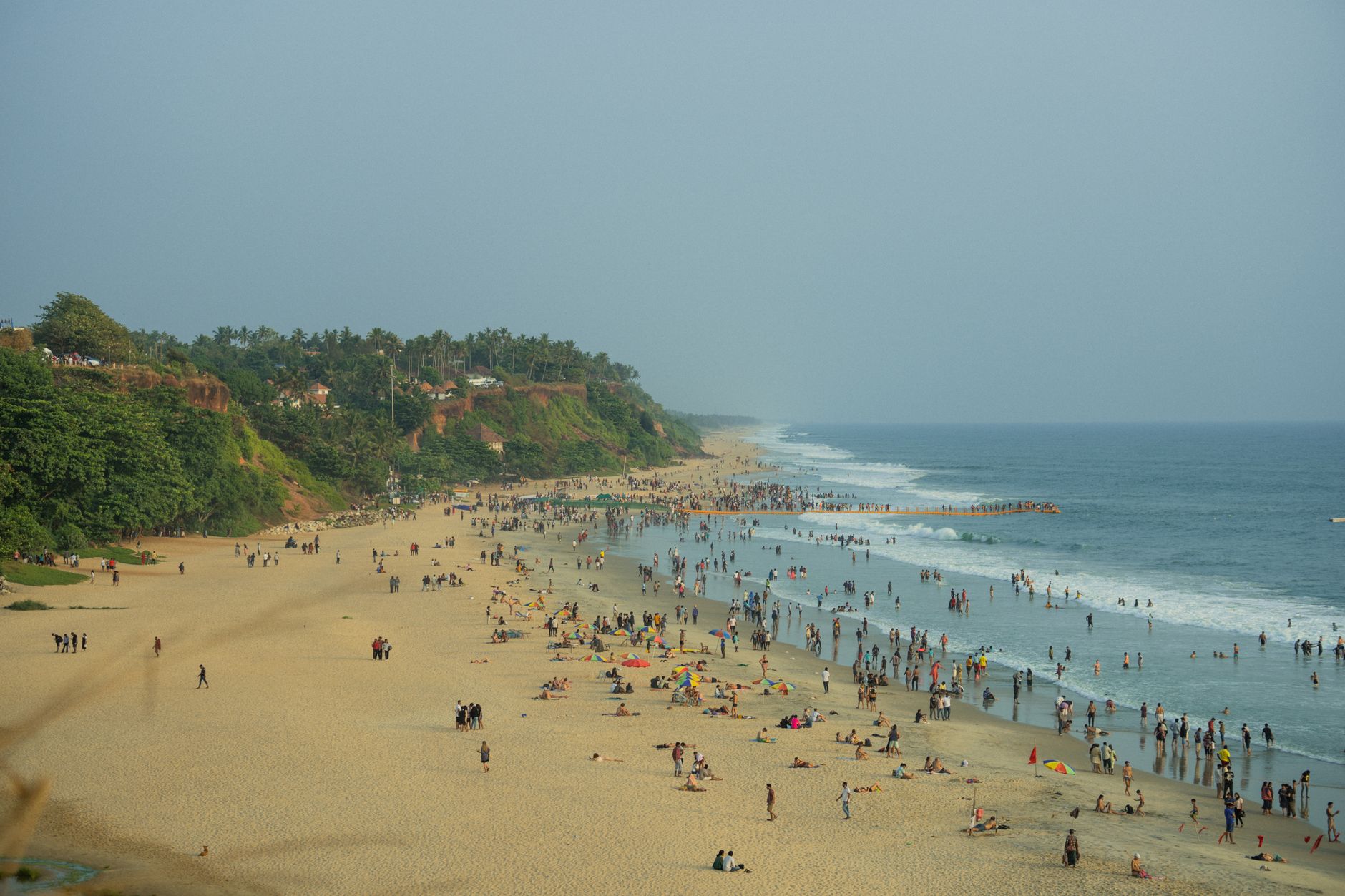
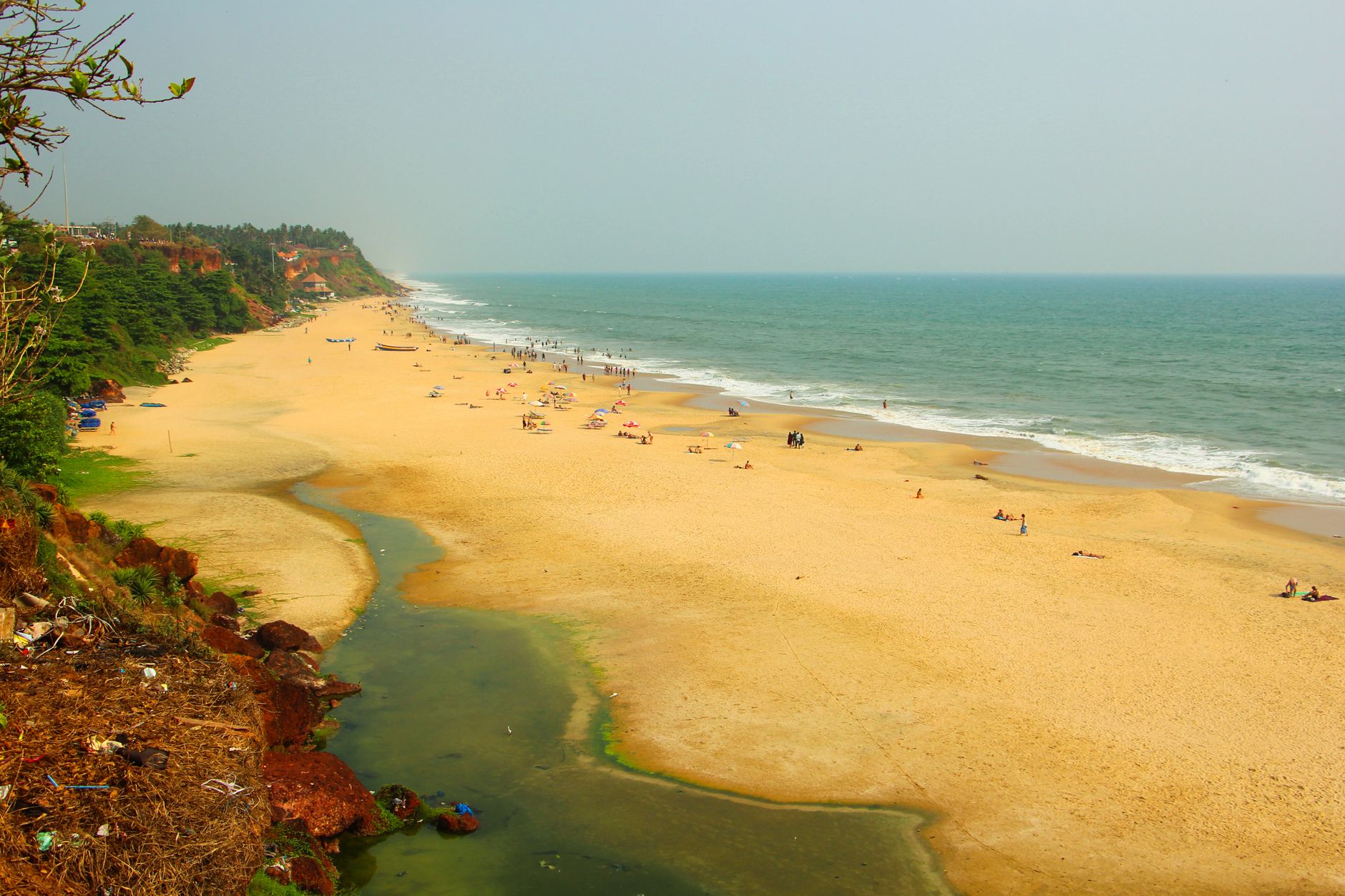
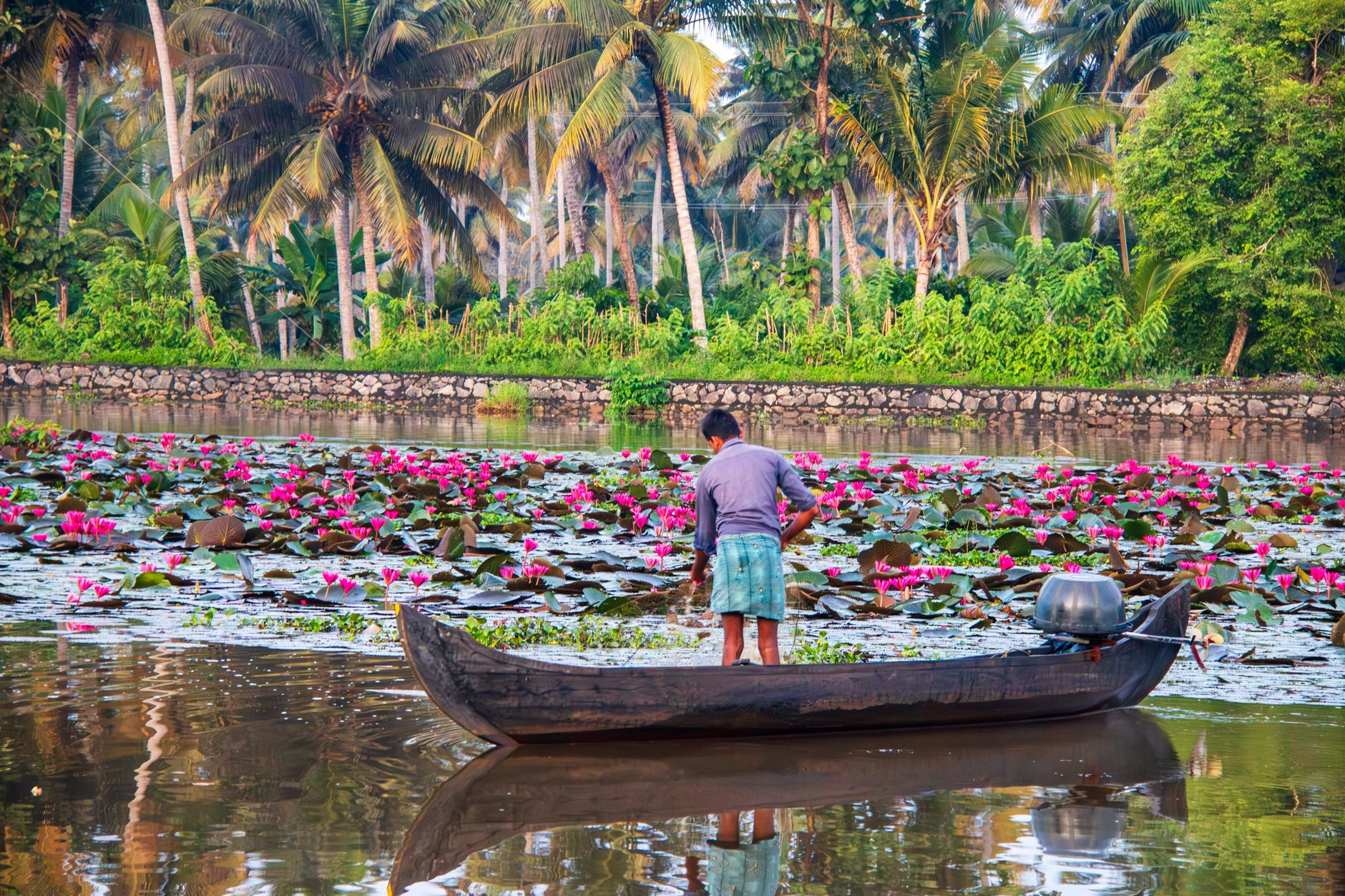
Kerala announces itself through water. The backwaters of Alappuzha move slowly, and a houseboat drifting through those palm-lined channels at dusk gives you a version of India that looks nothing like anywhere else on the subcontinent. The land is long and narrow — pressed between the Western Ghats and the Arabian Sea — and that geography shapes everything: the cuisine, the trade history, the way the light falls through coconut groves.
This is the southwestern edge of India, a place that has been receiving ships and ideas from across the world for well over two thousand years. Spice routes brought the Portuguese, the Dutch, and the British; what remains is a layered culture where Kathakali dance, Syrian Christian churches, and ancient Shiva temples can all exist within a few kilometres of each other.
💛 What travellers fall for
People who return to Kerala tend to stop explaining why and just book the train from Ernakulam. They'll tell you to get to Padmanabhaswamy Temple for the early-morning darshan window — 6:30 AM, non-Hindus permitted — before the heat arrives. And they'll insist you take at least one overnight on a houseboat, not the crowded ones, but one of the smaller canoes available from ₹400 in the quieter channels.
How Kerala came to be
Ashoka's rock edicts from the 3rd century BCE already name this region — 'Keralaputra' — placing it among the known polities of the ancient world. The Kulasekhara Chera dynasty eventually consolidated rule across what is now modern Kerala, and by 825 CE the region had its own Malayalam calendar. Vasco da Gama's landing near Calicut in 1498 opened a new chapter in the spice trade, drawing Portuguese, then Dutch, then British interest to these shores.
The 18th century produced one of Kerala's defining moments: in 1741, Marthanda Varma of Travancore defeated the Dutch at the Battle of Kolachel, checking European expansion and consolidating Travancore as a significant regional power. Modern Kerala took its current shape in 1956, stitched together from Travancore-Cochin and the Malabar district — and in 1957 became the site of the first democratically elected communist government in India, under E.M.S. Namboodiripad.
Who and what shaped it
People who shaped it
Landmark buildings
See Kerala in motion
Plan your visit
On the map
When to go
December through mid-January is the coolest and driest stretch, with temperatures dipping to around 18°C at night — the most straightforward time to travel. The southwest monsoon arrives in June and the state receives heavy rain for roughly 140 days a year, which makes the landscape extraordinary but travel logistically demanding.
Right now
Background & history adapted from Wikipedia (CC BY-SA) · specs from Wikidata (CC0) · weather from Open-Meteo · map data © OpenStreetMap contributors · photos from Wikimedia Commons / Unsplash with per-image credit. No third-party reviews or social posts reproduced.