
Agra
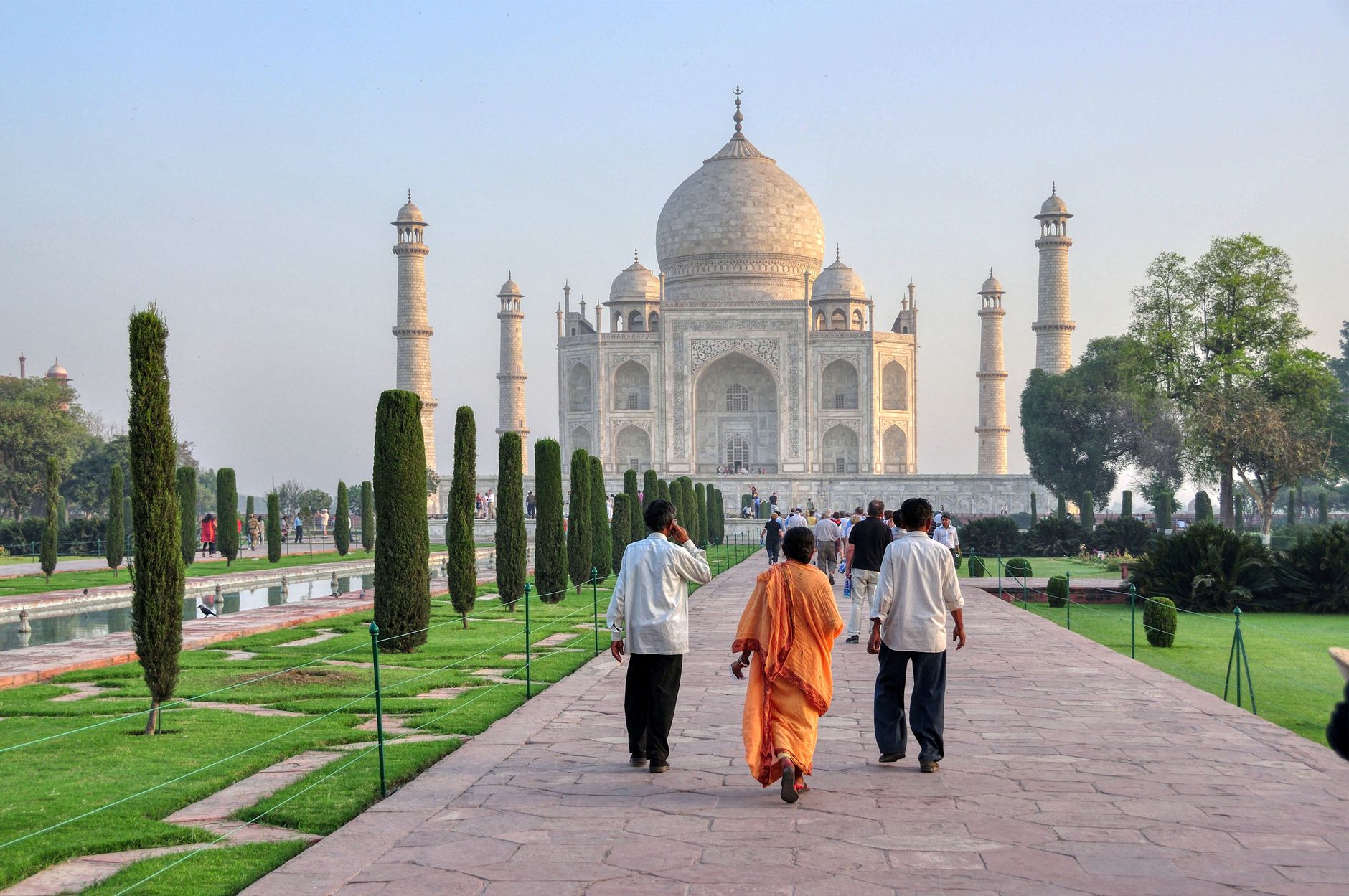
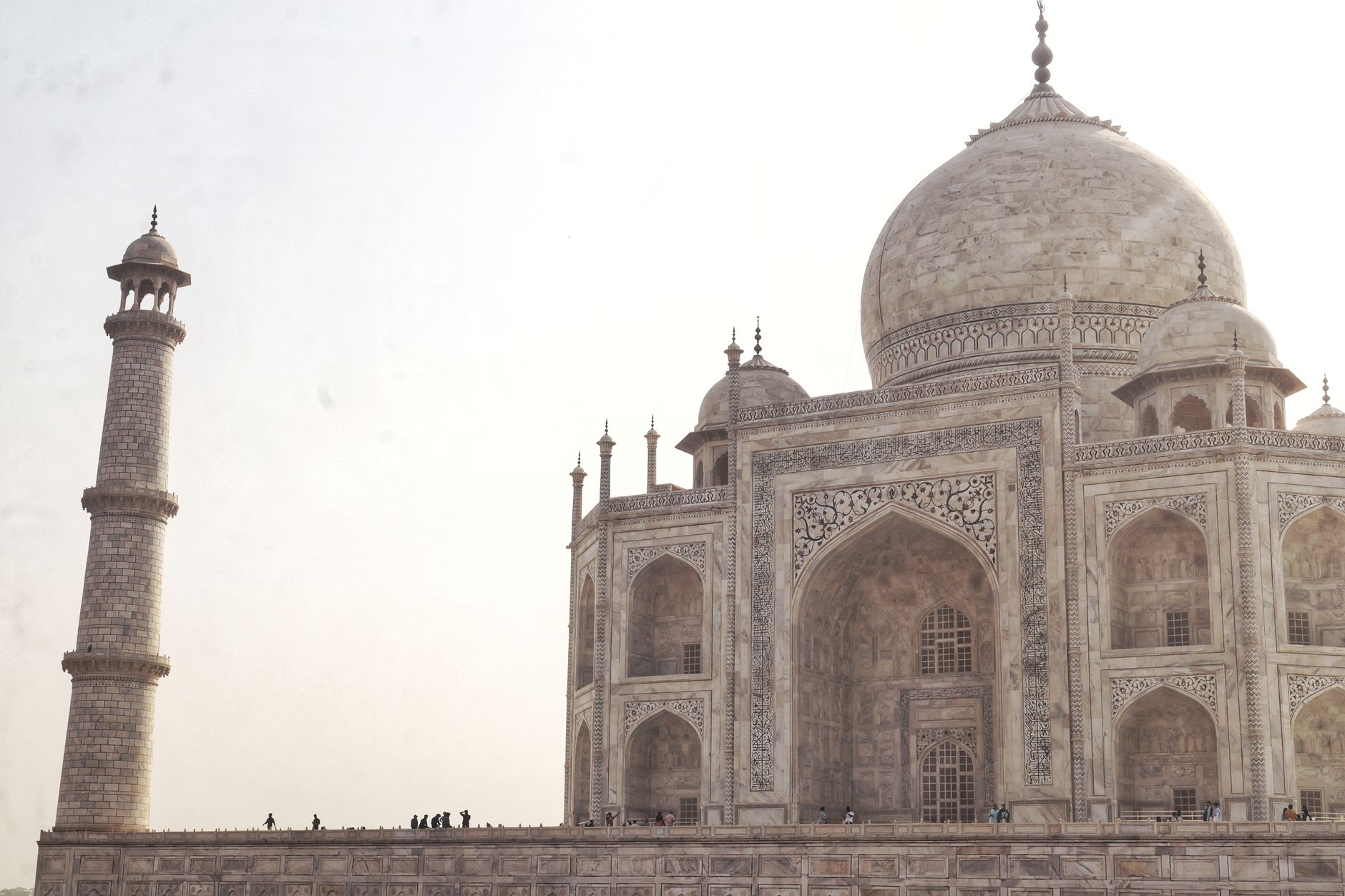
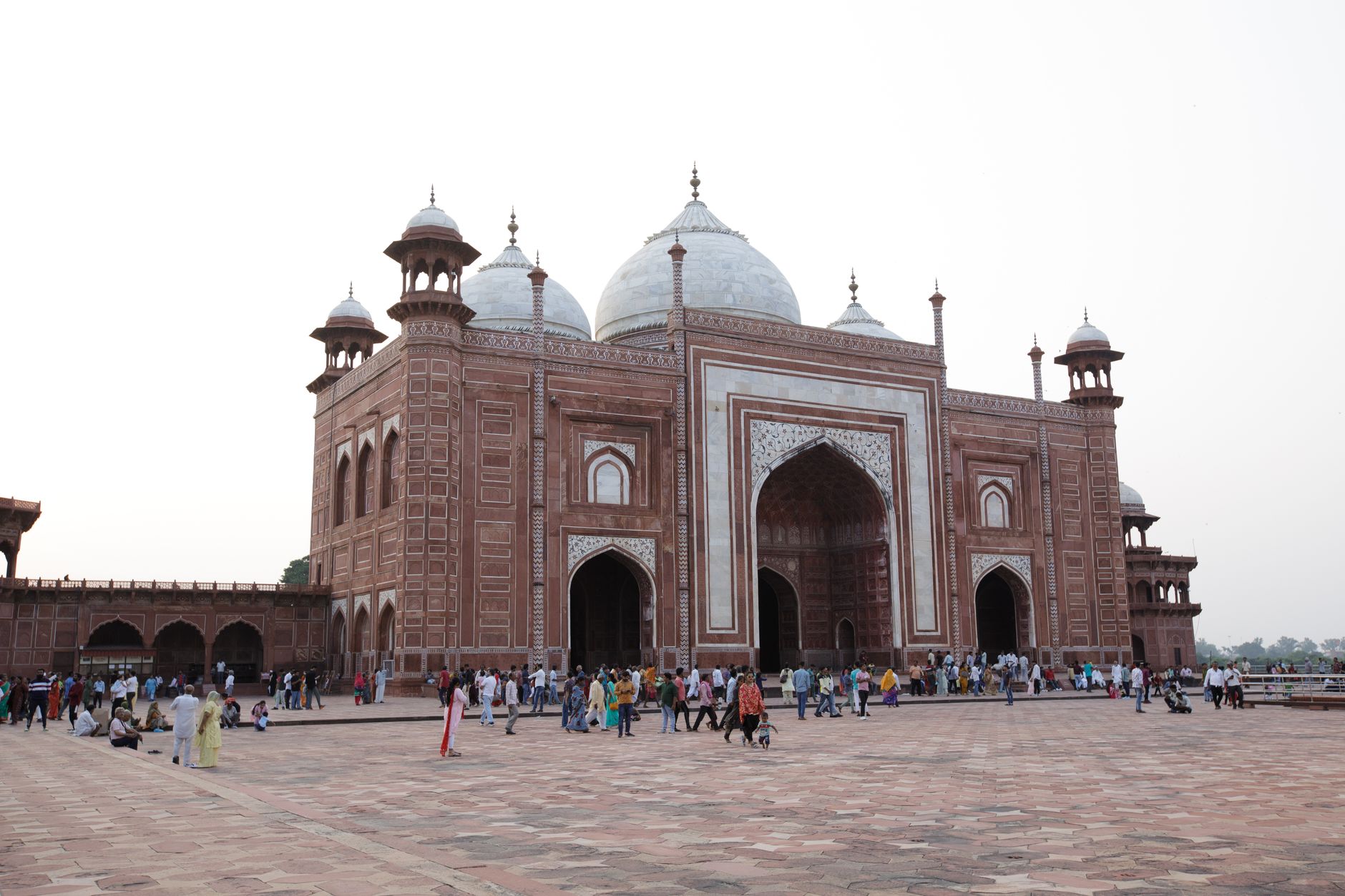
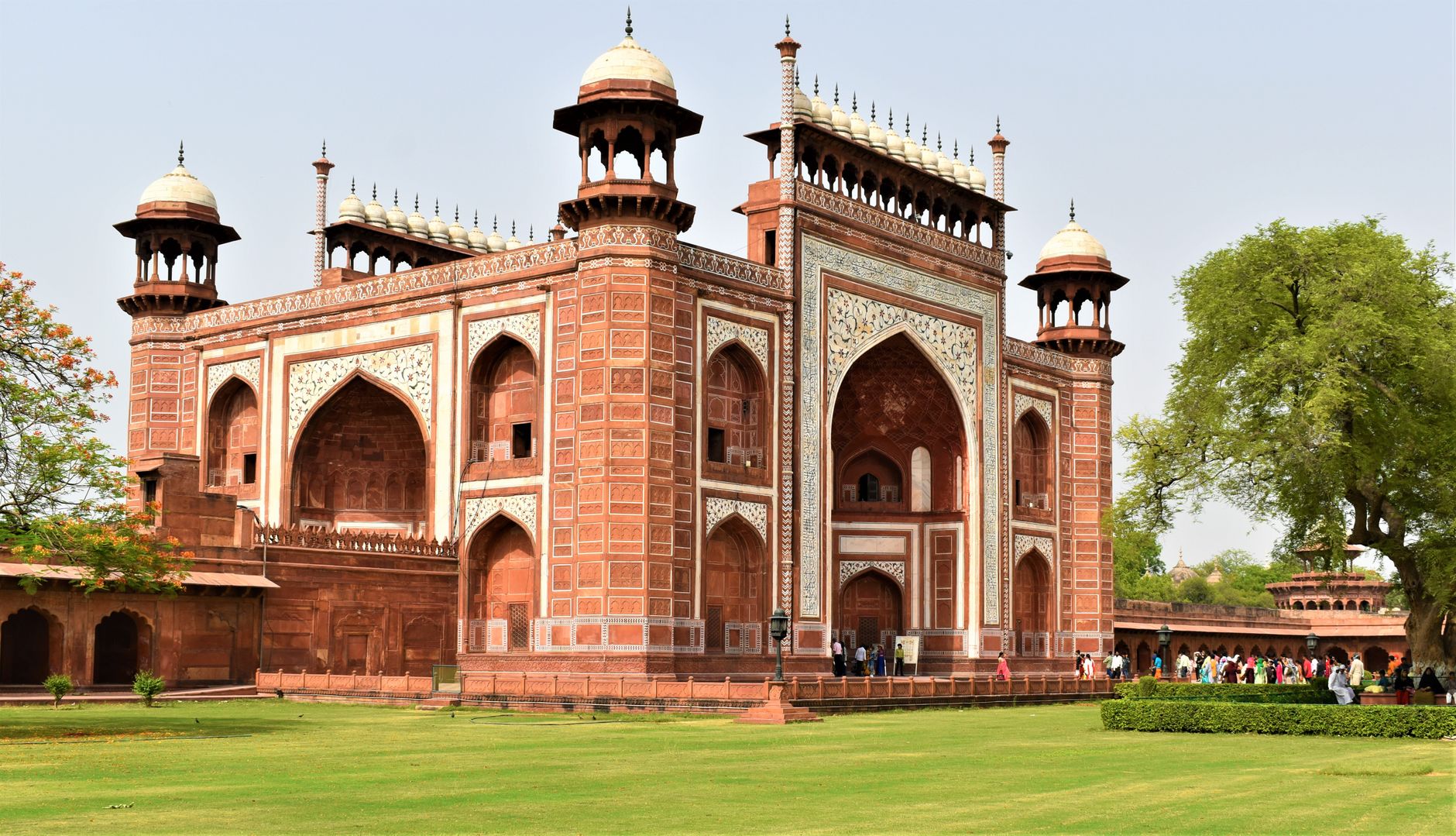
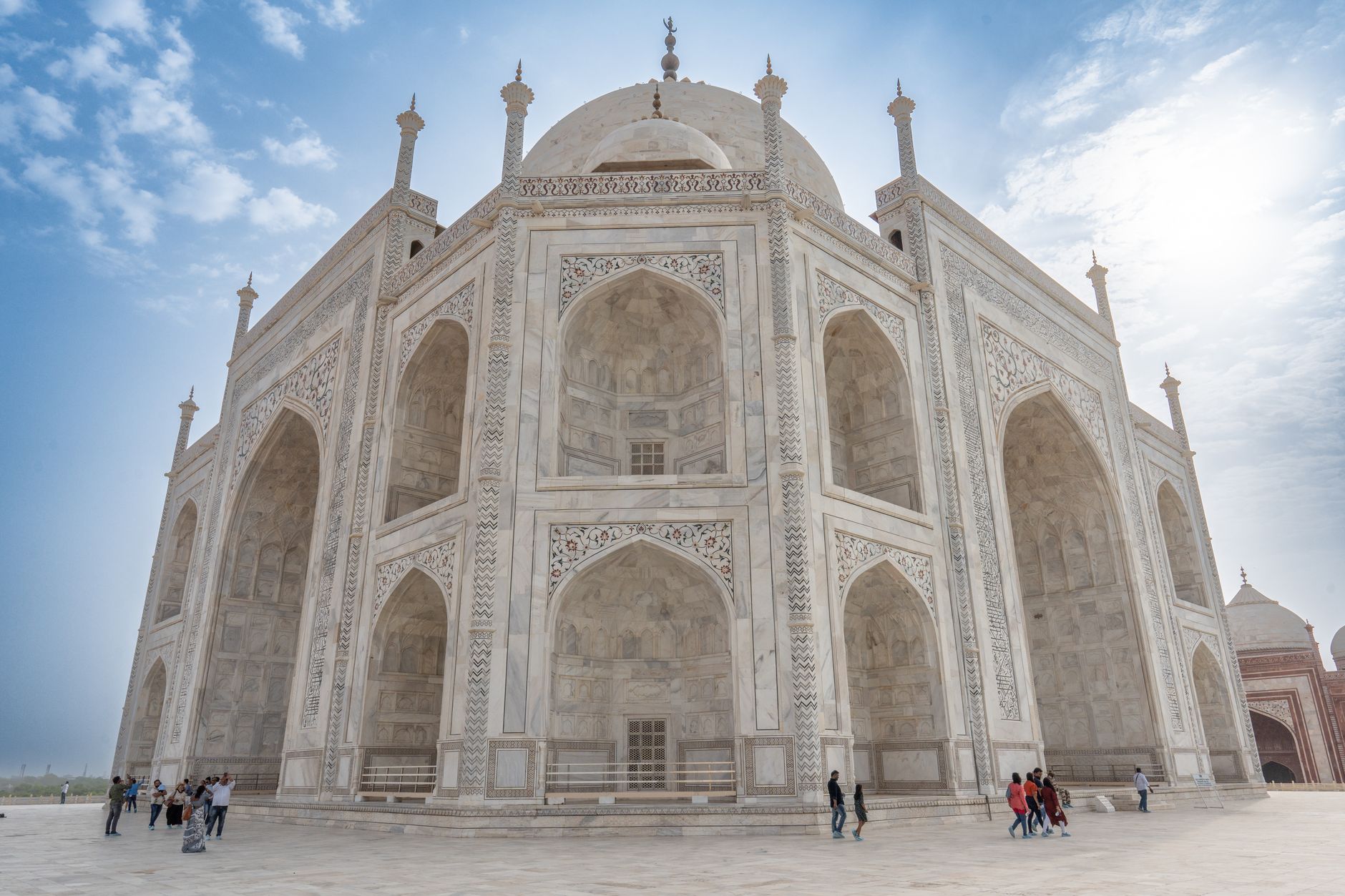
Agra's reputation rests almost entirely on one building, and that building earns it. The Taj Mahal — white marble, four minarets, the long reflecting pool — is so reproduced that first sight of it still manages to surprise. But Agra is more than a single mausoleum. The same Mughal emperors who commissioned it also raised the red sandstone ramparts of the Agra Fort, built a mosque at Fatehpur Sikri, and laid formal Persian gardens along the Yamuna.
The city rewards a slower look. Come early for the Taj — the ticket counter opens before sunrise — and stay to walk the fort's inner courtyards, where Jahangiri Mahal and the white-marble Pearl Mosque sit quietly within the same walls.
💛 What travellers fall for
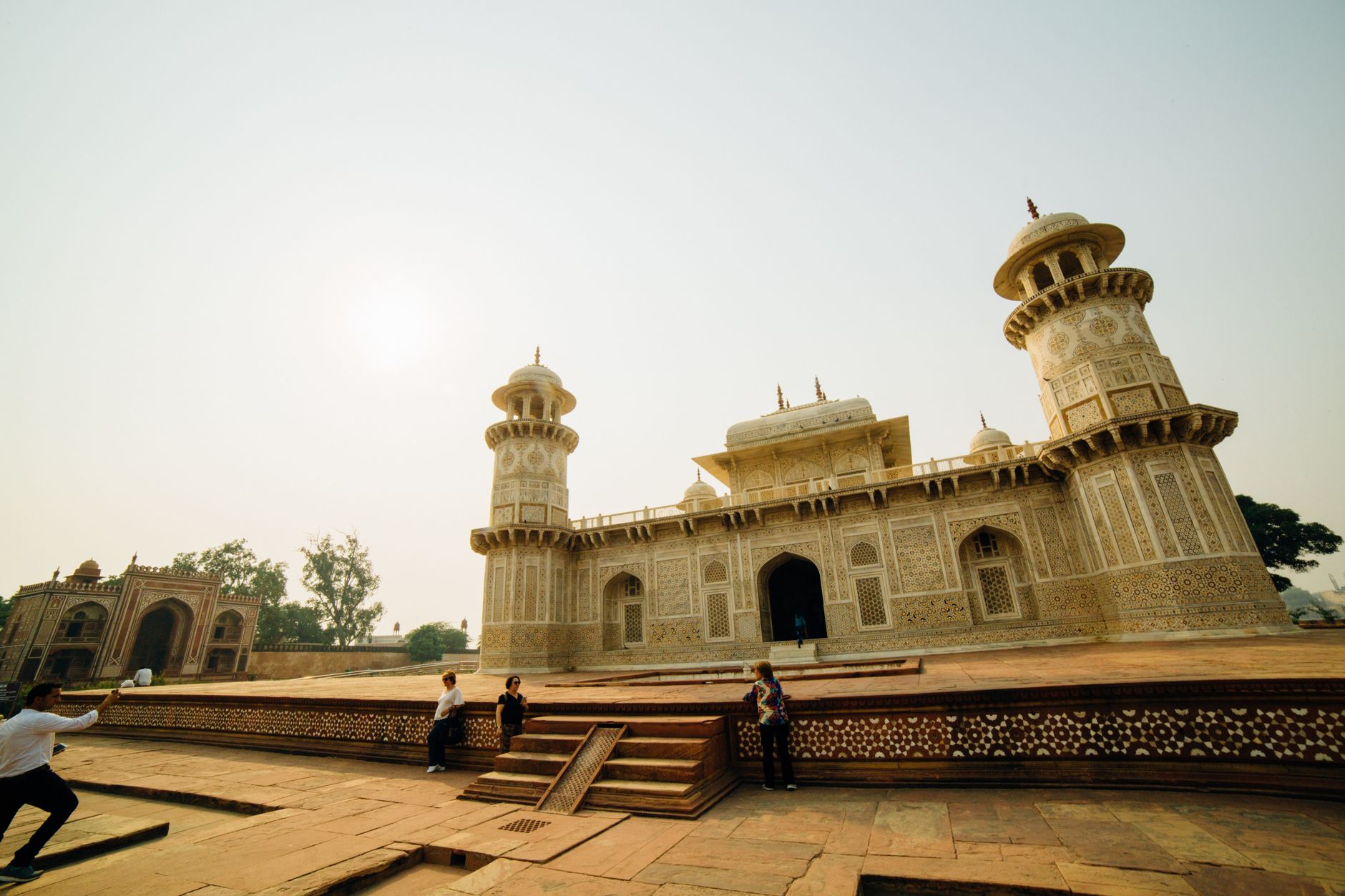
Regulars tend to catch the Taj twice in one visit: once at opening light, when the marble shifts from grey to gold, and again late afternoon when crowds thin and the shadows lengthen. The tomb of Itimad-ud-Daulah — smaller, intricate, less visited — often becomes a favourite by the second trip.
How Agra came to be
Agra was founded in 1504 by Sultan Sikandar Lodi of the Delhi Sultanate. Twenty-two years later, the Mughal emperor Babur defeated Ibrahim Lodi at the First Battle of Panipat and acquired the city, laying out what is considered the first formal Persian garden in India along the Yamuna — the Aram Bagh.
Under Akbar, Jahangir, and Shah Jahan, the city — then called Akbarabad — became the Mughal capital and accumulated the monuments it is still known for. Shah Jahan commissioned the Taj Mahal in 1631, in memory of his wife Mumtaz Mahal; the mausoleum was completed in 1648, the wider complex by 1653. Shah Jahan moved his capital north to Shahjahanabad in 1649, and the city's political weight gradually diminished — passing to the Marathas and then, in 1803, to the British.
Who and what shaped it
People who shaped it
Landmark buildings
See Agra in motion
Plan your visit
On the map
When to go
October to March brings cool, dry days well-suited to walking between monuments; December and January mornings can be genuinely cold and occasionally foggy, which sometimes delays the dawn light at the Taj. April onward the heat builds quickly, and by May and June temperatures regularly exceed 40°C.
Right now
Background & history adapted from Wikipedia (CC BY-SA) · specs from Wikidata (CC0) · weather from Open-Meteo · map data © OpenStreetMap contributors · photos from Wikimedia Commons / Unsplash with per-image credit. No third-party reviews or social posts reproduced.