
Niagara Falls, Ontario
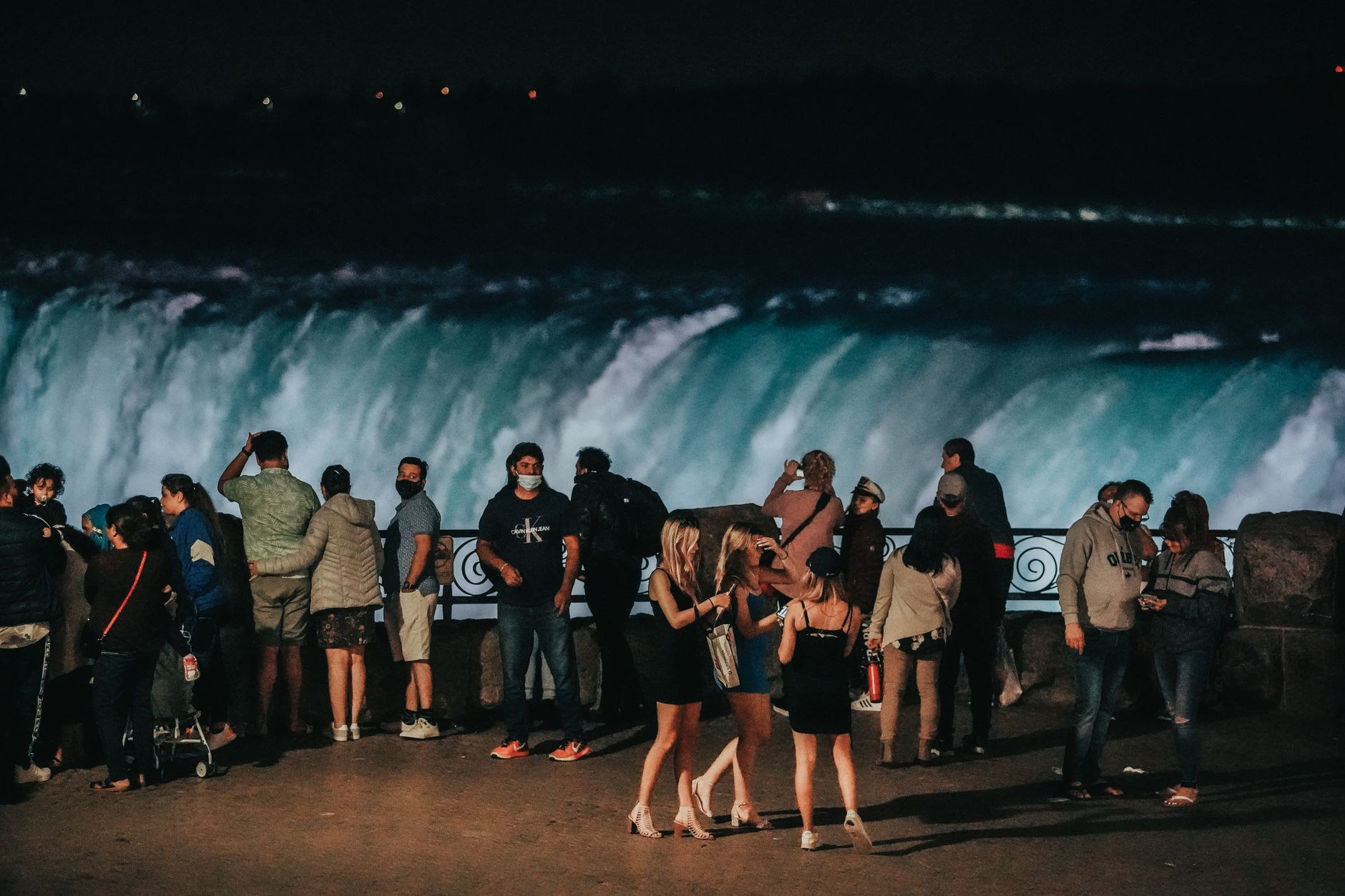


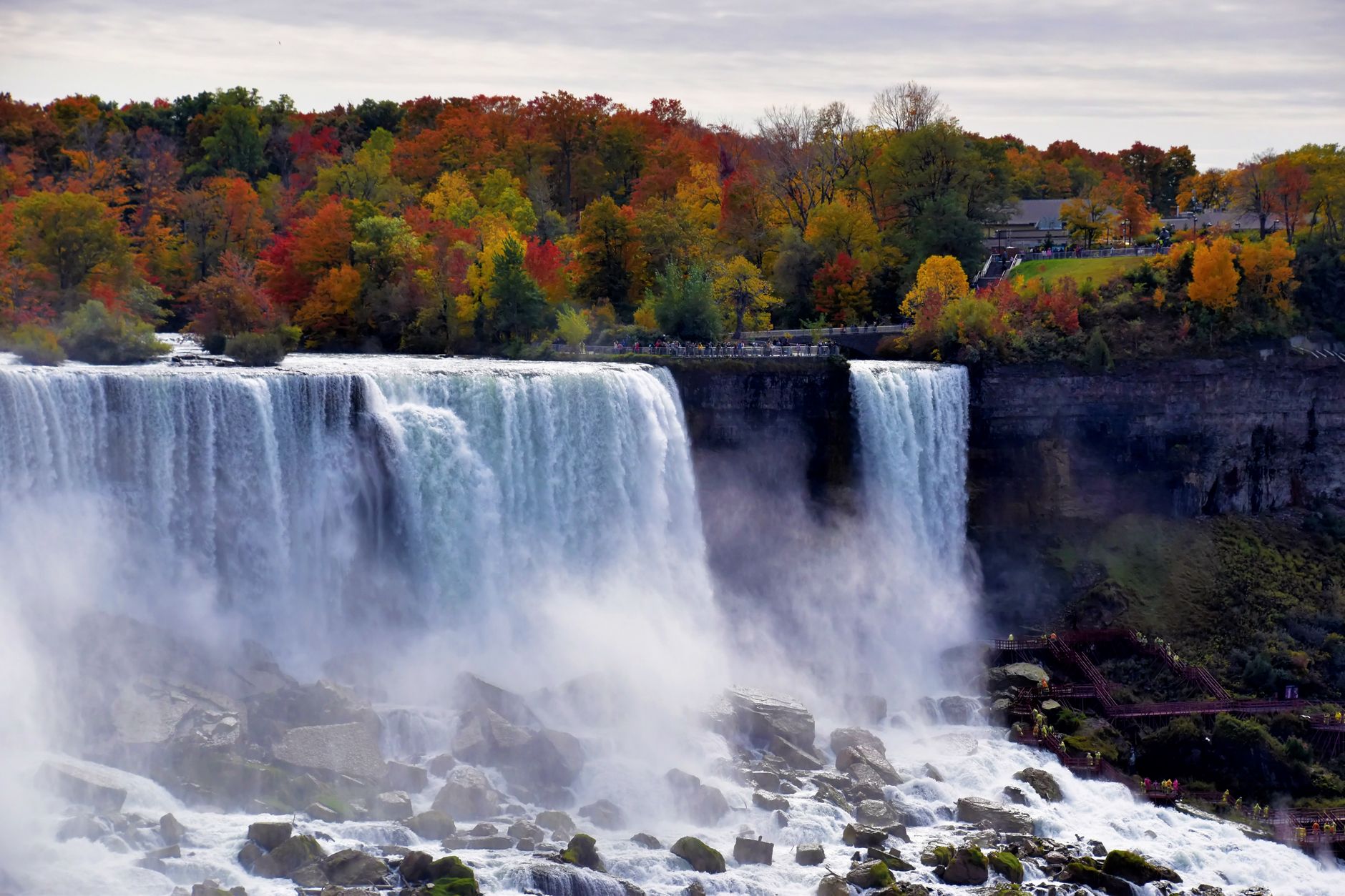


The falls themselves are the fact that reorganises everything else. Three cataracts — the Horseshoe, the American, and the Bridal Veil — move roughly 168,000 cubic metres of water per minute over a limestone escarpment that has been retreating slowly upstream for 12,000 years. You can stand at the railing in Queen Victoria Park and feel the mist on your face before you even see the water.
The city around them is equal parts power station and honeymoon suite, which gives Niagara Falls, Ontario a particular character: grandiose and a little kitschy, with genuine industrial history underneath. Over 20 million people pass through each year, yet the falls themselves remain, stubbornly, the point.
How Niagara Falls, Ontario came to be
The Niagara Escarpment has been shaping this landscape since the last ice age, and humans have been here nearly as long — almost 12,000 years. European contact came gradually: Étienne Brûlé may have reached the falls as early as 1615, and Recollet priest Louis Hennepin recorded a visit in December 1678. For two centuries the site remained more spectacle than settlement.
The modern city grew out of power. In 1895, Niagara Falls opened the world's first large-scale hydroelectric generating station, and in 1896 Nikola Tesla demonstrated that alternating current could carry that electricity all the way to Buffalo. The Beaux-Arts Toronto Power Generating Station, designed by E. J. Lennox and built in 1906, still stands on the riverbank — silent since 1974 — as a reminder that what drew industry here was the same thing that draws visitors now.
Who and what shaped it
People who shaped it
Landmark buildings
See Niagara Falls, Ontario in motion
Plan your visit
On the map
When to go
Summers are warm and humid, with July highs around 27 °C (81 °F) — comfortable for the riverfront, though mist from the falls keeps things damp close to the water. Winters are cold and snowy, with January temperatures hovering around freezing; the falls rarely freeze solid, and the ice formations that do appear in January and February have their own stark appeal. Spring arrives gradually, with temperatures climbing from single digits in March to the high teens by May.
Right now
Background & history adapted from Wikipedia (CC BY-SA) · specs from Wikidata (CC0) · weather from Open-Meteo · map data © OpenStreetMap contributors · photos from Wikimedia Commons / Unsplash with per-image credit. No third-party reviews or social posts reproduced.