
Vancouver, British Columbia
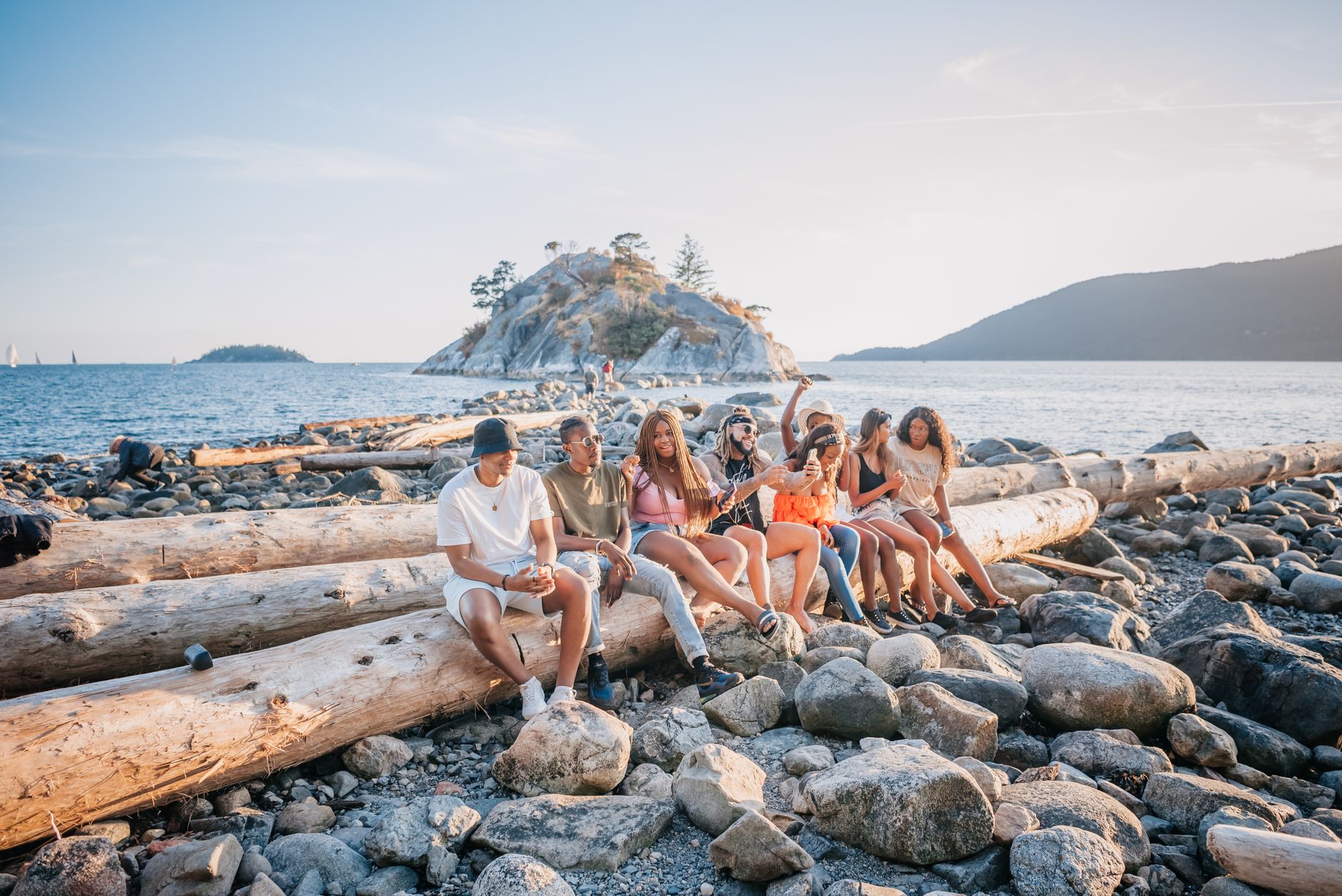
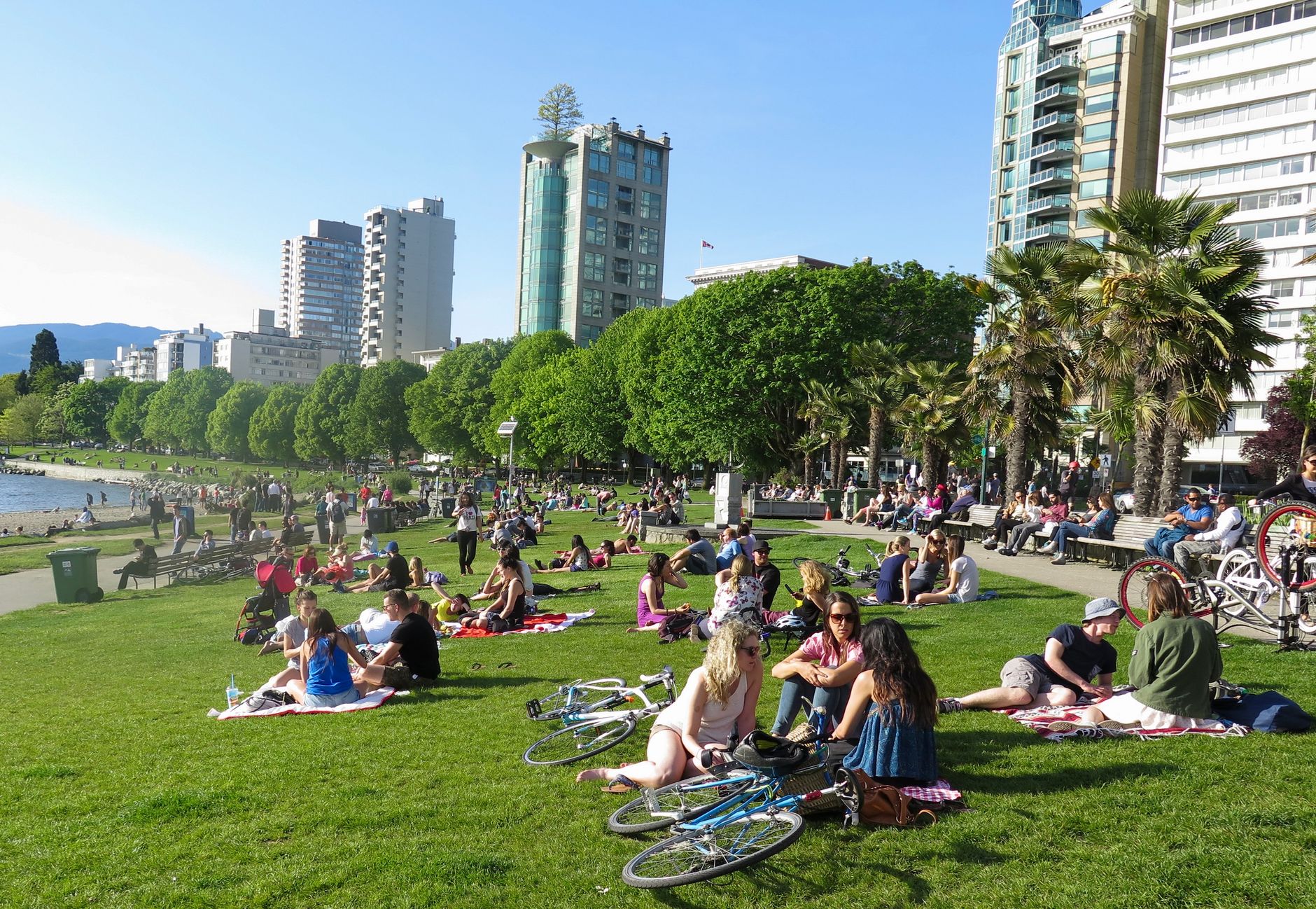
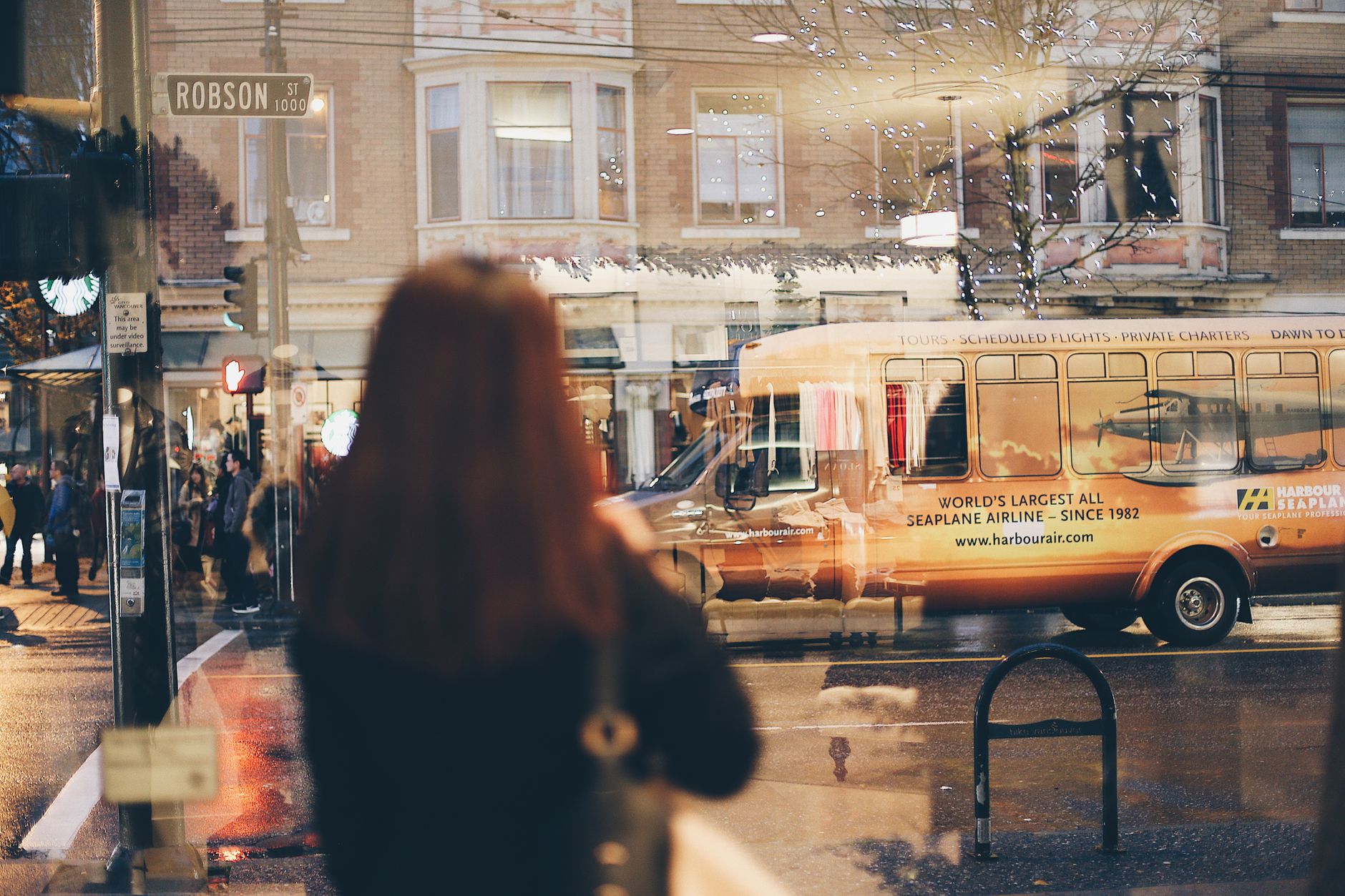
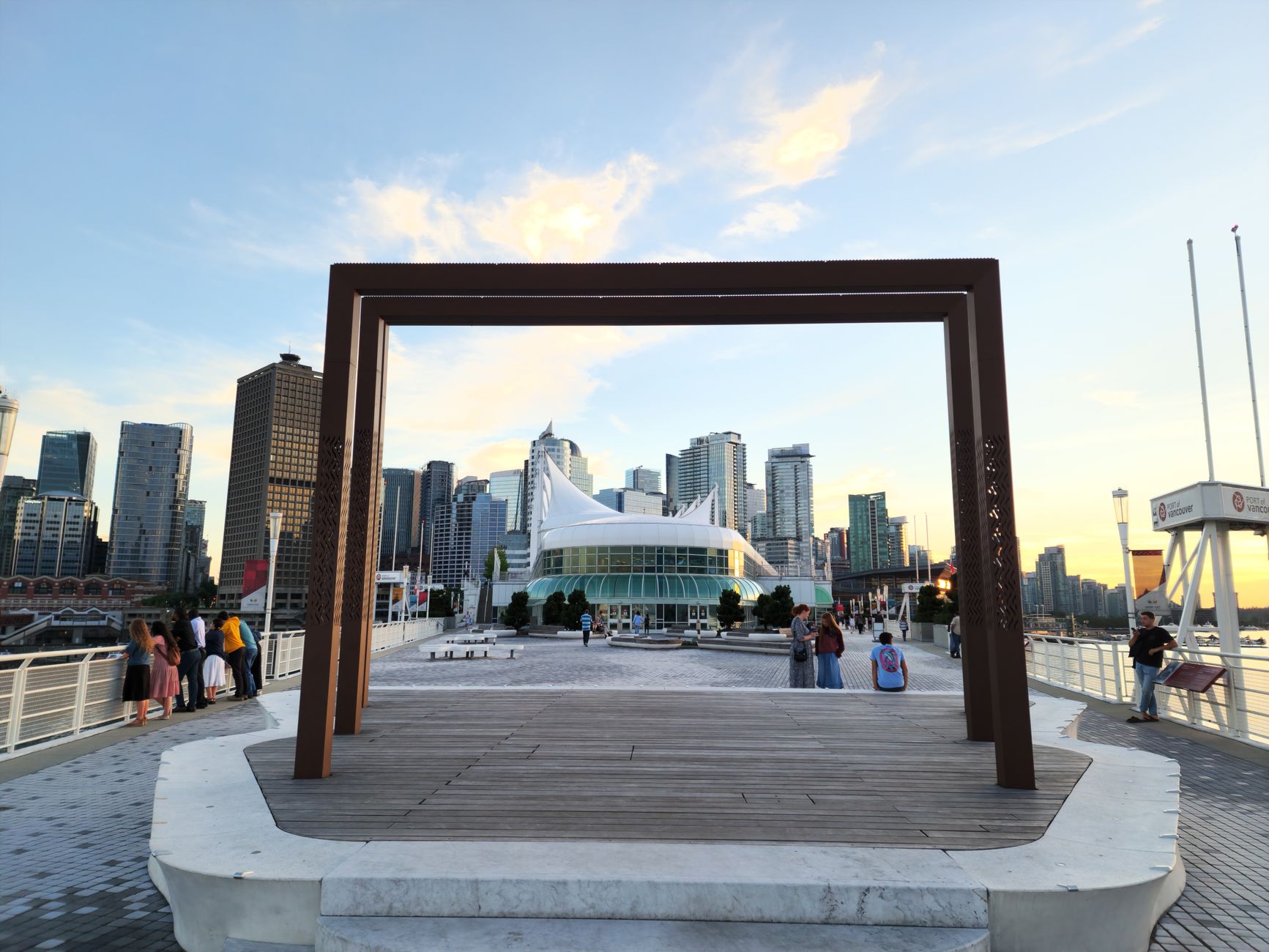
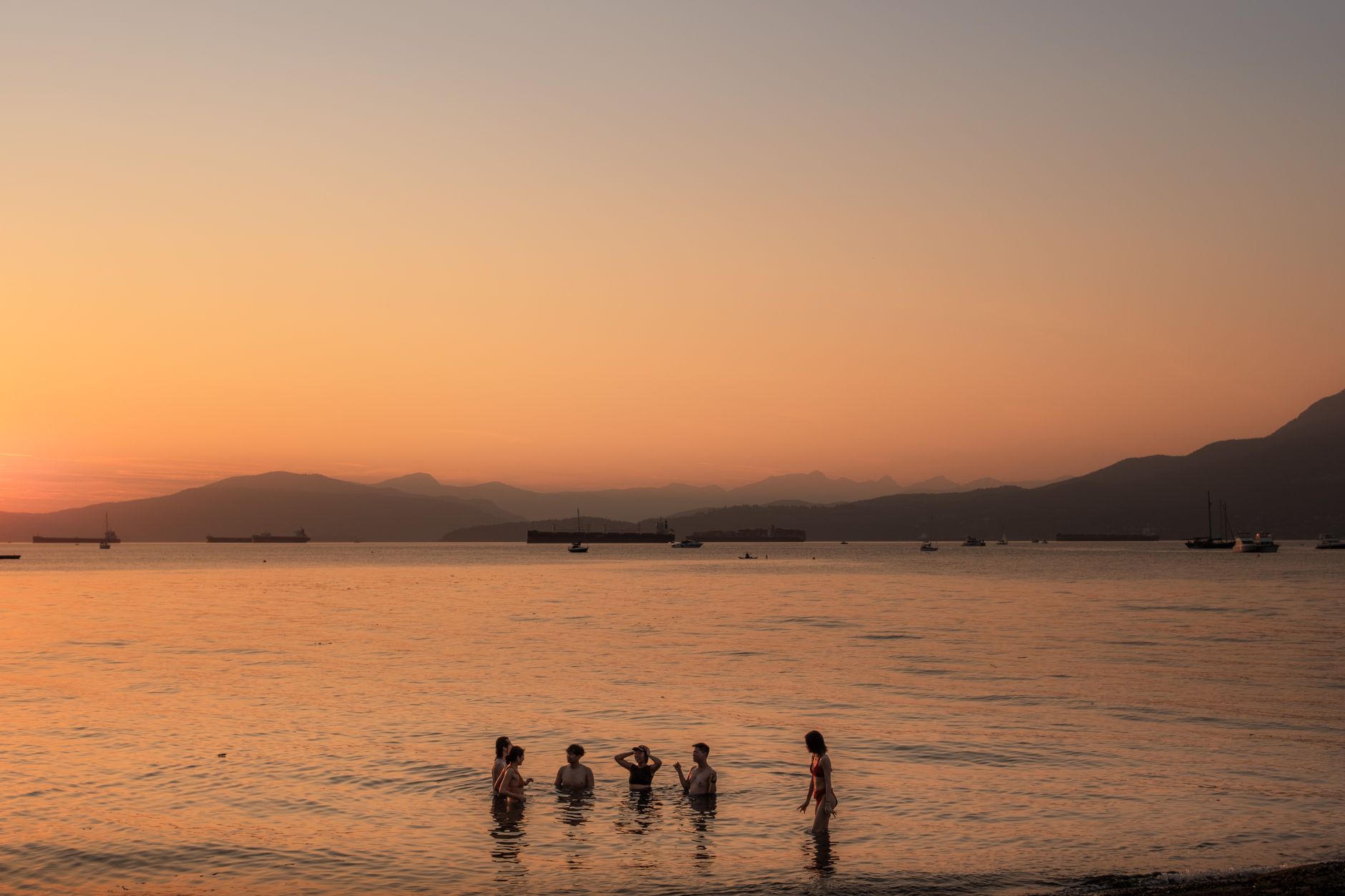
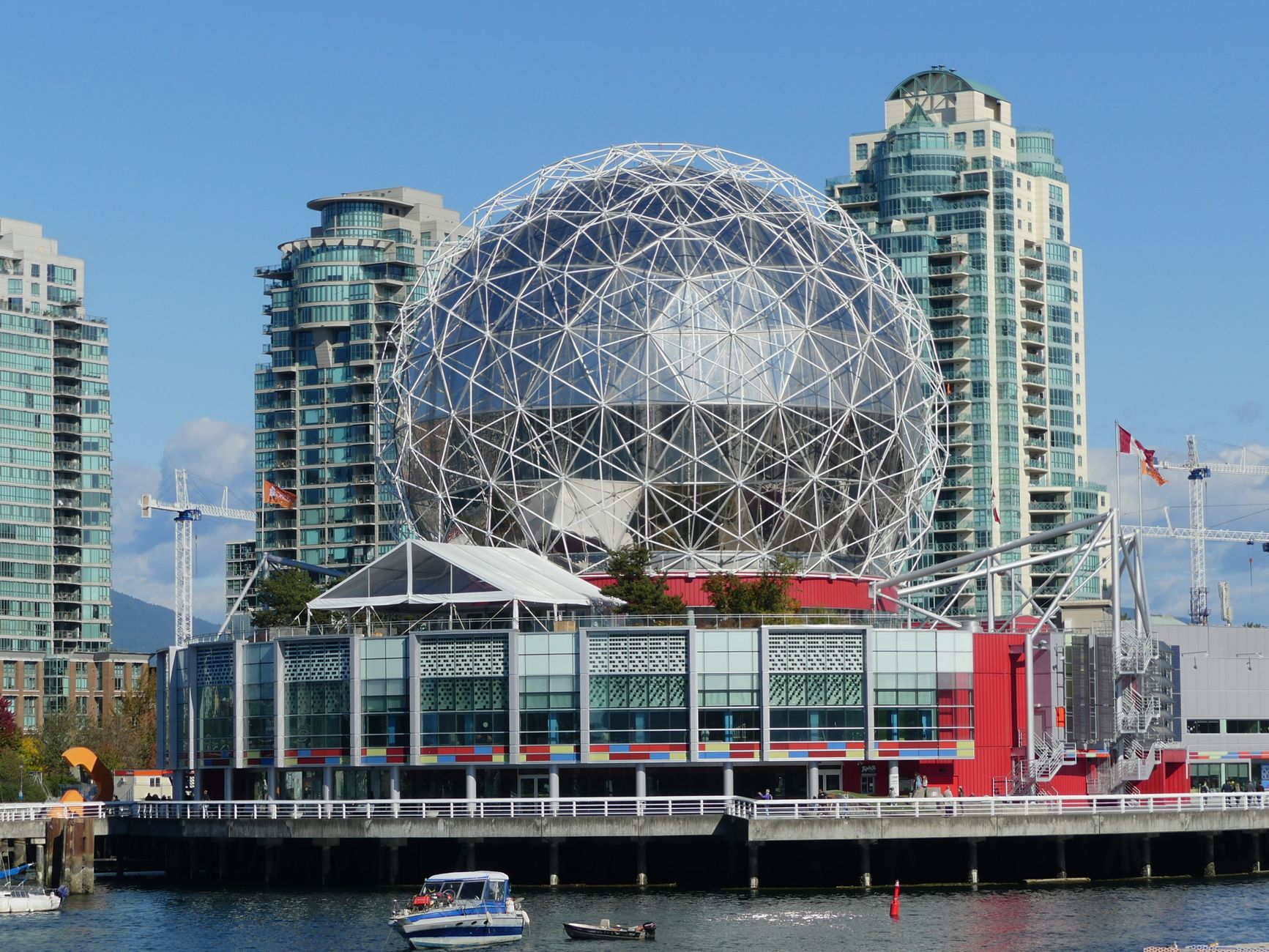
Vancouver sits at the edge of a continent, where the Coast Mountains drop almost directly into the Pacific, and on a clear day the city skyline reads against snow-capped peaks like a postcard that somehow keeps being real. The Canada Line will take you from the airport to downtown Waterfront Station in under thirty minutes — a useful reminder that this is a city that works.
Gastown, the oldest part of town, is where to orient yourself first. Water Street's 19th-century red brick and cast-iron facades have survived long enough to become protected heritage, and Blood Alley — named for the butchers who once traded there — is now lit by gas lamps and lined with café patios.
💛 What travellers fall for
People who come back tend to time a visit to Gastown for early morning, arriving at the Steam Clock a few minutes before the quarter-hour to hear the Westminster chimes without the crowd. Stanley Park rewards the same instinct — the 1,000-acre seawall loop before the tour buses arrive is a different city entirely.
How Vancouver, British Columbia came to be
People have lived around Burrard Inlet for 8,000 to 10,000 years. European contact came later: Spanish captain José María Narváez passed through in 1791, and British naval captain George Vancouver mapped the inlet in 1792. The modern city grew from a saloon — river pilot Gassy Jack Deighton opened one in 1867 for Hastings Mill workers, and a settlement called Gastown formed around it. The colonial government renamed it Granville in 1870.
Everything accelerated when the Canadian Pacific Railway chose the site as its western terminus in 1884. The city incorporated on April 6, 1886 — and burned almost entirely to the ground two months later, on June 13, in a fire that took twenty-five minutes to destroy most of it. CPR president William Van Horne had suggested the name Vancouver, reasoning that eastern Canadians already knew where Vancouver Island was. The city was rebuilt fast: population reached 120,000 by 1911. Greenpeace was founded here in 1971.
Who and what shaped it
People who shaped it
Landmark buildings
See Vancouver, British Columbia in motion
Plan your visit
On the map
When to go
July and August are dry and rarely punishing — temperatures hover around 18°C, with stretches of several weeks without rain. Winters are the wettest season but stay above freezing almost entirely, making Vancouver the only major Canadian city where snow is an occasional guest rather than a fixture.
Right now
Background & history adapted from Wikipedia (CC BY-SA) · specs from Wikidata (CC0) · weather from Open-Meteo · map data © OpenStreetMap contributors · photos from Wikimedia Commons / Unsplash with per-image credit. No third-party reviews or social posts reproduced.