
Kelowna, British Columbia
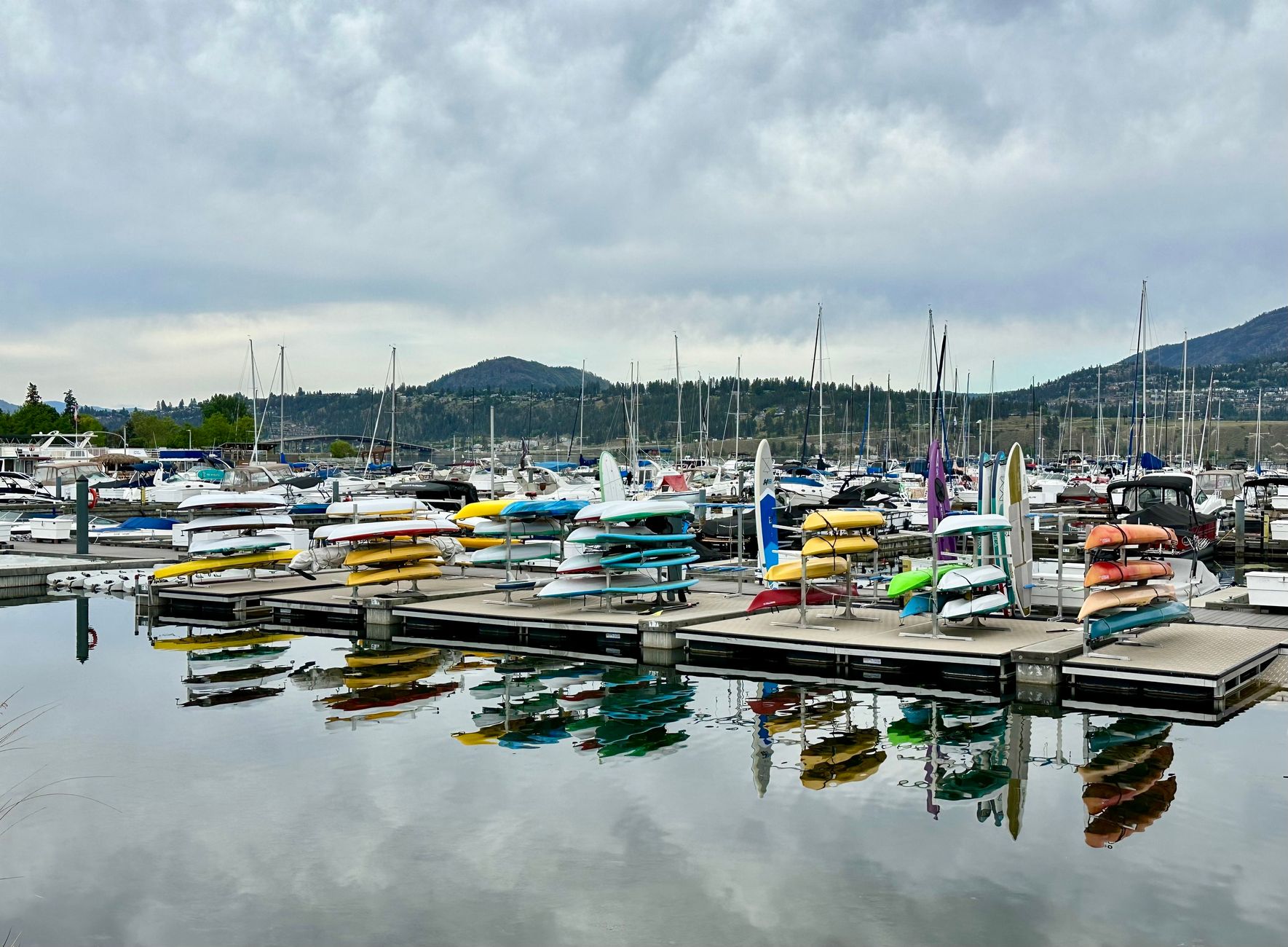
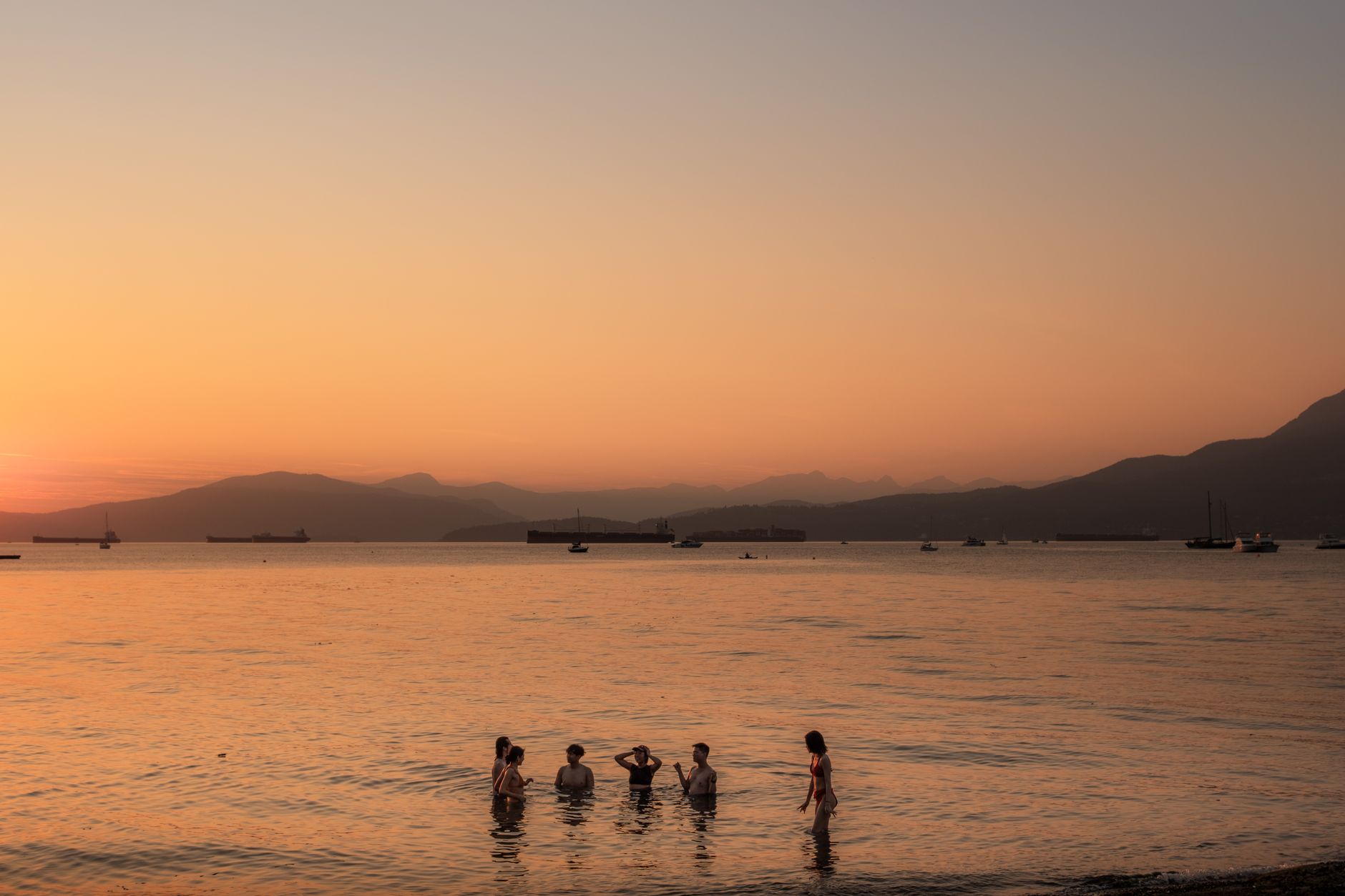
Kelowna sits in a bowl of brown hills above Okanagan Lake, where the interior of British Columbia turns surprisingly Mediterranean — dry summers, cold clear winters, and a landscape that has been growing stone fruit and wine grapes long enough to have its own distinct rhythm. The lake is 135 kilometres long and cold enough to swim in only a few months of the year, which concentrates the pleasure considerably.
This is orchard and vineyard country, but also a city of 144,000 with a working waterfront, a university, and a food scene that has grown up alongside the wine industry. The trestle bridges of the old Kettle Valley Railway still cross Myra Canyon in the hills above town — eighteen bridges and two tunnels, now a hiking and biking trail with views that stop you mid-stride.
💛 What travellers fall for
People who come back tend to time it for late September: harvest is underway, the heat has softened, and the tasting rooms are quieter. The Myra Canyon trestles are worth the drive up Gillard Road even if you only walk the first few spans. And the BNA brewery, in the old cannery building on Ellis Street, is a reliable place to end an afternoon.
How Kelowna, British Columbia came to be
The Okanagan people lived along this lake for thousands of years before a French Oblate priest, Father Charles Pandosy, established a mission here in 1859 — the first permanent European settlement in the interior. A Hudson's Bay Company trading post followed in 1861, and by 1892 a townsite had been surveyed and named from the Okanagan word for grizzly bear. Kelowna incorporated as a city in 1905 with a population of 600.
The Canadian National Railway arrived in 1925, and the Kettle Valley Railway's Myra Canyon section — completed in 1916 — opened the steep terrain above town to commerce and eventually to the hikers who walk it today. A floating bridge across the lake, completed in 1958, was replaced by the William R. Bennett Bridge in 2008. W.A.C. Bennett, the hardware merchant who became BC's longest-serving premier, is the city's most prominent political figure; he ran his province from 1952 to 1972, and his son followed him into office.
Who and what shaped it
People who shaped it
Landmark buildings
See Kelowna, British Columbia in motion
Plan your visit
On the map
When to go
Summers run hot and dry — highs of 28–34°C with low humidity and nearly ten hours of sunshine a day in July, though wildfire smoke can arrive in August. Winters are genuinely cold, with lows between -5 and -10°C and occasional sharp drops, but the valley sees more clear winter days than Vancouver, and September offers warm afternoons and cool nights without the summer's intensity.
Right now
Background & history adapted from Wikipedia (CC BY-SA) · specs from Wikidata (CC0) · weather from Open-Meteo · map data © OpenStreetMap contributors · photos from Wikimedia Commons / Unsplash with per-image credit. No third-party reviews or social posts reproduced.