
Halifax, Nova Scotia

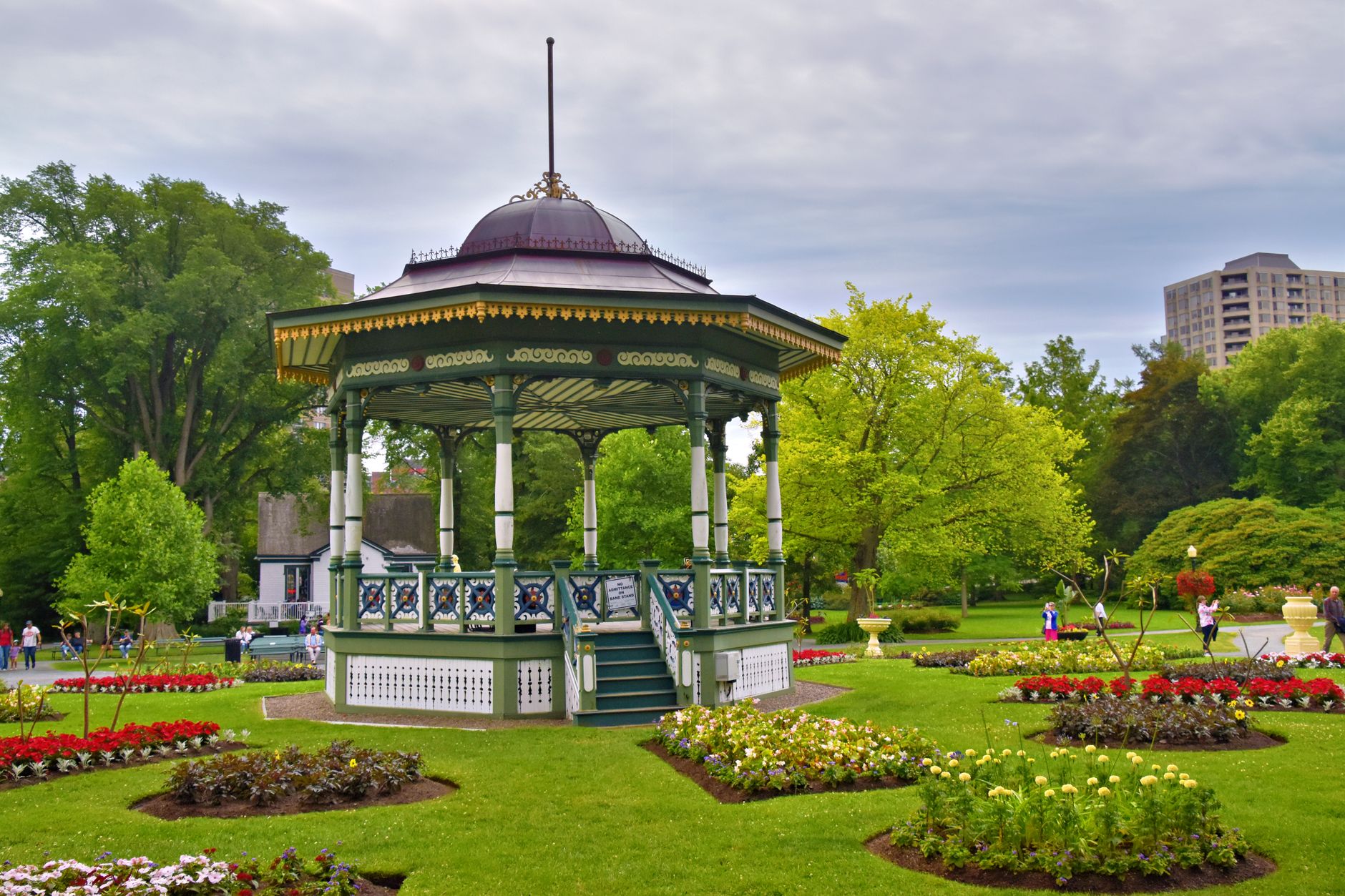
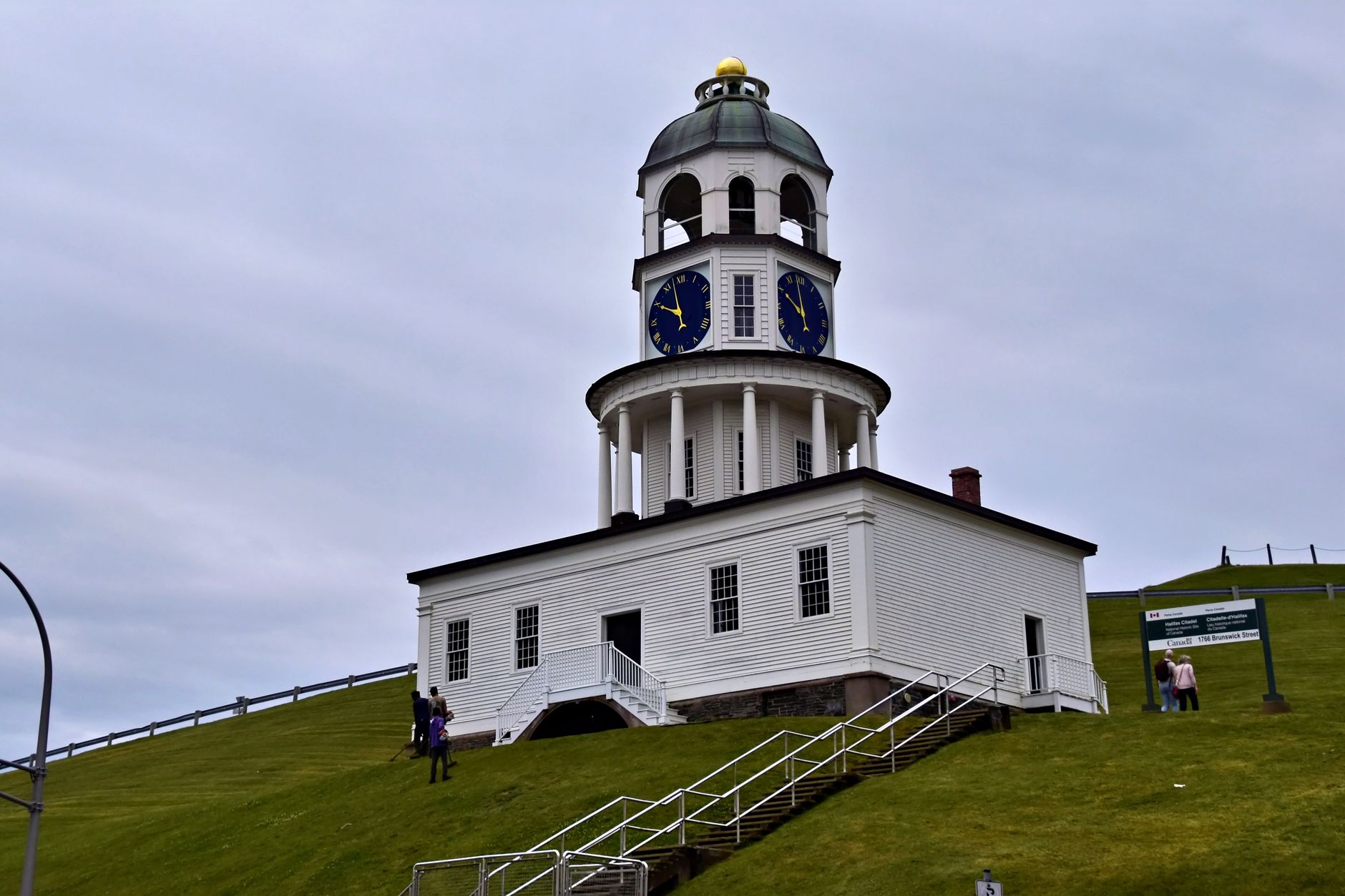
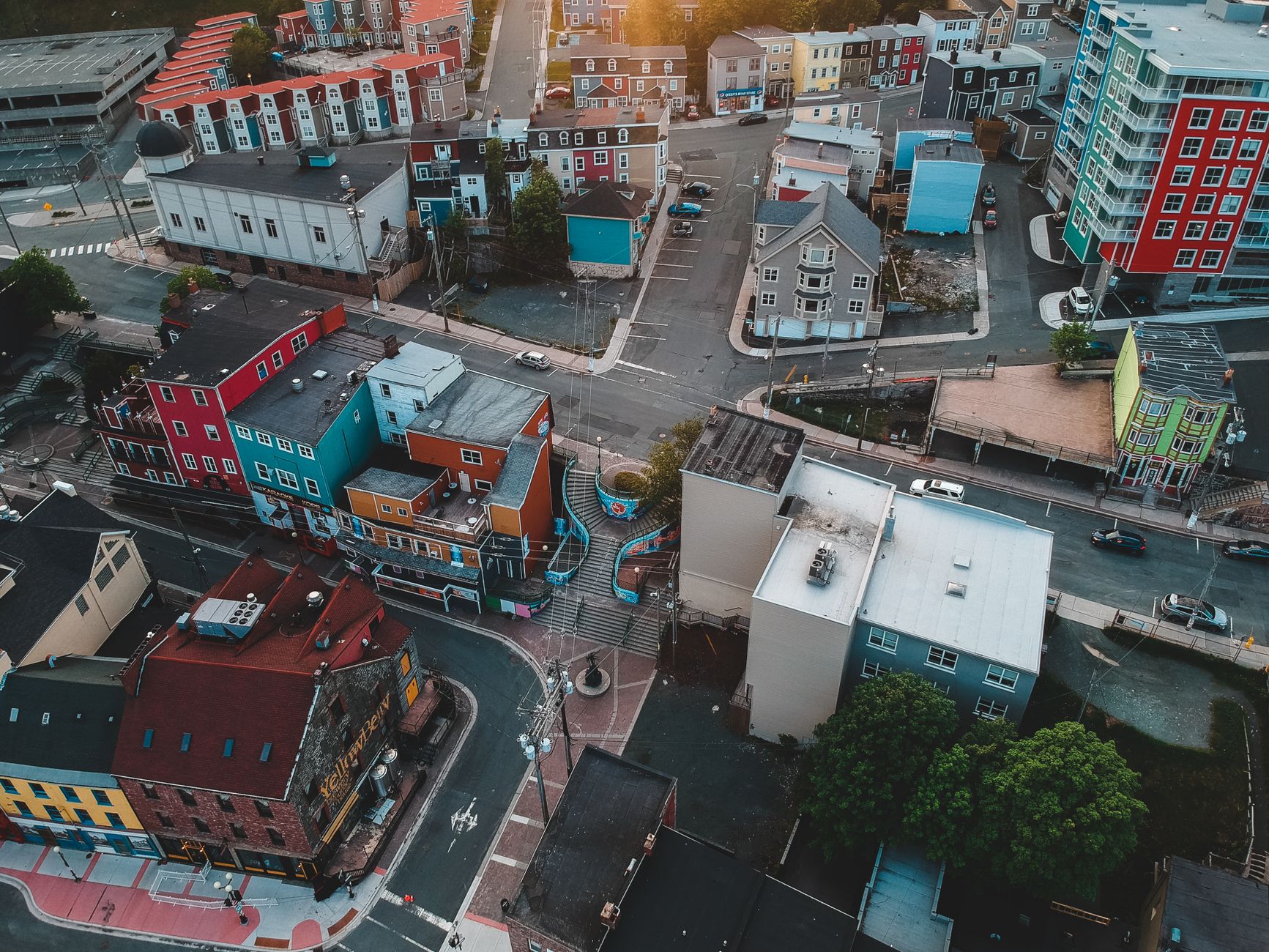

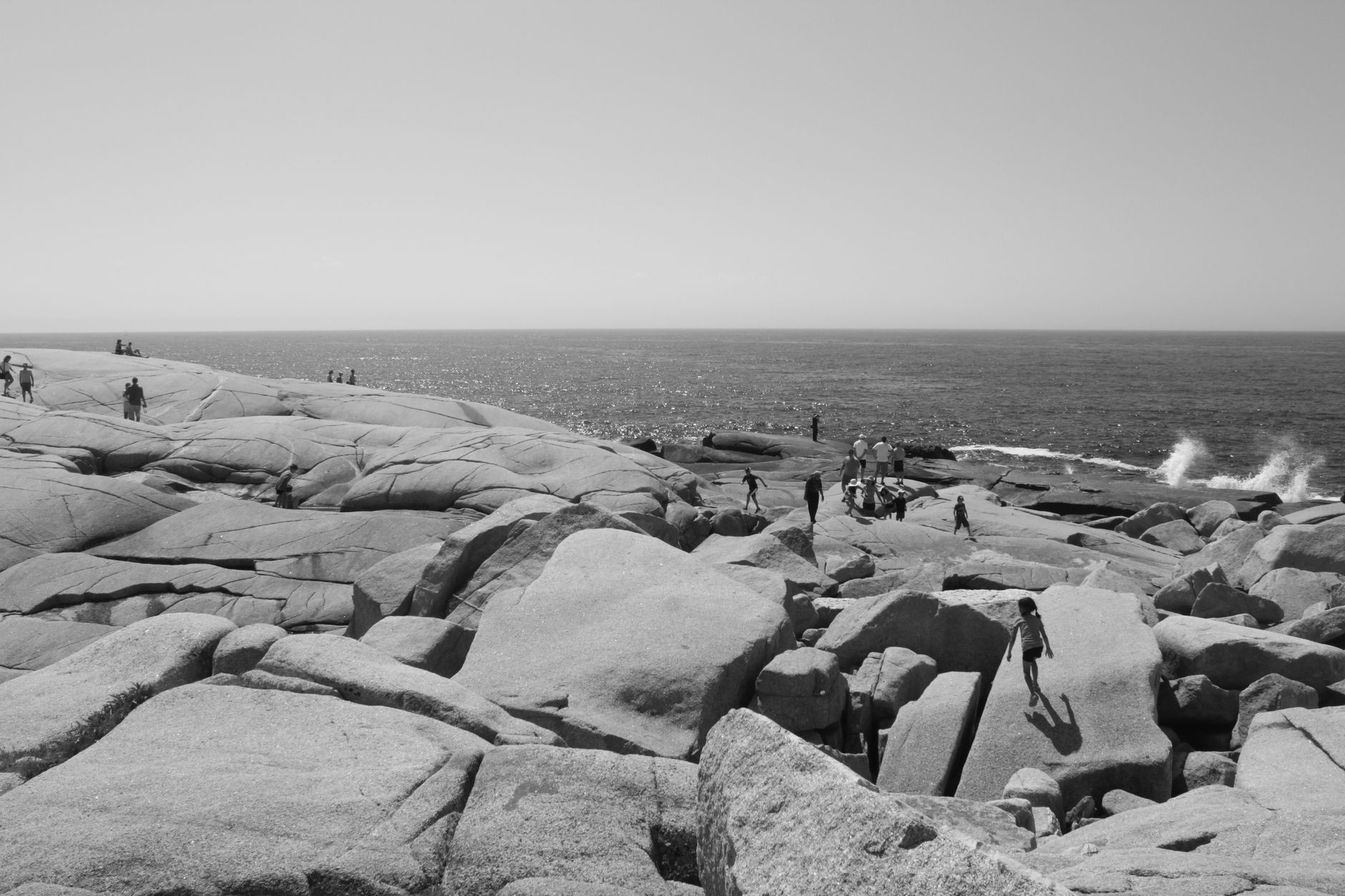
Halifax sits at the edge of a deep natural harbour, and the Atlantic makes itself known here in ways both subtle and dramatic — in the fog that rolls in without warning, in the ferry that crosses to Dartmouth for three dollars, in the way the Town Clock on Citadel Hill has been keeping time since 1803. This is a working port city that has been rebuilt, mourned, and reinvented across nearly three centuries.
The waterfront warehouses from the early 1800s now hold restaurants and shops; St. Paul's Anglican Church, founded in 1749, still stands at the edge of Grand Parade. Halifax wears its layers without making a fuss about them.
How Halifax, Nova Scotia came to be
Halifax was founded on June 21, 1749, when Edward Cornwallis arrived with 13 transports and a sloop of war, carrying 1,176 settlers. The site sat on Mi'kmaq territory and had been home to French Acadians before the British established their grid plan around what is now Grand Parade. The naval yard followed in 1759, cementing Halifax's role as a military and maritime hub.
The city's most catastrophic moment came on December 6, 1917, when the munitions ship SS Mont-Blanc collided with SS Imo in the Narrows between Halifax Harbour and Bedford Basin. The resulting explosion levelled the north end of the city and killed roughly 2,000 people — an event Hugh MacLennan later detailed in his novel *Barometer Rising*. Halifax Regional Municipality, which unified the city with Dartmouth, Bedford, and Halifax County, was formed in 1996.
Who and what shaped it
People who shaped it
Landmark buildings
See Halifax, Nova Scotia in motion
Plan your visit
On the map
When to go
Summers are short and warm — August averages around 23°C — but coastal fog and sudden shifts are part of daily life here year-round. Winter runs cold and stormy, with nor'easters common between November and March and snow on the ground for stretches of roughly 85 days a year.
Right now
Background & history adapted from Wikipedia (CC BY-SA) · specs from Wikidata (CC0) · weather from Open-Meteo · map data © OpenStreetMap contributors · photos from Wikimedia Commons / Unsplash with per-image credit. No third-party reviews or social posts reproduced.