
Banff National Park, Alberta
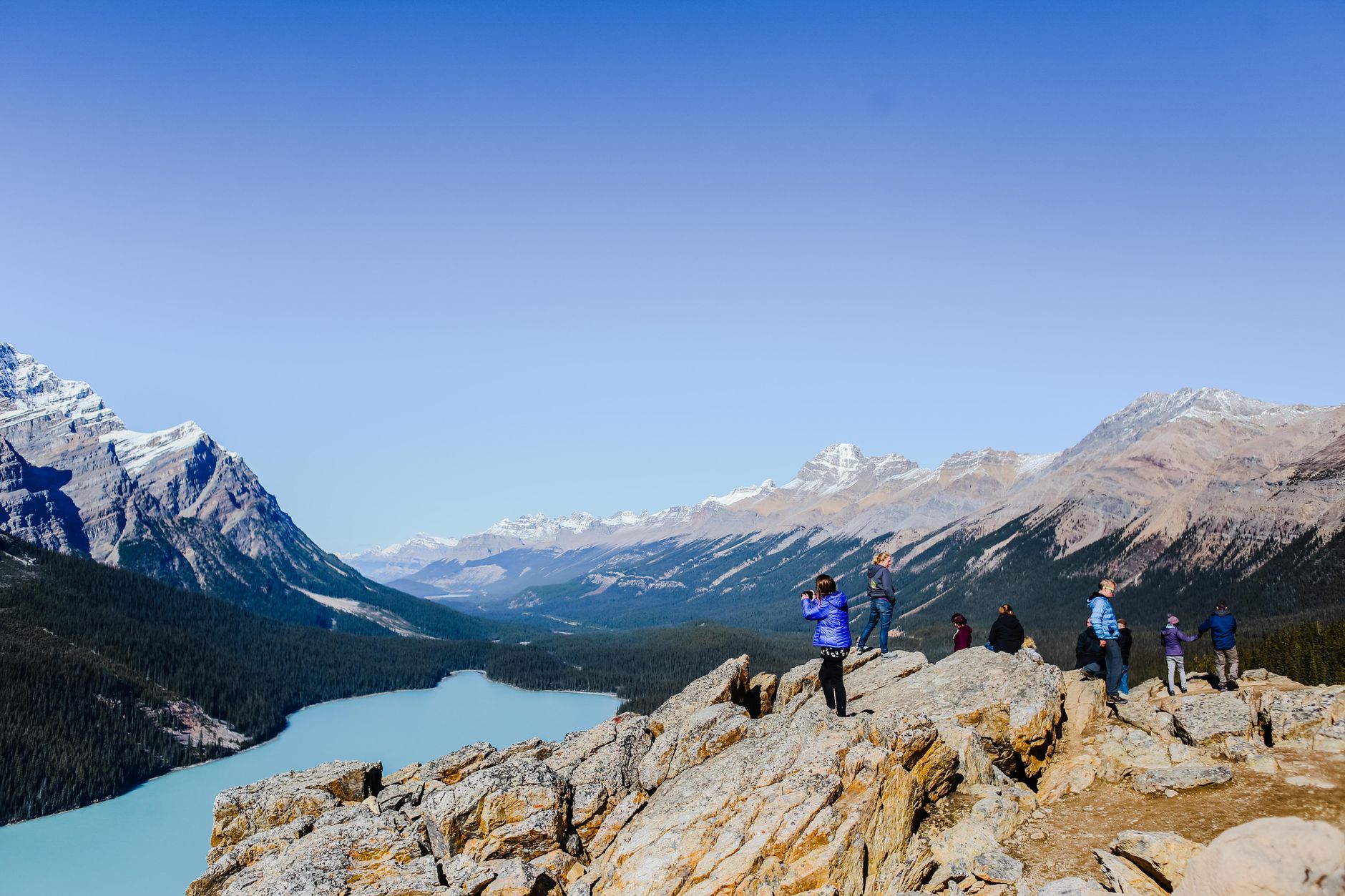
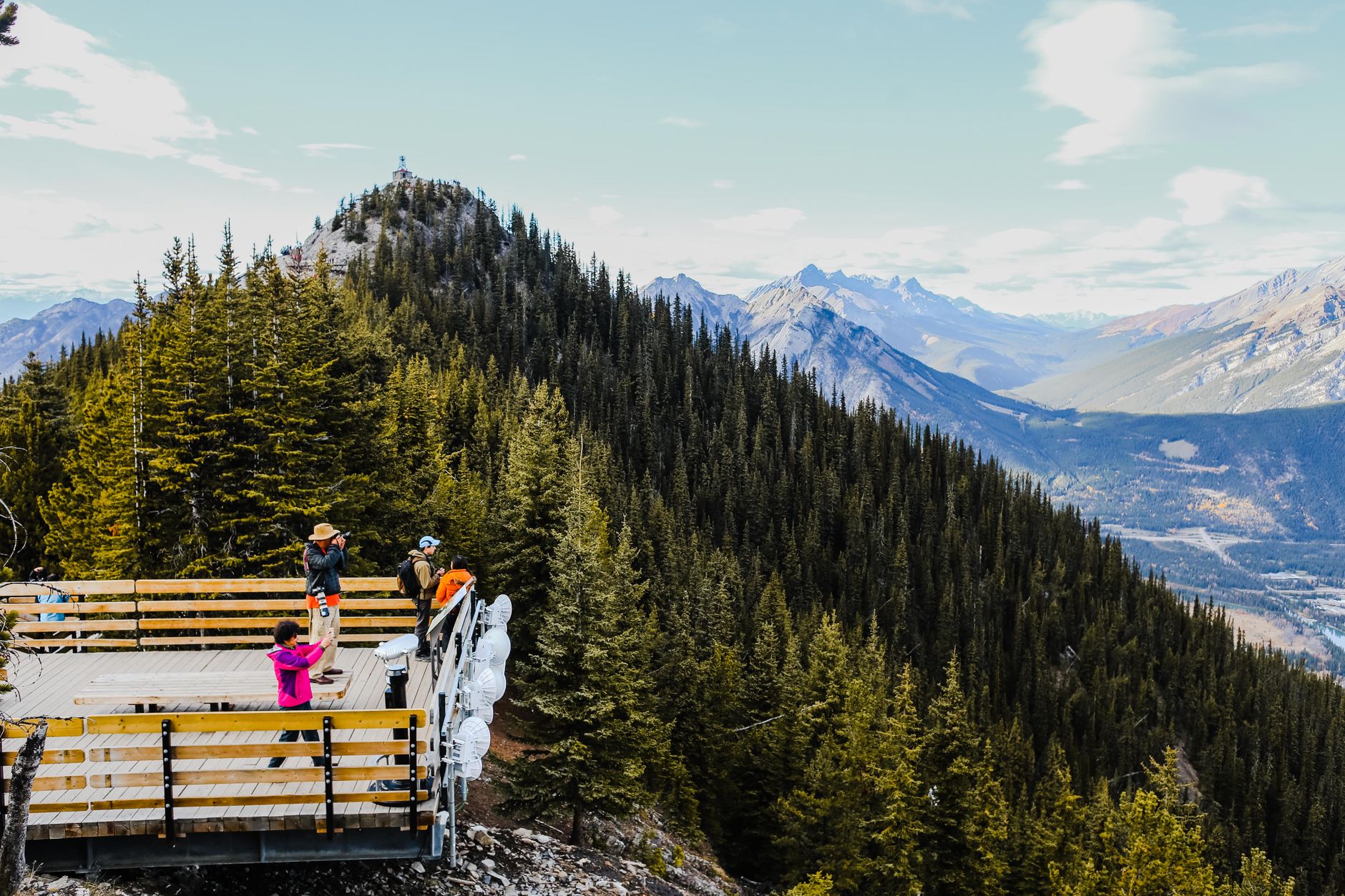

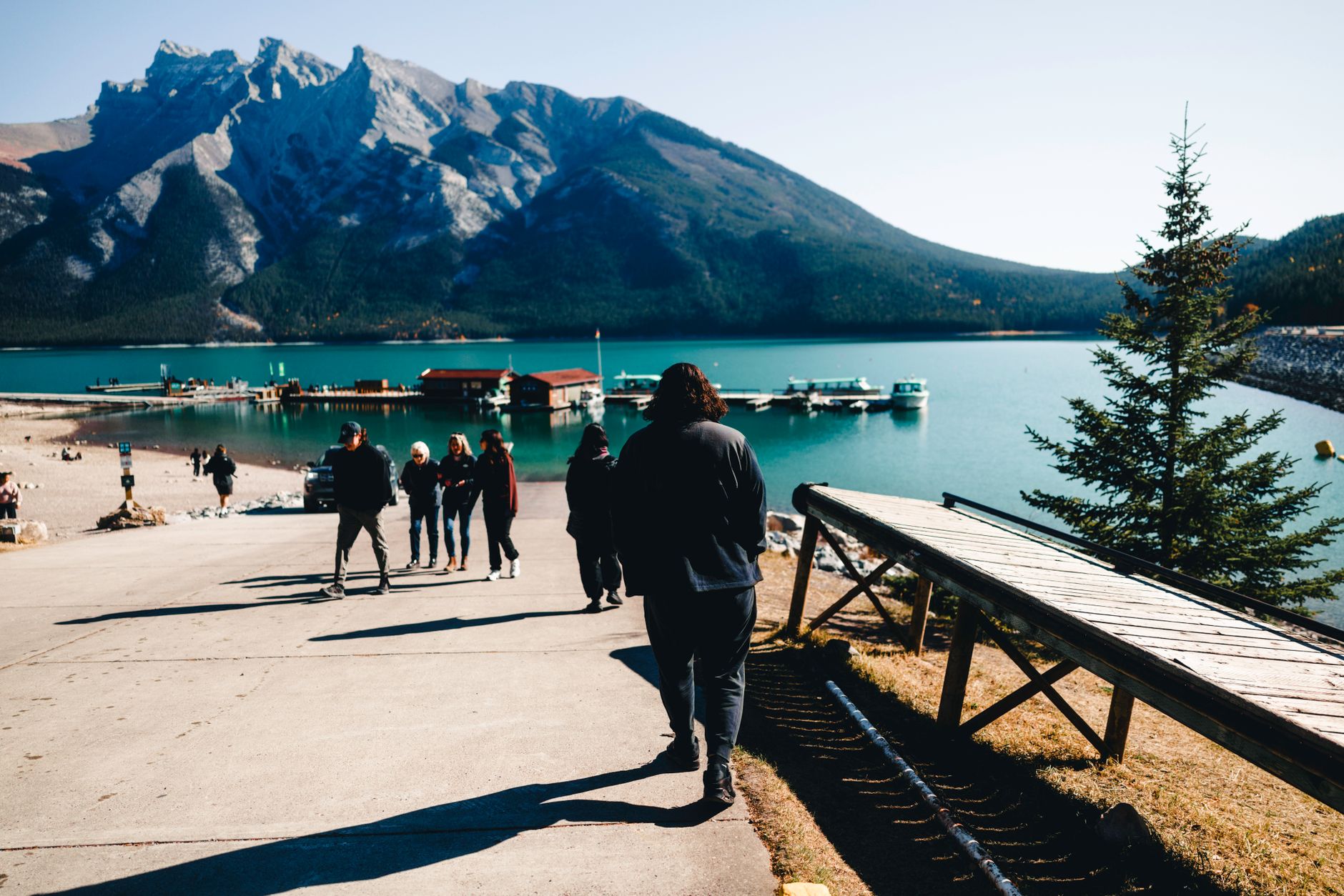
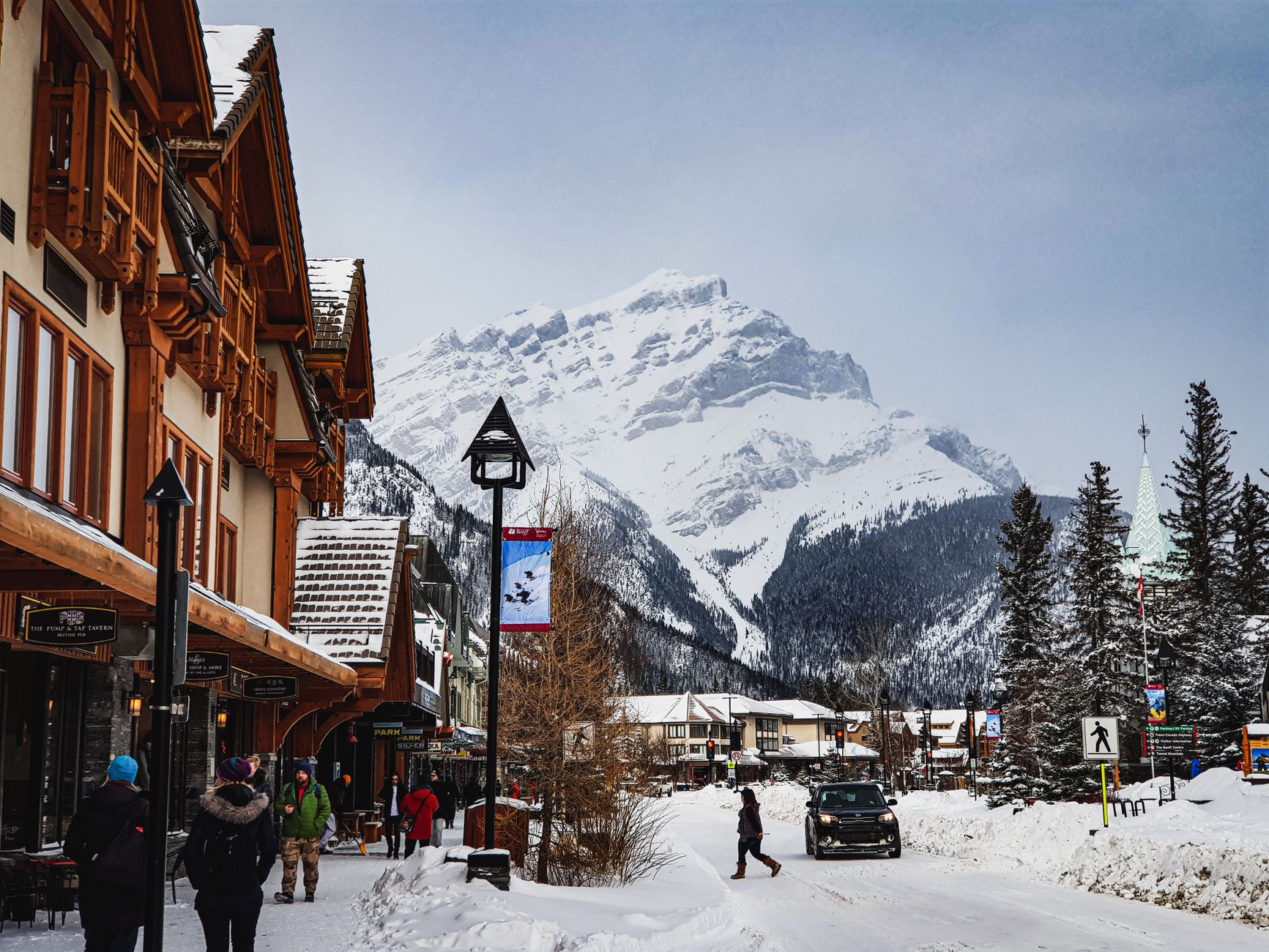
Canada's first national park began as a 26-square-kilometre patch of hot springs in 1885, claimed by the government before anyone else could monetise them. Today Banff covers 6,641 square kilometres of the Canadian Rockies — glacial lakes the colour of antifreeze, peaks that hold snow well into July, and a small town that somehow manages to feel like a real place despite the millions who pass through it each year.
The park's anchor landmarks are genuinely iconic at a continental scale: the turquoise water at Lake Louise, the switchback views along the Icefields Parkway, the stone bulk of the Banff Springs Hotel visible from the Bow River. Come for the landscape, but give yourself time to slow down inside it.
💛 What travellers fall for
People who return to Banff tend to say the same thing: go to Moraine Lake before 7 a.m. or don't bother. They also learn to check Banff's visitor centre for real-time trail and avalanche conditions rather than relying on apps, and to carry layers even in August — the temperature at elevation drops fast once the sun moves.
How Banff National Park, Alberta came to be
In 1883, Canadian Pacific Railway workers came across a cave of hot springs near the Bow River. Rather than let competing commercial interests carve up the site, Prime Minister John A. Macdonald established the Banff Hot Springs Reserve in November 1885 — 26 square kilometres meant to stay in public hands. The Rocky Mountains Park Act of 1887 expanded that to 674 km² and formalised Canada's first national park, the third in North America after Yellowstone and Mackinac.
The CPR quickly understood what it had: general manager William Cornelius Van Horne pushed hotel development along the rail line, and the Banff Springs Hotel rose in 1888, followed by the first Lake Louise chalet in 1890. The park's boundaries reached their current 6,641 km² in 1949. Less celebrated is the displacement of the Stoney Nakoda First Nation between 1890 and 1920, and the wartime internment camps — including one at Cave and Basin — where immigrants from Austria, Hungary, Germany and Ukraine were held during the First World War.
Who and what shaped it
People who shaped it
Landmark buildings
See Banff National Park, Alberta in motion
Plan your visit
On the map
When to go
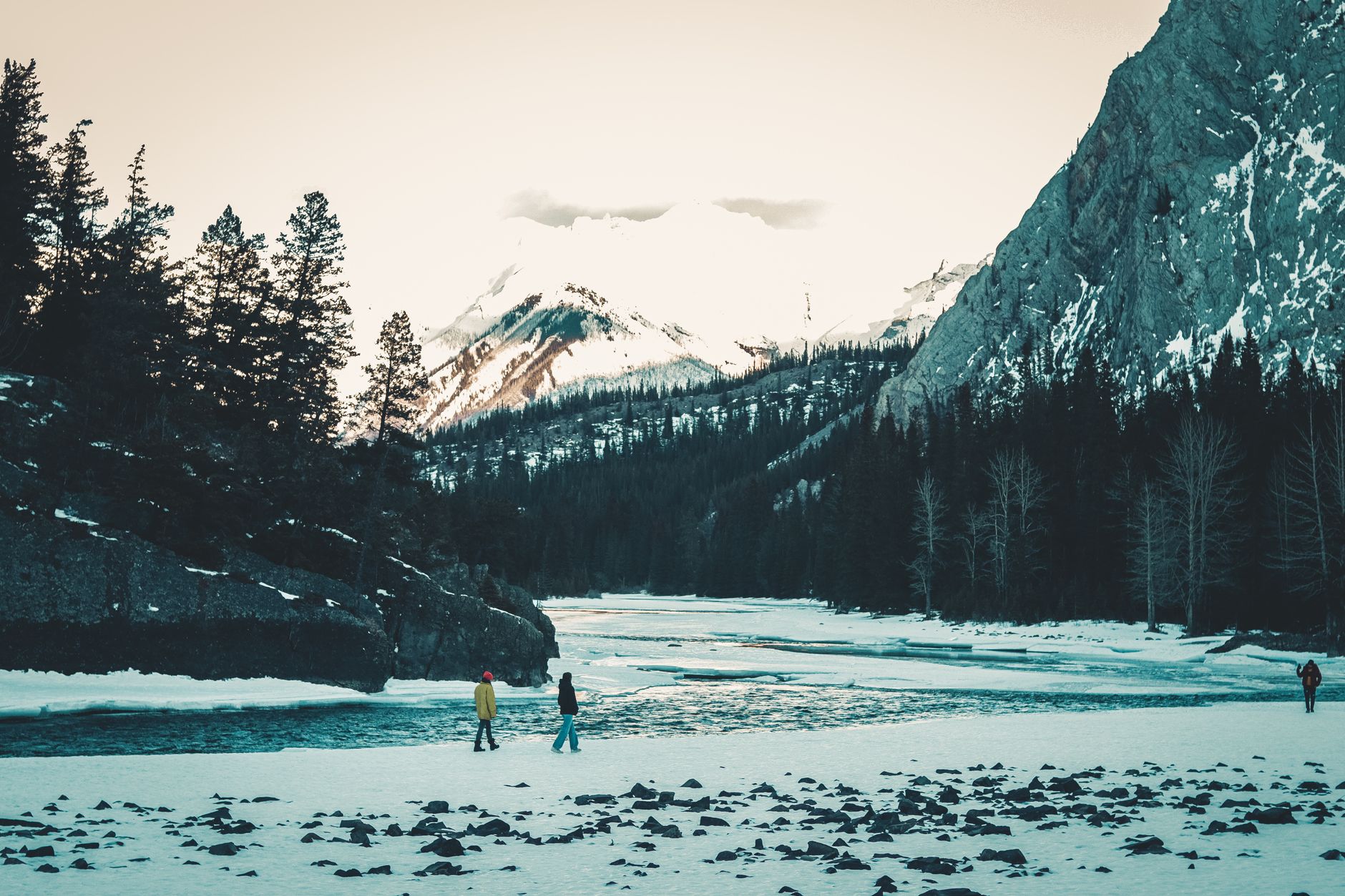
Winter means reliable cold — January lows around -15°C, sometimes -30°C — with strong skiing and Chinook winds that can briefly warm the valleys. Summer highs reach about 22°C in July, but evenings cool sharply above 1,400 metres, and the famous turquoise lakes don't fully thaw until June. September offers quieter trails and golden larches before October brings snow back to the higher passes.
Right now
Background & history adapted from Wikipedia (CC BY-SA) · specs from Wikidata (CC0) · weather from Open-Meteo · map data © OpenStreetMap contributors · photos from Wikimedia Commons / Unsplash with per-image credit. No third-party reviews or social posts reproduced.