
Cape Breton Island
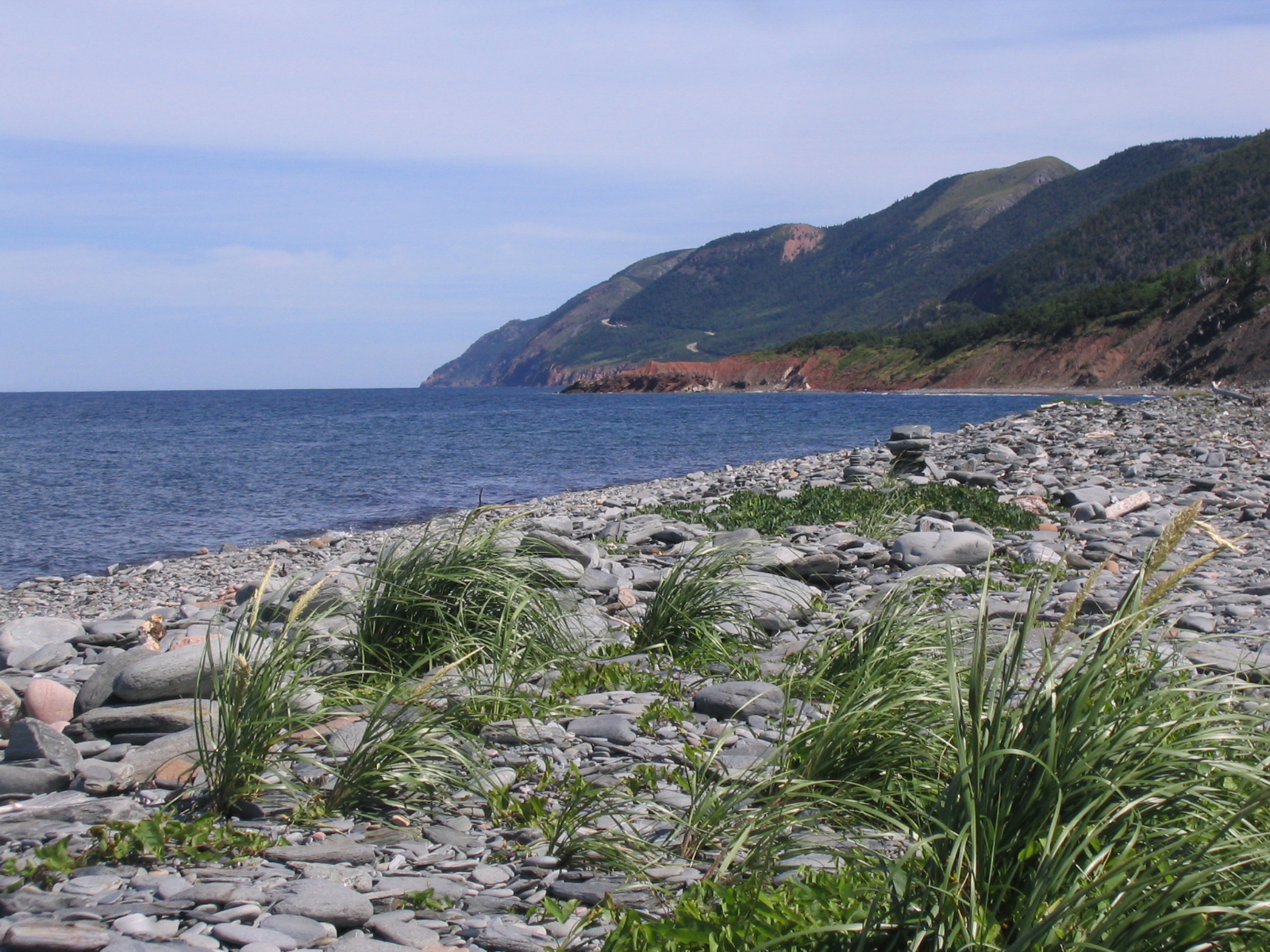
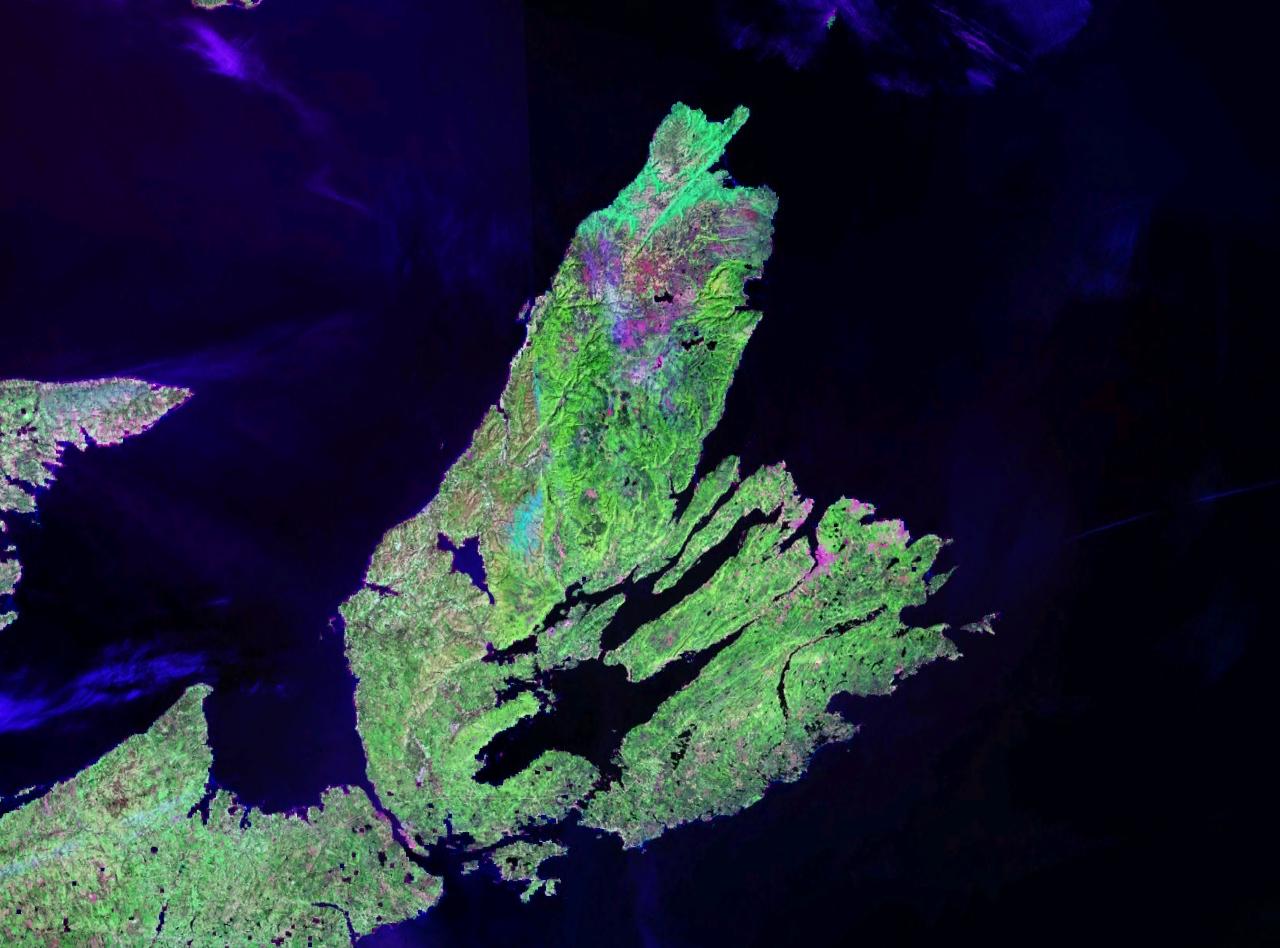
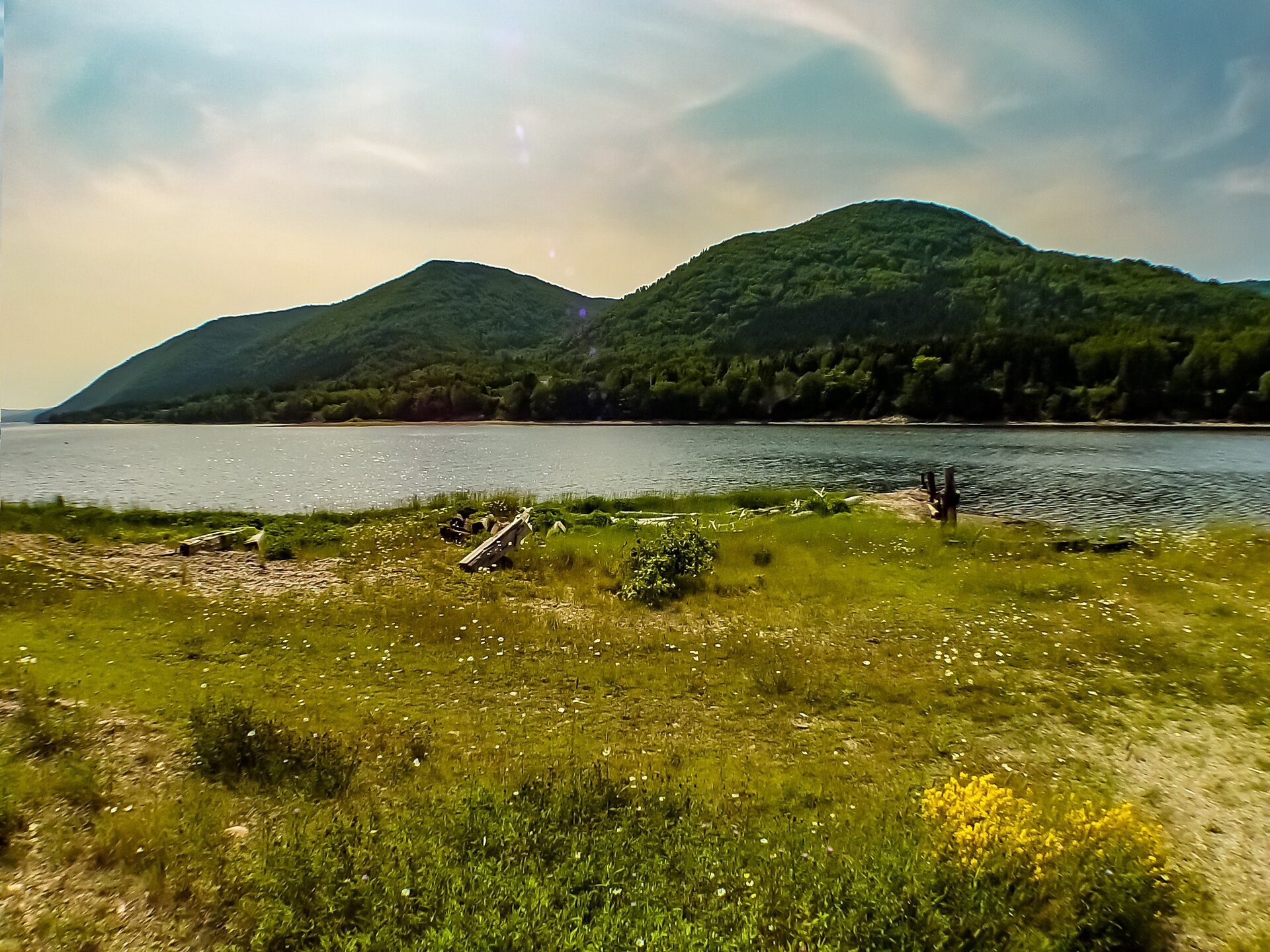
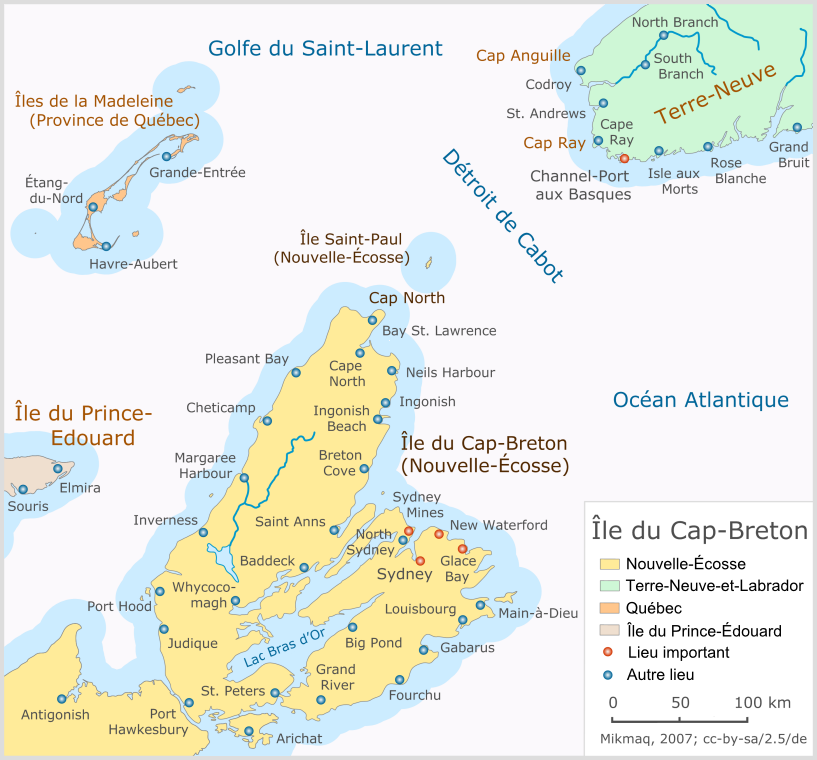


Cape Breton Island sits at the northeastern tip of Nova Scotia, separated from the mainland by a strait so narrow that a two-kilometre causeway has bridged it since 1955. The island is roughly the size of a small country, and it moves at a pace that rewards slowing down — the 298-kilometre Cabot Trail loops around its highlands and coastlines, past fishing villages and old-growth forest, and the interior holds a vast brackish lake system called Bras d'Or.
The Mi'kmaq knew it as Unama'ki long before European fishermen arrived. Today the island carries layers of that history — French fortress walls, Gaelic fiddle music, coal-country towns — in a way that feels genuinely lived-in rather than curated.
How Cape Breton Island came to be
The island's European story starts in contested waters: John Cabot reportedly reached it in 1497, and by 1521 a Portuguese colony of roughly 200 settlers had established itself at present-day Ingonish under João Alvares Fagundes. France eventually claimed the island as Île Royale and, after ceding its mainland Acadian territories to Britain in 1713, relocated the population of Plaisance, Newfoundland here. The French built the Louisbourg Lighthouse in 1734 — the first in Canada — and constructed the fortress that still defines the island's southeastern shore.
Louisbourg fell to New Englanders in 1745 and to the British again in 1758. The island was formally ceded to Britain in 1763 and briefly became its own colony in 1784, receiving Loyalist refugees through Sydney harbour. Then came the Highland Clearances: roughly 50,000 Scots arrived in the first half of the 19th century, followed by the coal-mining industry that reshaped the economy from the 1830s onward. In the 1960s, Parks Canada employed out-of-work miners to partially reconstruct the Fortress of Louisbourg — a quietly fitting circle.
Who and what shaped it
People who shaped it
Landmark buildings
See Cape Breton Island in motion
Plan your visit
On the map
When to go
Summers are mild and green, with July temperatures in the low-to-mid 20s Celsius along the coast. Winters are cold and snowy, particularly in the highlands; spring comes late and can be raw well into May.
Right now
Background & history adapted from Wikipedia (CC BY-SA) · specs from Wikidata (CC0) · weather from Open-Meteo · map data © OpenStreetMap contributors · photos from Wikimedia Commons / Unsplash with per-image credit. No third-party reviews or social posts reproduced.