
Whistler
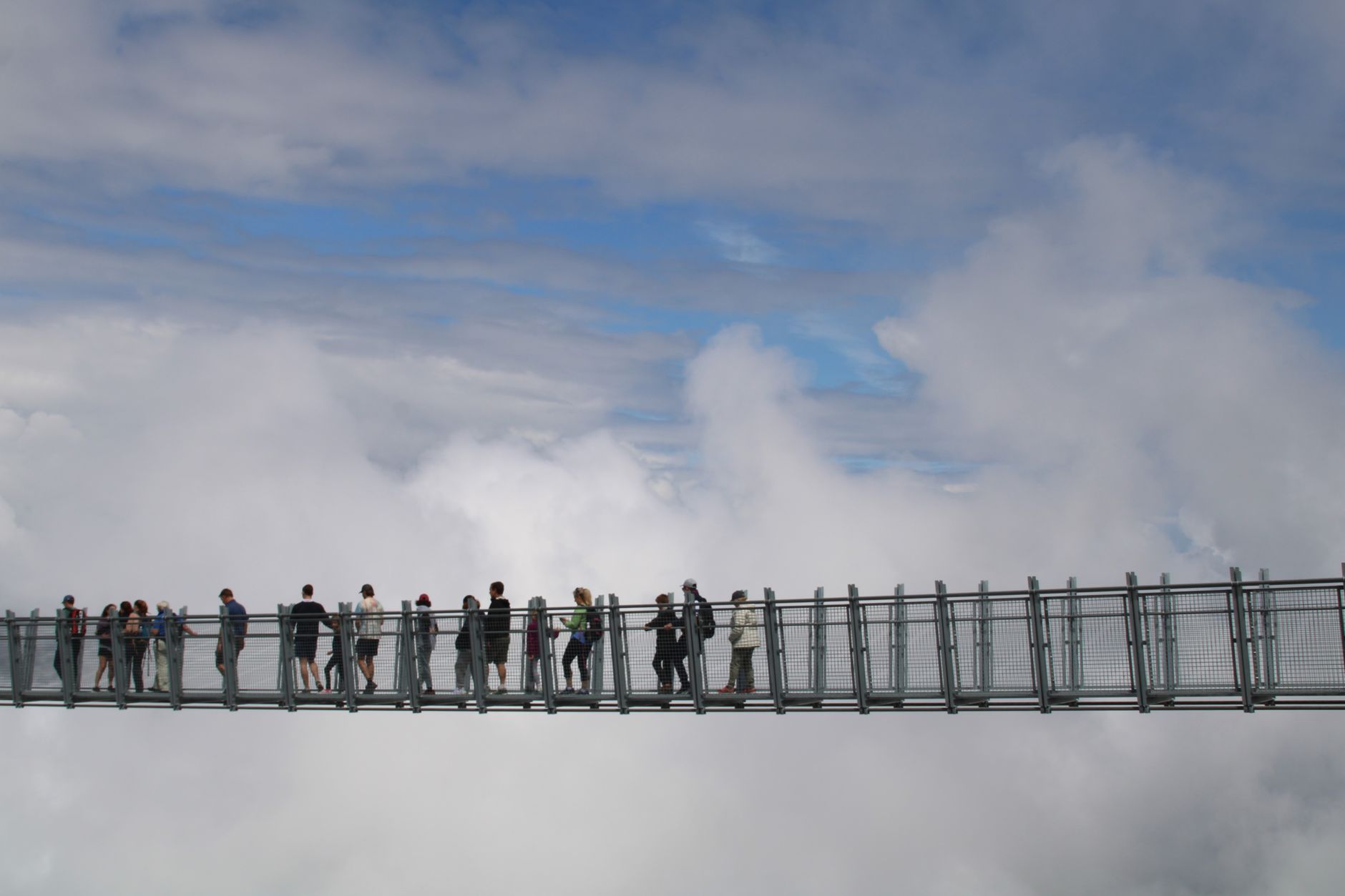
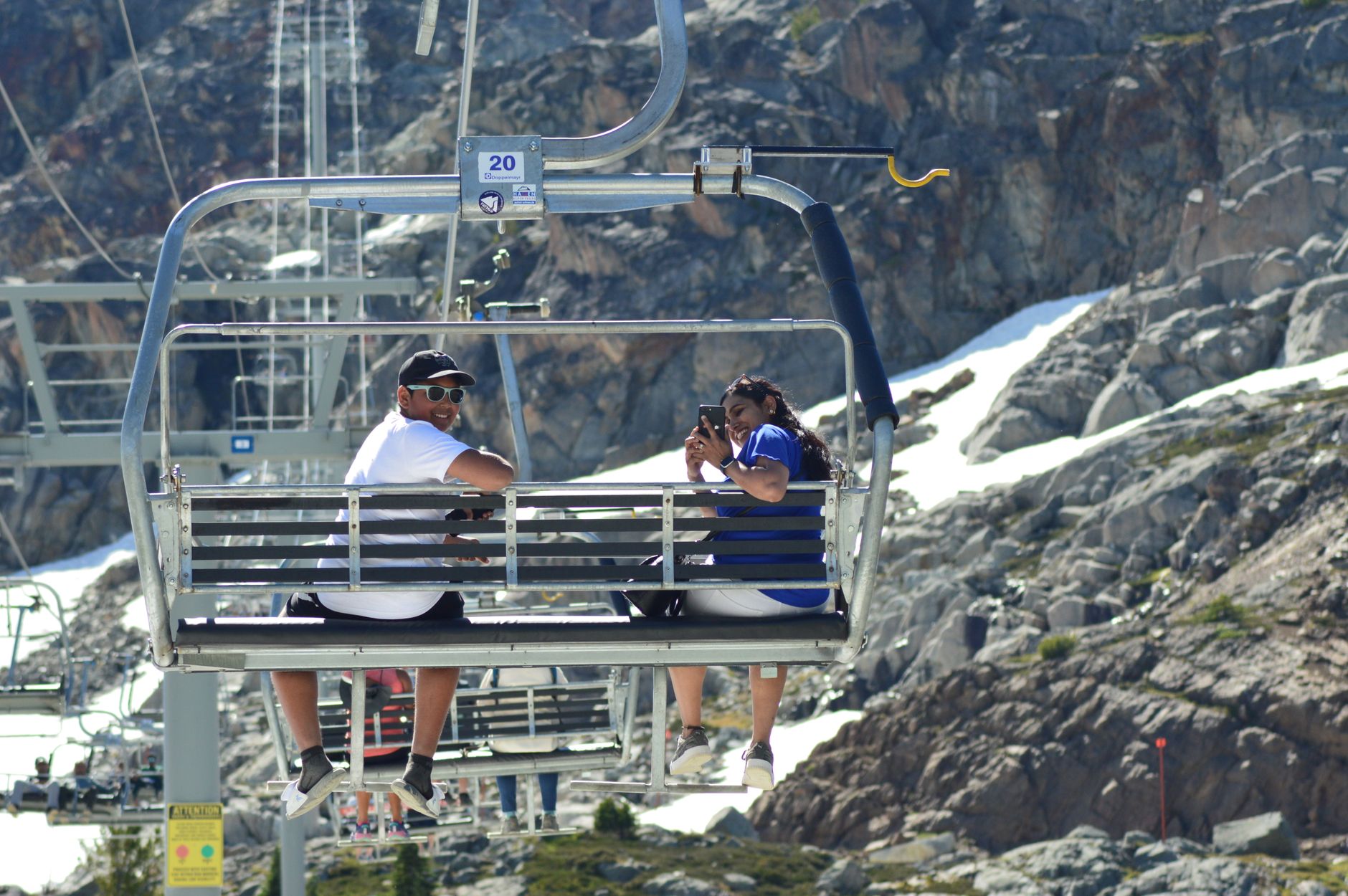
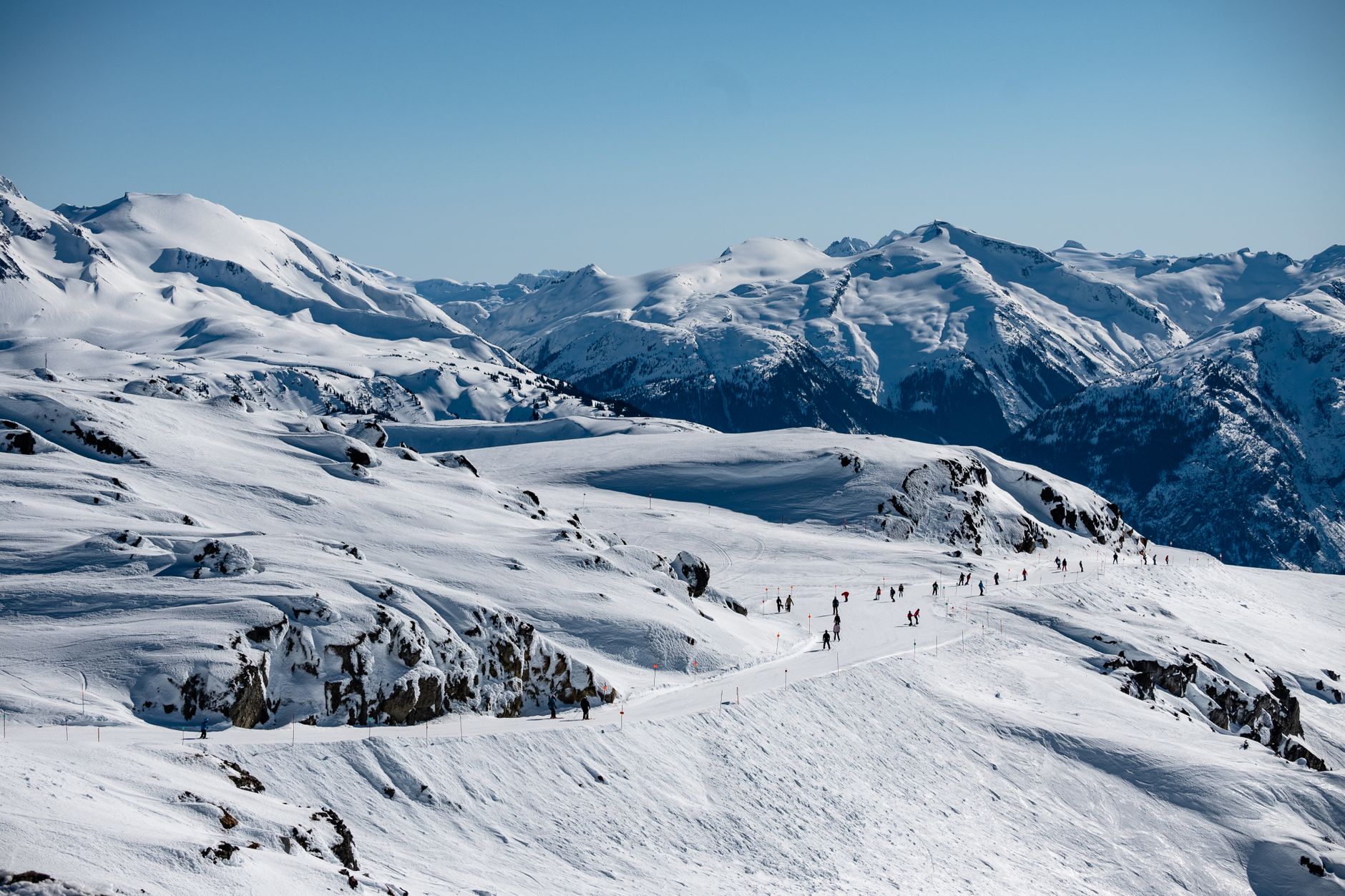
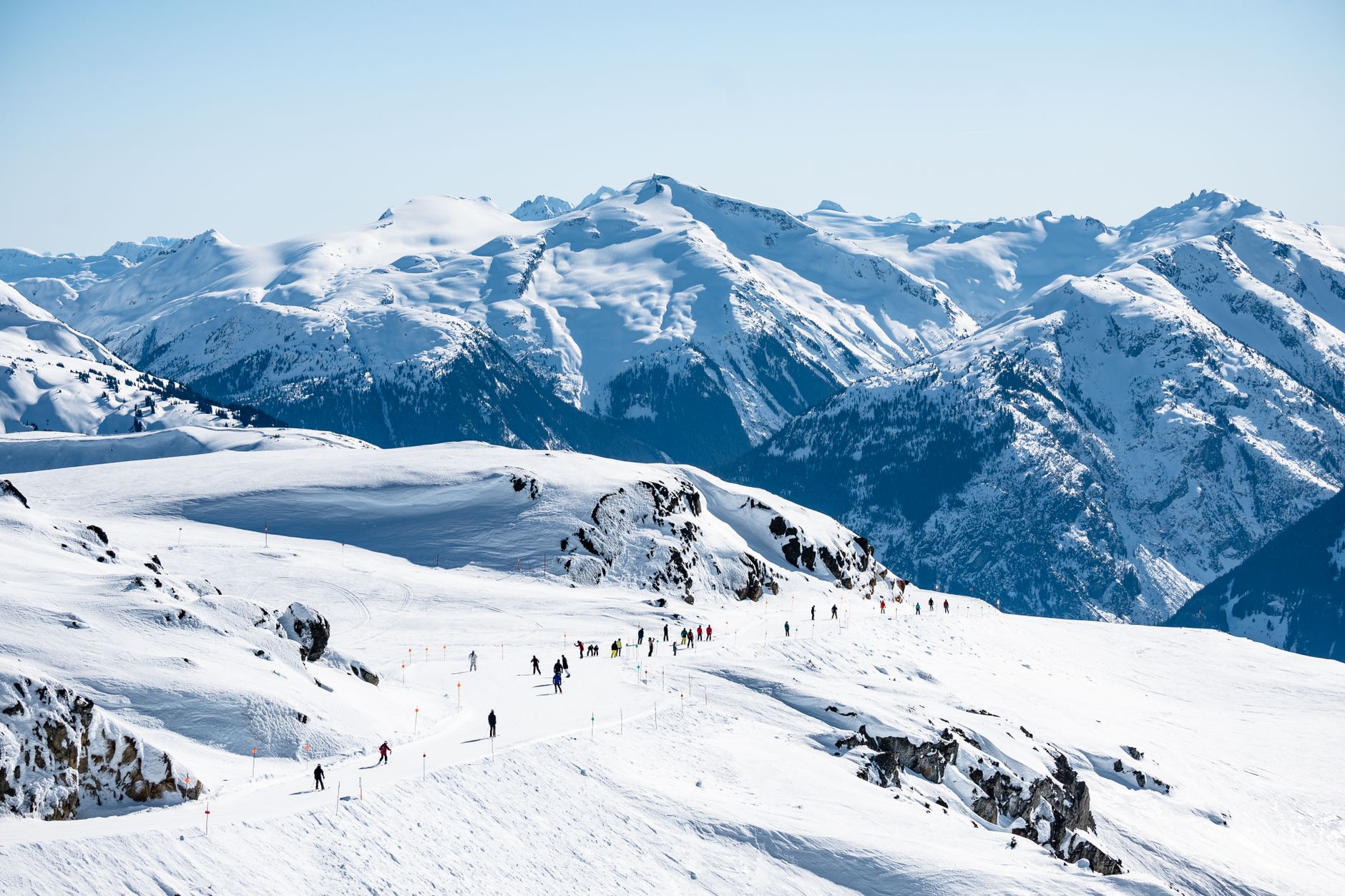
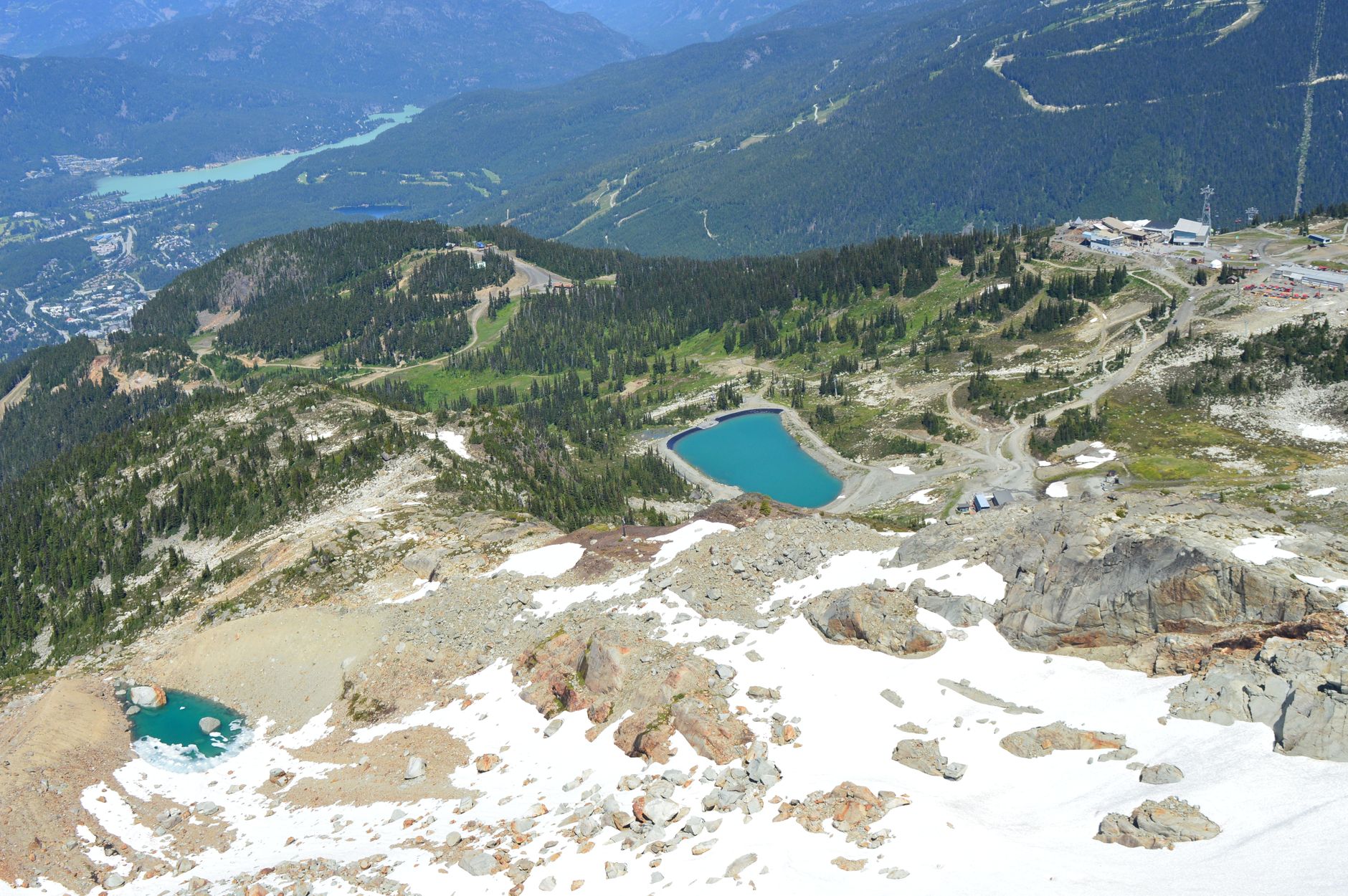
The name comes from a marmot. Western hoary marmots colonised this mountain long before any ski lift did, and their shrill whistle gave the place its identity — surveyors had called it London Mountain, but the locals knew better. Today Whistler Blackcomb is North America's largest ski resort, 8,171 acres spread across two mountains connected by a gondola that swings 436 metres above the valley floor on a single unsupported span of three kilometres.
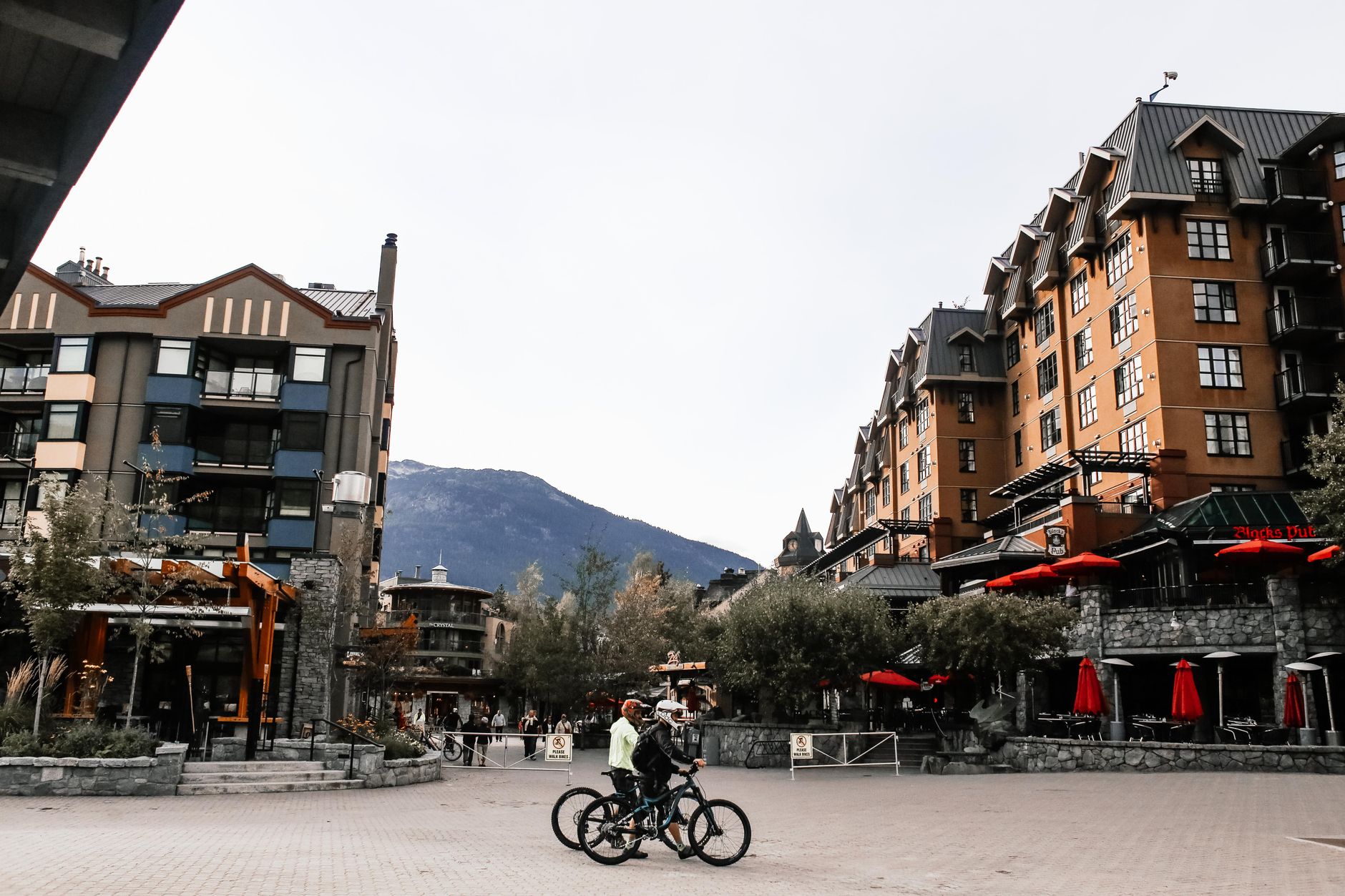
The village below is pedestrian-only, a deliberate design choice from the beginning. Cars stay at the edges. You walk stone-paved lanes past the Olympic rings and a stone Inukshuk to reach the lifts, the Audain Art Museum, or a table that faces the mountains.
💛 What travellers fall for
People who come back tend to book lift tickets early — the resort caps daily access and popular dates sell out weeks ahead. The Rocky Mountaineer route from Vancouver through here is worth considering for at least one leg of the trip; the Sea to Sky corridor looks different from a train window than from a windshield.
How Whistler came to be
Lil'wat and Squamish peoples kept seasonal camps here for hunting and trapping long before any road reached the valley. The modern story begins quietly: a trapper named John Millar had a cabin near the mountain base, and in 1911 he talked an American named Alex Philip into visiting. Philip and his wife Myrtle built Rainbow Lodge on Alta Lake in 1914, and by the late 1930s it had become the most popular honeymoon destination west of the Rockies.
The ski resort grew from an Olympic ambition that failed — a 1968 Winter Games bid that went nowhere — but construction started regardless, and the lifts opened in January 1966. The village itself was designed by Eldon Beck, the landscape architect behind Vail Village, and opened in December 1980. Whistler eventually got its Olympics in 2010, hosting the alpine, Nordic, luge, skeleton and bobsled events for the Vancouver Games.
Who and what shaped it
People who shaped it
Landmark buildings
See Whistler in motion
Plan your visit
On the map
When to go
Winter runs long here — snow season stretches from November into May, with the coldest and snowiest months falling between December and March. Summers are mild and dry, drawing mountain bikers and hikers to the same terrain the skiers use in winter.
Right now
Background & history adapted from Wikipedia (CC BY-SA) · specs from Wikidata (CC0) · weather from Open-Meteo · map data © OpenStreetMap contributors · photos from Wikimedia Commons / Unsplash with per-image credit. No third-party reviews or social posts reproduced.