
Canadian Rockies
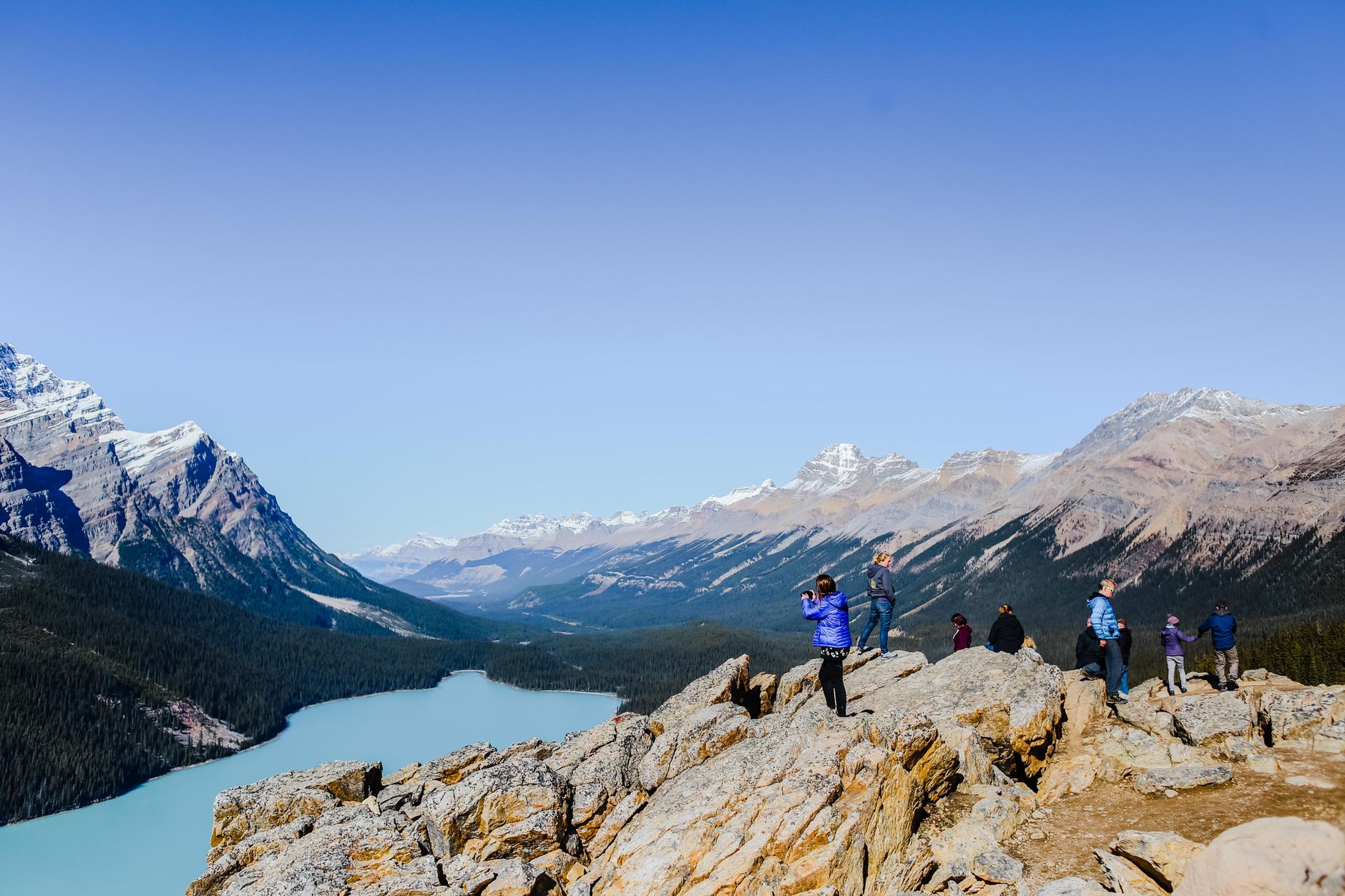
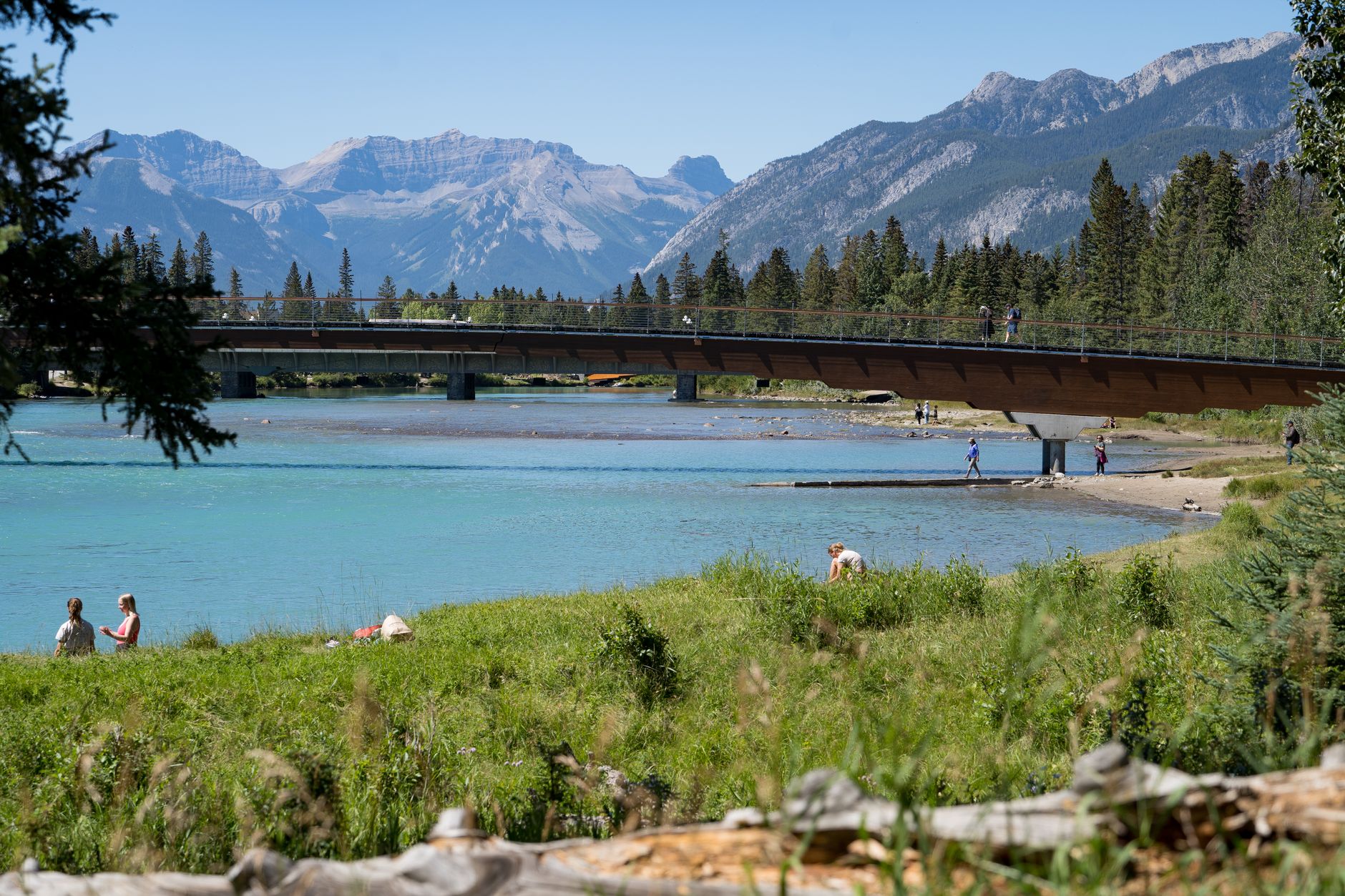
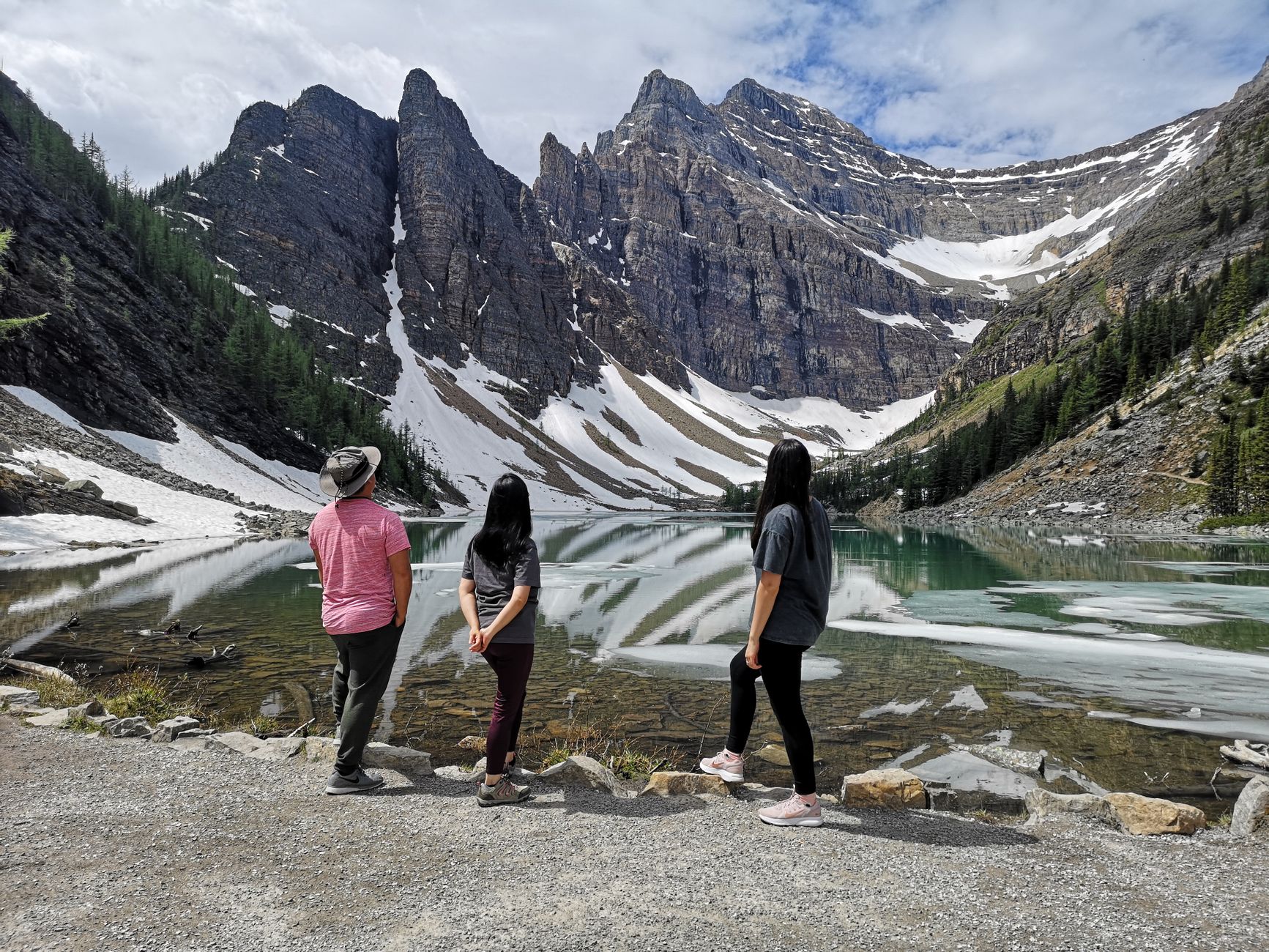
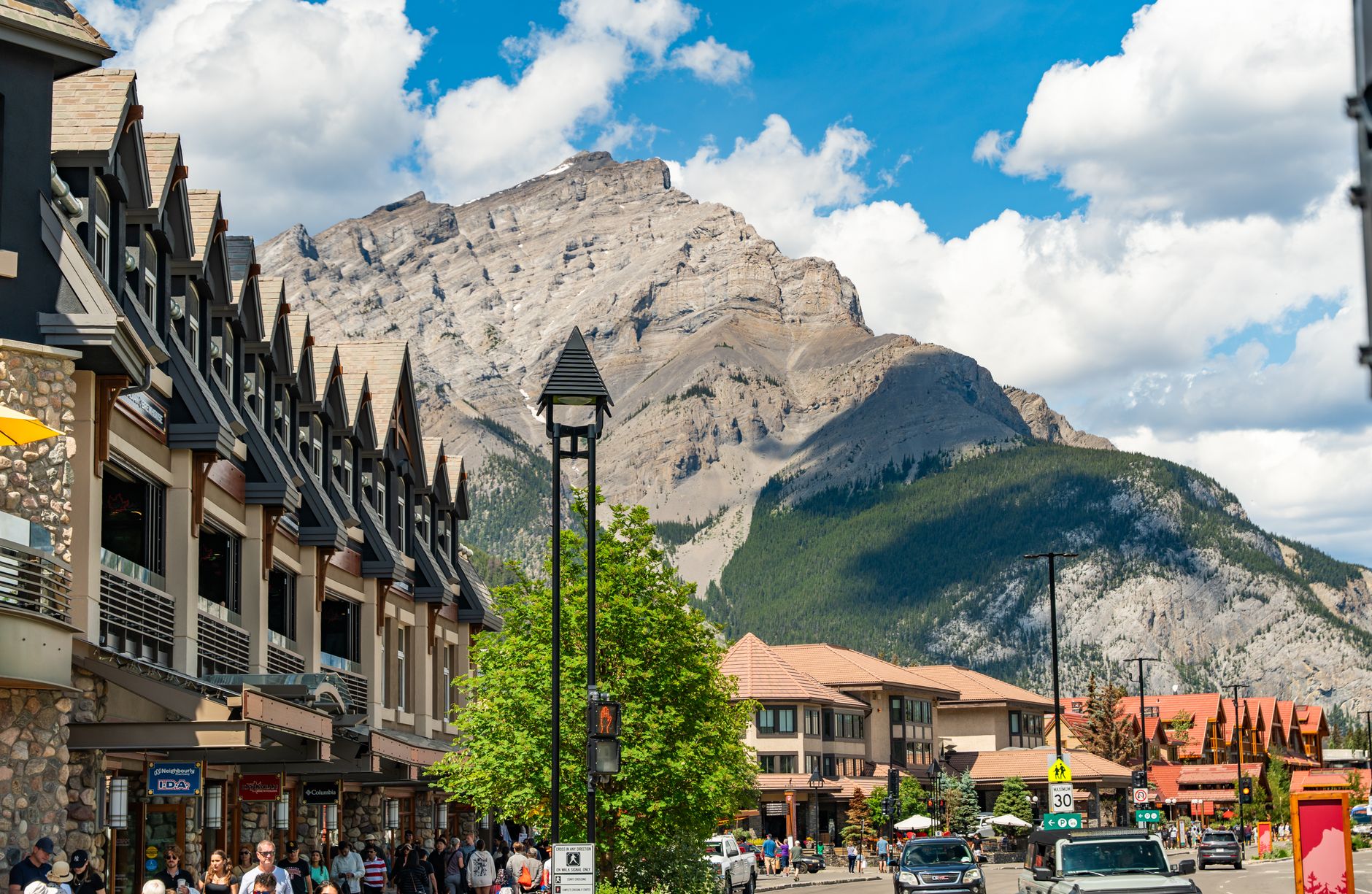
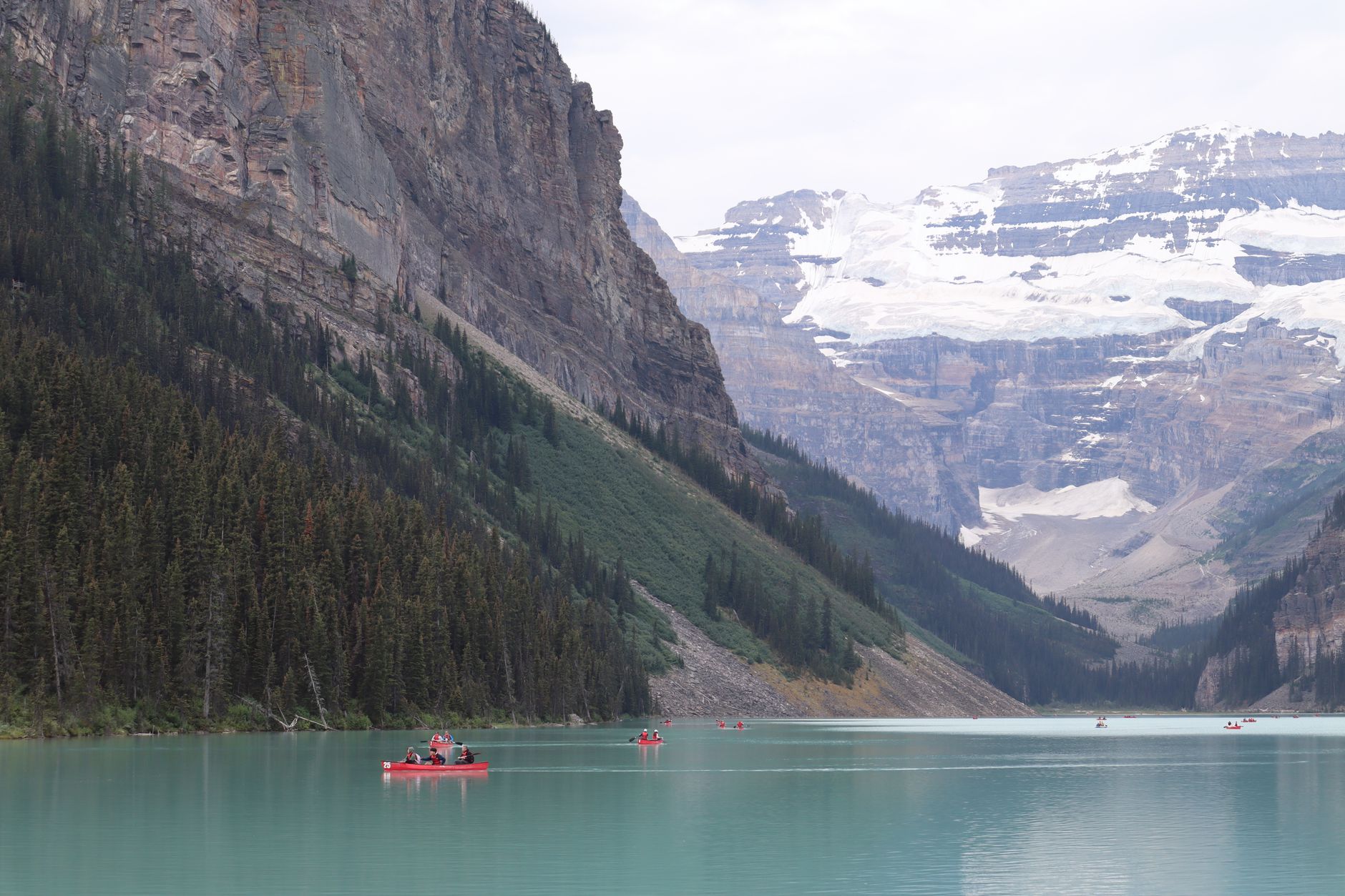
The colour of Lake Louise stops people mid-step. It's not a trick of the light — it's rock flour, glacial silt so fine it stays suspended in the meltwater and turns the lake an opaque, mineral turquoise. That specificity is what the Canadian Rockies keep delivering: the Columbia Icefield stretching 89 square miles at depths of 1,200 feet, Maligne Canyon dropping more than 165 feet into the limestone, Mount Robson rising to 3,954 metres above a valley floor that already feels impossibly high.
This is a UNESCO World Heritage region made up of seven parks — Banff, Jasper, Kootenay, Yoho, and three provincial parks anchored by Mount Robson and Mount Assiniboine. The infrastructure is surprisingly navigable, but the scale is not domesticated. Plan accordingly.
💛 What travellers fall for
People who return tend to time one trip around the shoulder seasons — late September especially, when the larch trees go gold above Moraine Lake and the crowds thin. They also learn quickly that the Moraine Lake Road is closed to private vehicles during peak season, so booking a Parks Canada shuttle or a guided tour early is not optional, it's the whole plan.
How Canadian Rockies came to be
The mountains themselves are ancient in the way that makes human history feel provisional — the main uplift happened during the Laramide Orogeny between 80 and 60 million years ago, and the lakes and valleys were carved by glaciers that only retreated around 11,000 years ago. European settlement followed river systems in search of beaver and gold.
The national park story began at a specific spot: the Cave and Basin hot springs, where the reserve that eventually became Banff National Park — 6,641 square kilometres of it — was first set aside. In 1892, two brothers named Brewster started offering guided excursions through the mountain parks, a business that still operates today. The Spiral Tunnels, engineered in 1909 to replace a dangerously steep stretch of railway known as Big Hill, are a quieter piece of that same era.
Who and what shaped it
People who shaped it
Landmark buildings
See Canadian Rockies in motion
Plan your visit
On the map
When to go
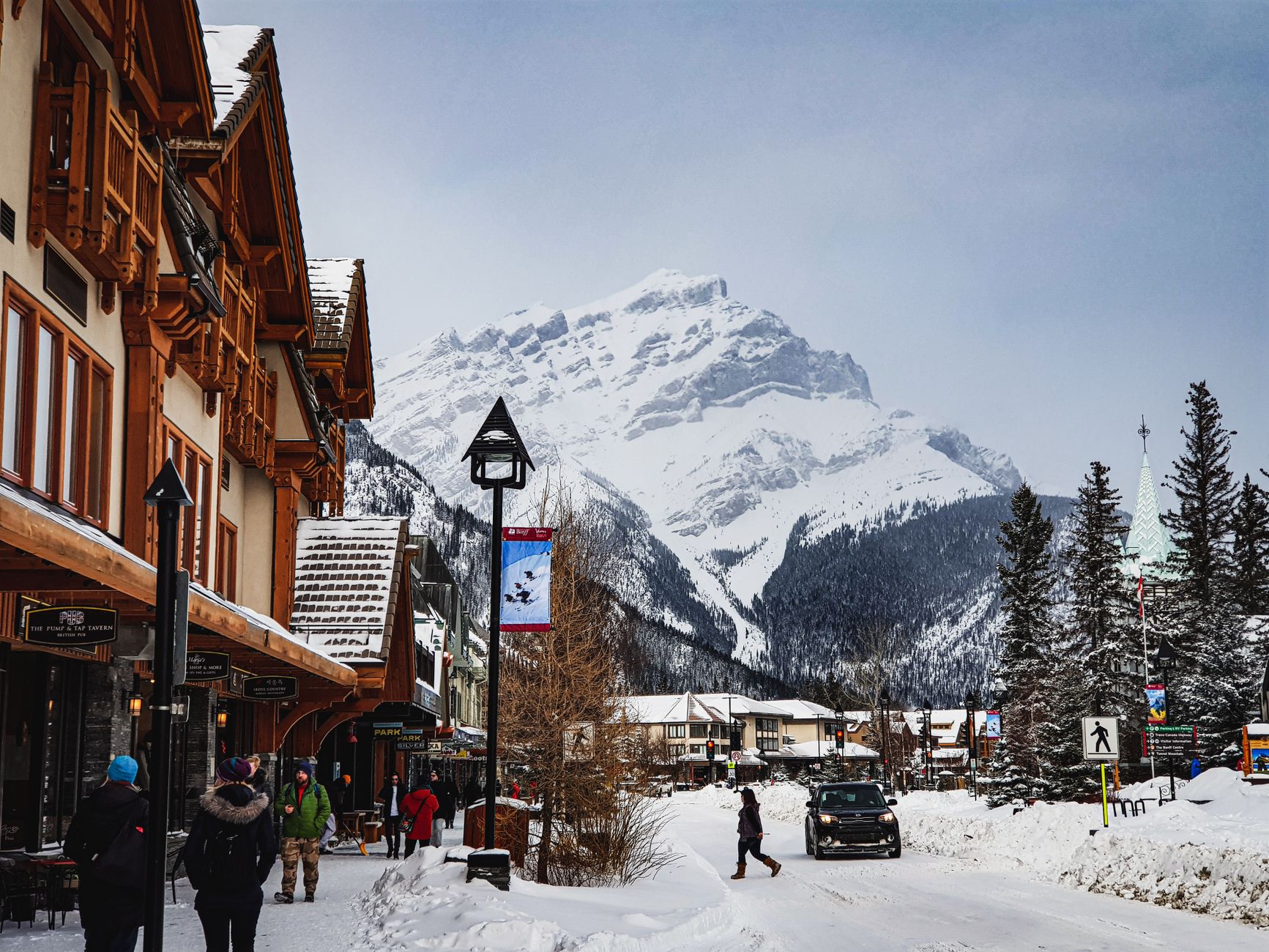
Summer is short but intense — July averages above 23°C in the main valleys, with up to 17 hours of daylight around the solstice, though mountain afternoons can bring sudden storms. Winter is genuinely cold: Banff regularly sees extended spells at -30°C, and the record at Lake Louise sits at -52°C; come prepared for that, or come for the skiing with full knowledge of what you're in for. Spring snow lingers on higher trails well into early July, and October swings wildly — a single week can deliver both 30°C afternoons and -10°C nights.
Right now
Background & history adapted from Wikipedia (CC BY-SA) · specs from Wikidata (CC0) · weather from Open-Meteo · map data © OpenStreetMap contributors · photos from Wikimedia Commons / Unsplash with per-image credit. No third-party reviews or social posts reproduced.