
Calgary, Alberta
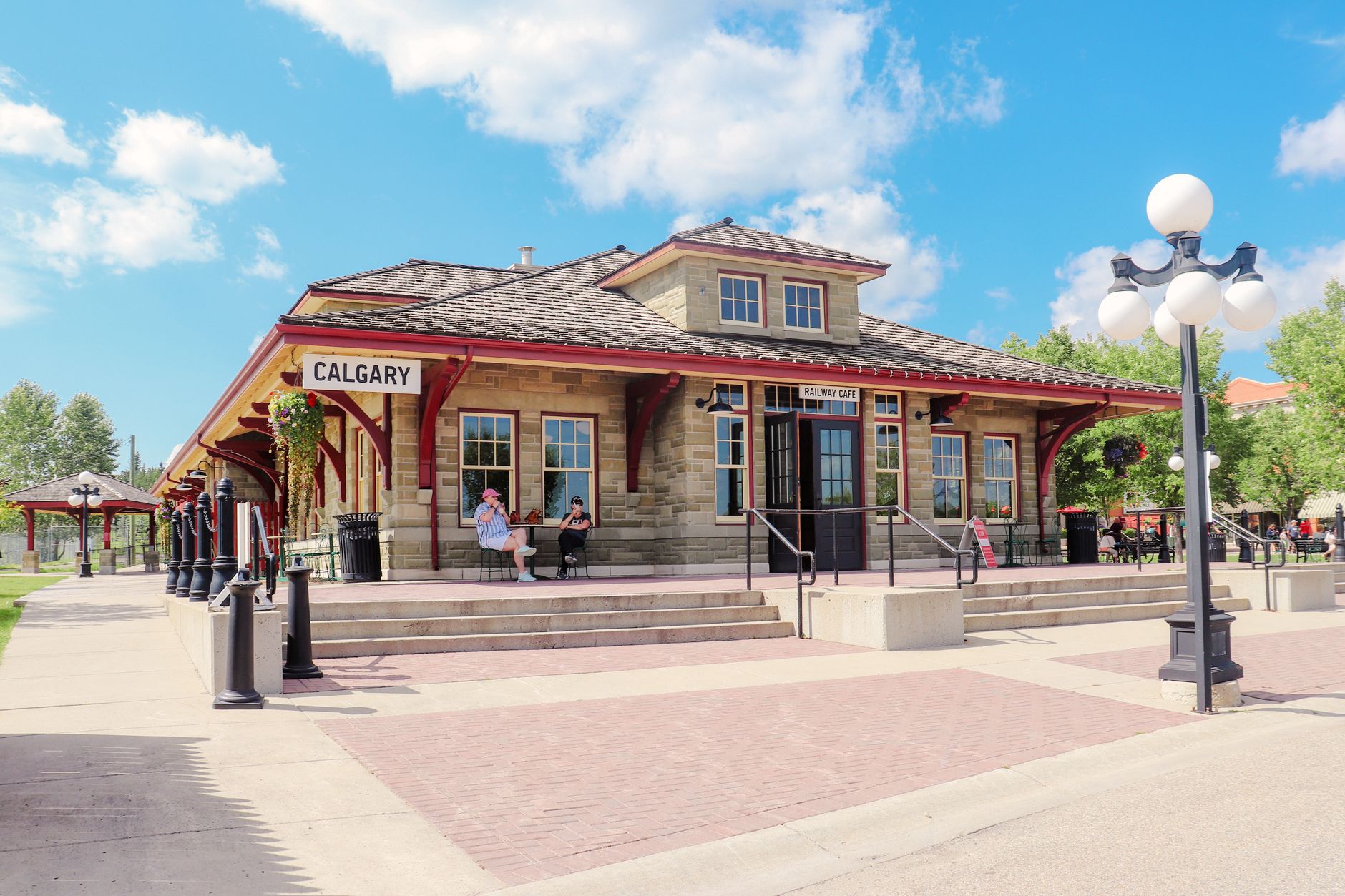
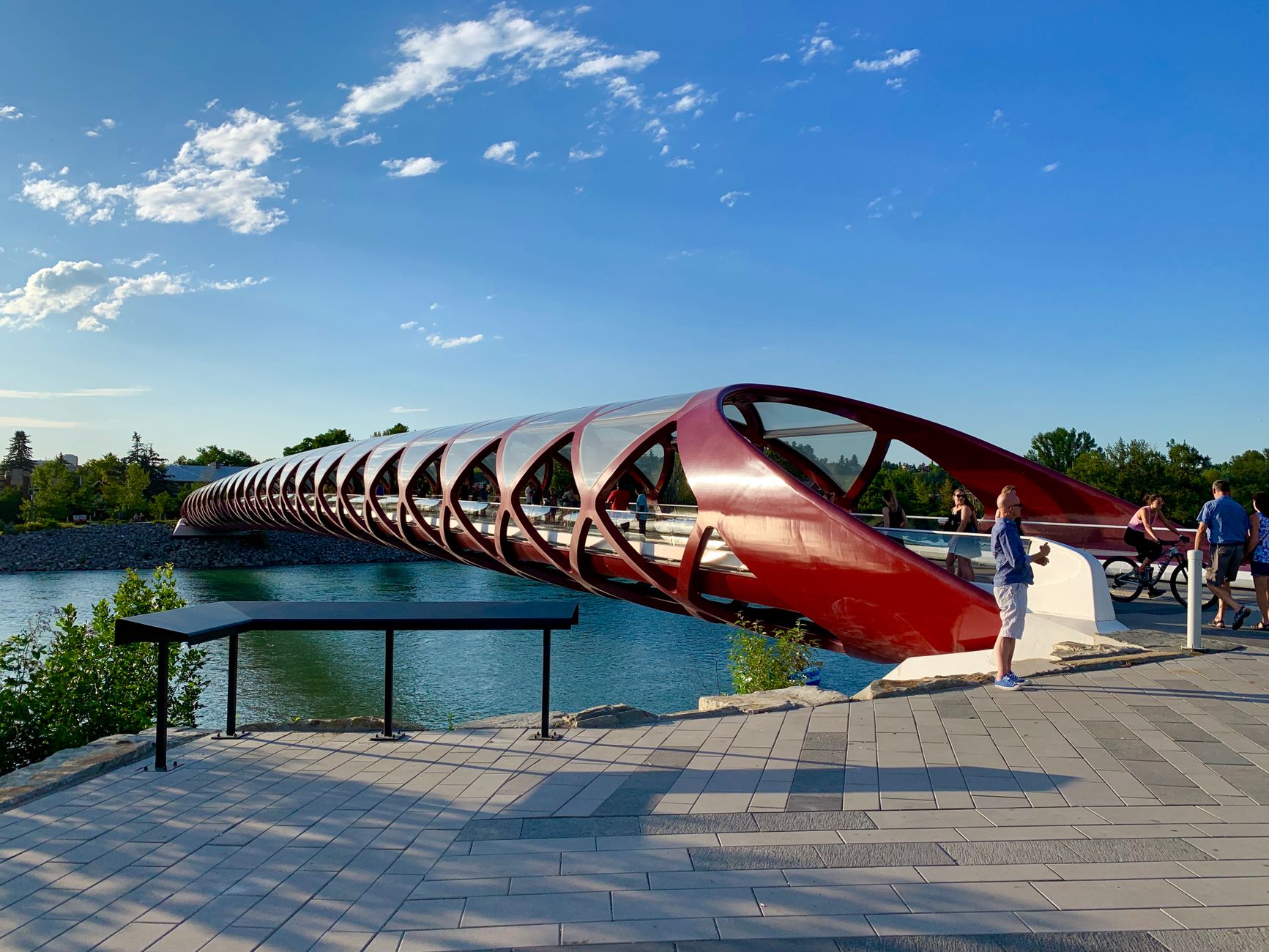
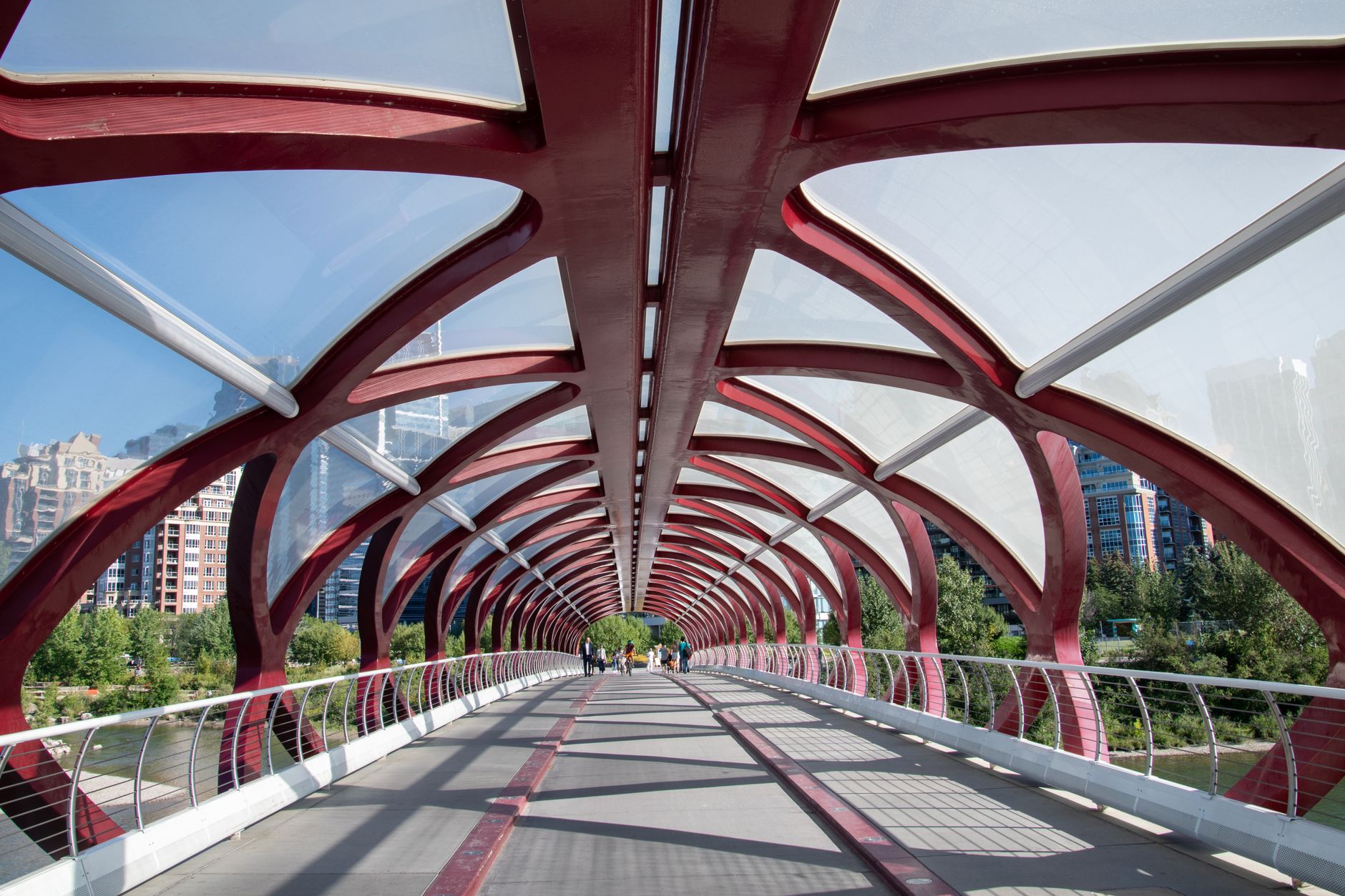
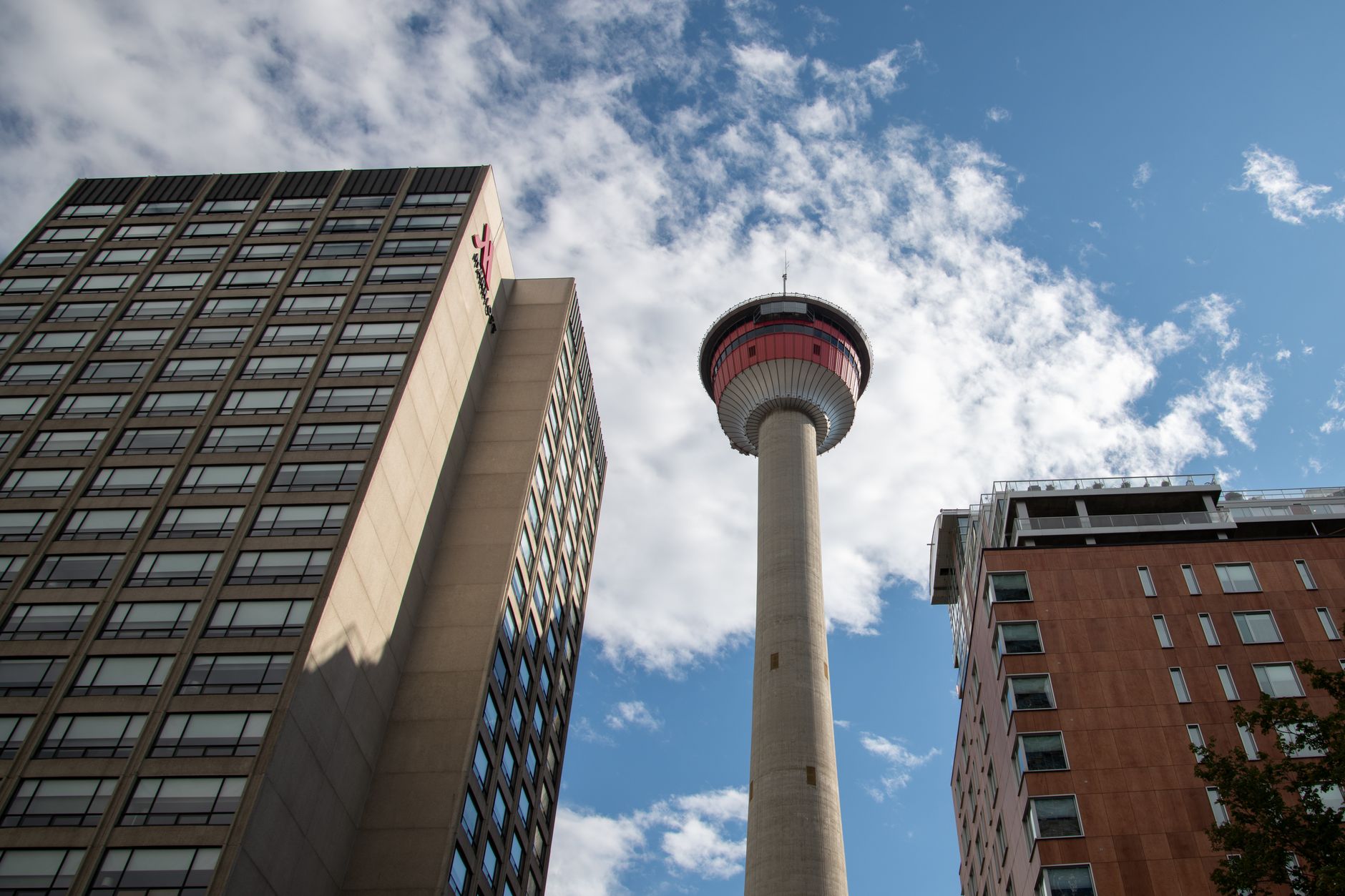
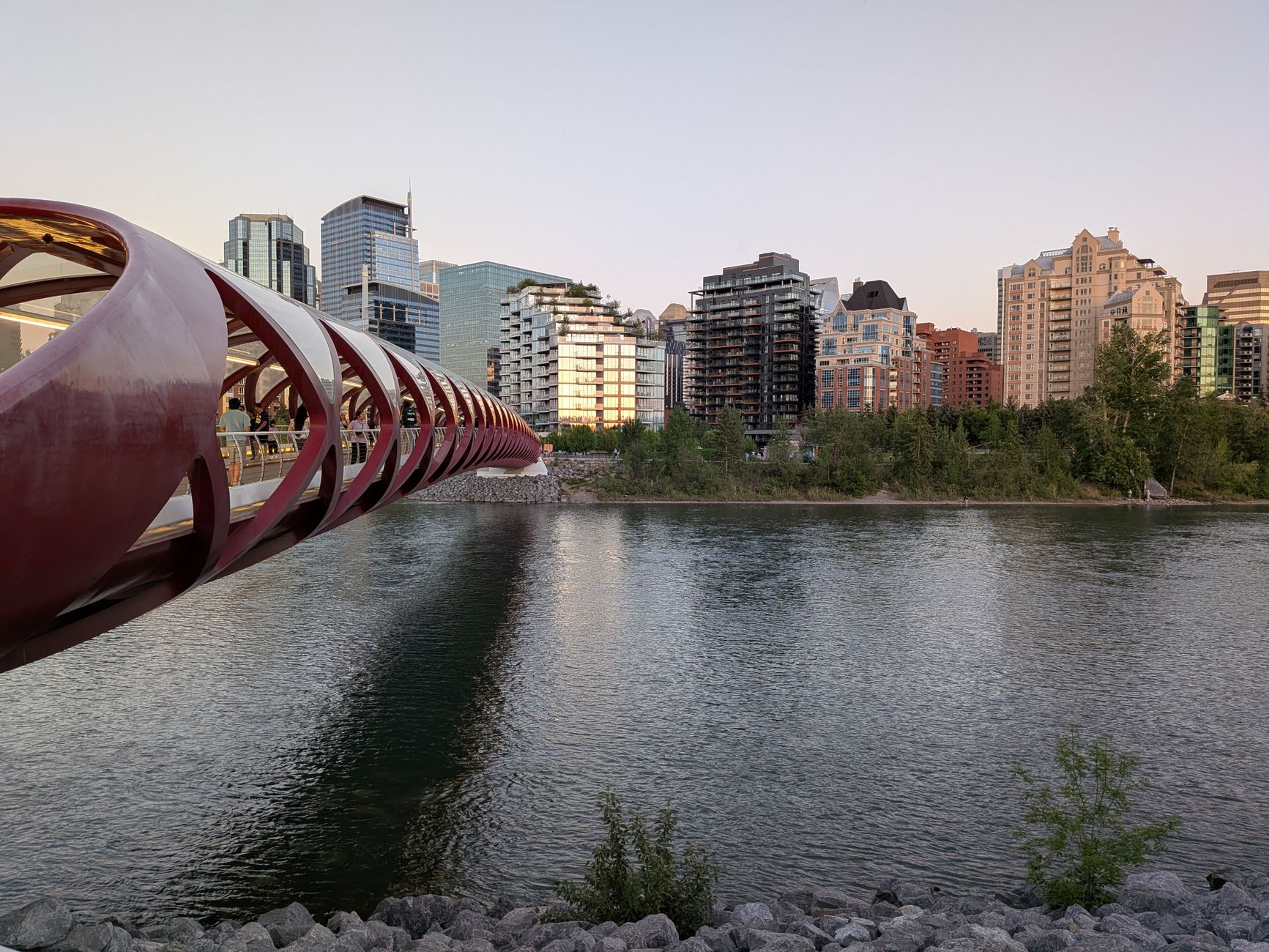
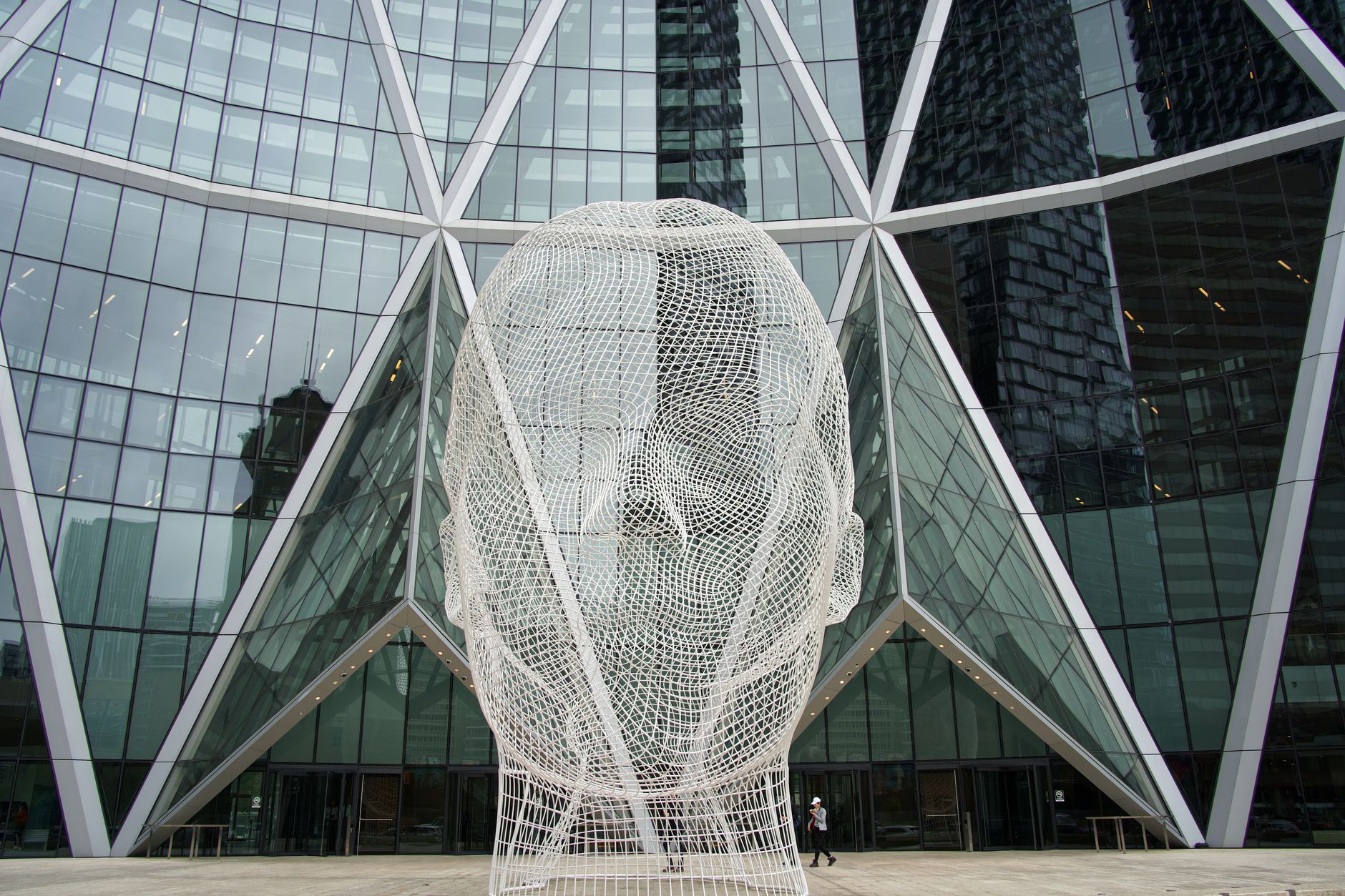
Calgary gets more sunshine than any other city in Canada — a fact that surprises people who picture Alberta winters and stop there. The light here is particular: sharp and dry, bouncing off the glass towers downtown and, on clear days, framing the Rockies to the west with almost theatrical precision. The city sits at the edge of the Great Plains where the land starts to think about becoming mountains, and that geography shapes everything from its weather to its self-image.
This is a city that built itself fast — railway town, ranching capital, oil boomtown — and it carries those layers visibly. The skyline is young and tall, the streets are wide, and the Calgary Stampede, now well past its hundredth year, still stops the city cold every July.
💛 What travellers fall for
People who come back tend to time it around Stampede or avoid it entirely — rarely indifferent. The downtown CTrain is free through the 7th Avenue transit mall, worth knowing before you rent a car. Heritage Park closes in mid-October, so don't leave it for the end of a fall trip. And the Chinook winds are real: pack for cold, then be ready to shed layers by noon.
How Calgary, Alberta came to be
The site was Piikani Nation territory long before David Thompson, a seventeen-year-old Hudson's Bay Company cartographer, spent the winter of 1787 on the Bow River. Permanent European presence came slowly — John Glenn arrived in 1873, and it was only in 1875 that North-West Mounted Police Inspector Éphrem-A. Brisebois led fifty Mounties north from Fort Macleod to establish a post. He named it Fort Brisebois; Colonel James Macleod renamed it Fort Calgary in 1876, after a bay on the Scottish island of Mull where his family had roots.
The Canadian Pacific Railway arrived in 1883 and the town incorporated the following year. Oil changed everything twice: Turner Valley in 1914, then major deposits in 1947. In 1912, trick roper Guy Weadick organized the first Calgary Stampede, a single event that became the city's most enduring annual identity.
Who and what shaped it
People who shaped it
Landmark buildings
See Calgary, Alberta in motion
Plan your visit
On the map
When to go
Summers run warm and sunny with July averaging around 17°C, though afternoon hailstorms can appear without much warning. Winters are genuinely cold — expect stretches well below −20°C — but Chinook winds rolling off the Rockies can push temperatures up by 30 degrees in a matter of hours, turning a January afternoon unexpectedly mild.
Right now
Background & history adapted from Wikipedia (CC BY-SA) · specs from Wikidata (CC0) · weather from Open-Meteo · map data © OpenStreetMap contributors · photos from Wikimedia Commons / Unsplash with per-image credit. No third-party reviews or social posts reproduced.