
Prince Edward Island
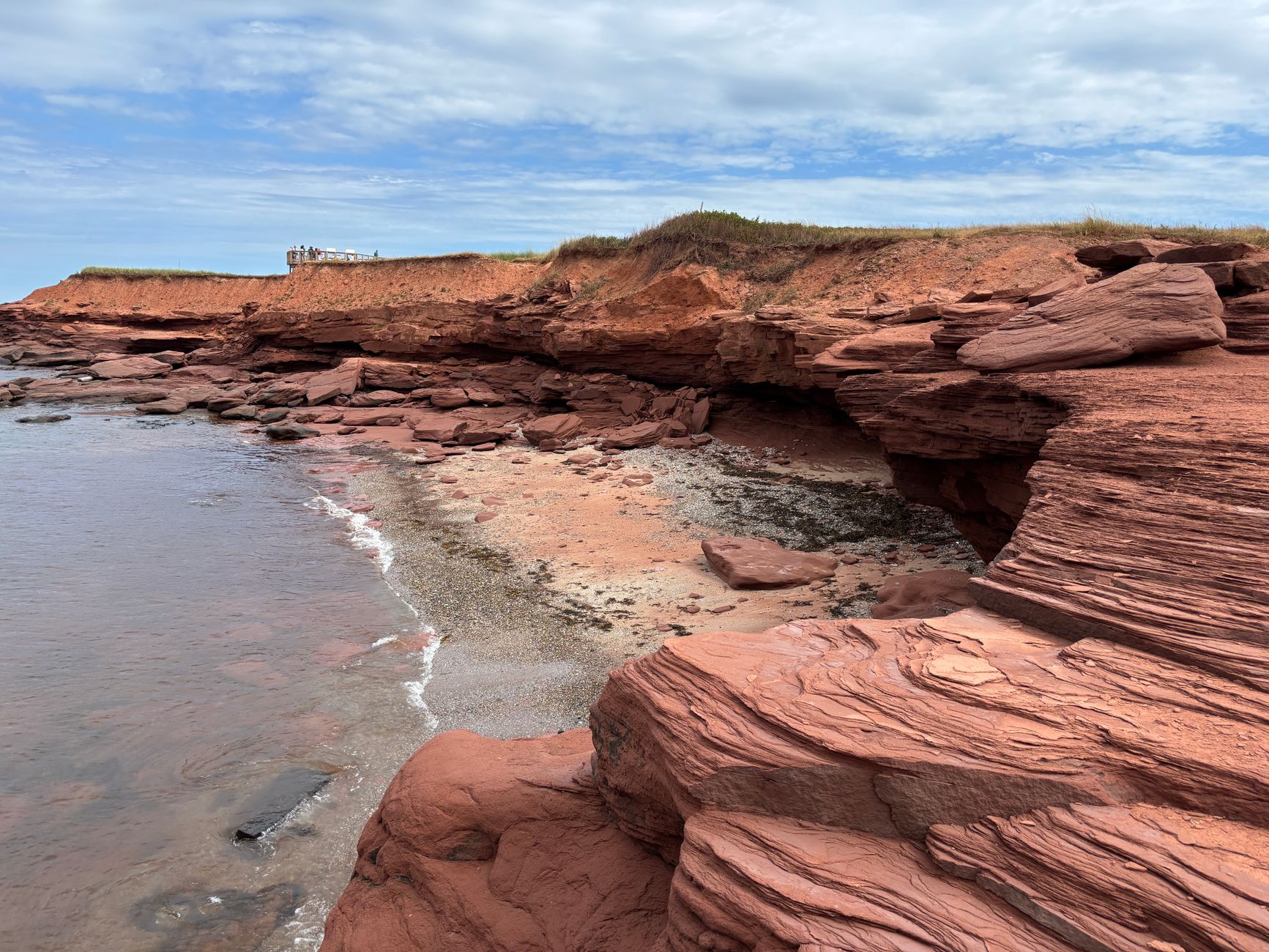
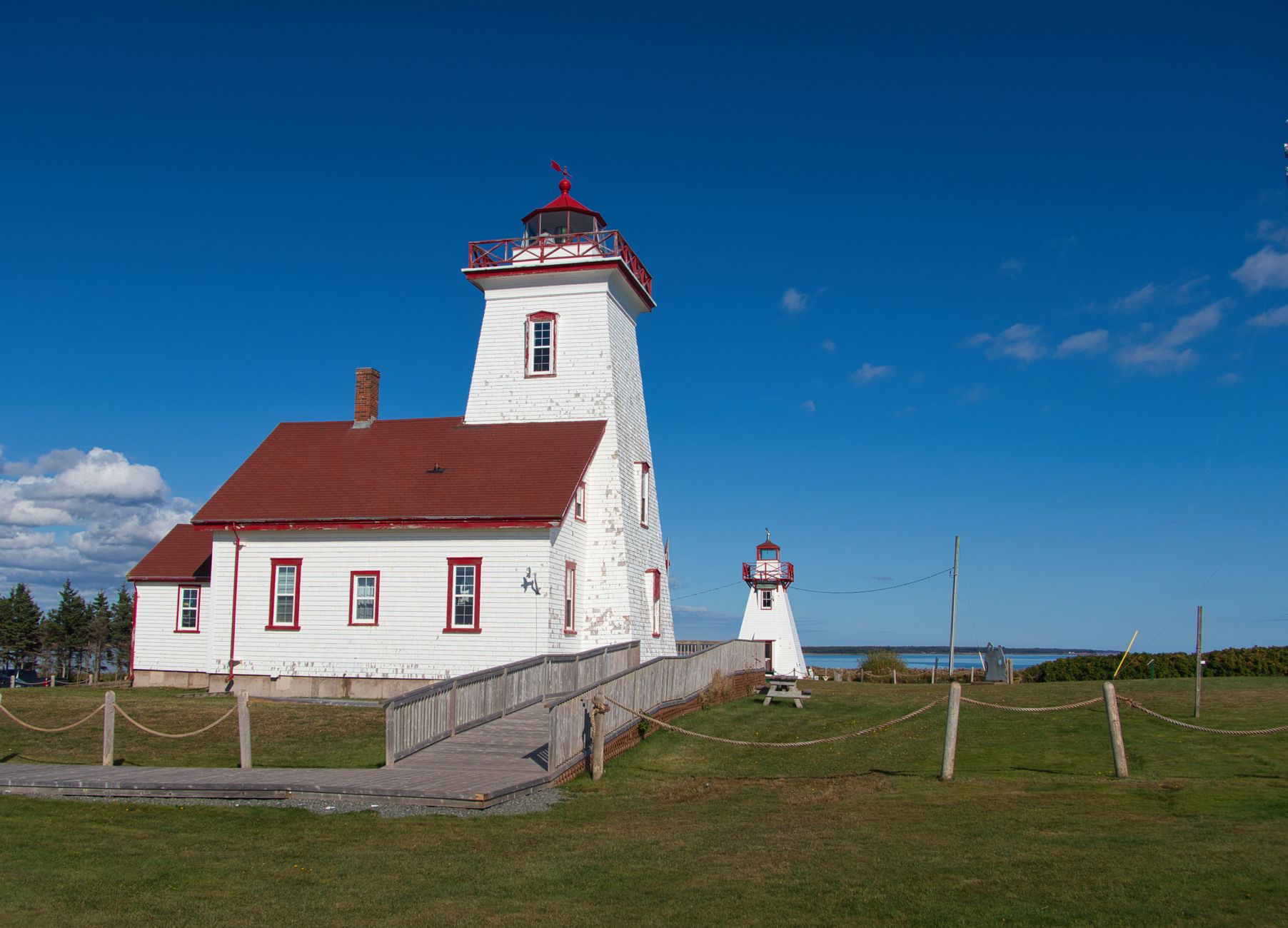
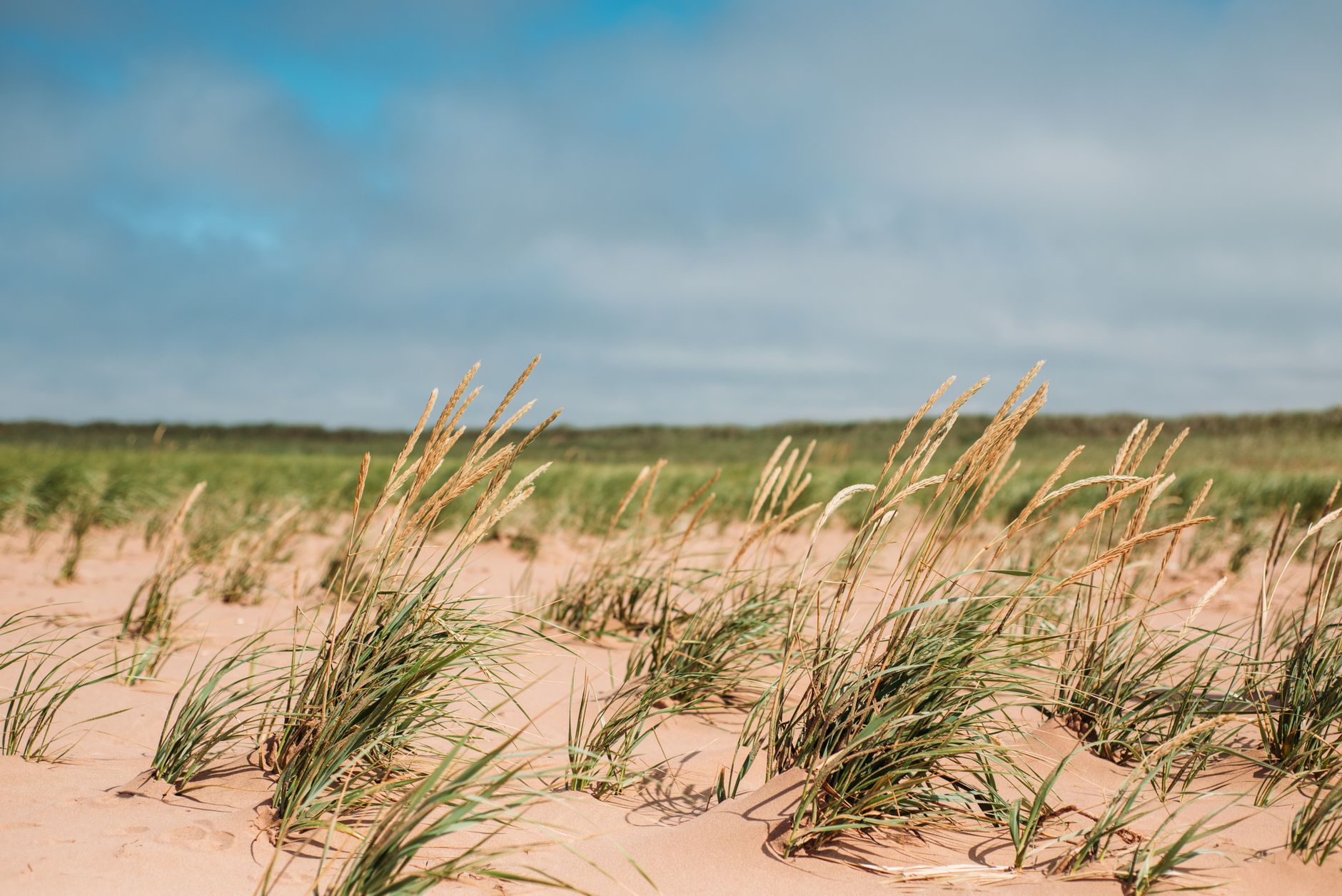
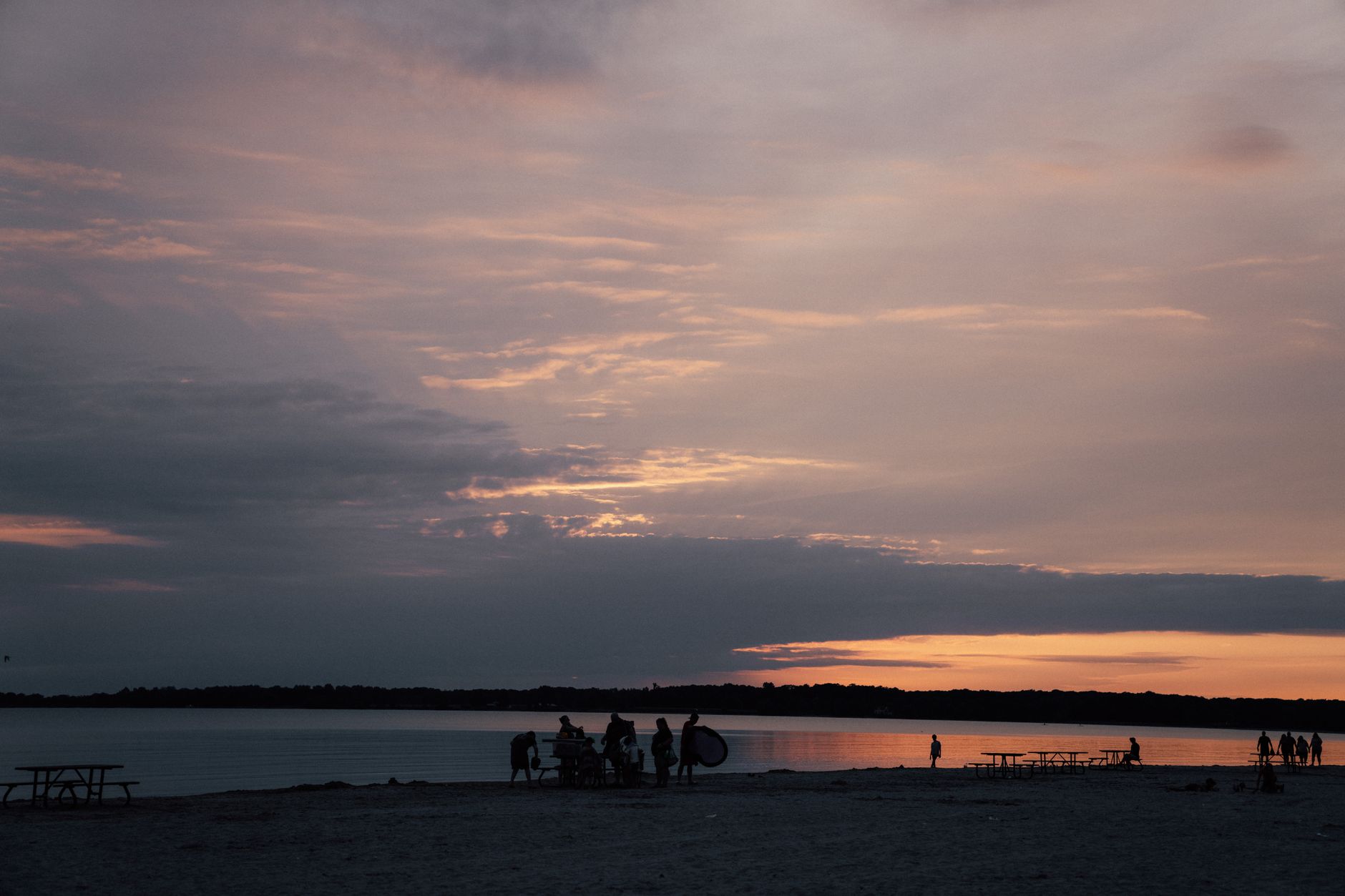
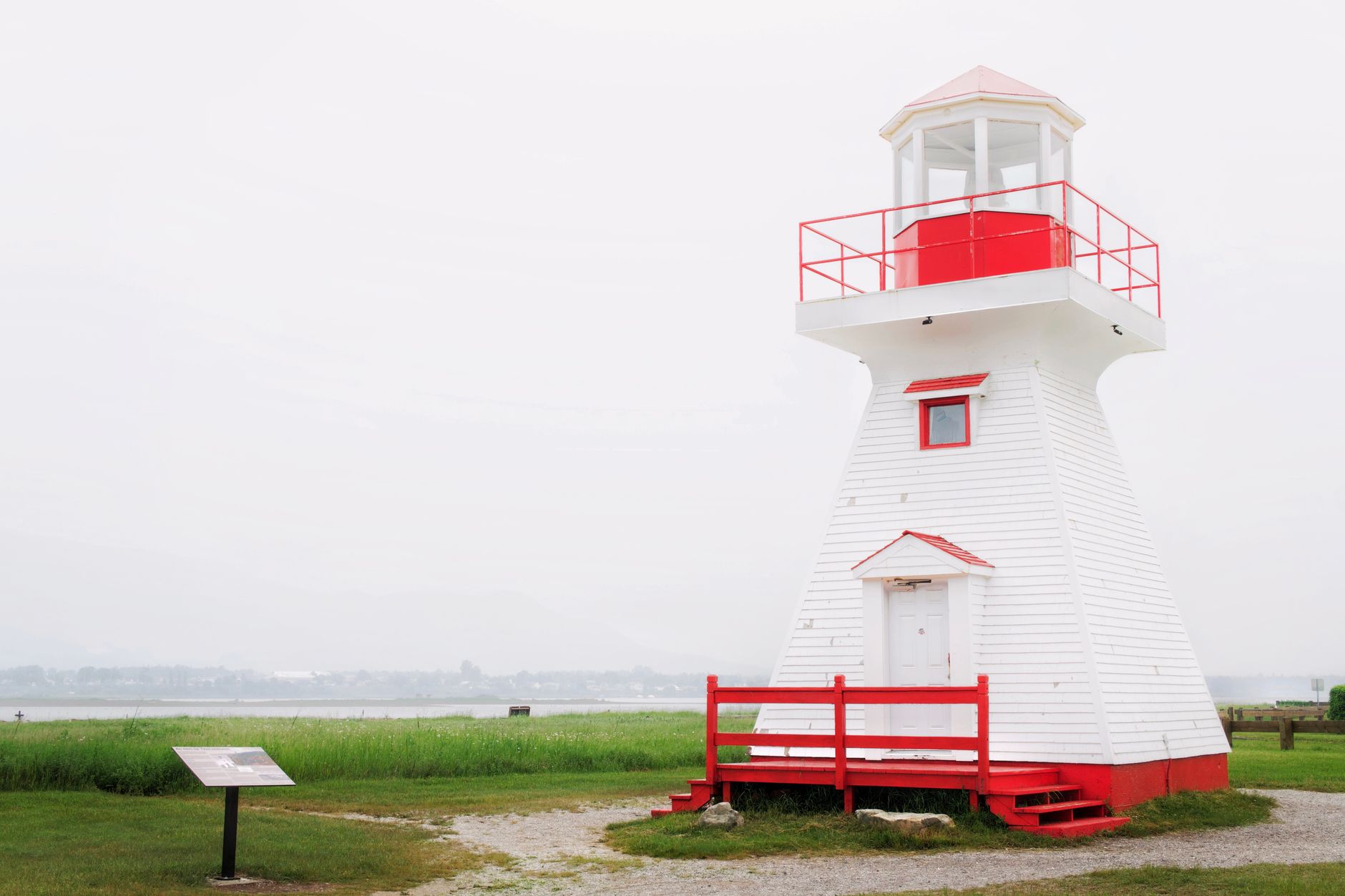
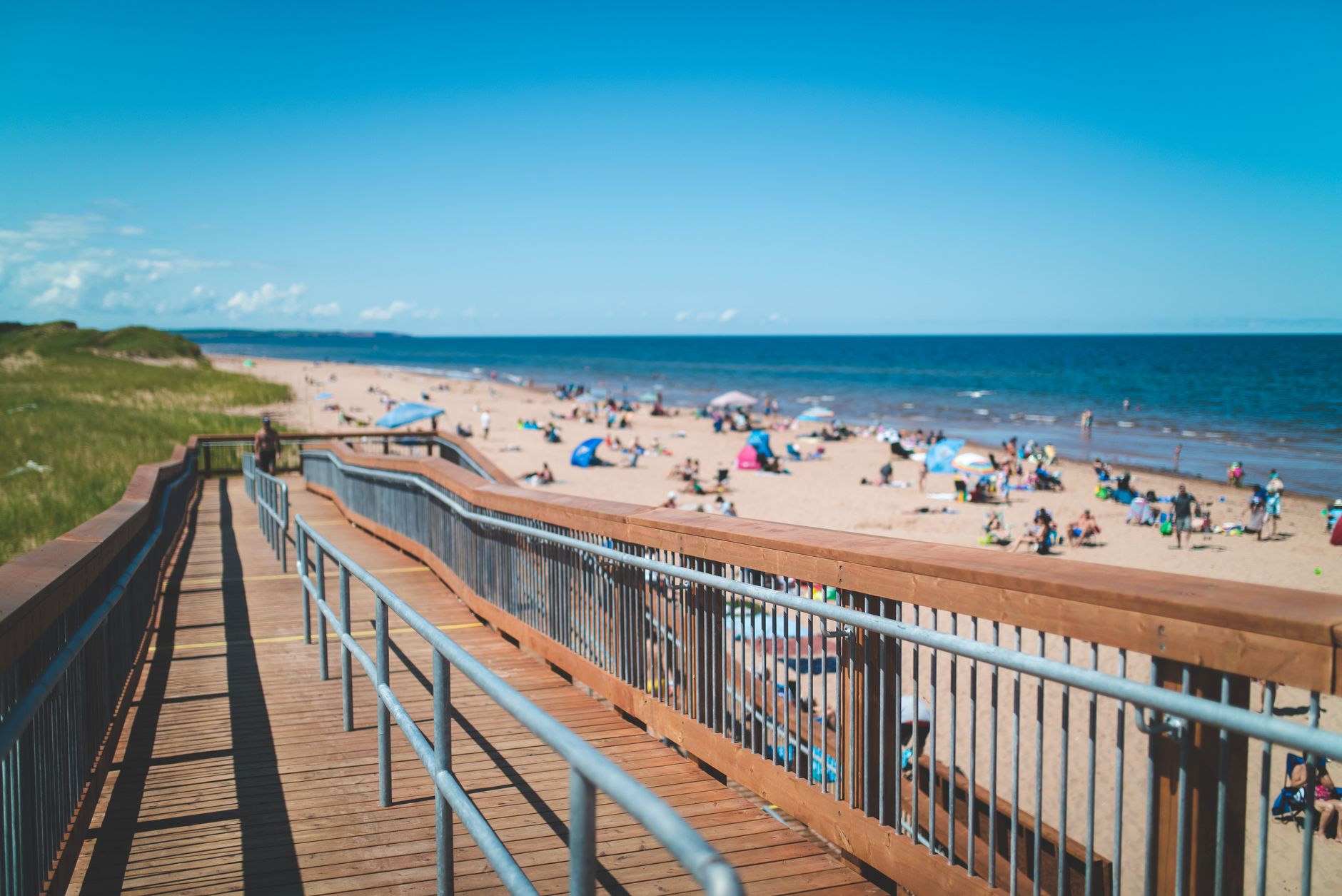
Prince Edward Island sits in the Gulf of St. Lawrence like a long red comma — its defining color comes from the iron oxide in the soil, which stains the beaches, the cliffs and the unpaved back roads a shade somewhere between rust and brick. The island is small enough to drive end to end in a few hours, yet varied enough to hold working fishing harbors, rolling farmland, dune-backed national park beaches and a compact capital city all within the same afternoon.
The Mi'kmaq called it Epekwitk — cradle on the waves — and the name still fits. Life here moves at a pace set by tides and growing seasons. Lobster, potatoes and Anne of Green Gables are not clichés so much as genuine organizing principles of the place.
💛 What travellers fall for
People who come back tend to time it around the lobster suppers — church halls and community centers serving fixed-price meals that have nothing to do with fine dining and everything to do with eating well. Rent a car, take the red-dirt side roads toward the north shore, and leave at least one morning free for the Confederation Trail before the cyclists arrive.
How Prince Edward Island came to be
Long before European maps named it anything, the island belonged to the Mi'kmaq, whose name for it — Epekwitk — predates every colonial boundary. Jacques Cartier recorded it in 1534. The French established their first settlement, Port la Joie, in 1719, and the island passed to British control after the Île Saint-Jean Campaign of 1758. Renamed St. John's Island as a British colony in 1769, it took its current name in 1798.
Its outsized moment in Canadian history came in September 1864, when Province House in Charlottetown hosted the first meeting of what would become the Confederation process — the gathering that eventually produced Canada in 1867. PEI itself held out until 1873 before joining, arriving late to a country it had helped conceive.
Who and what shaped it
People who shaped it
Landmark buildings
See Prince Edward Island in motion
Plan your visit
On the map
When to go
Summers are warm and short — genuinely pleasant through July and August, with sea breezes keeping the heat manageable. Spring lingers cool well into June, and autumn arrives early and sharply; winters are long, cold and ice-locked, which is precisely why Confederation Bridge was engineered to cross ice-covered water.
Right now
Background & history adapted from Wikipedia (CC BY-SA) · specs from Wikidata (CC0) · weather from Open-Meteo · map data © OpenStreetMap contributors · photos from Wikimedia Commons / Unsplash with per-image credit. No third-party reviews or social posts reproduced.