
Toronto
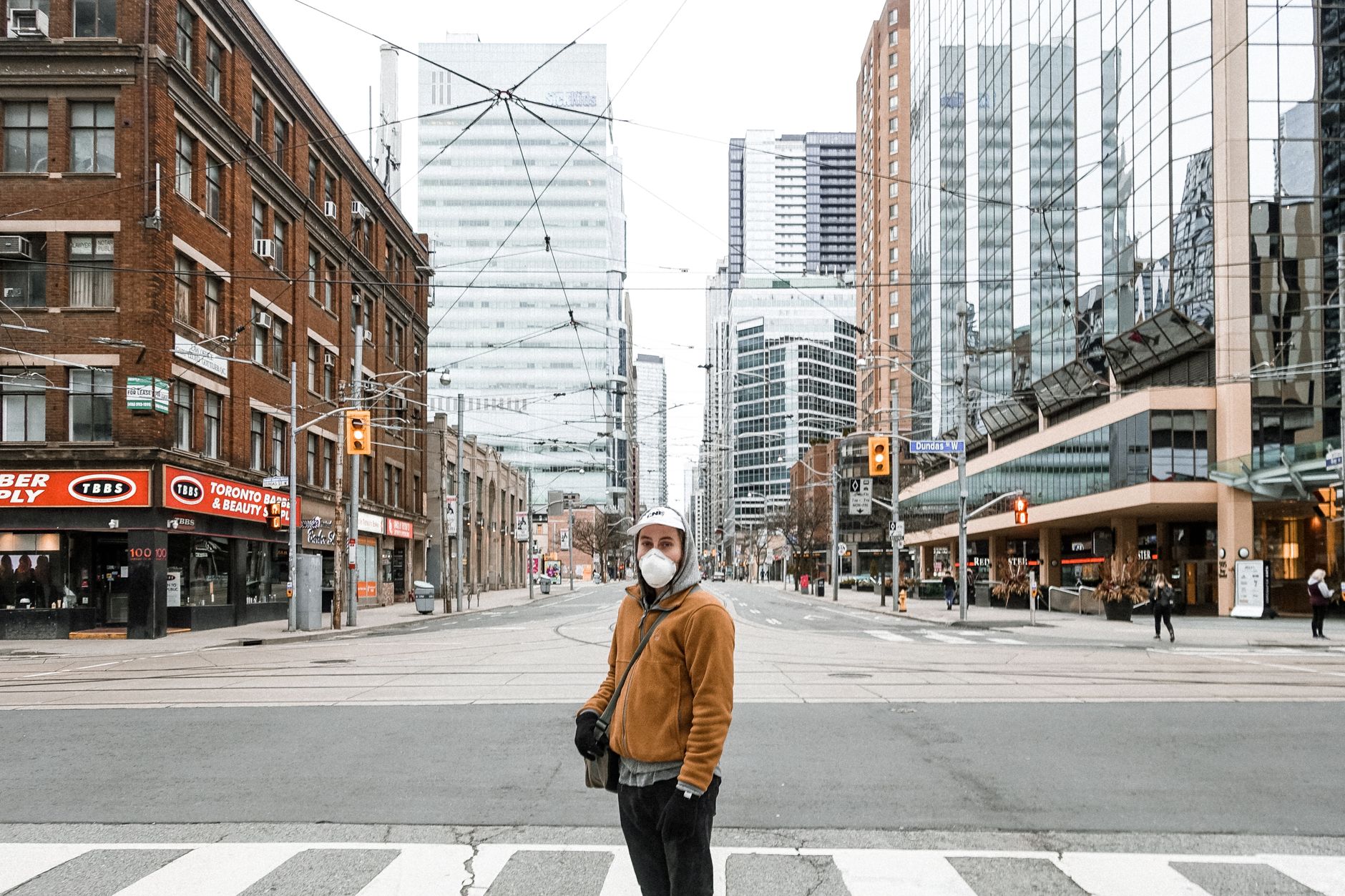


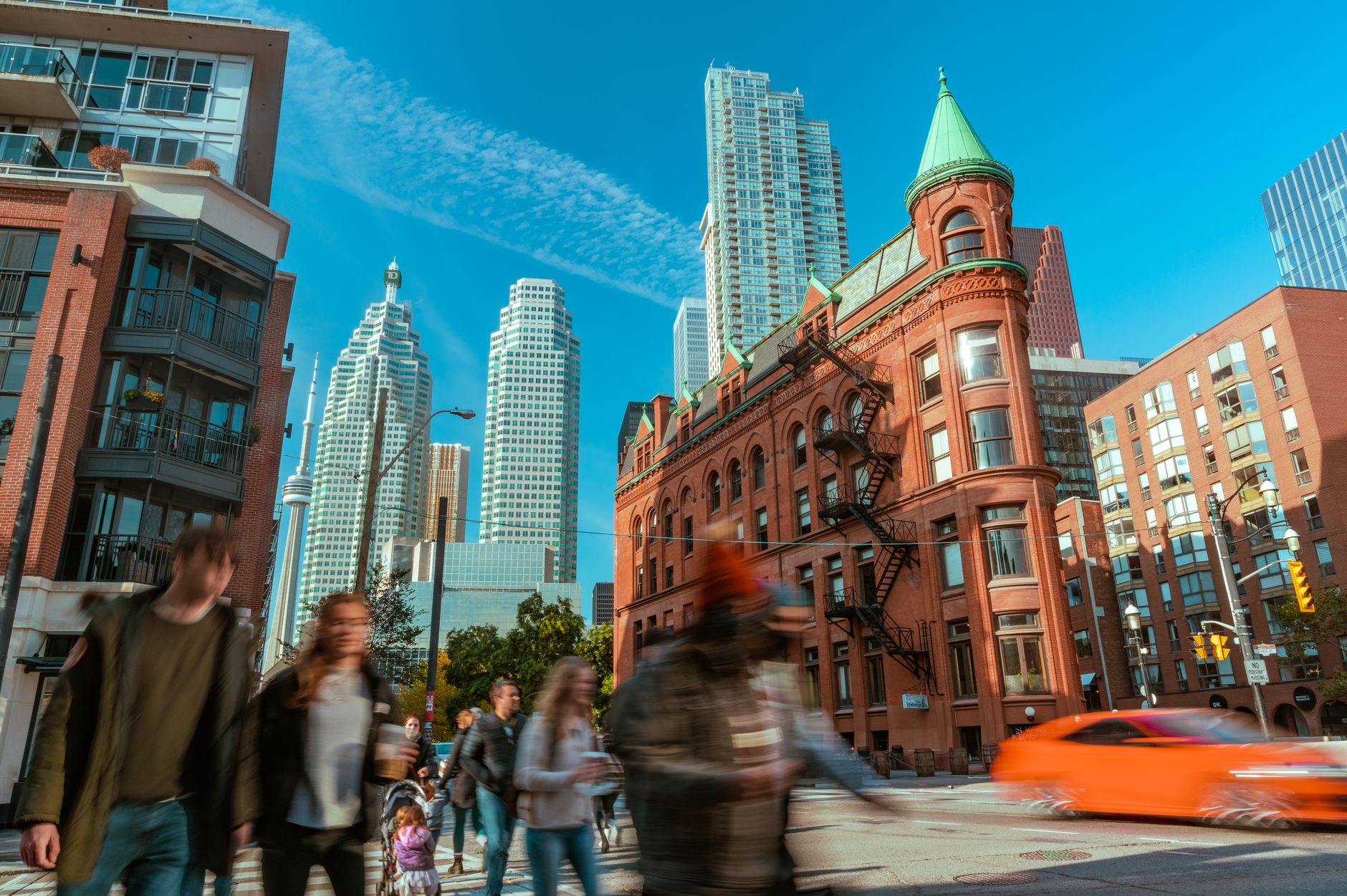
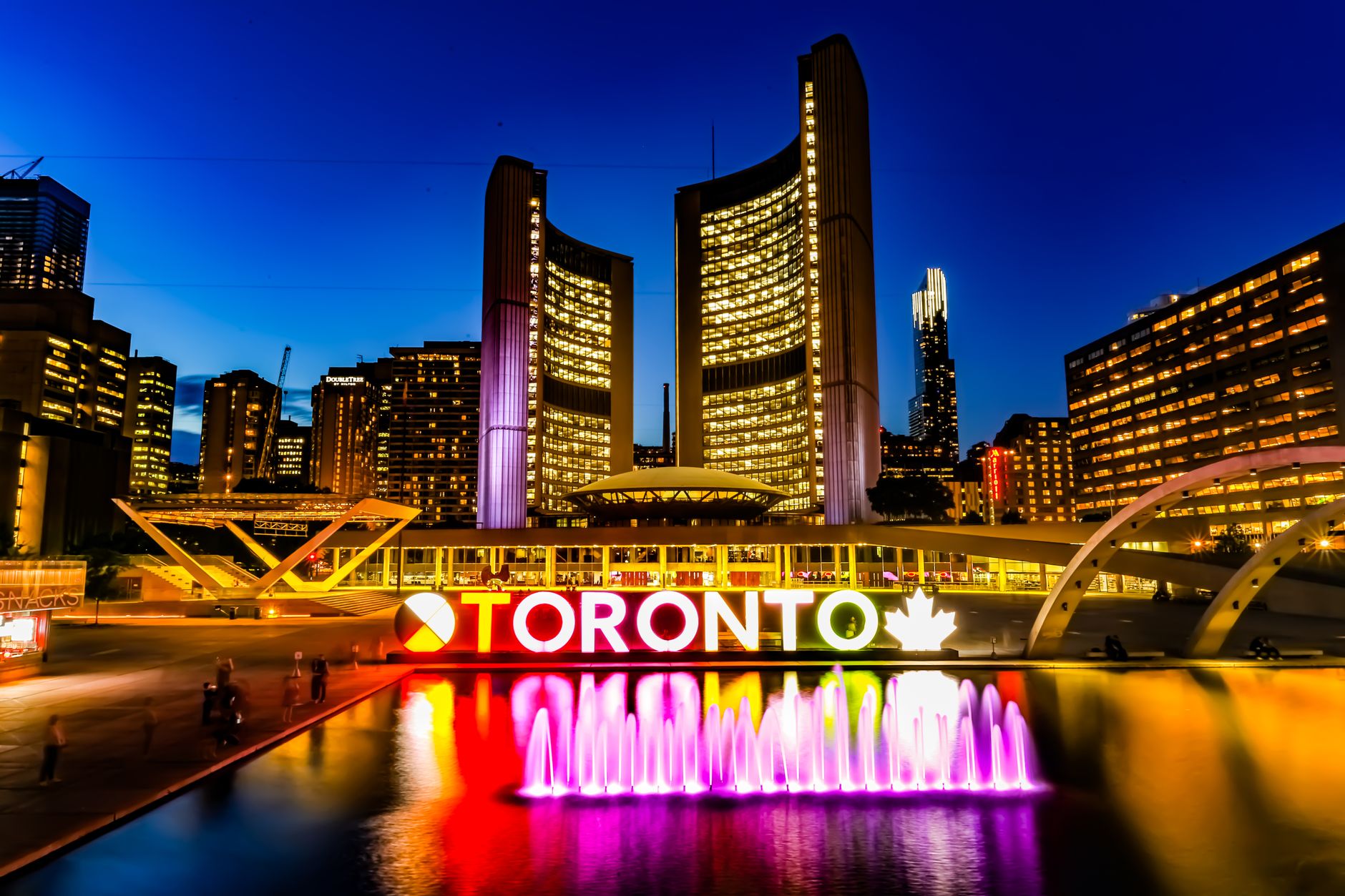
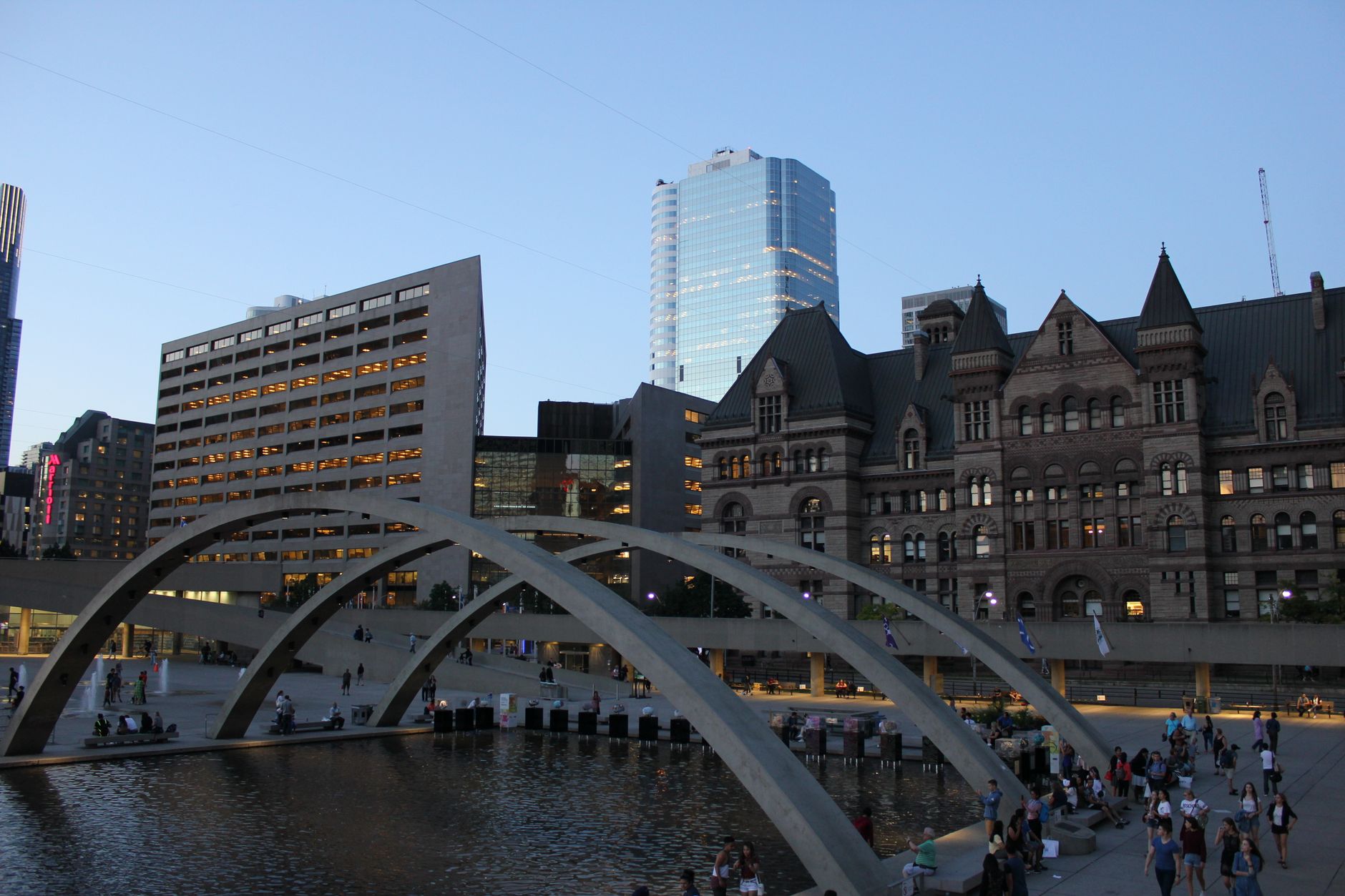
Toronto sits on the northwestern shore of Lake Ontario, a city big enough that its skyline — the CN Tower standing 553 metres above the old Railway Lands — reads as a landmark from the water long before you arrive. It is Canada's largest city and Ontario's capital, and it carries both roles with a certain matter-of-fact energy: serious about food, serious about hockey, serious about getting on with things.
The city is a practical base for exploring a wide arc of Ontario and beyond, but it rewards time spent within its own limits — along the Scarborough Bluffs, through the 1904 fire-rebuilt downtown, or simply riding the streetcar west on Queen Street as the neighbourhoods change around you.
💛 What travellers fall for
People who come back tend to load the PRESTO card immediately — the $6 reusable transit card that unlocks the subway, streetcars, and buses in one tap — and treat Union Station as the logical centre of gravity. They also learn to hit the CN Tower before 11 AM or after 7 PM, when the observation deck thins out and Lake Ontario stretches unobstructed to the horizon.
How Toronto came to be
The land was sold to the British Crown by the Mississaugas in the Toronto Purchase, and in July 1793 Lieutenant-Colonel John Graves Simcoe — Upper Canada's first lieutenant-governor — chose the site as a temporary capital, naming it York. Fort York went up that same year to guard the harbour entrance. The Americans took the town during the War of 1812, occupying it for two weeks after the Battle of York.
York was renamed and incorporated as the City of Toronto in 1834. It became Ontario's provincial capital at Confederation in 1867, then lost much of its commercial core to the Great Fire of 1904, which was followed by a rapid rebuilding in brick and stone. In 1998, six surrounding municipalities amalgamated into a single City of Toronto — the shape the city holds today.
Who and what shaped it
People who shaped it
Landmark buildings
See Toronto in motion
Plan your visit
On the map
When to go
Winters run late November through mid-March and are genuinely cold — January averages around -3°C with nighttime lows near -6°C, comparable to Oslo. Spring and autumn are mild and the most comfortable seasons for walking the city; summers are warm and humid, with Lake Ontario keeping temperatures from swinging too far in either direction.
Right now
Background & history adapted from Wikipedia (CC BY-SA) · specs from Wikidata (CC0) · weather from Open-Meteo · map data © OpenStreetMap contributors · photos from Wikimedia Commons / Unsplash with per-image credit. No third-party reviews or social posts reproduced.