
Jasper National Park, Alberta
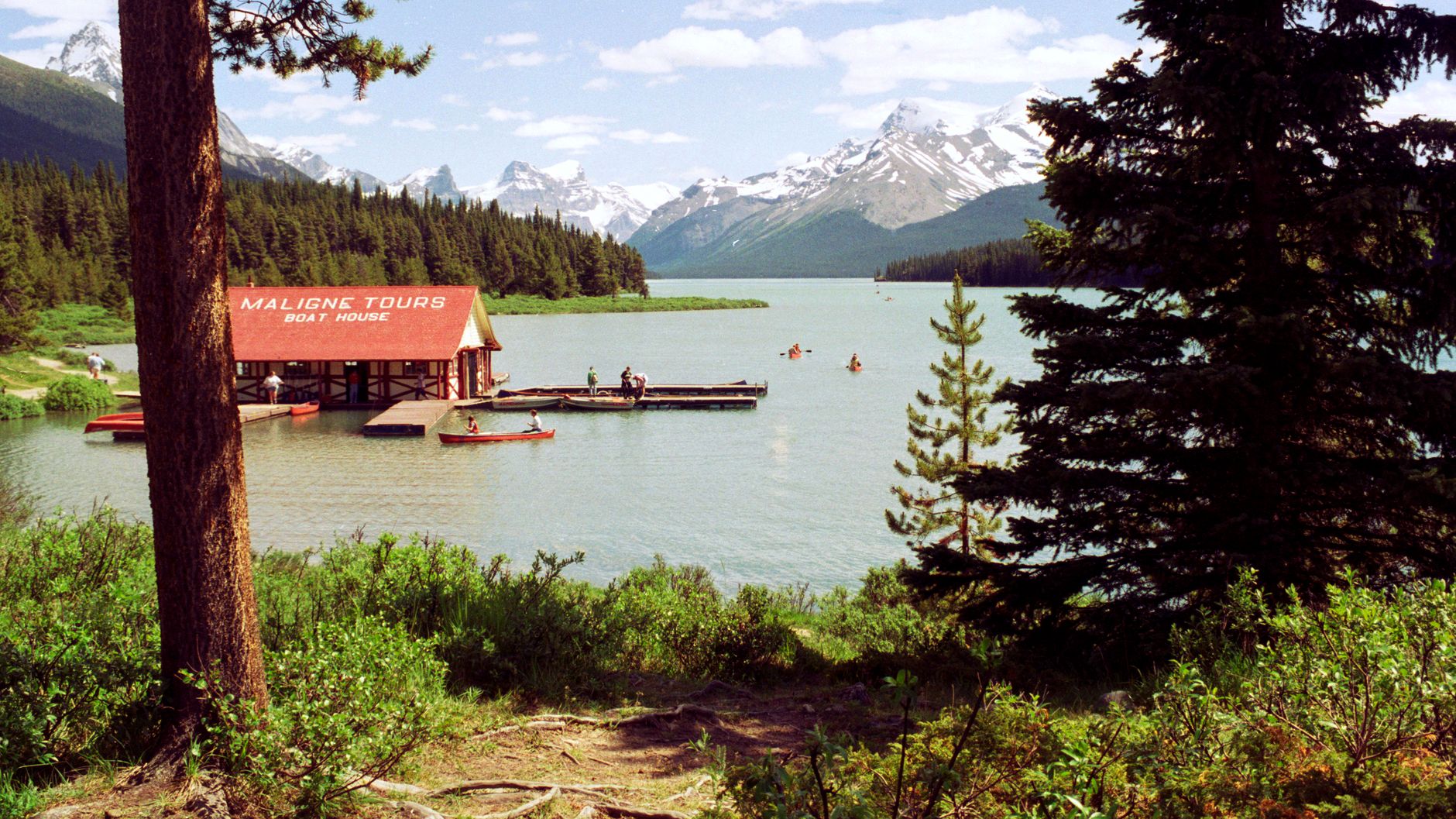
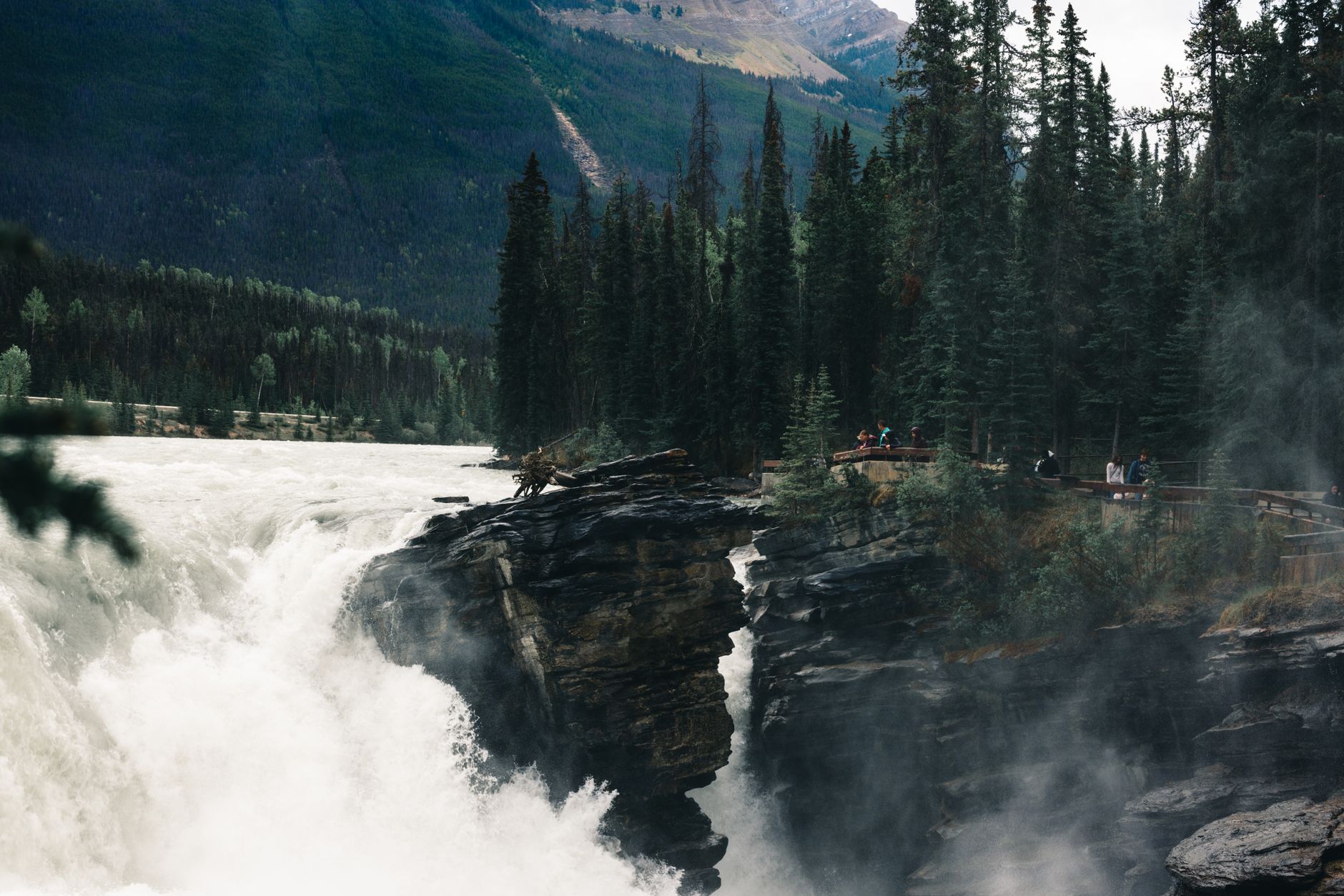
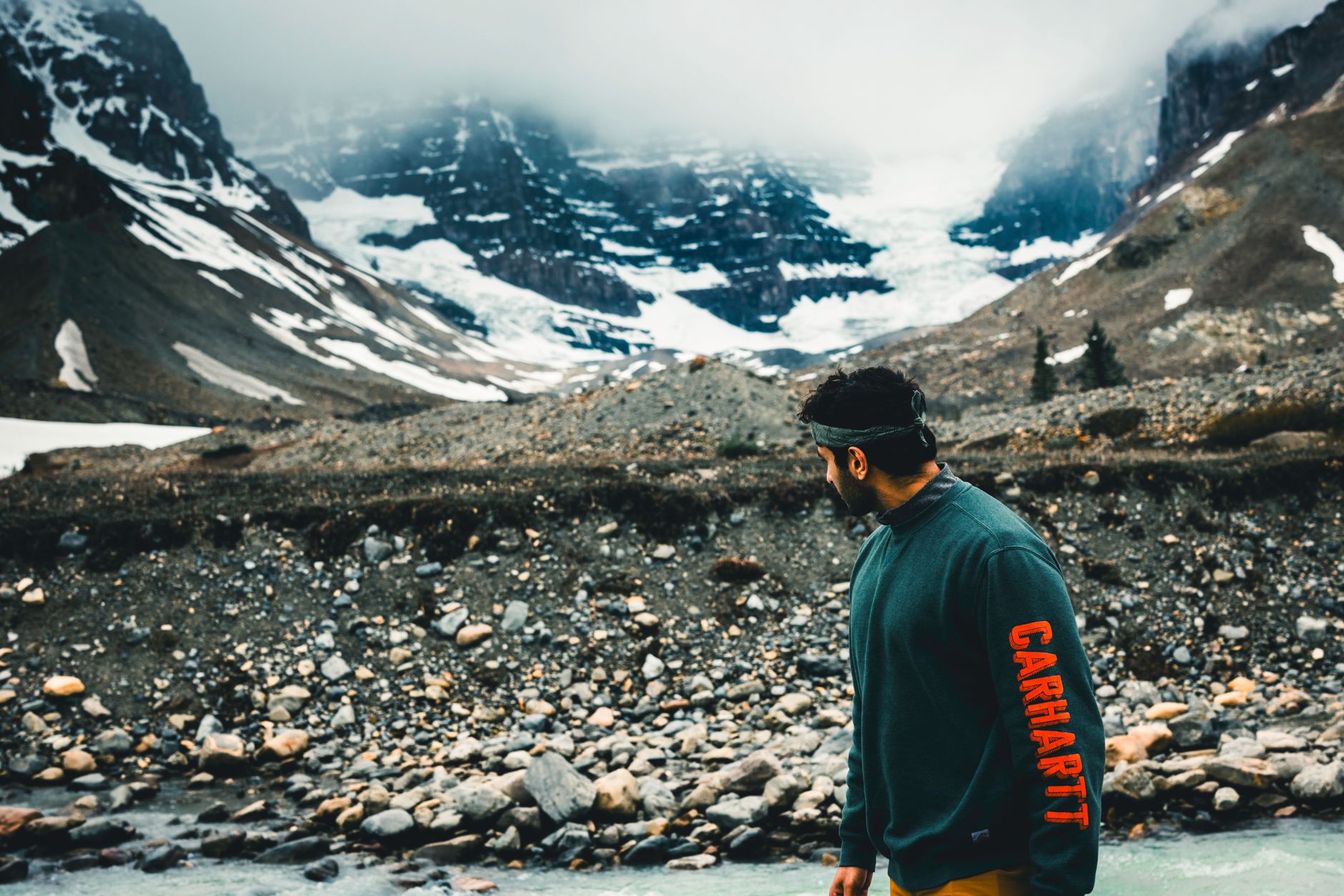
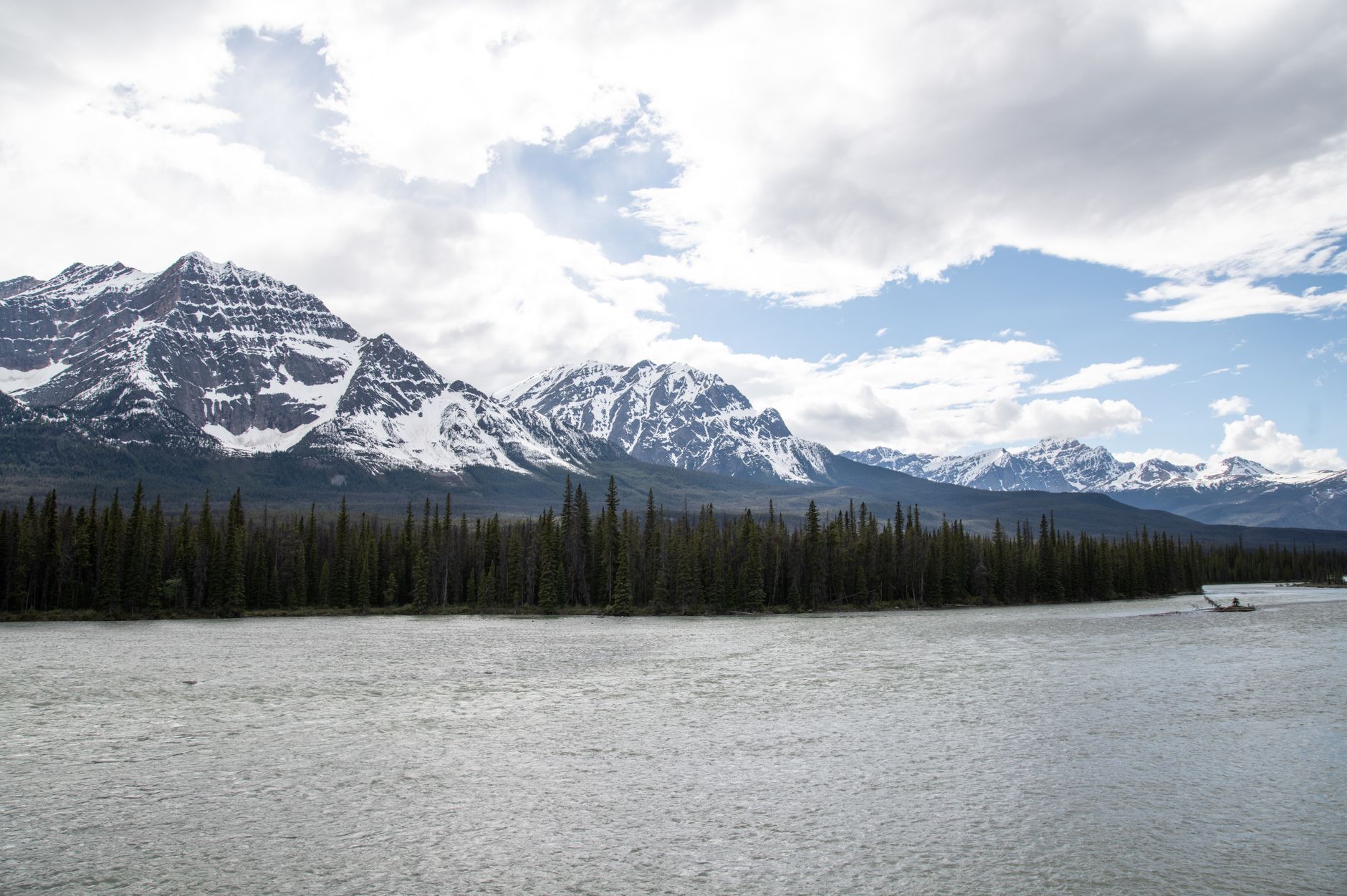
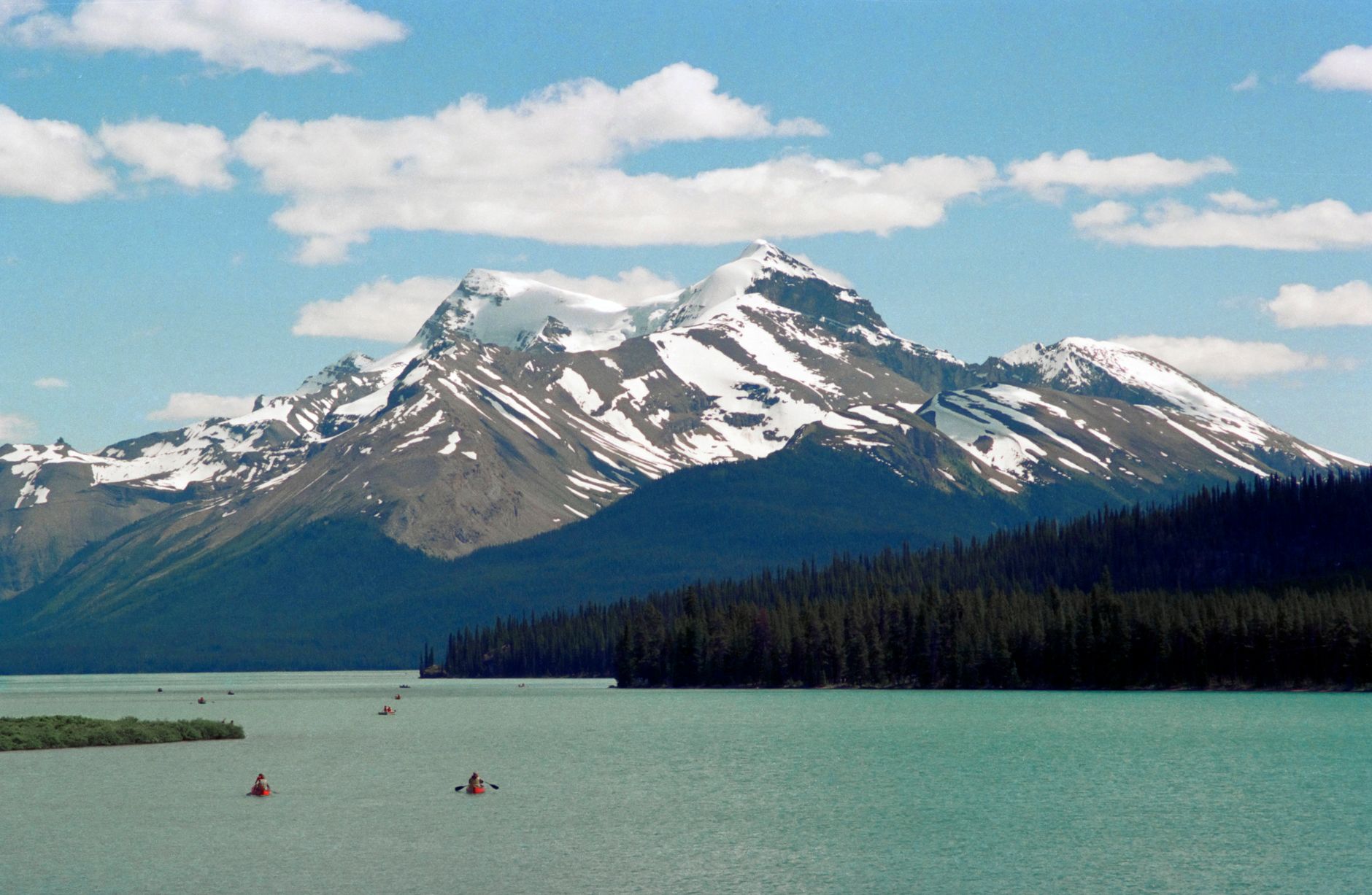
The number that stops you is 10,878 square kilometres — the size of Jasper National Park, and the reason you can drive the Icefields Parkway for two hours without seeing another car. This is Canada's largest Rocky Mountain park, a UNESCO World Heritage Site since 1984, where the Columbia Icefield sits at the continental divide and drains into three separate oceans, and where Spirit Island floats in the glacier-fed silence of Maligne Lake.
In July 2024, wildfire swept through the townsite, destroying a third of its buildings. Jasper is rebuilding, and the park itself — the mountains, the ice, the elk on the road at dusk — remains open and intact.
How Jasper National Park, Alberta came to be
A federal order-in-council on September 14, 1907 created Jasper Forest Park — Canada's fifth national park — though its first boundaries were so narrow, just 16 kilometres either side of the new Grand Trunk Pacific Railway, that Maligne Lake and the Columbia Icefield fell outside them. That error was corrected in 1914. The park's name traces back to Jasper Haws, a Maryland-born fur trader who took command of a North West Company post in 1817; the post, known ever after as Jasper's House, gave its name to the surrounding country.
Long before any of this, people were here: projectile points at Jasper Lake date to 8,000 BCE. David Thompson crossed Athabasca Pass in 1810–11, opening the northern route through the Rockies. The Canadian National Railway built Jasper Park Lodge in 1922, and by 1940 the Icefields Parkway connected Jasper to Banff, threading the landscape that the park's first superintendent, S. Maynard Rogers, had worked to give a coherent architectural identity.
Who and what shaped it
People who shaped it
Landmark buildings
See Jasper National Park, Alberta in motion
Plan your visit
On the map
When to go
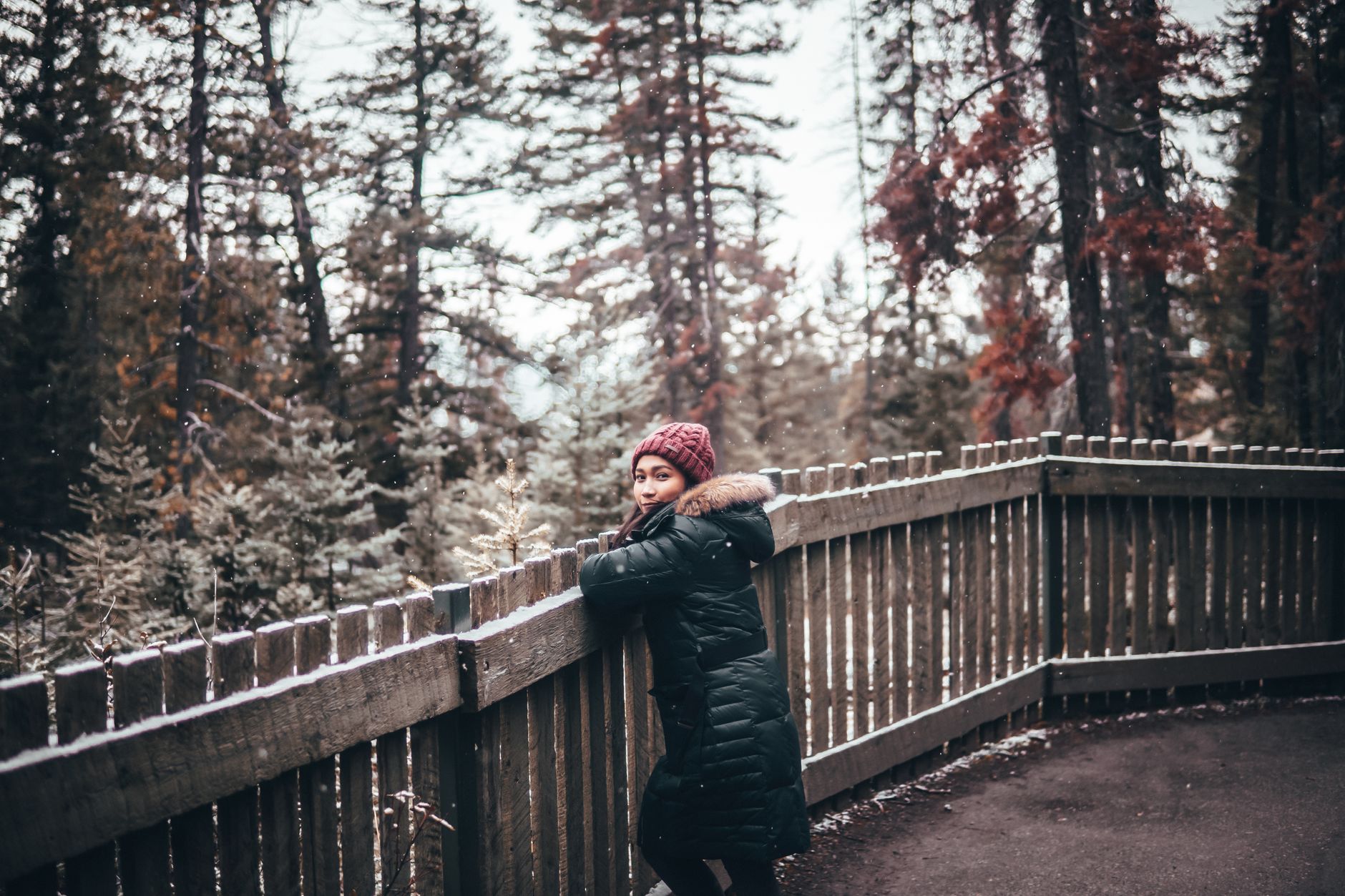
Winters are cold and long, with heavy snowfall making the park a serious backcountry ski destination but closing many roads. Summers are short and can shift quickly — afternoon thunderstorms are common in July and August, and snow is possible at elevation any month of the year.
Right now
Background & history adapted from Wikipedia (CC BY-SA) · specs from Wikidata (CC0) · weather from Open-Meteo · map data © OpenStreetMap contributors · photos from Wikimedia Commons / Unsplash with per-image credit. No third-party reviews or social posts reproduced.