
Churchill, Manitoba
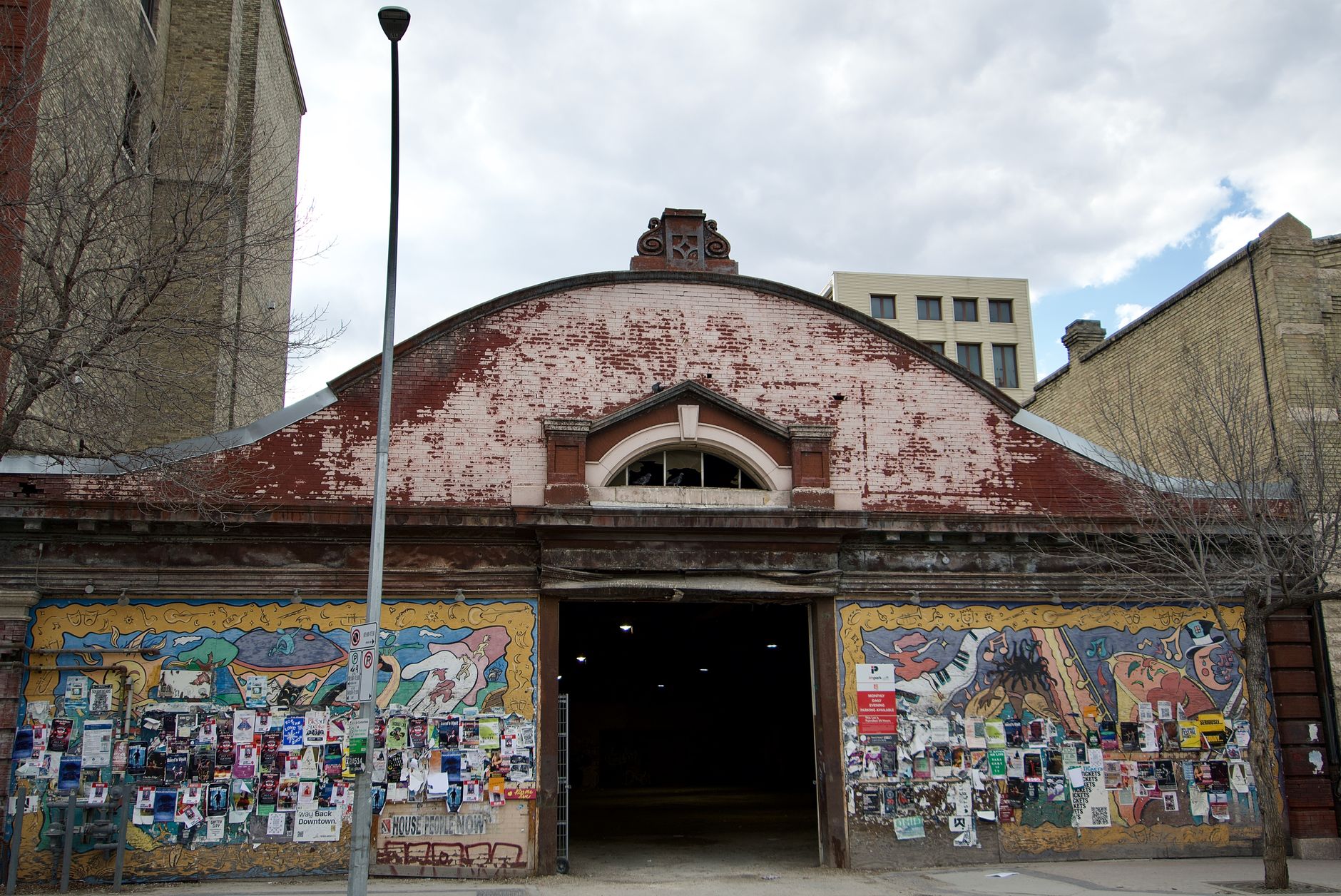
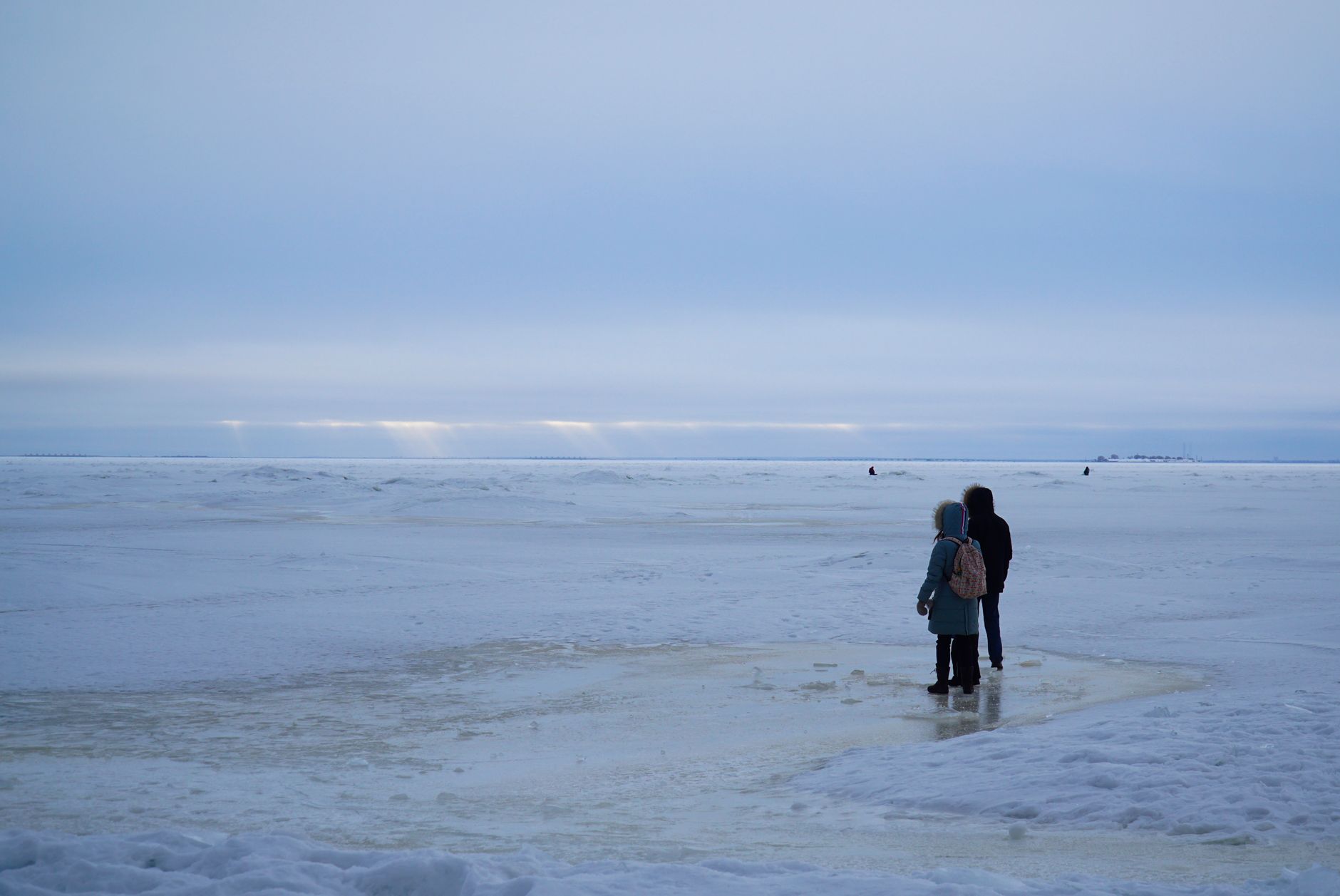

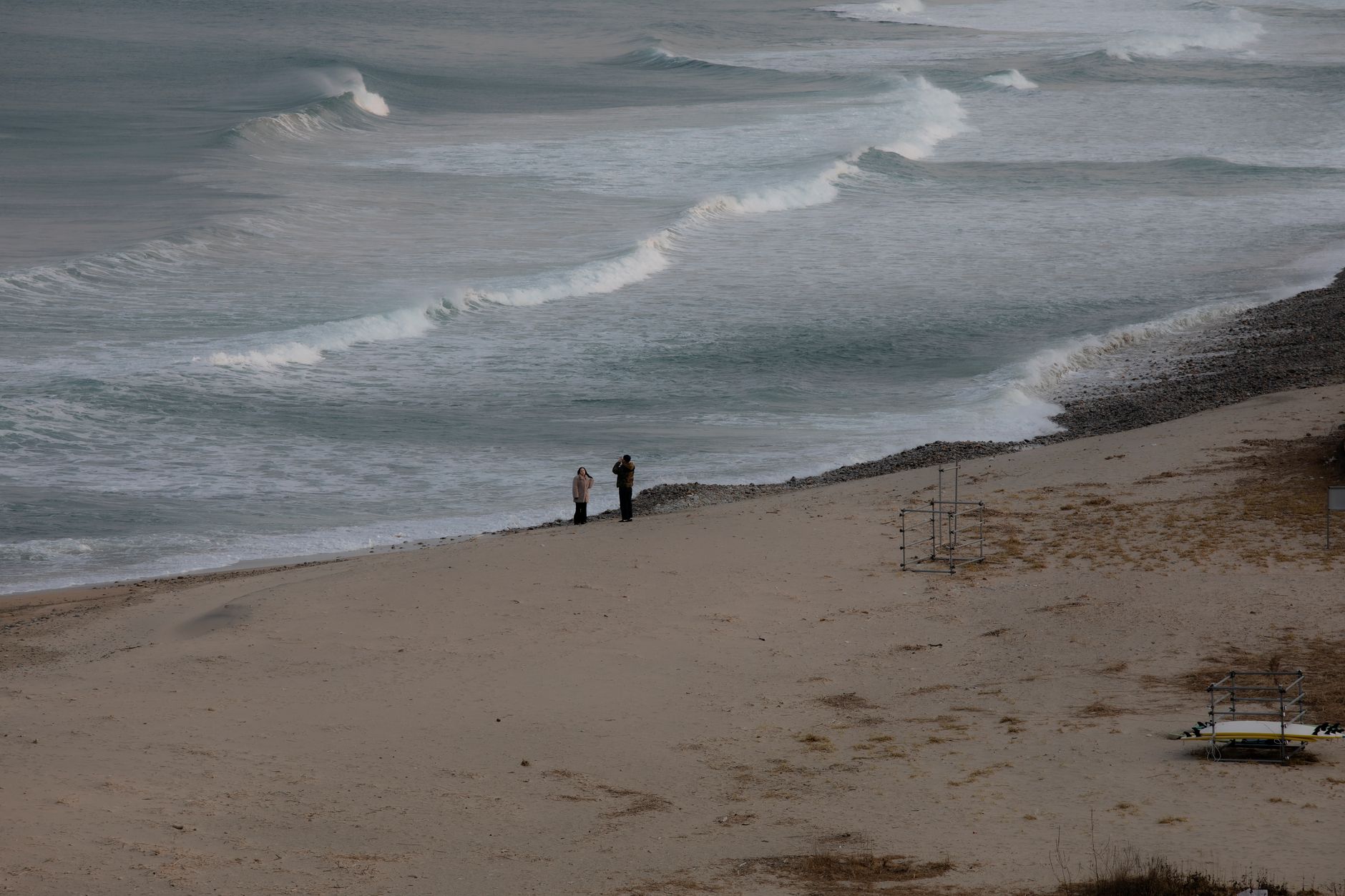
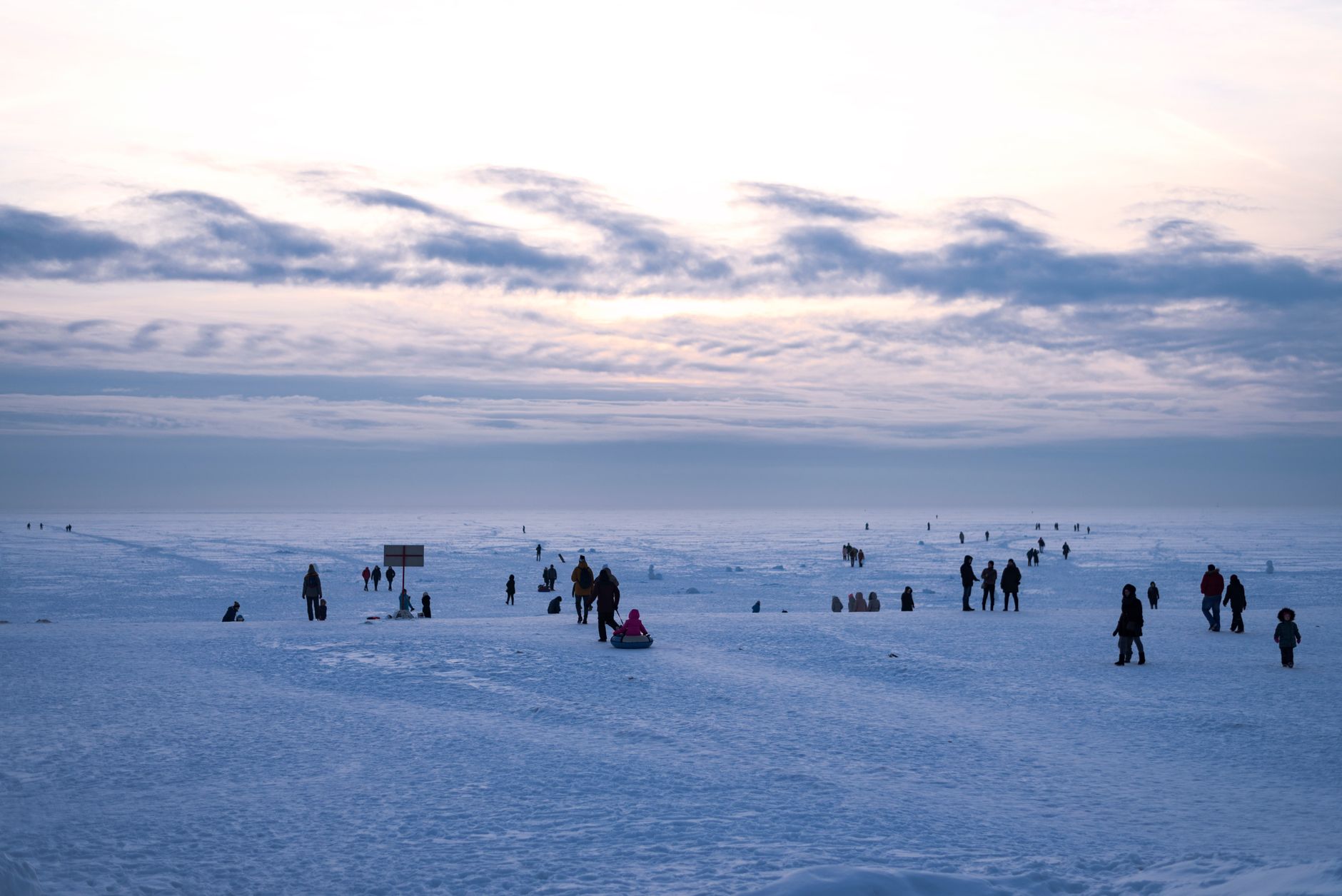
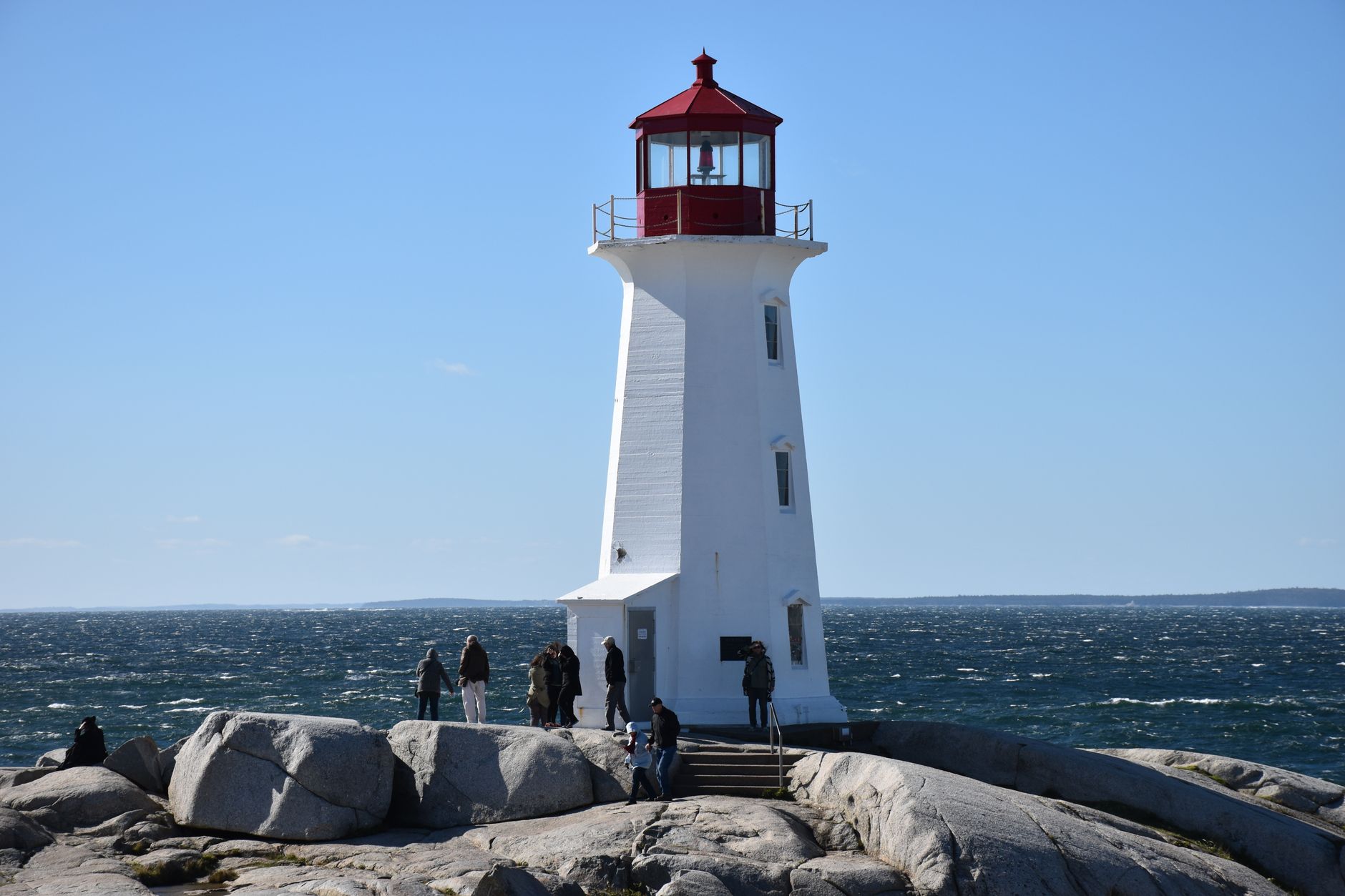
Churchill sits at the edge of Hudson Bay, roughly a thousand kilometres north of Winnipeg, reachable only by air or a long VIA Rail journey across the boreal plain. There are no roads in. That deliberate difficulty is part of what it is.
Each autumn, polar bears gather along the shore here waiting for the bay to freeze — a migration pattern that has drawn around eight thousand visitors a year in October and November alone. But Churchill is more than a single season or a single species: it sits on one of the world's great beluga whale corridors, under skies that produce reliable northern lights, and above a coastline that holds centuries of wreckage, stone fortresses, and Inuit carving traditions still very much alive.
💛 What travellers fall for
People who come back tend to time one trip for bears in late October and another for belugas in July, when thousands of the white whales gather in the Churchill River estuary. They also mention the Itsanitaq Museum as the quiet discovery — over 850 Inuit carvings in a room most first-timers walk past too quickly.
How Churchill, Manitoba came to be
The Churchill River mouth has been a difficult place to survive. In 1619, Danish explorer Jens Munck wintered here with 61 men; all but two died of scurvy and cold. The Hudson's Bay Company arrived later, establishing Fort Prince of Wales in 1731 — a stone star-fortress that took forty years to build and fell without a shot fired when three French warships appeared in 1782.
The modern town dates to 1931, founded as the terminus of the Hudson Bay Railway, completed two years earlier to connect the grain prairies to an Arctic seaport. The U.S. Air Force built infrastructure here during World War II, and Churchill later hosted a rocket research range through the 1970s. Tourism, centred on the polar bear migration, took hold in the 1980s and has shaped the town ever since.
Who and what shaped it
People who shaped it
Landmark buildings
See Churchill, Manitoba in motion
Plan your visit
On the map
When to go
Winters are severe and long, with temperatures regularly dropping below -30°C. Summer is brief and mild, with July averaging around 12°C — cool enough for layers even on clear days. The aurora season runs roughly from late August through April, with the darkest, coldest months offering the clearest skies.
Right now
Background & history adapted from Wikipedia (CC BY-SA) · specs from Wikidata (CC0) · weather from Open-Meteo · map data © OpenStreetMap contributors · photos from Wikimedia Commons / Unsplash with per-image credit. No third-party reviews or social posts reproduced.