
Ottawa
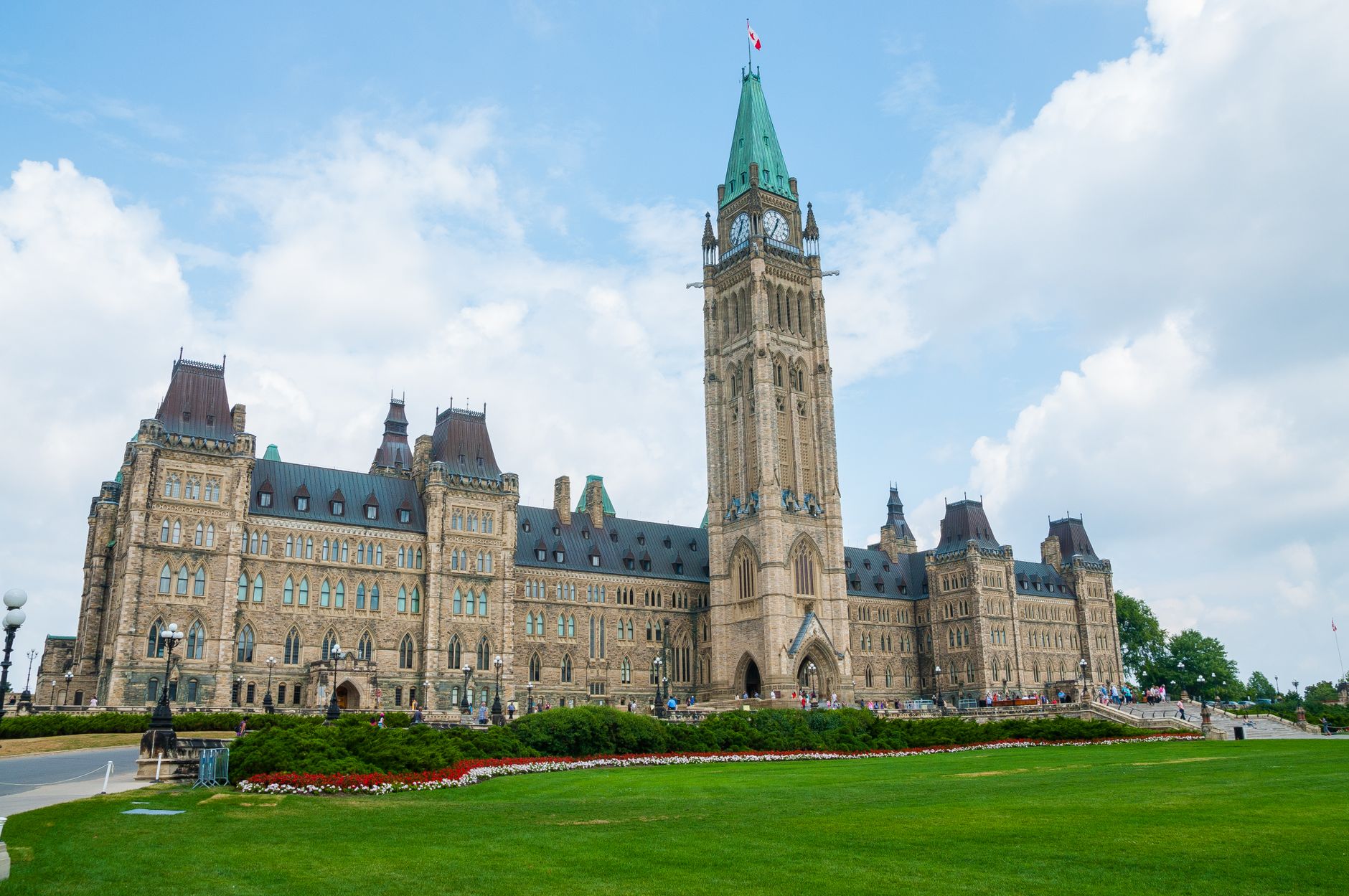
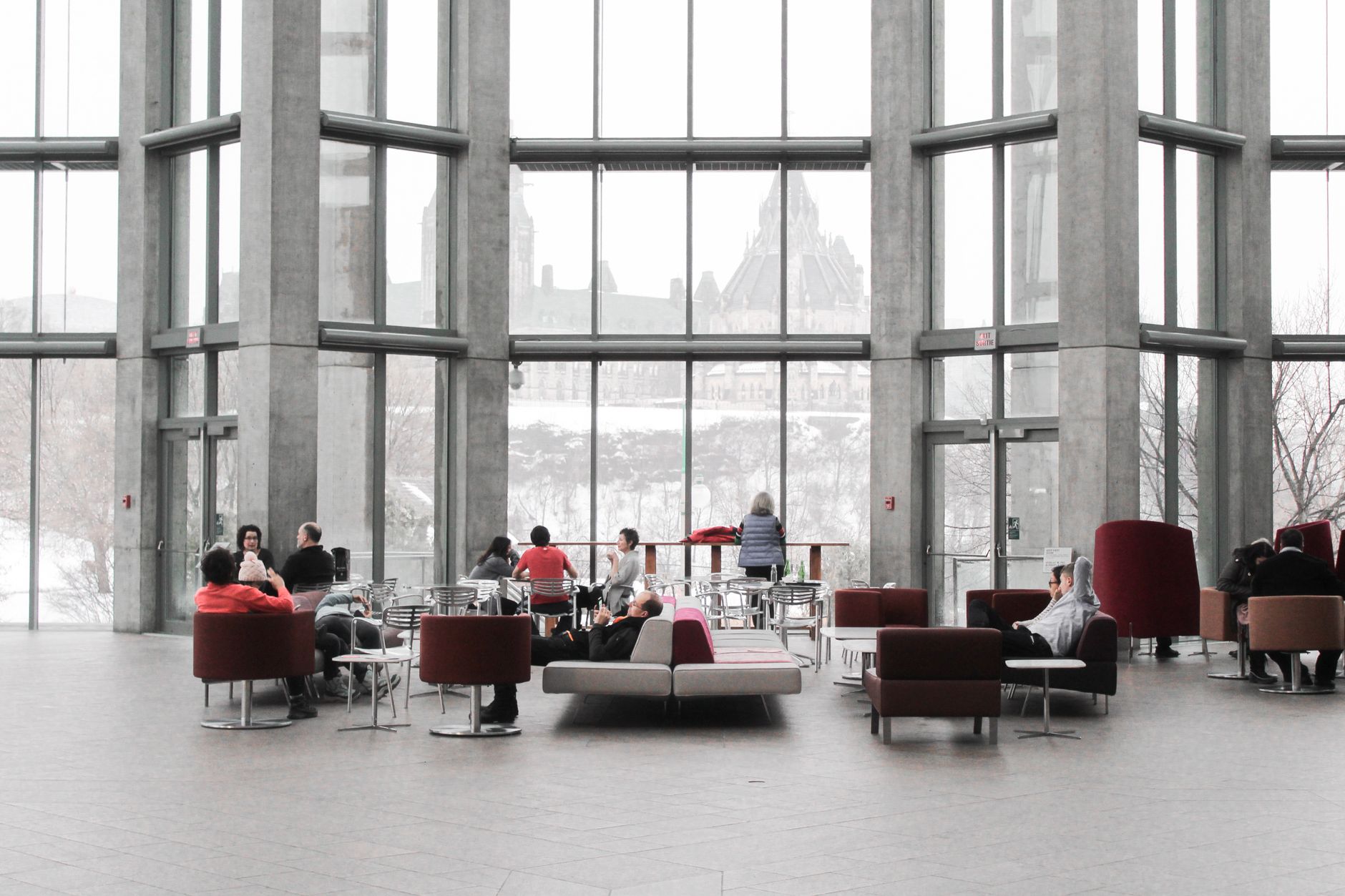
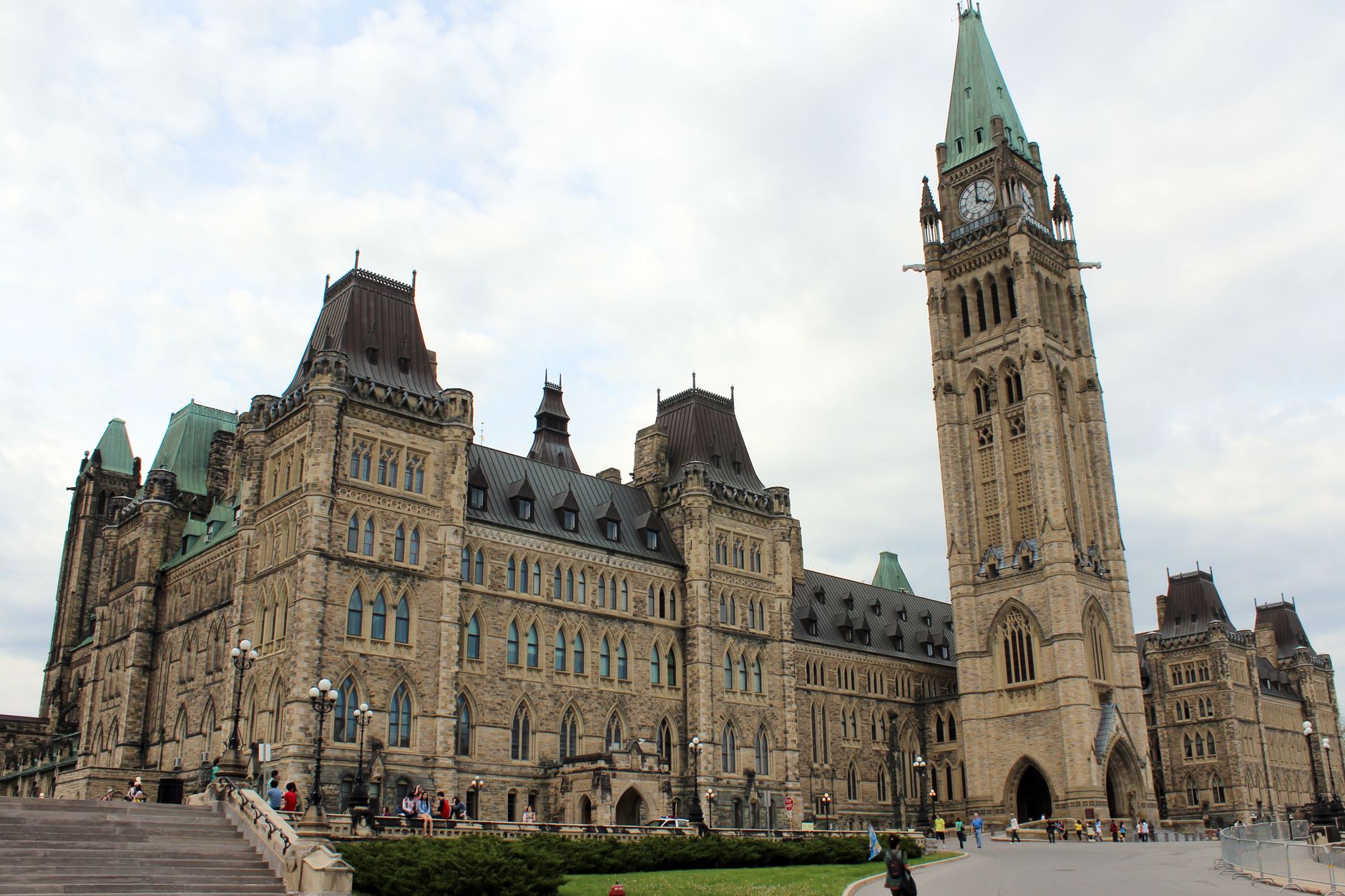
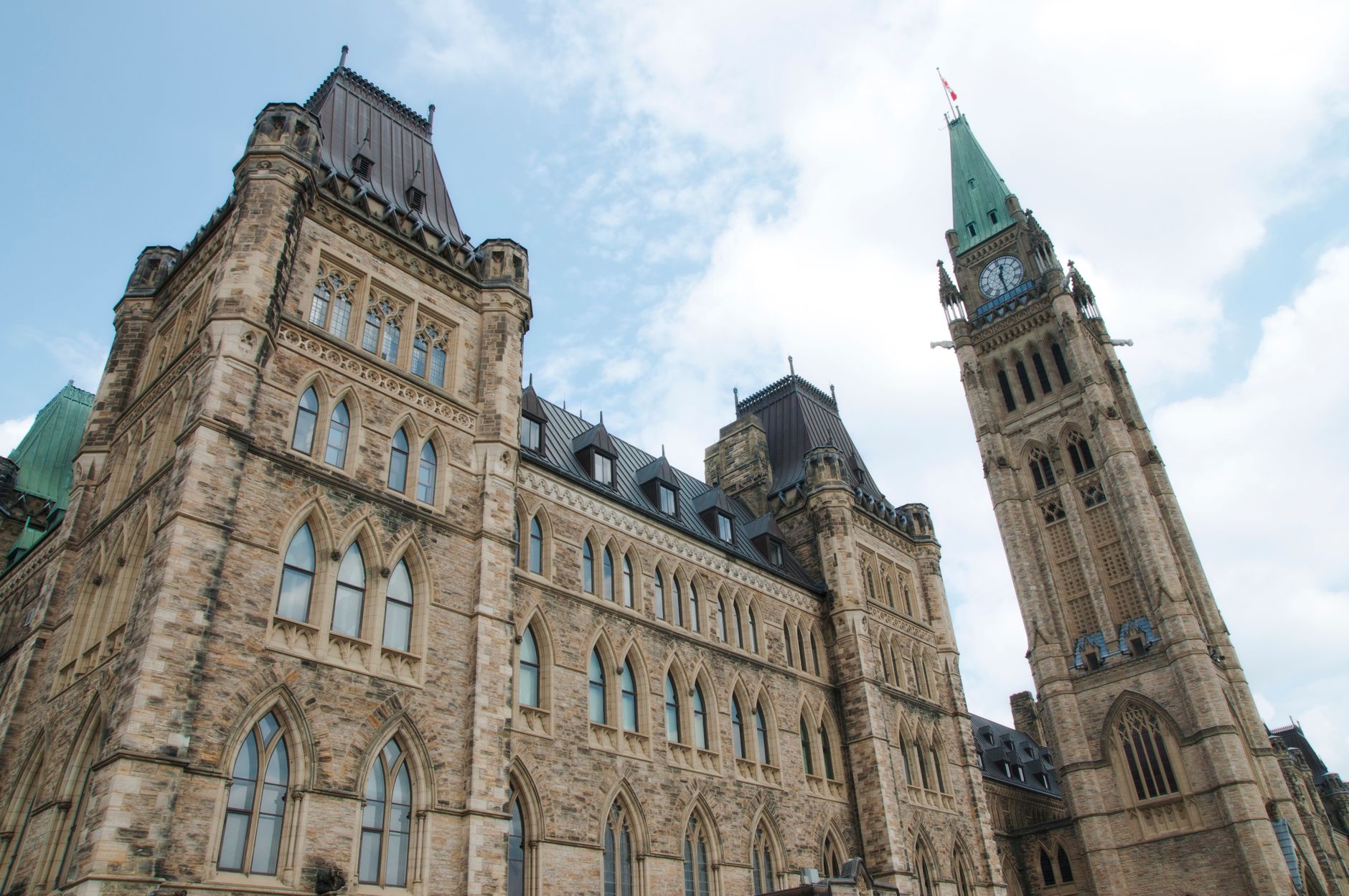
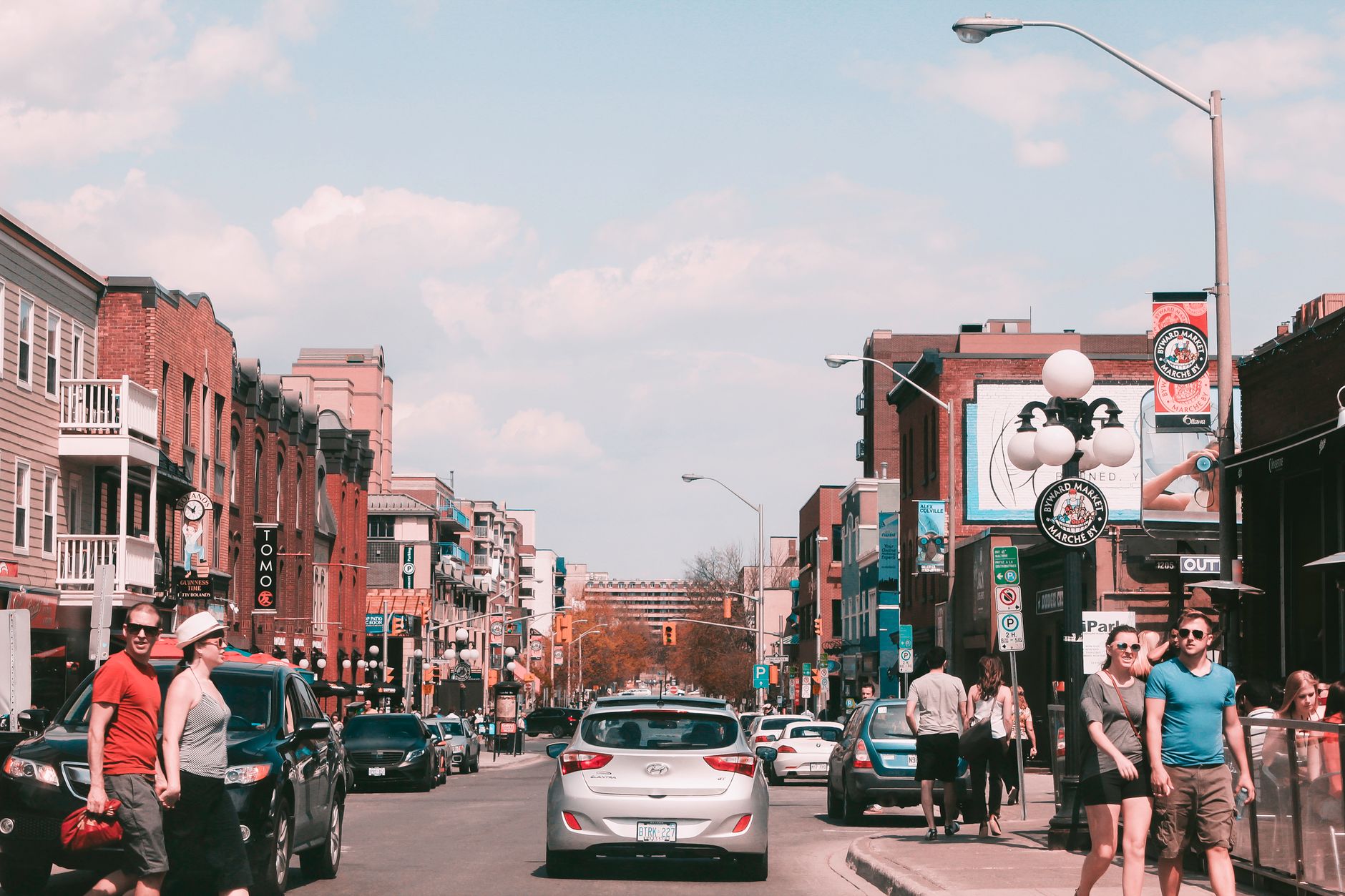
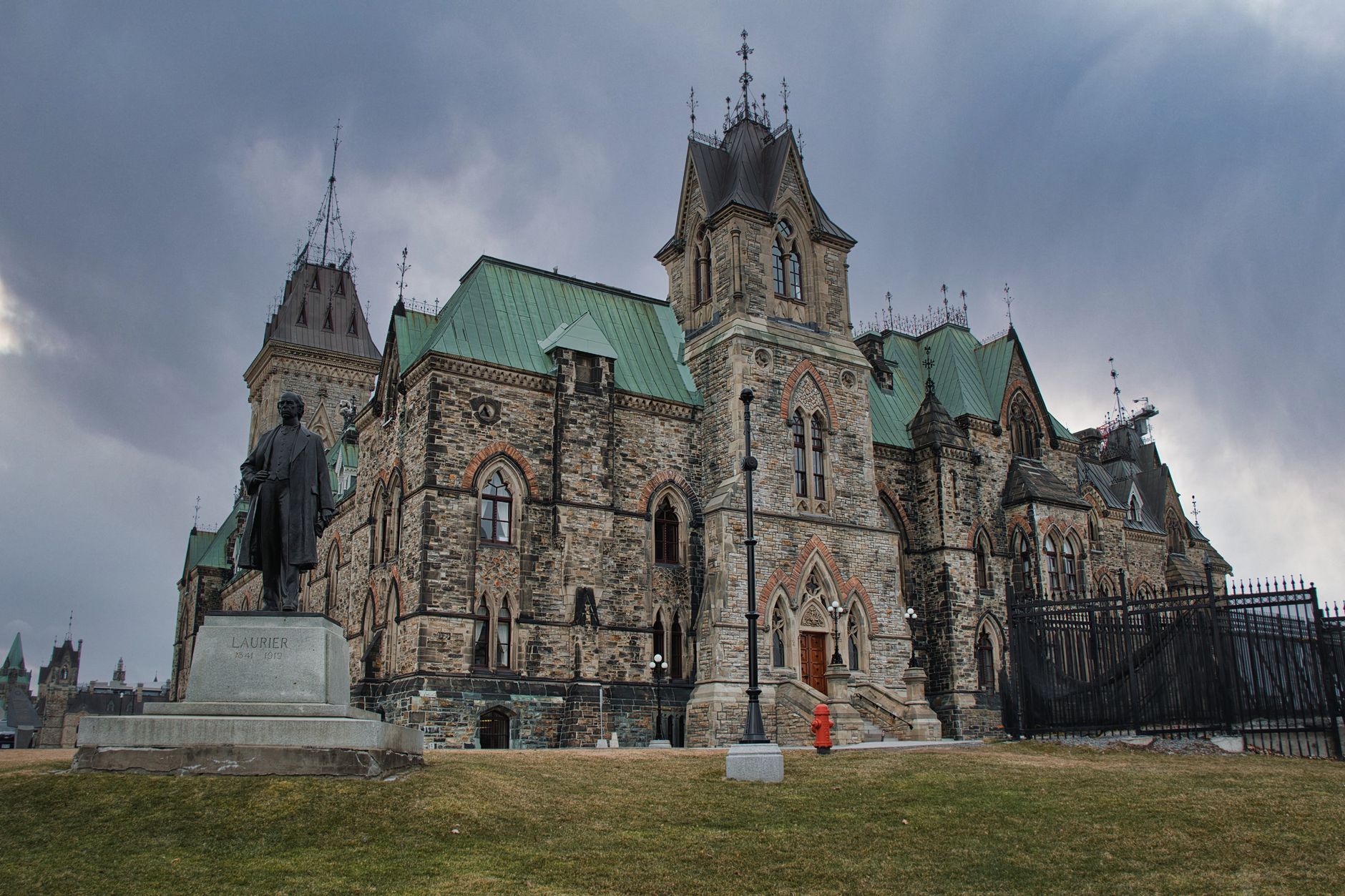
Ottawa began as a construction camp — a rough settlement of British military engineers and labourers hacking a canal through the wilderness — and that practical, purposeful DNA never quite left. Today it holds the institutions that define Canadian public life: Parliament Hill's Gothic Revival towers, the National Gallery, the War Museum, the National Arts Centre. The city works hard and takes its role seriously, which means world-class collections are often free or nearly so, and the streets around the Hill carry real political weight.
The Rideau Canal, which started everything, still runs through the centre of the city. In winter it freezes into the longest skating surface of its kind in the world. In summer it's a greenway threading parks and locks built in the 1820s.
💛 What travellers fall for
People who come back tend to time a visit around the summer sound-and-light show on Parliament Hill — free, bilingual, projected onto the stone itself after dark. They also learn quickly that the O-Train's Confederation Line is the easiest way between the major museum clusters, and that the East Block tours reward patience more than the Centre Block does right now.
How Ottawa came to be
The place now called Ottawa was founded in 1826 as Bytown, named for Lieutenant Colonel John By, the British military engineer who supervised construction of the Rideau Canal — a strategic waterway linking the Ottawa River to Kingston. The canal workers and their families became the town's first permanent population.
Bytown was renamed Ottawa and incorporated as a city on January 1, 1855. Two years later, it was chosen as the capital of the United Province of Canada, and from 1867 it served the new Dominion. Parliament Hill's four Gothic Revival buildings — designed by Thomas Fuller and Chilion Jones after winning a competition in 1859 — opened in 1866. A fire in 1916 destroyed the Centre Block; the rebuilt version, designed by John A. Pearson and J.O. Marchand in an austere Gothic, was completed with the Peace Tower in 1927, giving the Hill the skyline it carries today.
Who and what shaped it
People who shaped it
Landmark buildings
See Ottawa in motion
Plan your visit
On the map
When to go
Summers run warm and partly sunny, with July highs around 24°C — good for walking the Hill and the canal paths. Winters are genuinely cold, averaging around -10°C in January, with heavy snow and overcast skies; the upside is that the frozen Rideau Canal becomes one of the more unusual urban experiences in the country.
Right now
Background & history adapted from Wikipedia (CC BY-SA) · specs from Wikidata (CC0) · weather from Open-Meteo · map data © OpenStreetMap contributors · photos from Wikimedia Commons / Unsplash with per-image credit. No third-party reviews or social posts reproduced.