
Montréal
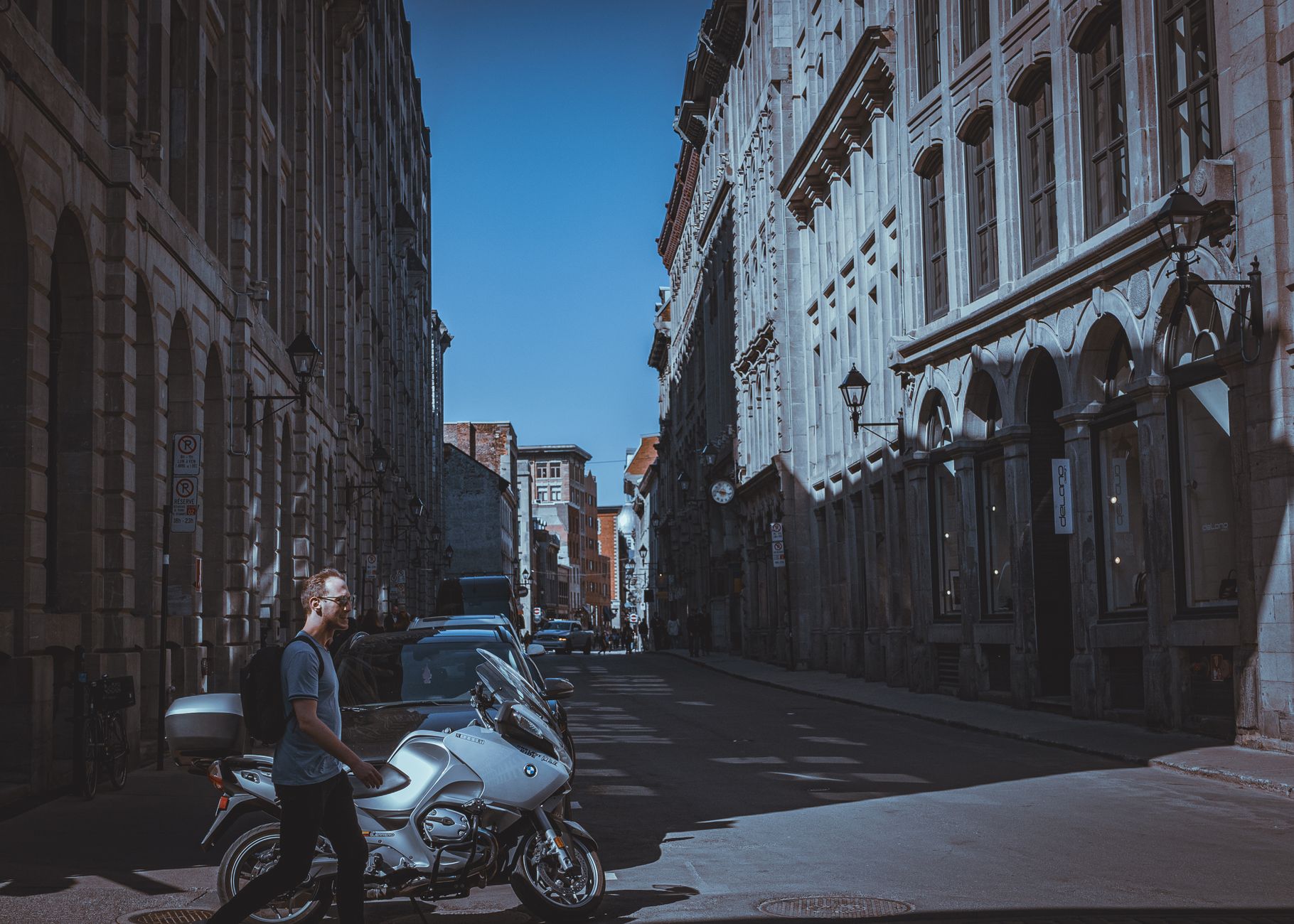

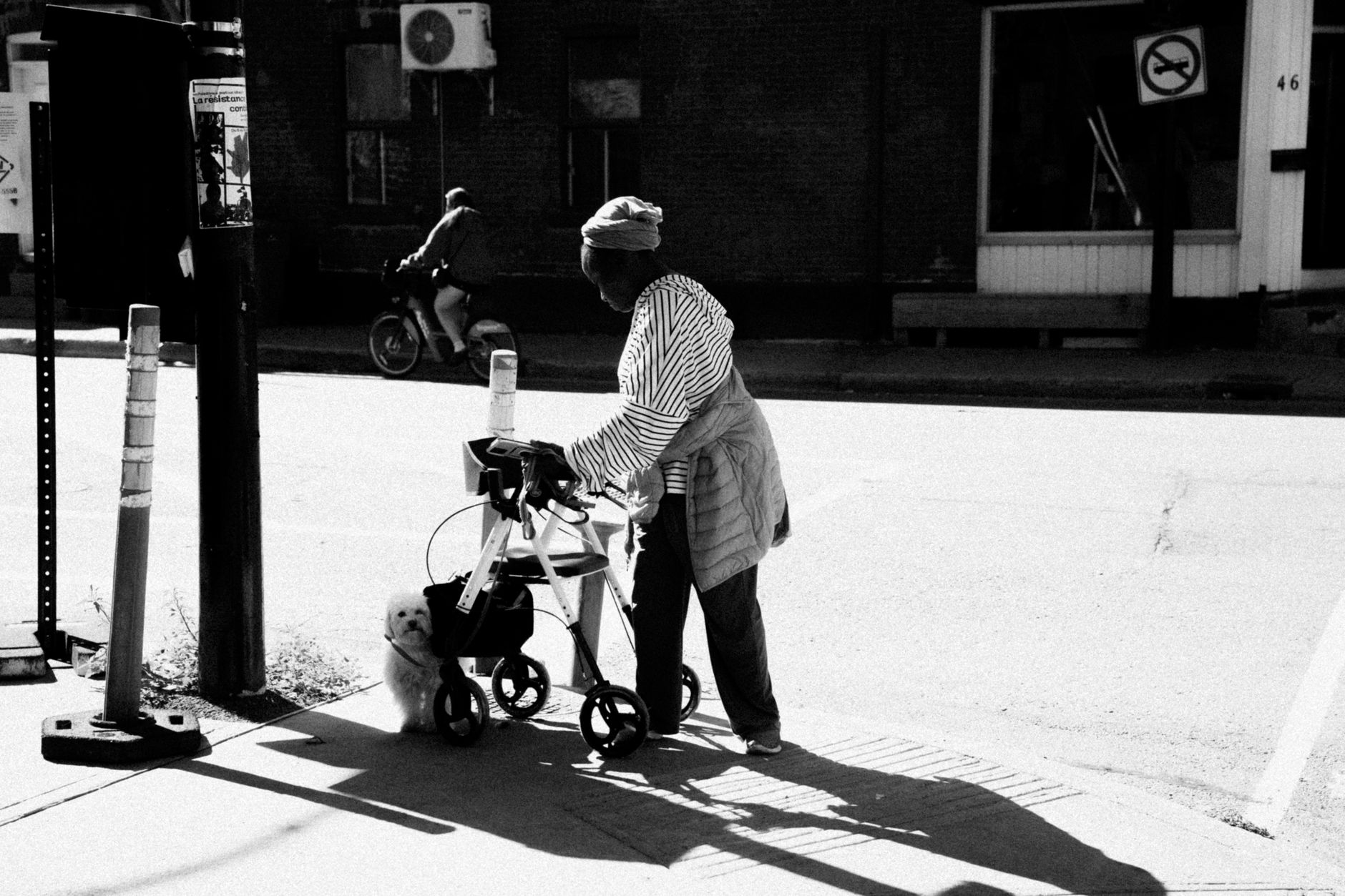

Montréal runs on a particular kind of confidence — the city that holds two languages in its mouth at once and doesn't consider that a problem. The spiral staircases that climb the front of almost every row house in the Plateau and Mile End aren't an architectural accident; they exist because interior space was taxed, exterior was not, and the city has been improvising its way through constraints ever since.
At its centre sits Mont Royal, the low volcanic hill Jacques Cartier named in 1535, still forested, still walked by anyone who needs to remember where they are. Around it, 68 metro stations and 33 underground kilometres of walkways mean the city keeps moving even when January drops to −25°C.
💛 What travellers fall for
People who come back tend to sort themselves by neighbourhood — Plateau for the staircases and terrasses, Mile End for the particular quality of a Sunday morning, Old Montréal for the cobblestones that make you slow down whether you planned to or not. Load an Opus card at any metro station; it works across the whole transit network and removes the one friction point.
How Montréal came to be
On May 17, 1642, Paul Chomedey de Maisonneuve and Jeanne Mance led a small group of French colonists ashore to found Ville-Marie — a Catholic missionary settlement dedicated to the Virgin Mary, with conversion rather than commerce as its stated purpose. That idealism didn't outlast the century; the settlement's position at the confluence of the St. Lawrence and Ottawa rivers made it an inevitable hub of the fur trade.
Jeanne Mance founded Hôtel-Dieu in 1644, the first hospital in North America north of Mexico, still operating today as a teaching hospital. By 1760 the city had surrendered to the British, and the name Montreal — derived from Mont Royal — gradually displaced Ville-Marie through the following decades.
Who and what shaped it
People who shaped it
Landmark buildings
See Montréal in motion
Plan your visit
On the map
When to go
Summers run warm to genuinely hot, with July averaging around 21°C and occasional stretches above 30°C; winters are serious, with January averaging −9°C and cold snaps reaching −25°C most years and snowfall topping two metres annually. Spring and autumn are short but rewarding — late September in particular offers cool days and the full weight of the deciduous canopy turning.
Right now
Background & history adapted from Wikipedia (CC BY-SA) · specs from Wikidata (CC0) · weather from Open-Meteo · map data © OpenStreetMap contributors · photos from Wikimedia Commons / Unsplash with per-image credit. No third-party reviews or social posts reproduced.