
Jasper National Park
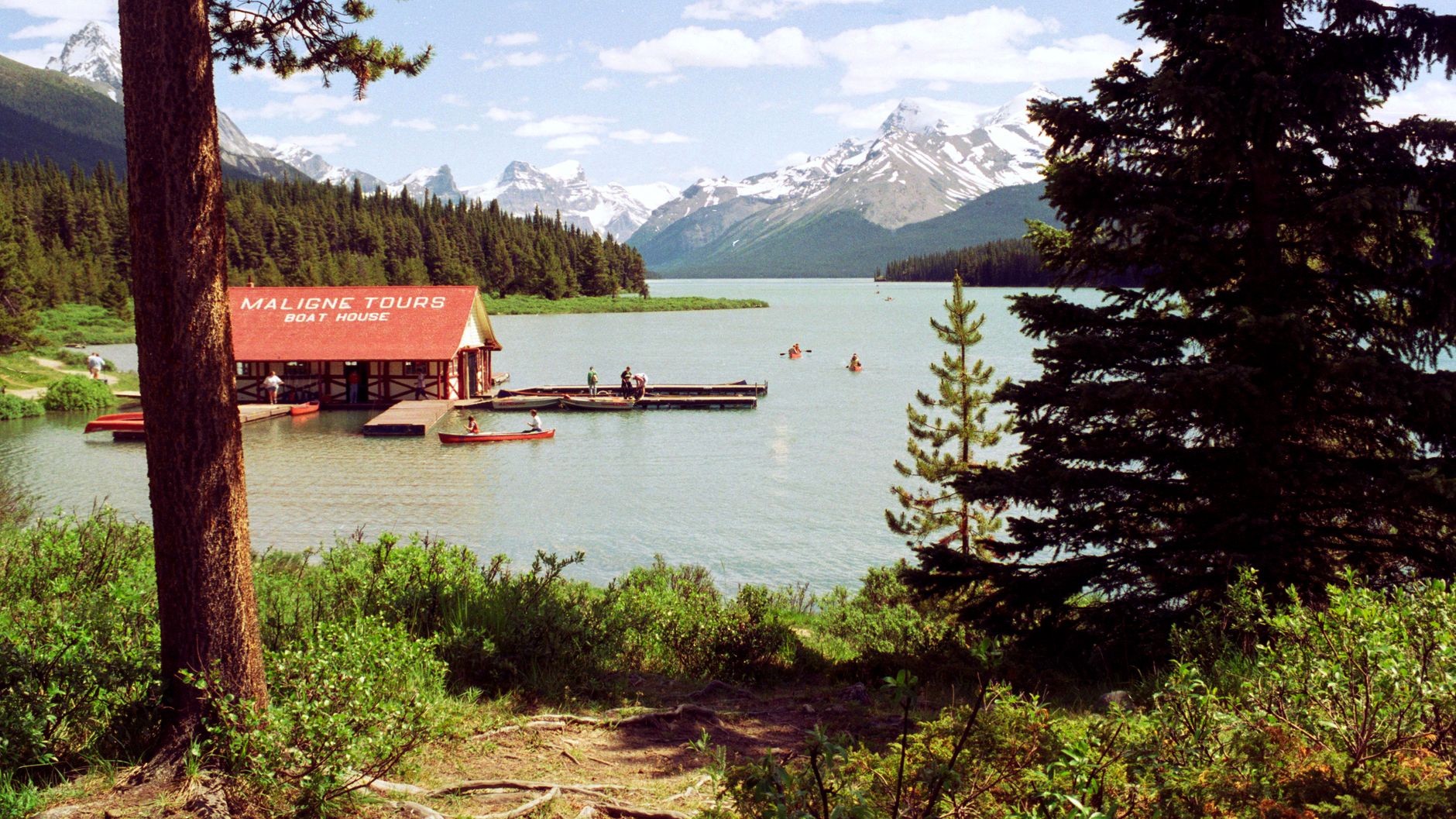
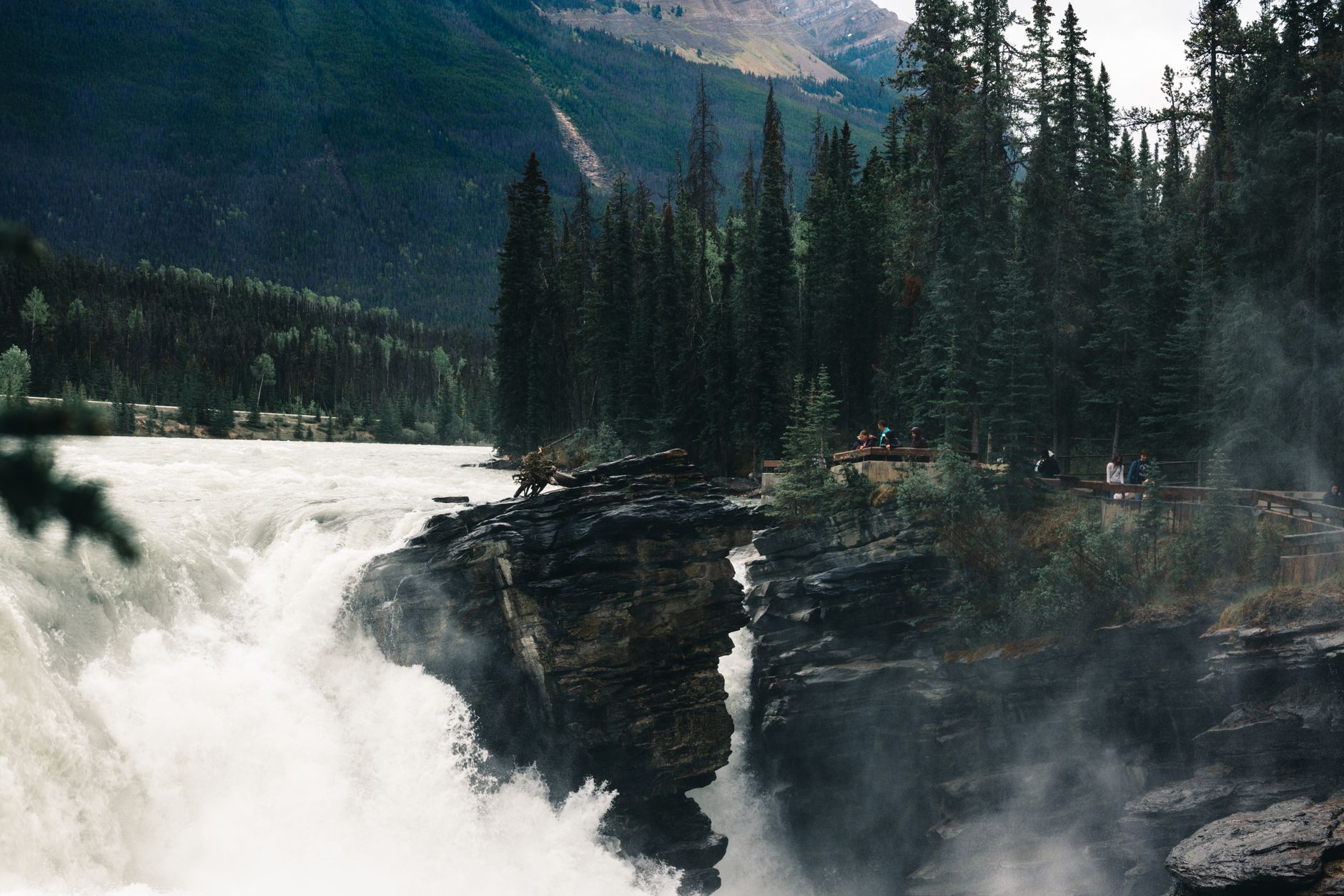
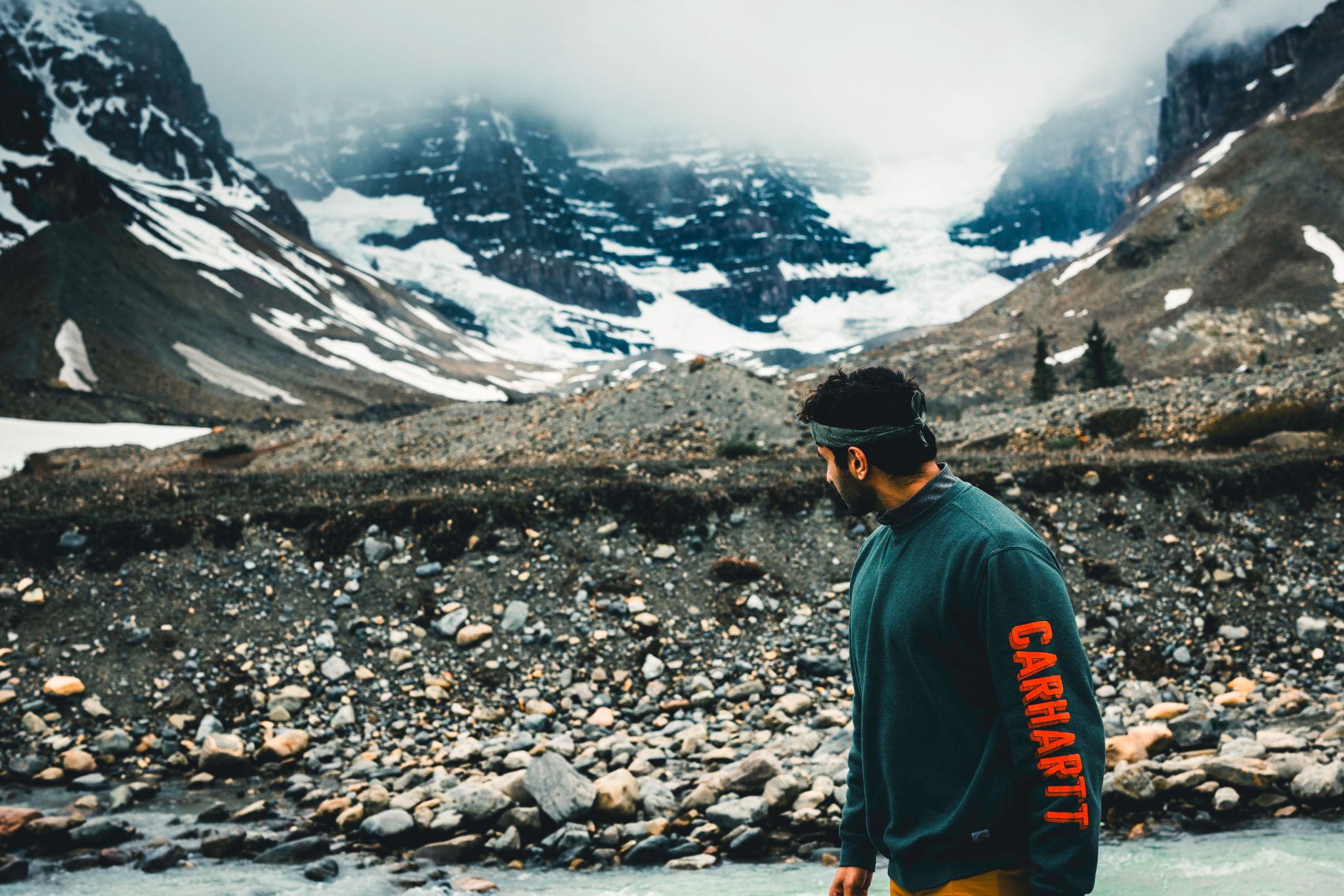
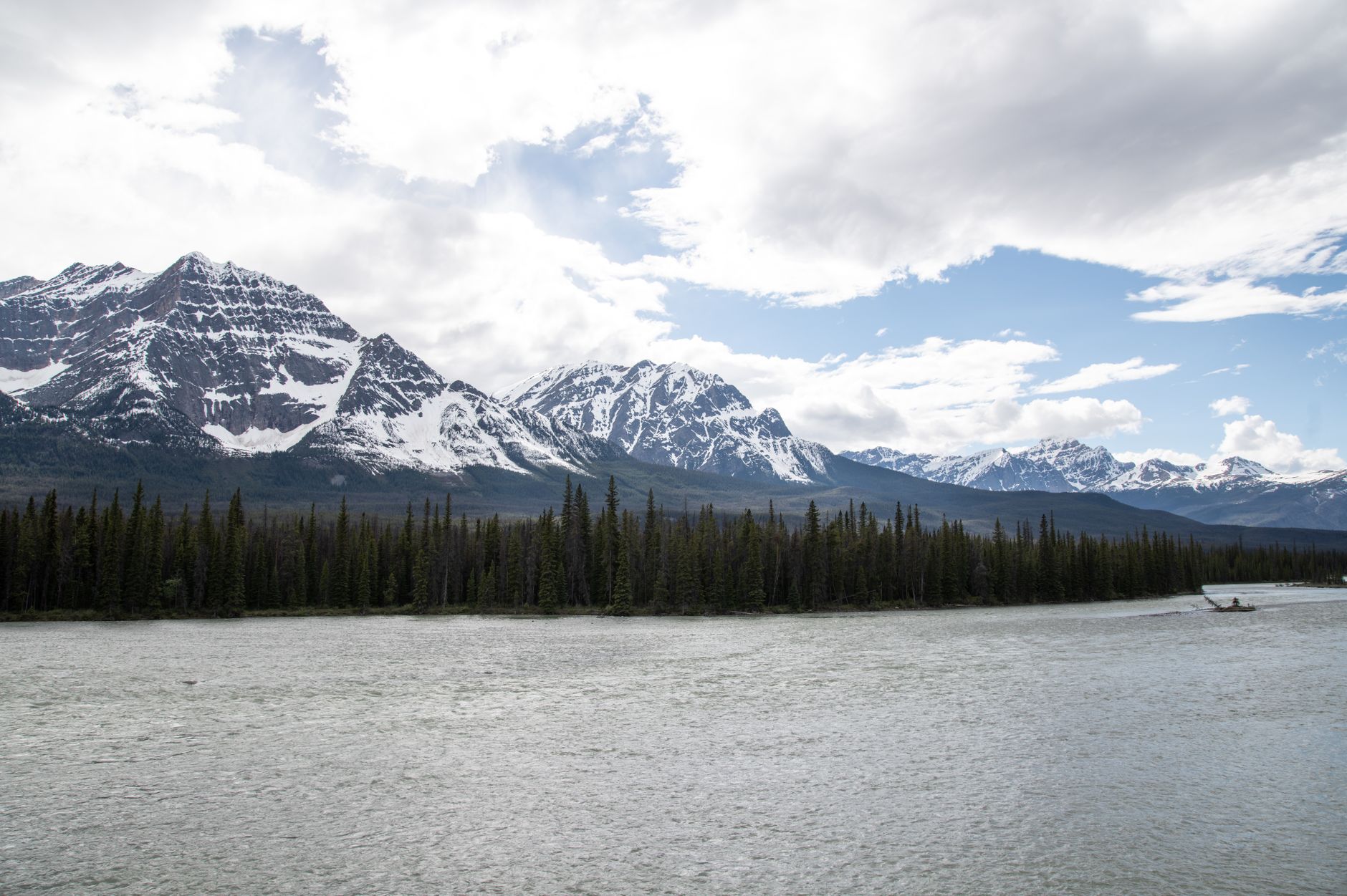
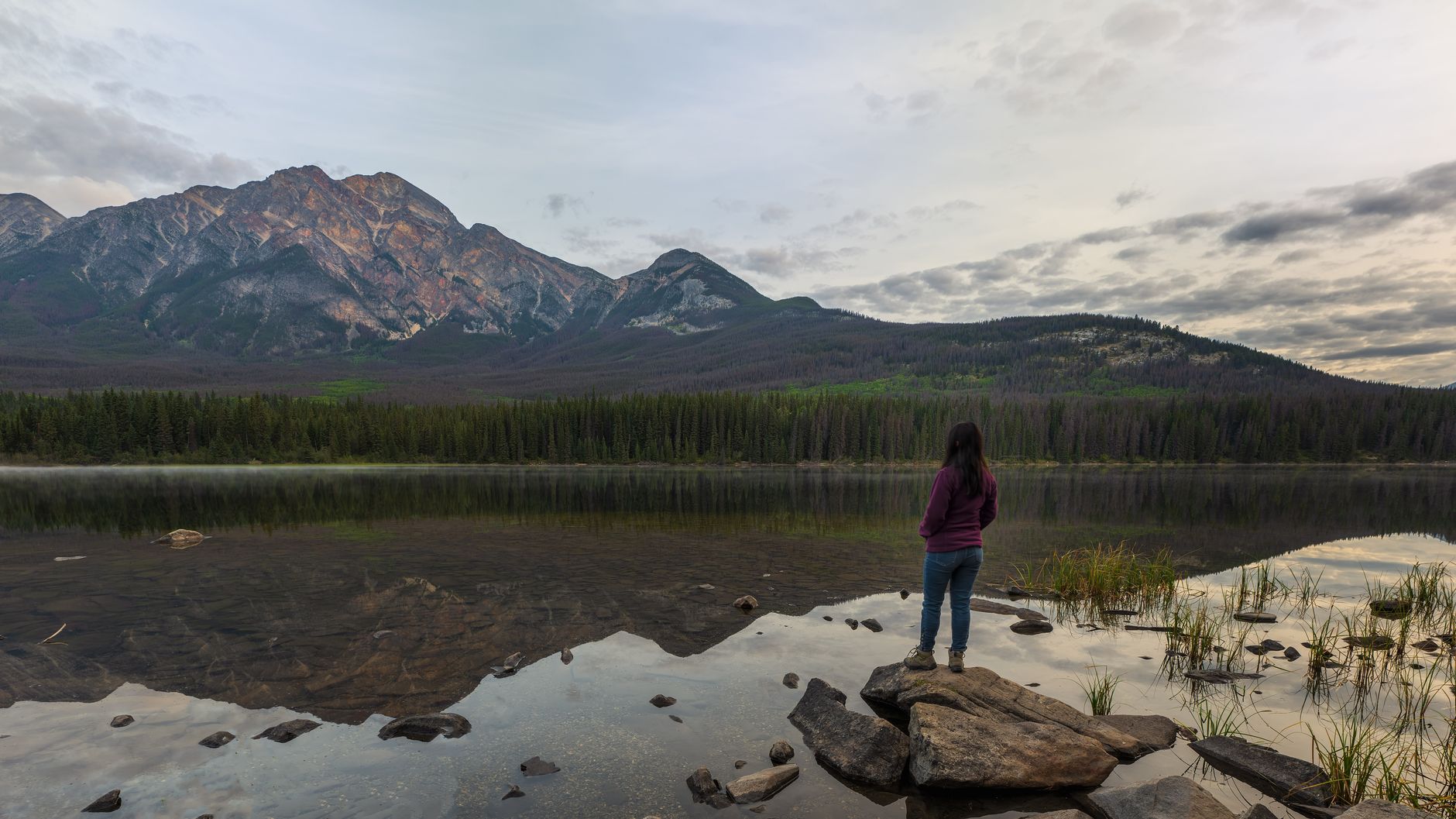
Jasper National Park is the kind of place where scale becomes physical — where you stand at the edge of the Athabasca Glacier and feel the cold rolling off ten thousand years of compressed ice. At 11,000 square kilometres, it is Canada's largest Rocky Mountain park, and the Icefields Parkway threads 232 kilometres of it between Lake Louise and the town of Jasper, connecting icefield after icefield along a road that feels designed for slow driving and long silences.
The town of Jasper sits at the park's heart, small enough to walk across in twenty minutes, surrounded by peaks on every side. Elk graze the side streets at dusk. The Information Centre, built in 1913–14 with no two windows or doors the same, still stands downtown — its roofline deliberately echoing the mountains behind it.
💛 What travellers fall for
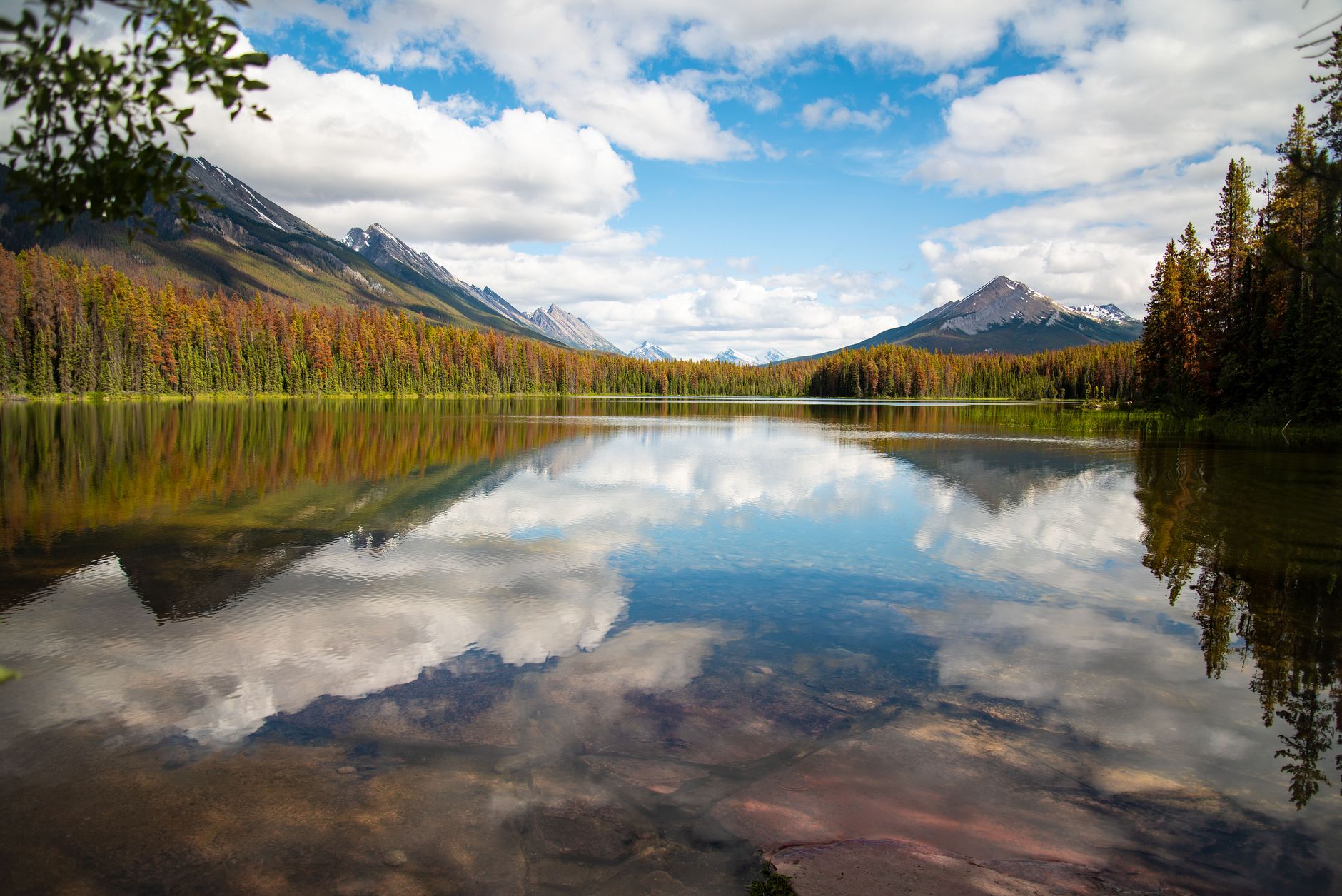
People who come back tend to time a return for September: the crowds thin, the larches turn gold, and the light in the valley goes amber by late afternoon. The stretch of the Icefields Parkway north of the Columbia Icefield — less photographed than the southern section — rewards the slower drive.
How Jasper National Park came to be
Jasper's existence as a park traces directly to the railways. When both the Canadian Northern and the Grand Trunk Pacific were cutting transcontinental routes through Yellowhead Pass in the early 1900s, the federal government moved to protect the land around them, establishing Jasper Forest Park by order in council on September 14, 1907. The Grand Trunk Pacific founded a town at the rail stop in 1911 — called Fitzhugh, renamed Jasper in 1913 — and the park was formally designated a national park in 1930.
The land itself had been inhabited since time immemorial by Nakoda, Cree, Secwépemc, and Dane-zaa peoples, who were forcibly removed when the reserve was created. The name Jasper comes from Jasper Haws, a Maryland-born fur trader who took command of a North West Company supply depot here in 1817. In 1908, Mary Schaffer, a widow from Pennsylvania following Stoney Indian trails, became the first non-Indigenous person to reach Maligne Lake. The park was inscribed as a UNESCO World Heritage Site in 1984.
Who and what shaped it
People who shaped it
Landmark buildings
See Jasper National Park in motion
Plan your visit
On the map
When to go
July is the warmest month, with daytime highs averaging around 22°C, but the season is short — snow can linger at elevation into June and return by October. Fall brings clear skies and cool air; winter is long and cold, with January maximums around -9°C, broken occasionally by mild chinook winds.
Right now
Background & history adapted from Wikipedia (CC BY-SA) · specs from Wikidata (CC0) · weather from Open-Meteo · map data © OpenStreetMap contributors · photos from Wikimedia Commons / Unsplash with per-image credit. No third-party reviews or social posts reproduced.