
Algonquin Provincial Park
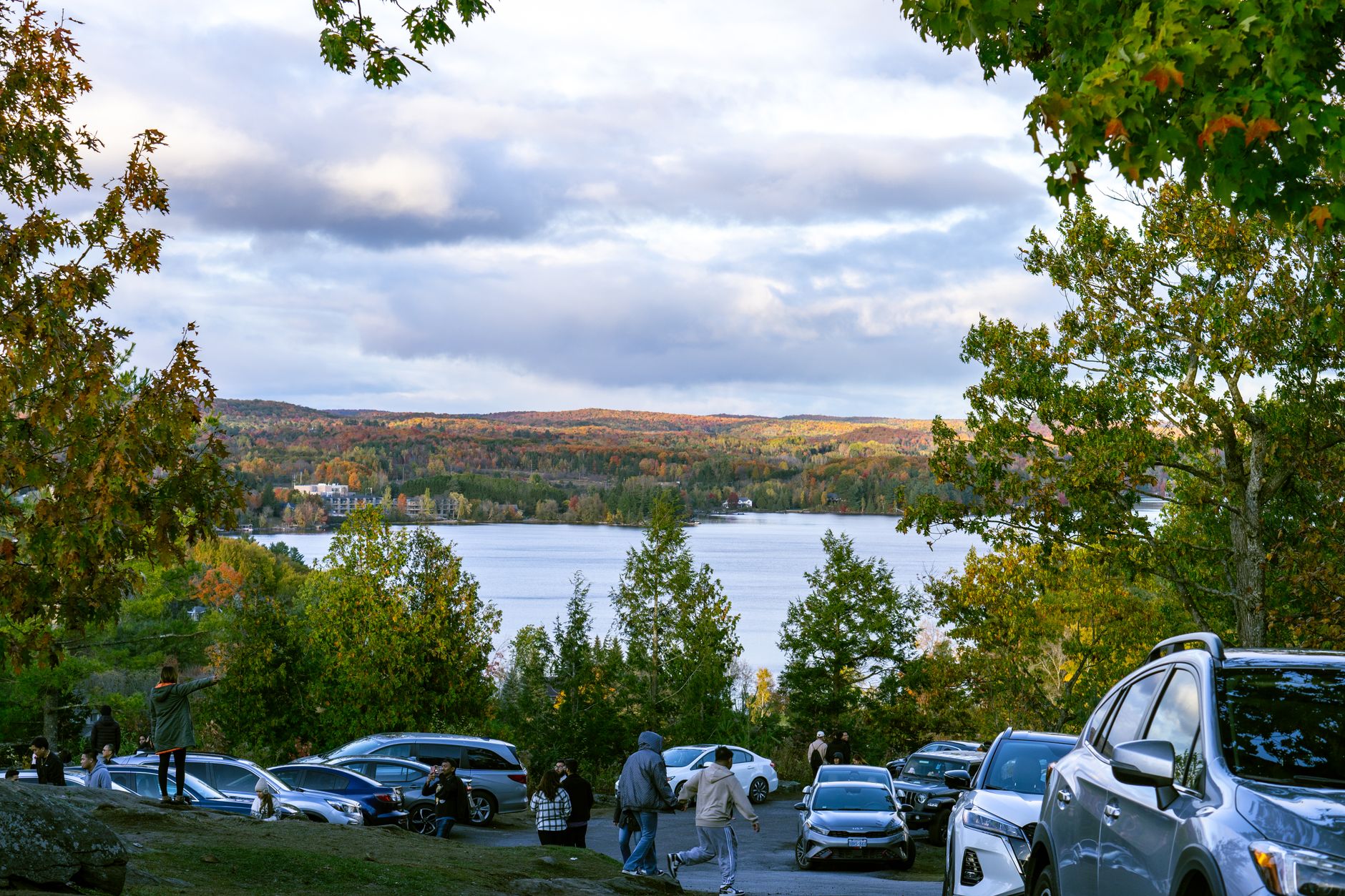
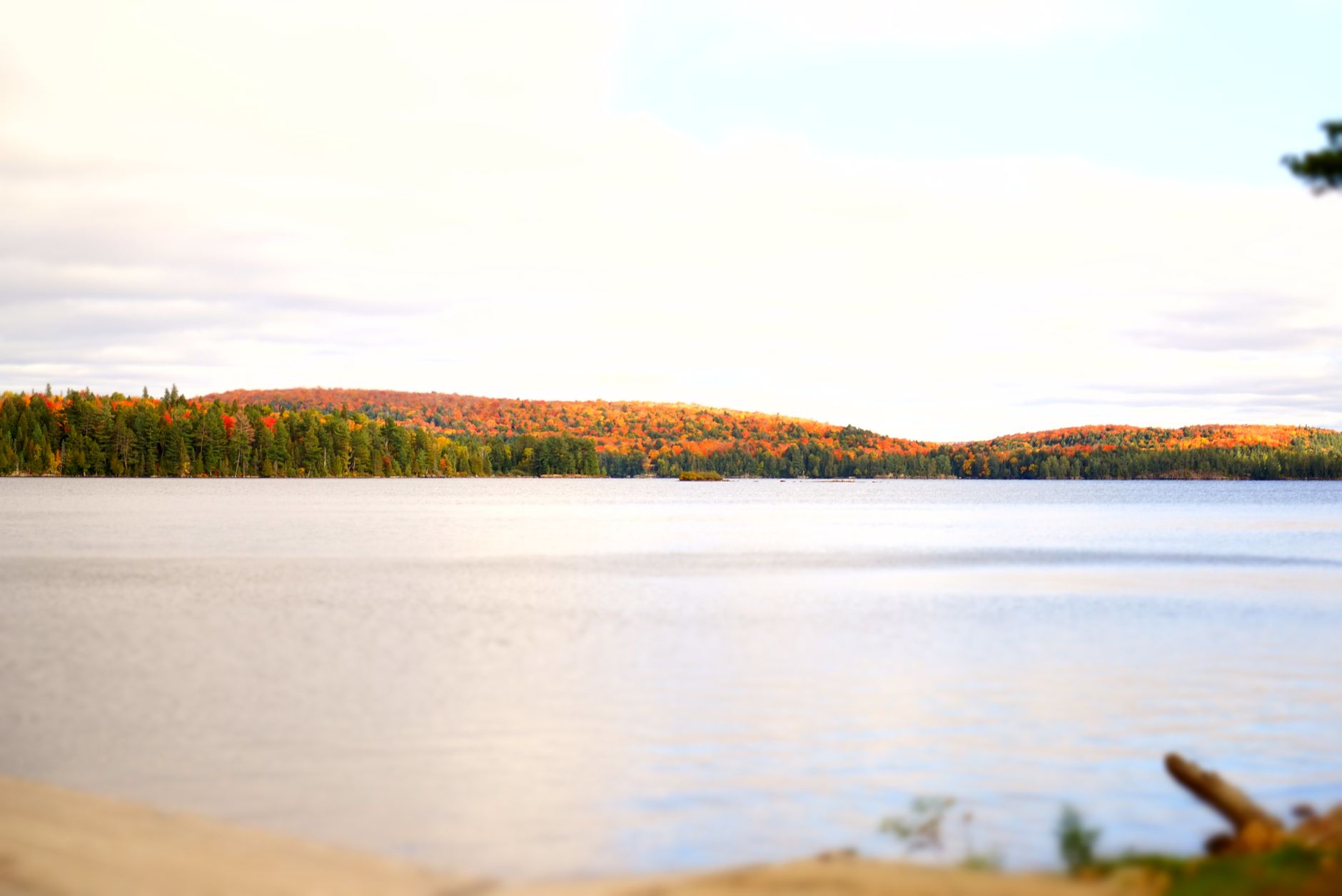
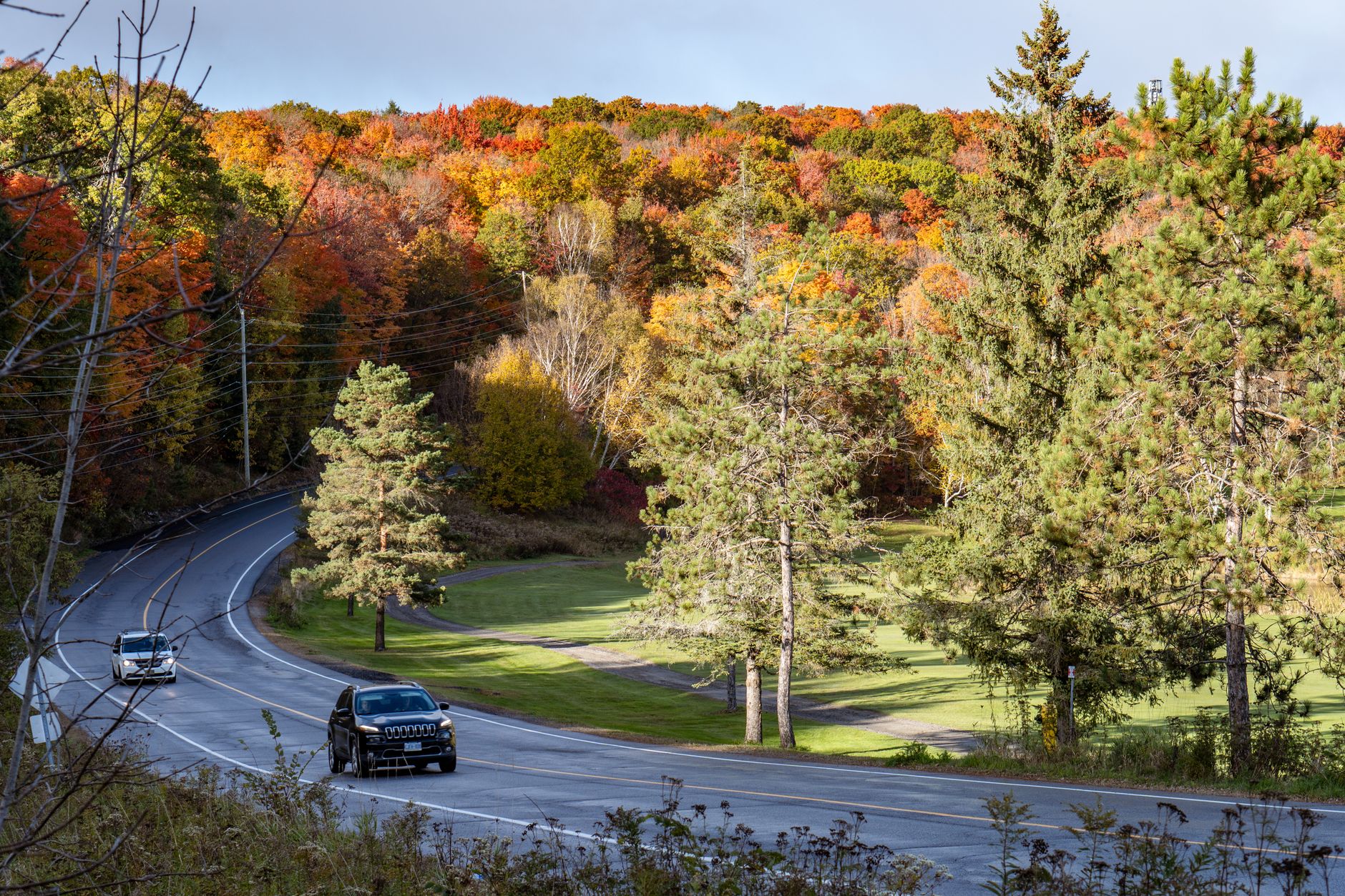
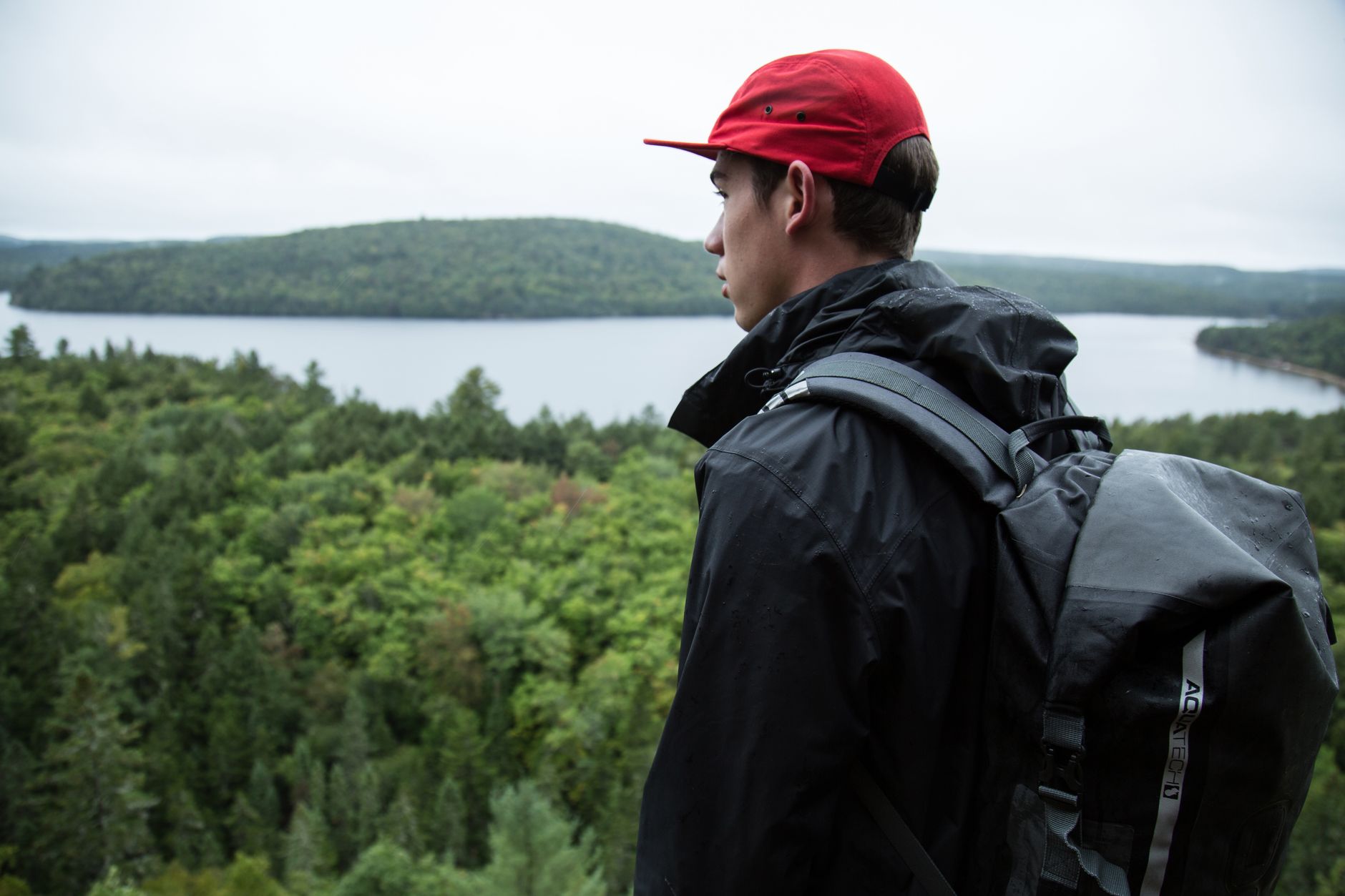
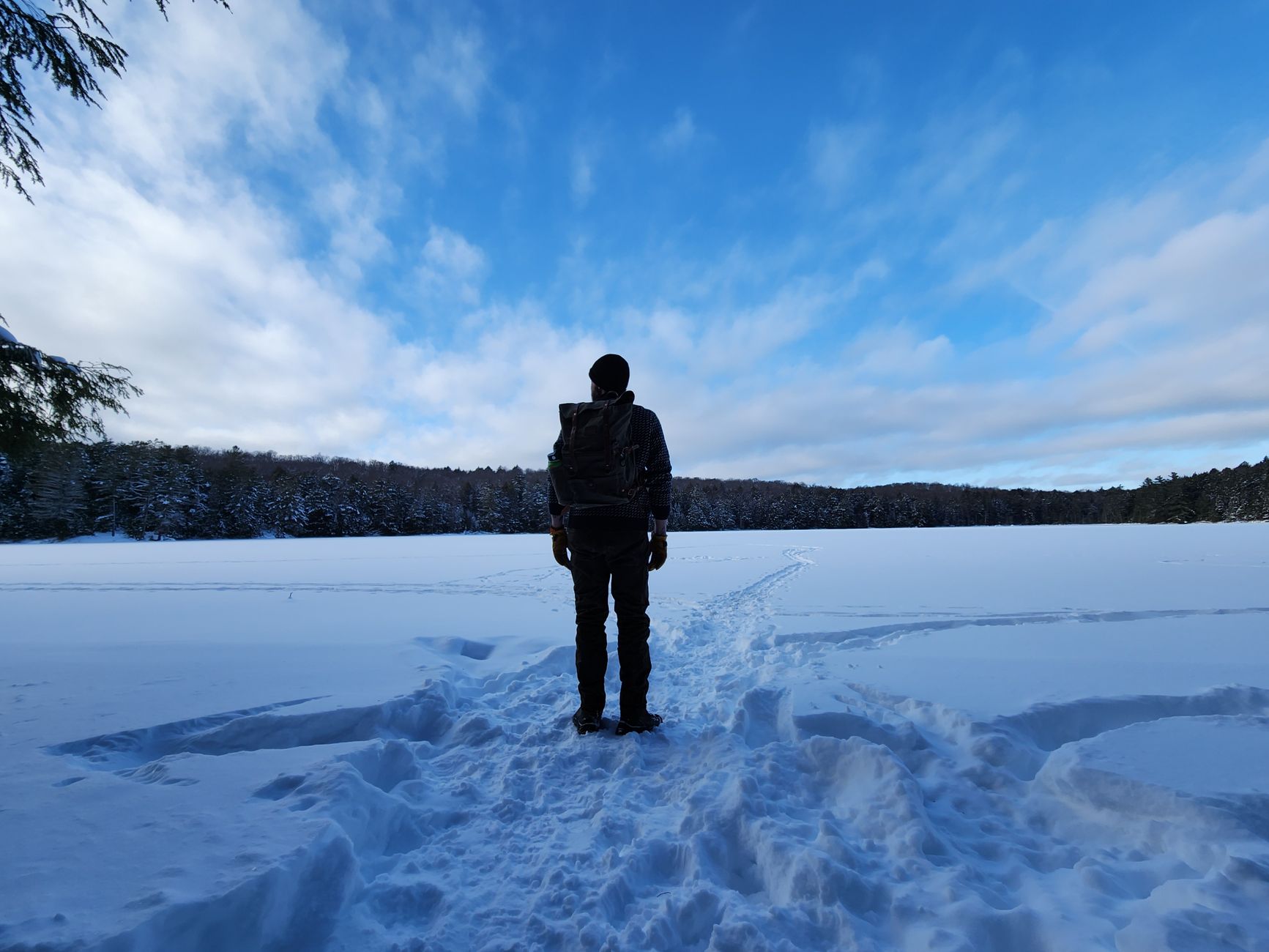
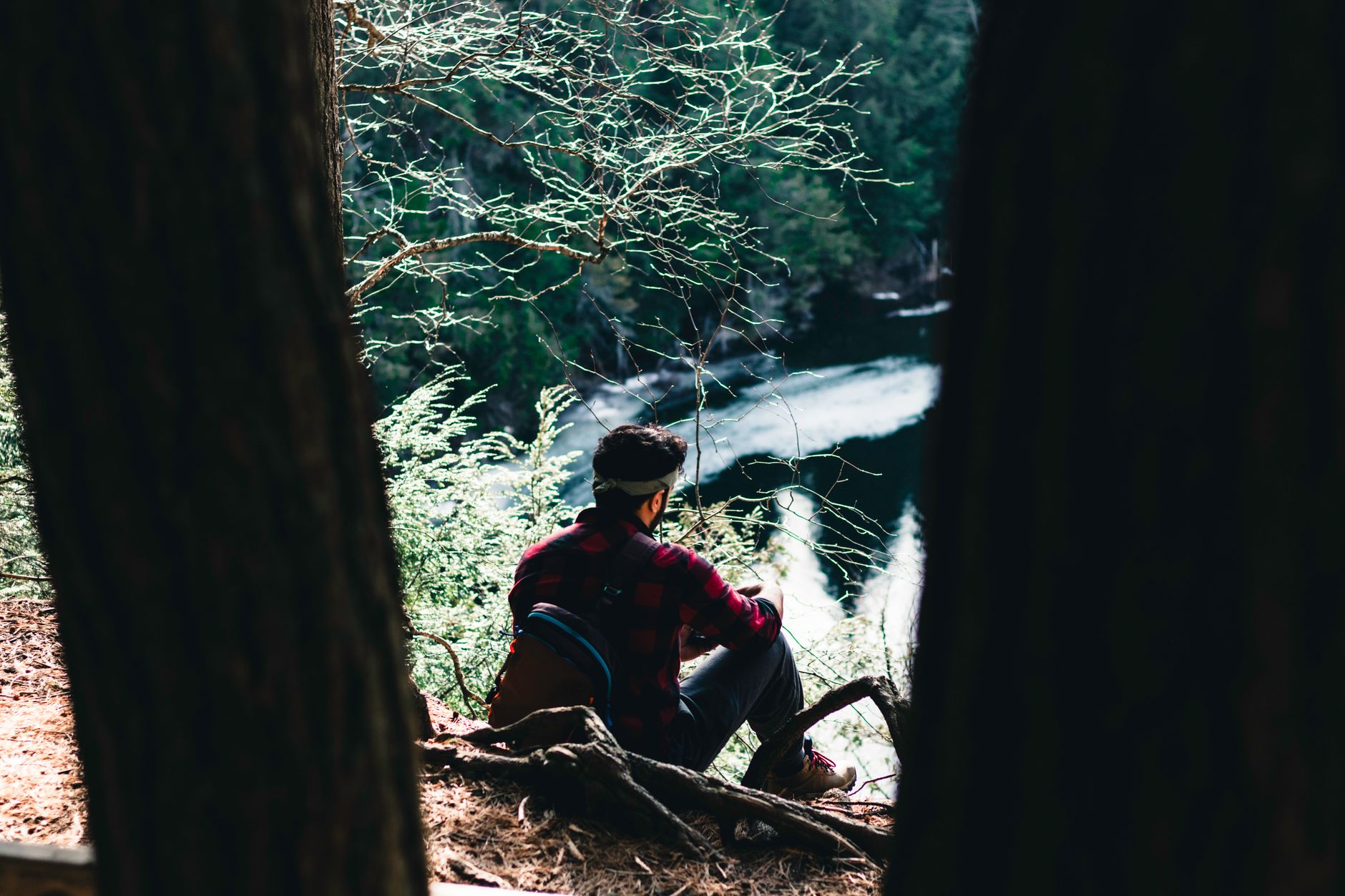
Algonquin covers 7,653 square kilometres of the Canadian Shield — more than 2,400 lakes, 1,200 kilometres of rivers and streams, and a canoe-route network stretching 1,500 kilometres in every direction. You can drive Highway 60 through the southern corridor and be perfectly content with a day hike and a stop at the Visitor Centre, or you can load a canoe and disappear into the interior for a week without retracing a single portage.
The park sits 250 kilometres north of Toronto, which makes it genuinely accessible without feeling suburban. What it offers is scale — the kind where a moose wading a marsh at dusk feels unremarkable by your third morning.
💛 What travellers fall for
People who come back tend to say the same thing: do at least one night in the backcountry, even if it's just a single portage from the access point. The Highway 60 campgrounds are fine, but the interior is where the park opens up. Pick up your permit early — sites go fast in July and August.
Experiences you don't want to miss



How Algonquin Provincial Park came to be
On May 23, 1893, the Ontario Legislature passed an act establishing what was then called Algonquin National Park of Ontario — making it the oldest provincial park in Canada. The push came largely from Alexander Kirkwood of the Ontario Department of Crown Lands, who argued for protecting the headwaters and forest of the region. Peter Thomson was appointed the first chief ranger, tasked with marking boundaries and enforcing new rules in territory that had long been used by hunters, trappers, and loggers.
The Ottawa, Arnprior and Parry Sound Railway cut through the park in 1896, opening it to visitors for the first time. The name was quietly changed to Algonquin Provincial Park in 1913. By the 1940s, Dr. J.R. Dymond of the Royal Ontario Museum was pioneering the kind of public interpretation programs the park still runs today.
Who and what shaped it
People who shaped it
Landmark buildings
See Algonquin Provincial Park in motion
Plan your visit
On the map
When to go
Winters are genuinely cold — January averages a high of -7°C with heavy snowfall, making it ideal for cross-country skiing but demanding in terms of gear. Summer peaks around 24°C in July with relatively low rainfall, and autumn brings the temperature drop and leaf colour that draws the largest crowds in September and October.
Right now
Background & history adapted from Wikipedia (CC BY-SA) · specs from Wikidata (CC0) · weather from Open-Meteo · map data © OpenStreetMap contributors · photos from Wikimedia Commons / Unsplash with per-image credit. No third-party reviews or social posts reproduced.