
Tofino, British Columbia
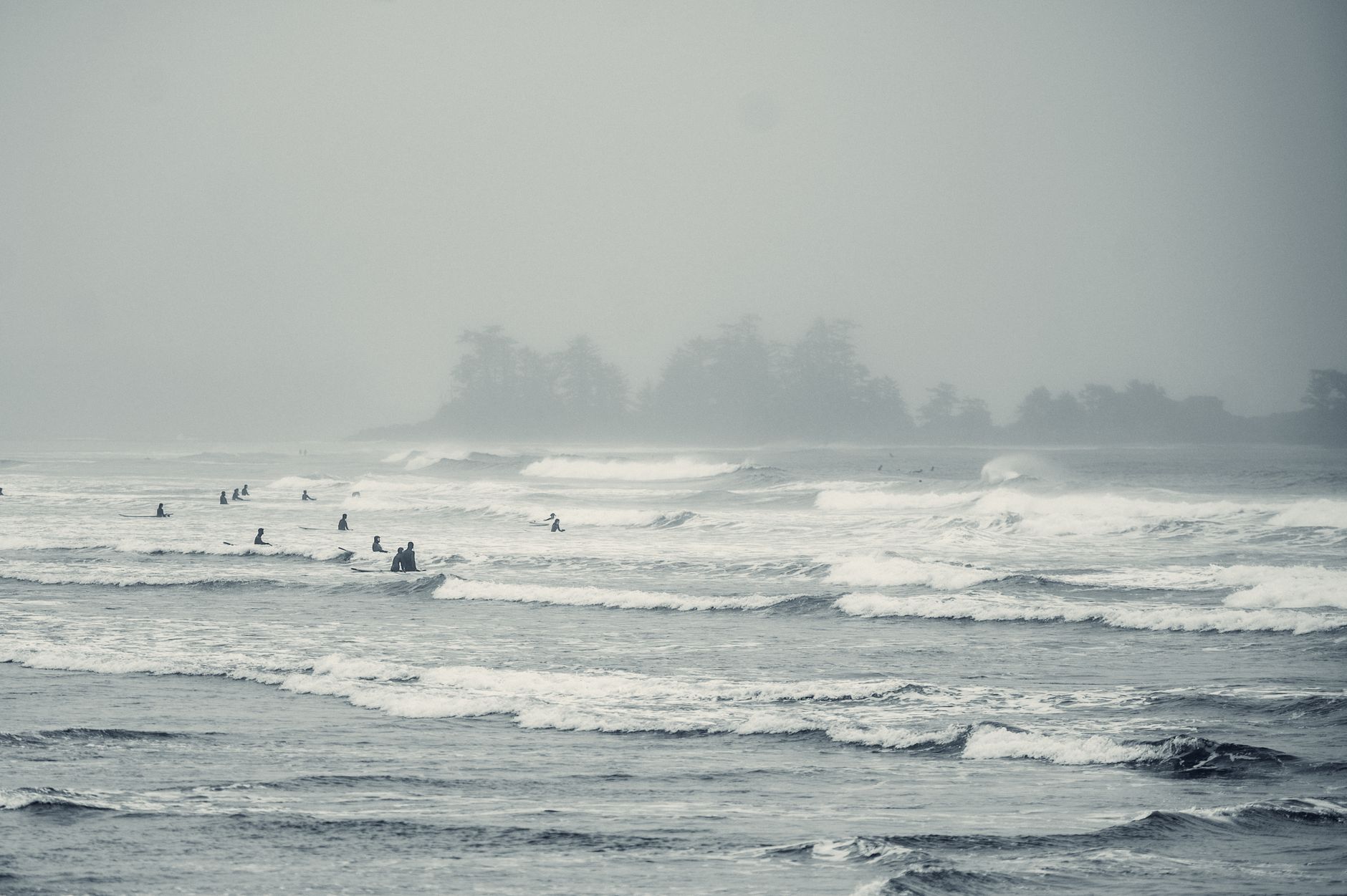
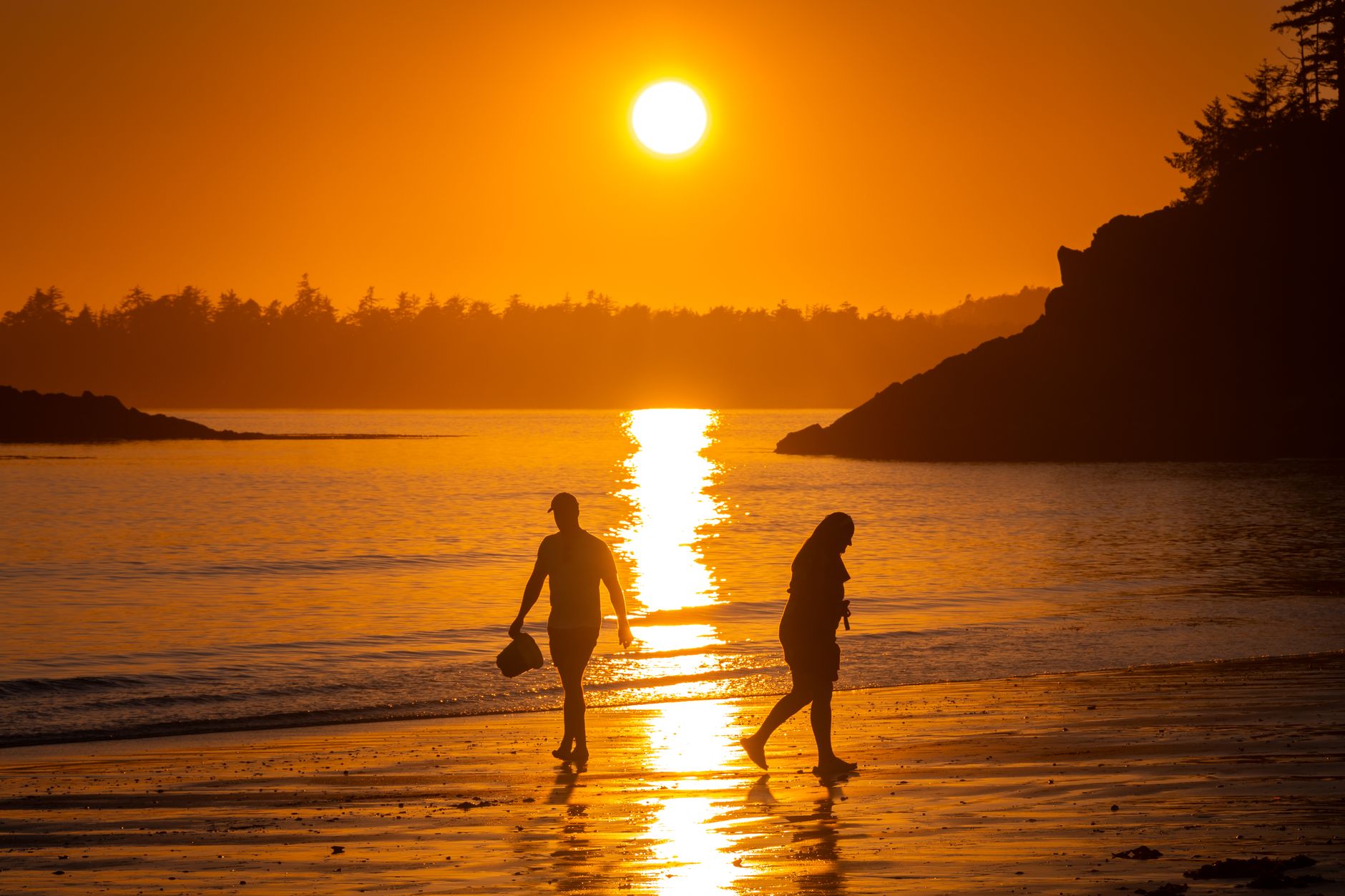
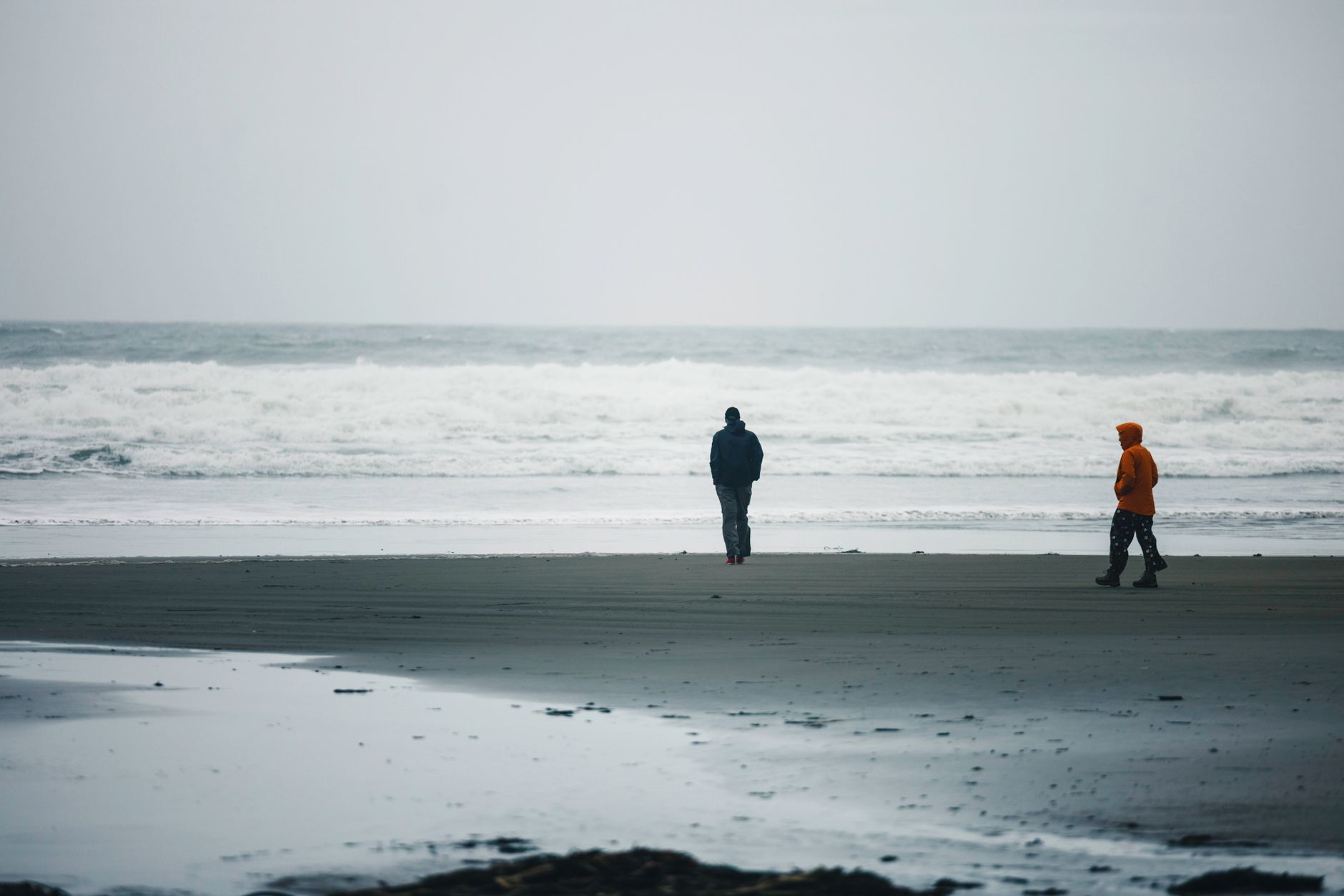
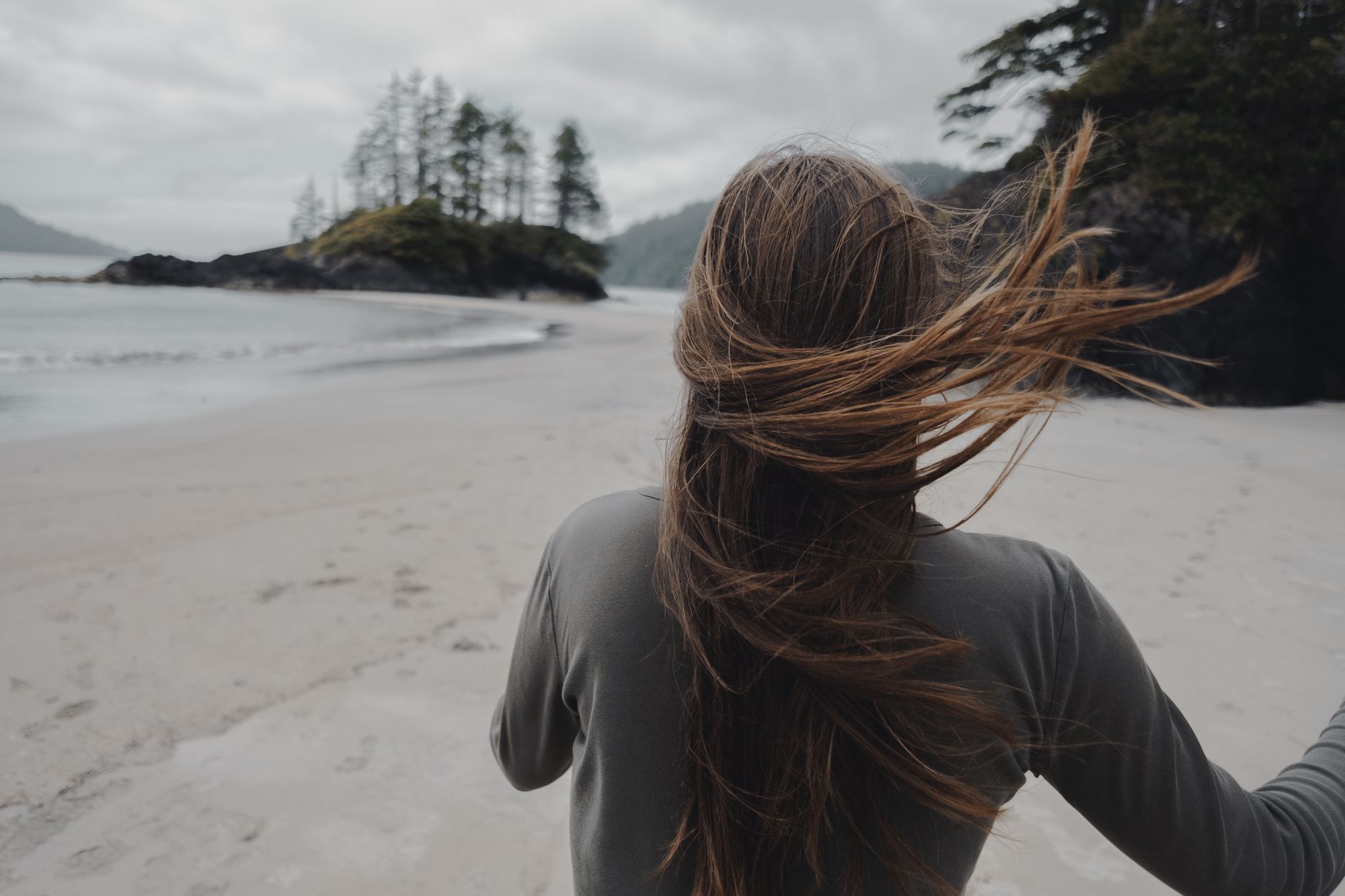
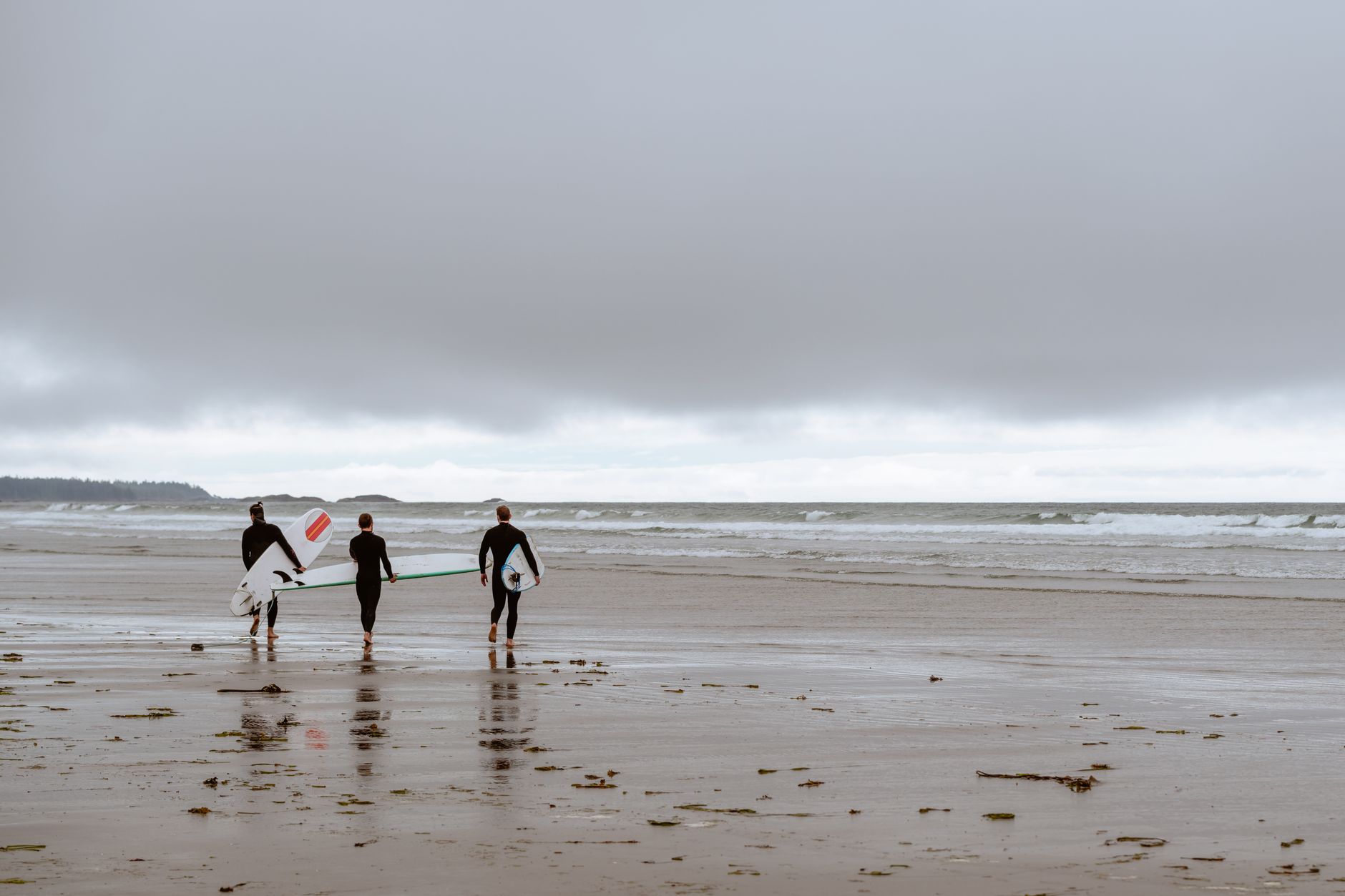

Tofino sits at the end of Highway 4, on the tip of the Esowista Peninsula where Clayoquot Sound opens toward the Pacific — and the road genuinely runs out here. The surf is real, the rainforest presses close to the beach, and the fog that rolls in off the ocean in the mornings is not a weather inconvenience but something closer to the whole point.
This is a small town that draws an outsized number of people: surfers, storm-watchers, whale-watchers, people who want to eat well and sleep somewhere the windows face the water. The community is Tla-o-qui-aht territory, and that history runs through the place in ways worth paying attention to.
💛 What travellers fall for
People who keep coming back tend to time a trip for shoulder season — late September or October — when the summer crowds thin and the first serious swells arrive. The free shuttle between the village and Cox Bay is genuinely useful and saves the parking headache. Roy Henry Vickers' Eagle Aerie Gallery rewards a slow visit; the carved cedar exterior alone stops you on the street.
How Tofino, British Columbia came to be
Spanish naval captains Dionisio Alcalá Galiano and Cayetano Valdés named the inlet in 1792 after Admiral Vicente Tofiño de San Miguel, the cartographer under whom Galiano had trained. By that point, Chief Wickaninnish of the Tla-o-qui-aht had already been managing the sea-otter fur trade in Clayoquot Sound through first contact with Europeans. The town itself took shape slowly: a store in 1901, a schoolhouse in 1906, a post office in 1909. The gravel road connecting Tofino to Port Alberni — 126 kilometres east — wasn't finished until 1959.
The community carries a harder history too. Christie Indian Residential School operated on Meares Island from 1900 before moving to Tinwis beach in 1971; it closed in 1983 as the last residential school to shut down in British Columbia. In 1942, nearly 100 Japanese Canadians — more than a third of Tofino's population at the time — were expelled from the coast under federal order. Pacific Rim National Park was established in 1970, and the first surf shop opened in 1984. The town that exists now is layered with all of it.
Who and what shaped it
People who shaped it
Landmark buildings
See Tofino, British Columbia in motion
Plan your visit
On the map
When to go
Tofino receives over 3,200 mm of rain a year — November alone can bring nearly 500 mm — so waterproof gear is less optional than assumed. Summers are cool and bright, rarely climbing past 17°C, while winters stay mild enough to walk the beaches; storm season, roughly November through February, brings the largest swells and a particular kind of drama the place is known for.
Right now
Background & history adapted from Wikipedia (CC BY-SA) · specs from Wikidata (CC0) · weather from Open-Meteo · map data © OpenStreetMap contributors · photos from Wikimedia Commons / Unsplash with per-image credit. No third-party reviews or social posts reproduced.