
Whistler, British Columbia
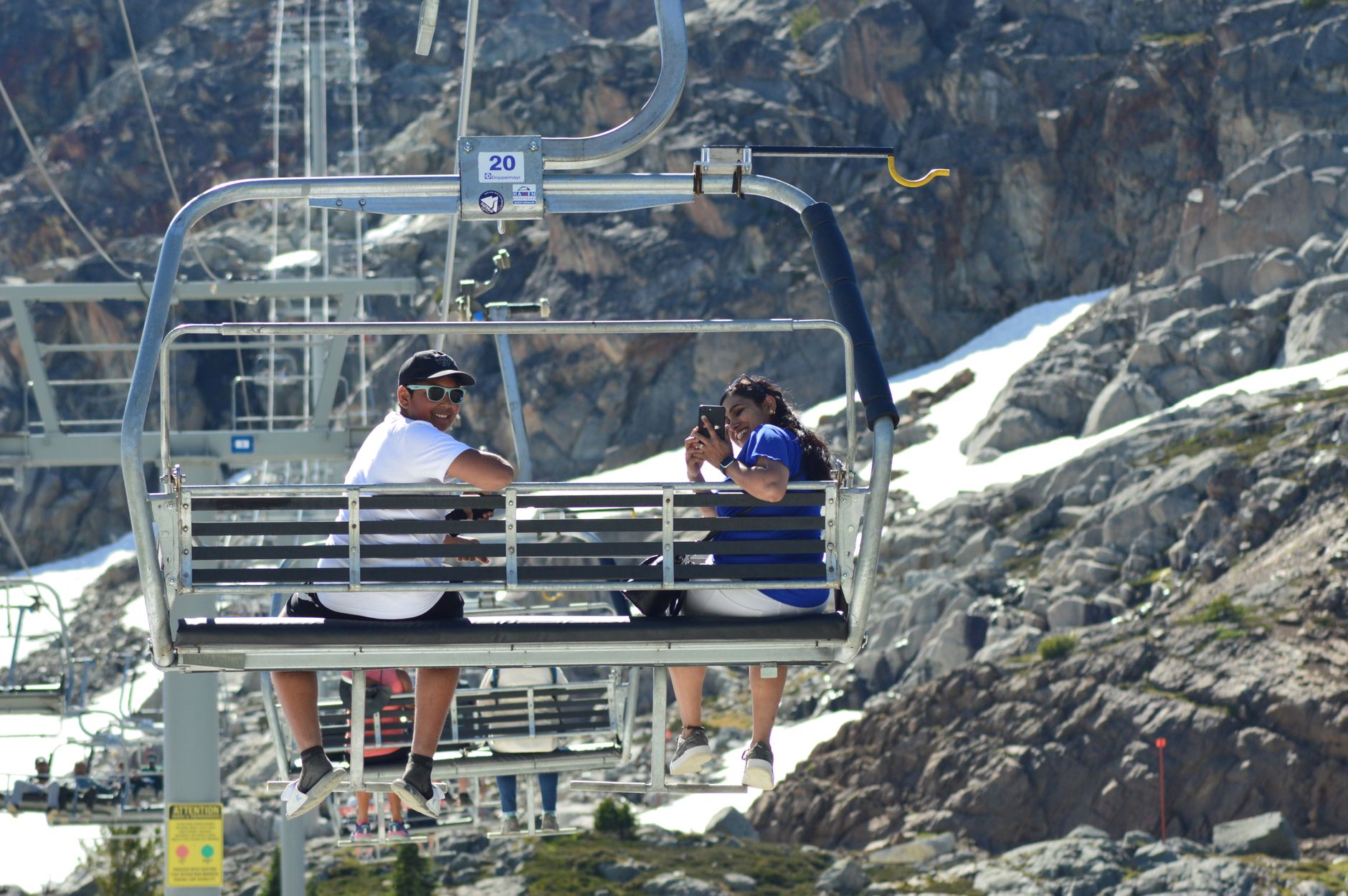
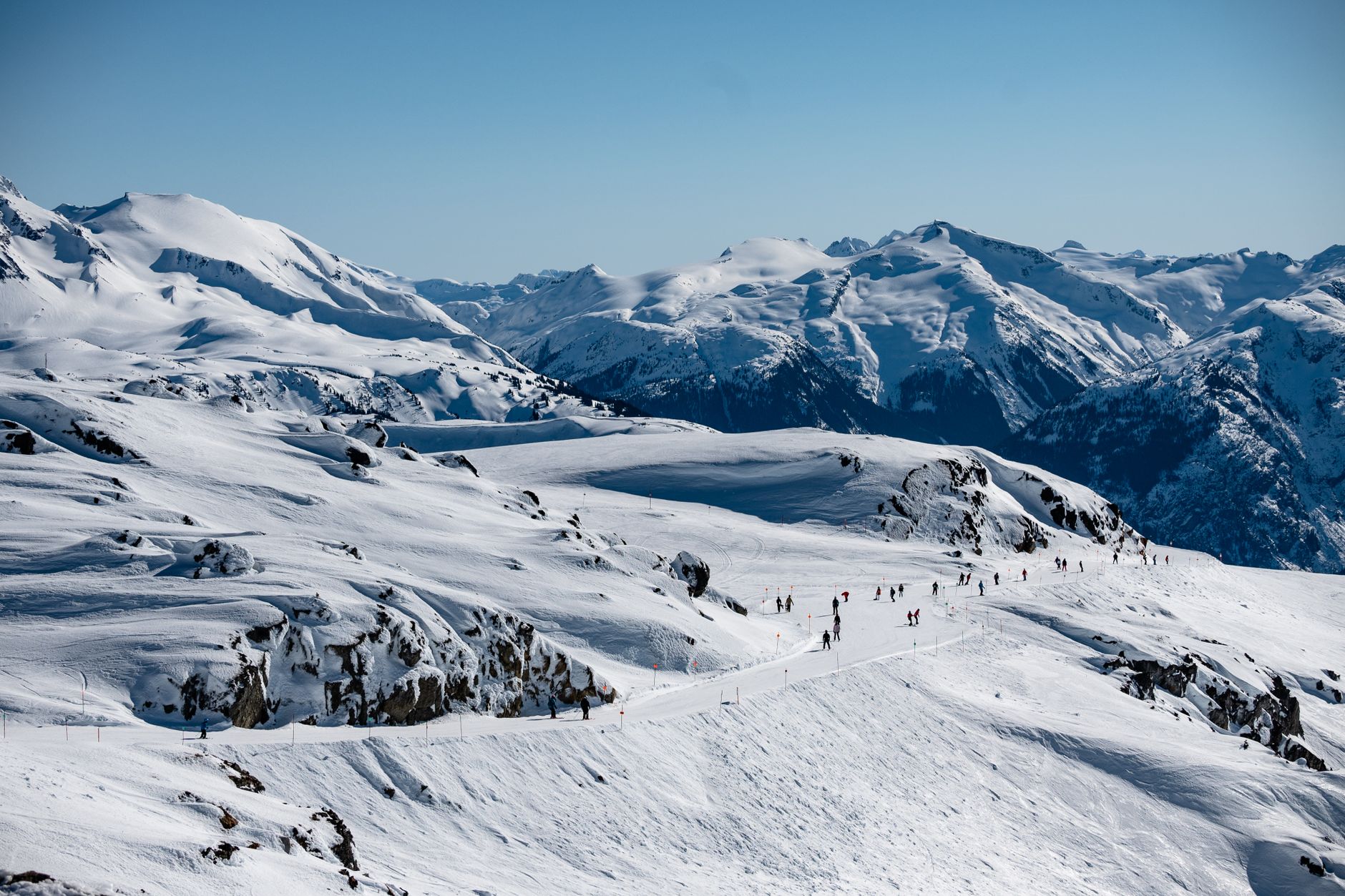
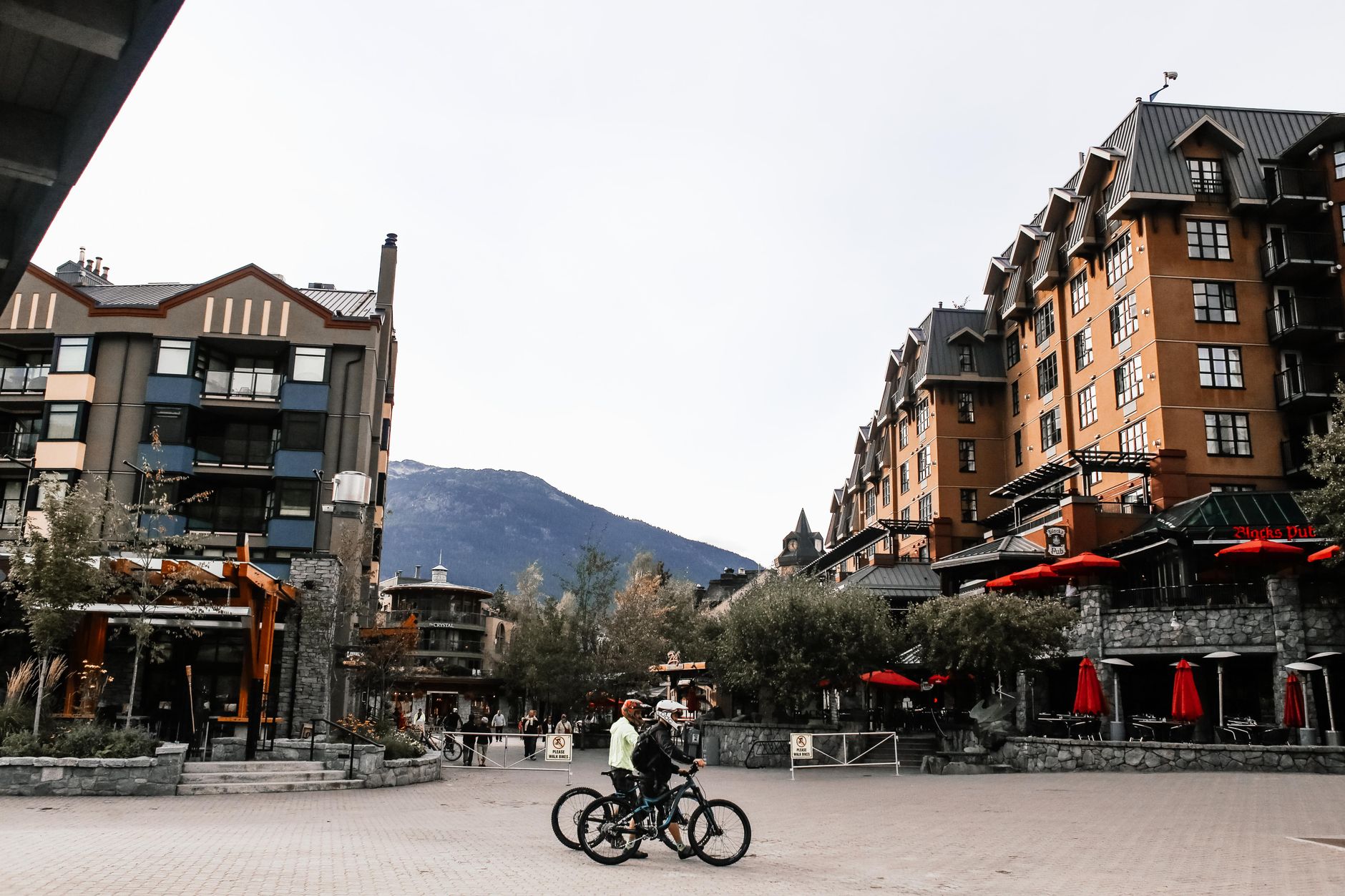

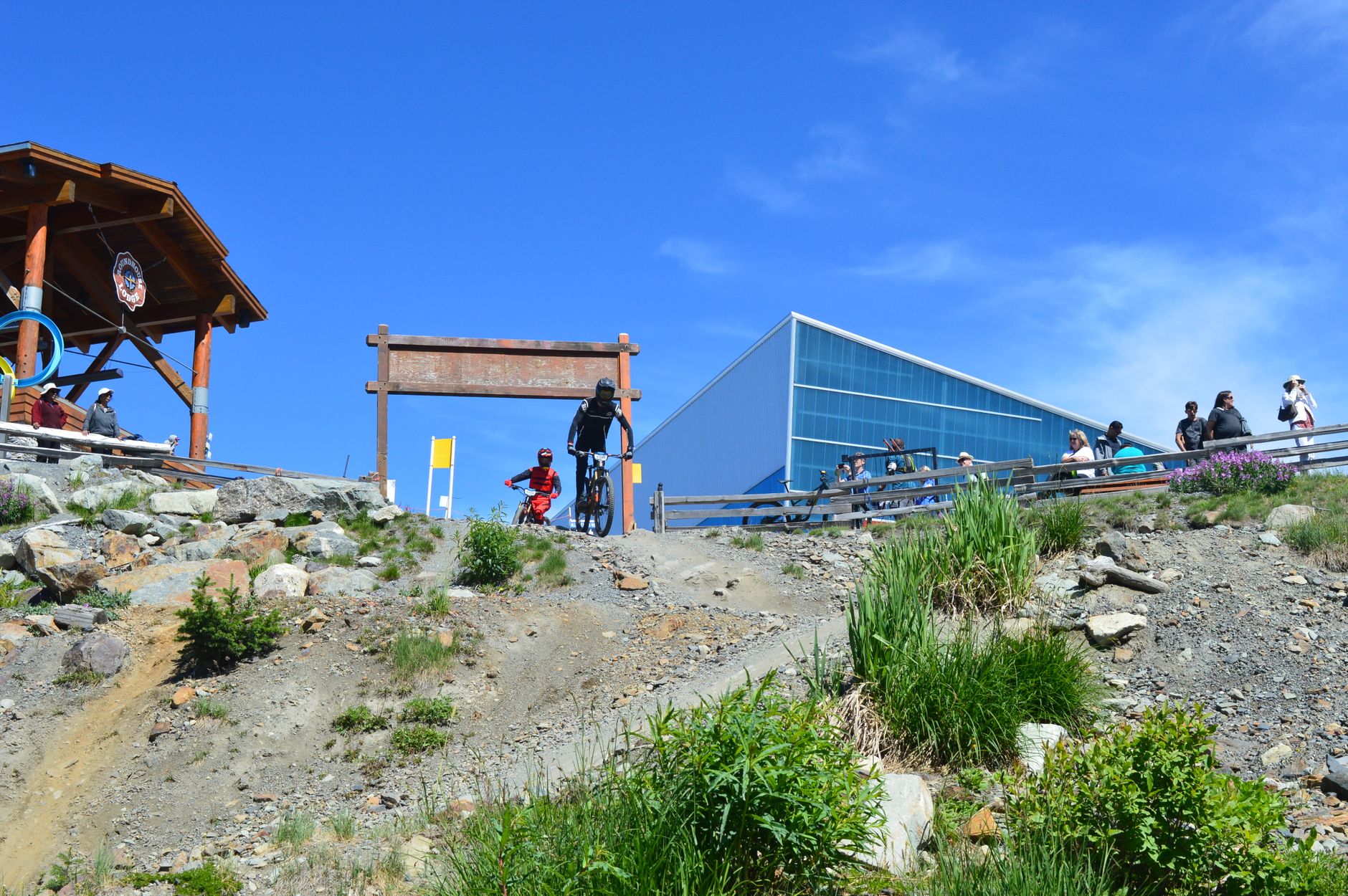
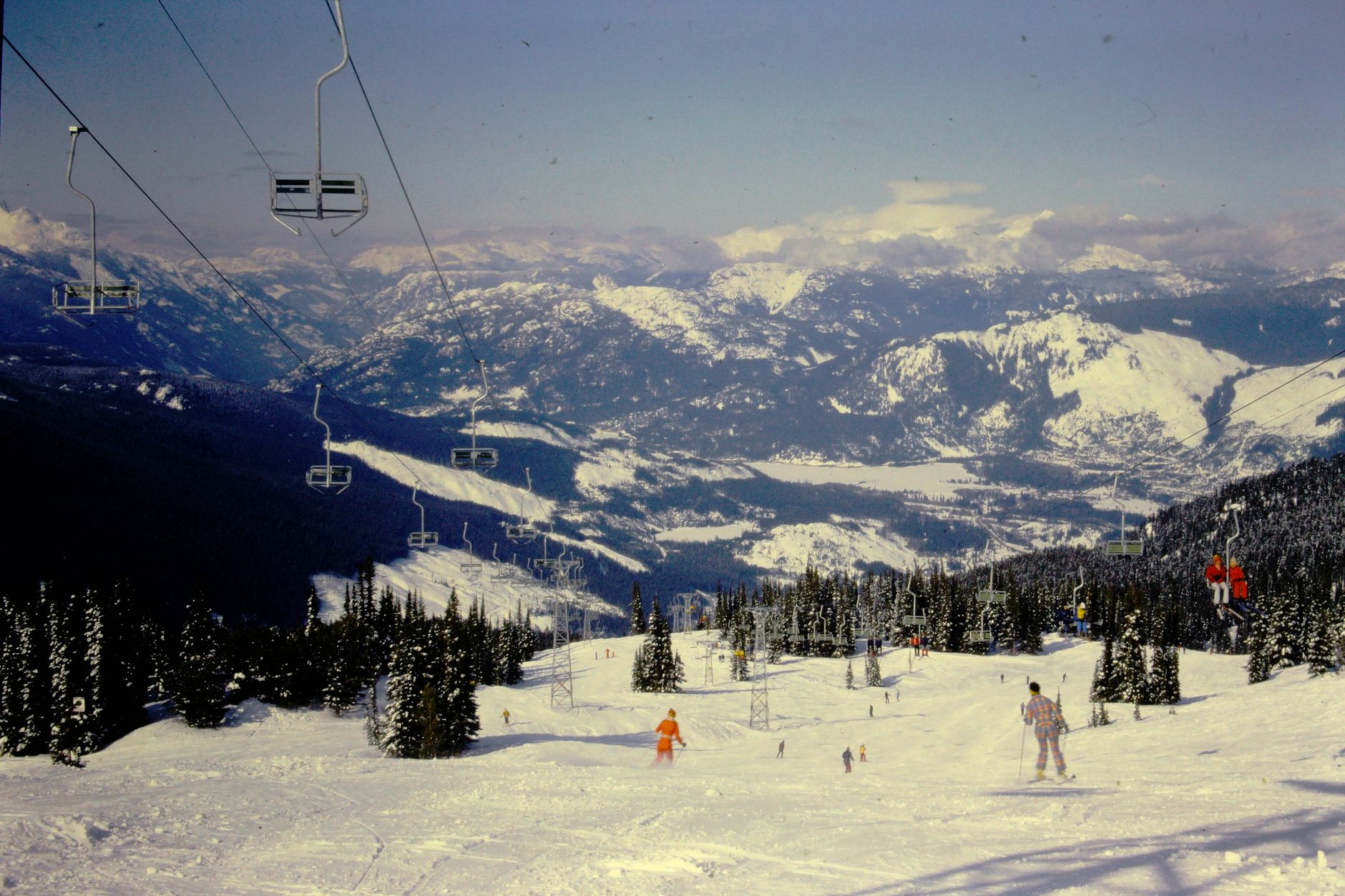
The mountain got its name from the Western hoary marmots that whistle sharply from the rocks above the treeline — and before the lifts, the lodges, or the two million annual visitors, that sound was about all there was up here. Beneath the modern village, literally, lies the old Alta Lake dump, a buried Volkswagen van included.
Whistler Blackcomb is the largest ski resort in North America by uphill lift capacity, and the Peak 2 Peak Gondola — connecting the two summits at altitude — remains a feat of engineering as much as a way to get around. In summer, the mountain trails fill with bikes where skis once carved.
💛 What travellers fall for
People who come back tend to skip the main Village Square on powder mornings and go straight to the Creekside gondola instead. The Audain Art Museum earns a second visit in a way galleries rarely do — the elevated walkway and the light inside the building change with the season. And the BC Transit village loop is genuinely useful, which surprises most first-timers.
How Whistler, British Columbia came to be
The whole place began as a failed Olympic pitch. Franz Wilhelmsen founded Garibaldi Lifts Ltd to support Canada's bid for the 1968 Winter Games; when the bid didn't land, construction went ahead anyway, and Whistler Mountain opened on January 15, 1966. Blackcomb Mountain and Whistler Village followed in December 1980, and the Resort Municipality of Whistler had been incorporated just five years earlier with fewer than a thousand residents.
Landscape architect Eldon Beck designed the village around three plazas and covered walkways — a plan deliberately built for wet weather and pedestrian surprise rather than car access. The International Olympic Committee eventually awarded the 2010 Winter Games to the Vancouver/Whistler bid in July 2003, by which point Intrawest had already consolidated the two mountains under a single operation. Vail Resorts acquired the whole enterprise in 2016 for $1.39 billion.
Who and what shaped it
People who shaped it
Landmark buildings
See Whistler, British Columbia in motion
Plan your visit
On the map
When to go
Winters are heavy with snow — nearly forty feet of accumulated snowfall annually — and temperatures in the village sit closer to freezing than the alpine exposed runs above. Summers are mild and dry enough for trail use but cool at elevation; a layer is sensible any month you visit.
Right now
Background & history adapted from Wikipedia (CC BY-SA) · specs from Wikidata (CC0) · weather from Open-Meteo · map data © OpenStreetMap contributors · photos from Wikimedia Commons / Unsplash with per-image credit. No third-party reviews or social posts reproduced.